
China
Historical background and medieval period
China's rich heritage of castles and fortifications spans several millennia, reflecting the country's complex history of warfare, defense, and governance. Unlike the European tradition of castles as noble residences, Chinese fortifications often served multifaceted roles, combining military, administrative, and symbolic functions. The development of these defensive structures was deeply influenced by the political fragmentation and reunifications that characterized various dynastic periods.
During the medieval period, particularly under the Tang (618–907) and Song (960–1279) dynasties, fortifications evolved to address both internal rebellions and external invasions. The need to protect strategic locations led to the construction of city walls, fortresses, and military garrisons. This era saw a transition from simpler wooden palisades to more formidable stone and brick fortifications that could withstand sieges and artillery.
The Mongol conquest and the subsequent Yuan dynasty (1271–1368) further emphasized the importance of fortifications, as control over vast territories required securing key points. The Ming dynasty (1368–1644) is particularly notable for its extensive military architecture, including the reinforcement of the Great Wall and the construction of numerous fortified cities and castles that still stand today.
Continue reading below — scroll for the full article.
Best castles to visit in China
Our editors' picks and the castles visitors save most, ranked. See all 98 castles
- 1
- 2
- 3
- 4
- 5
- 6

Types of fortifications in China
Chinese fortifications encompass a wide variety of forms, each tailored to specific strategic and cultural needs. The primary types include castles, city walls, military forts, and defensive towers.
Castles and fortified residences
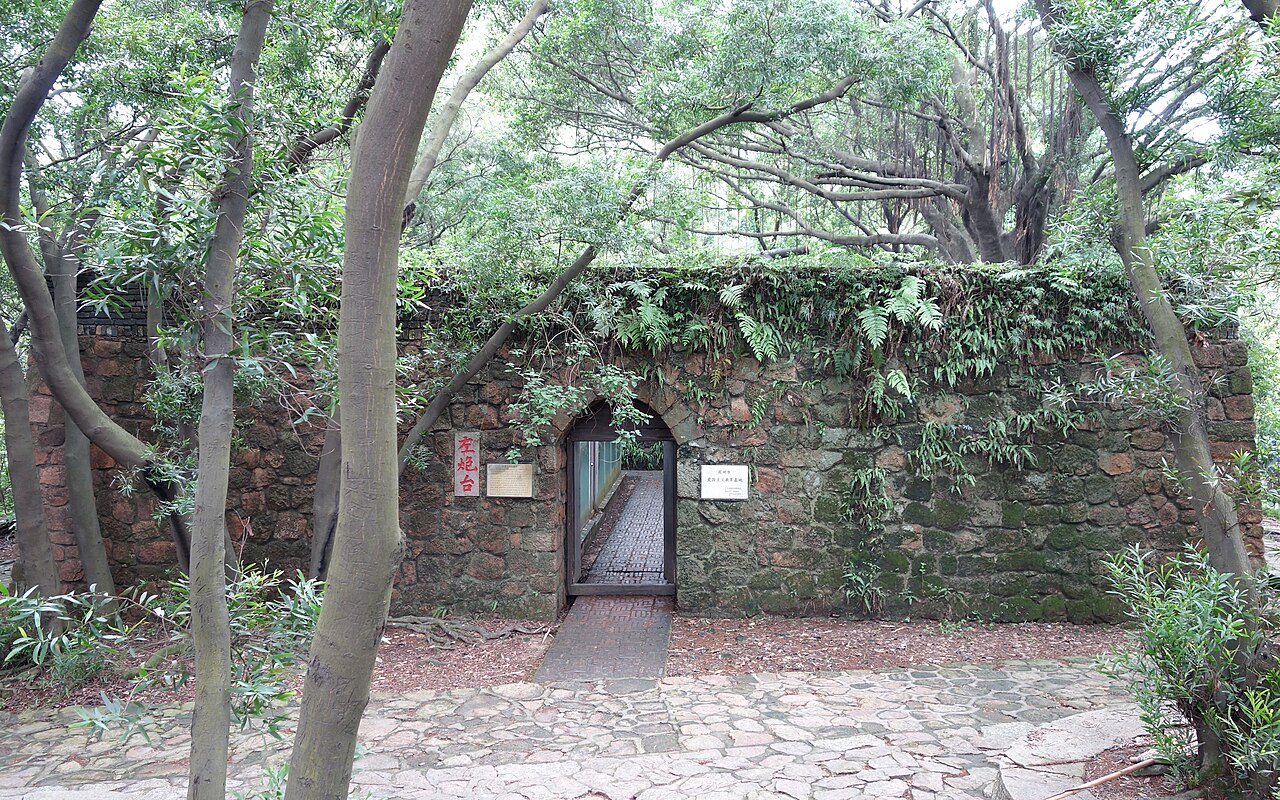
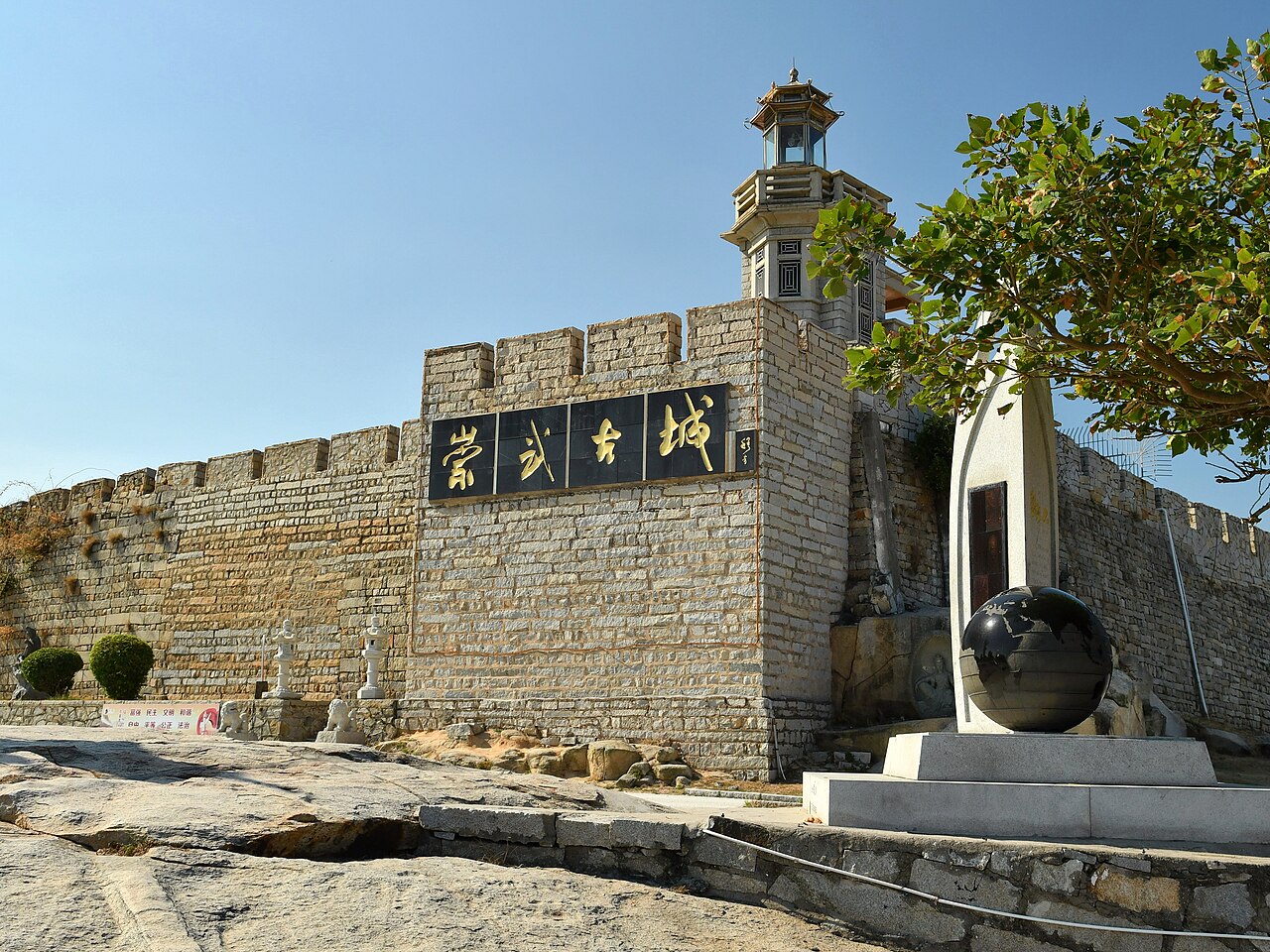
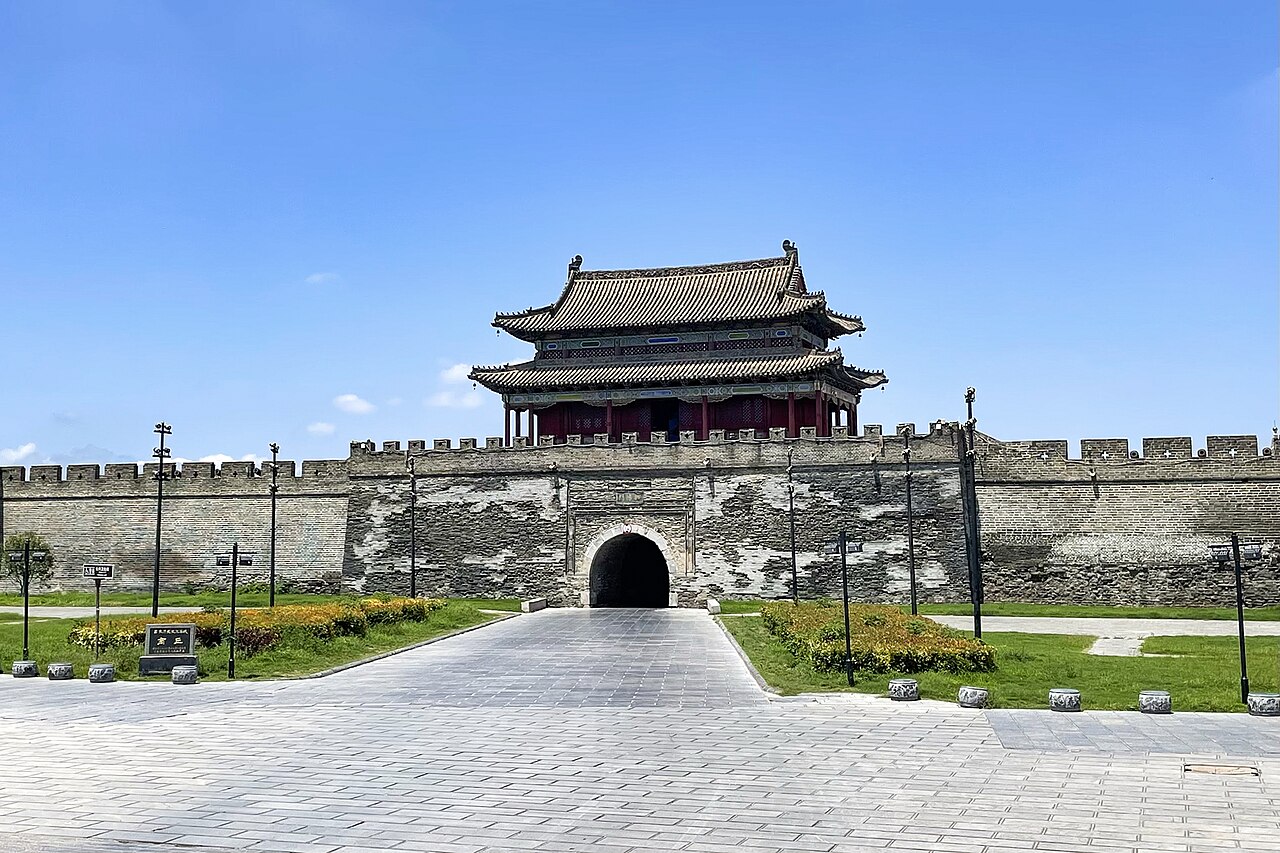
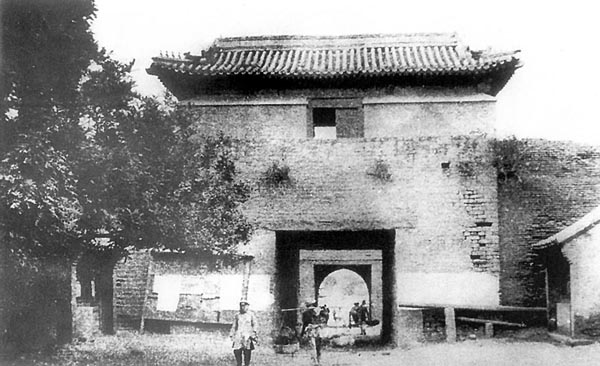
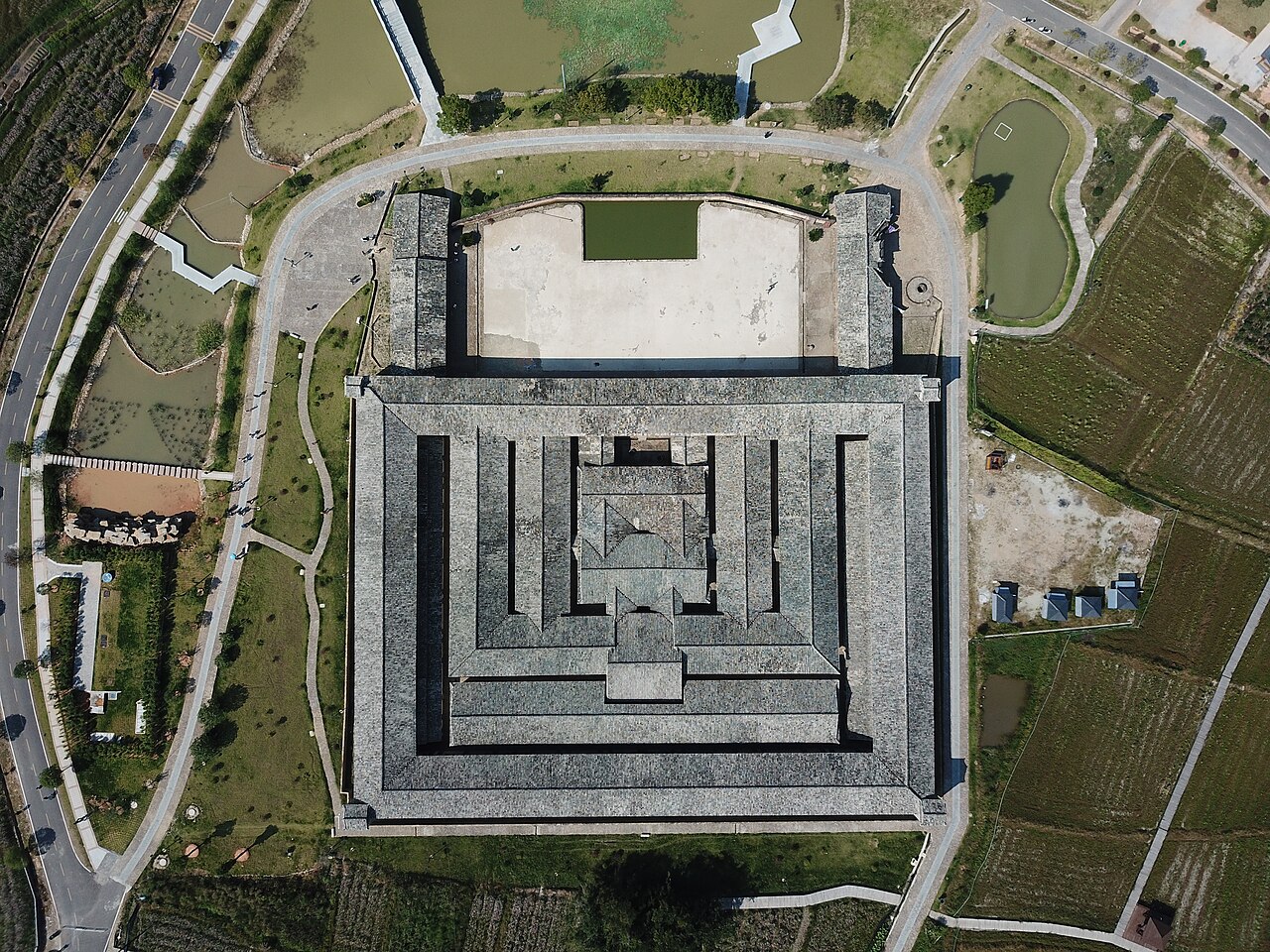
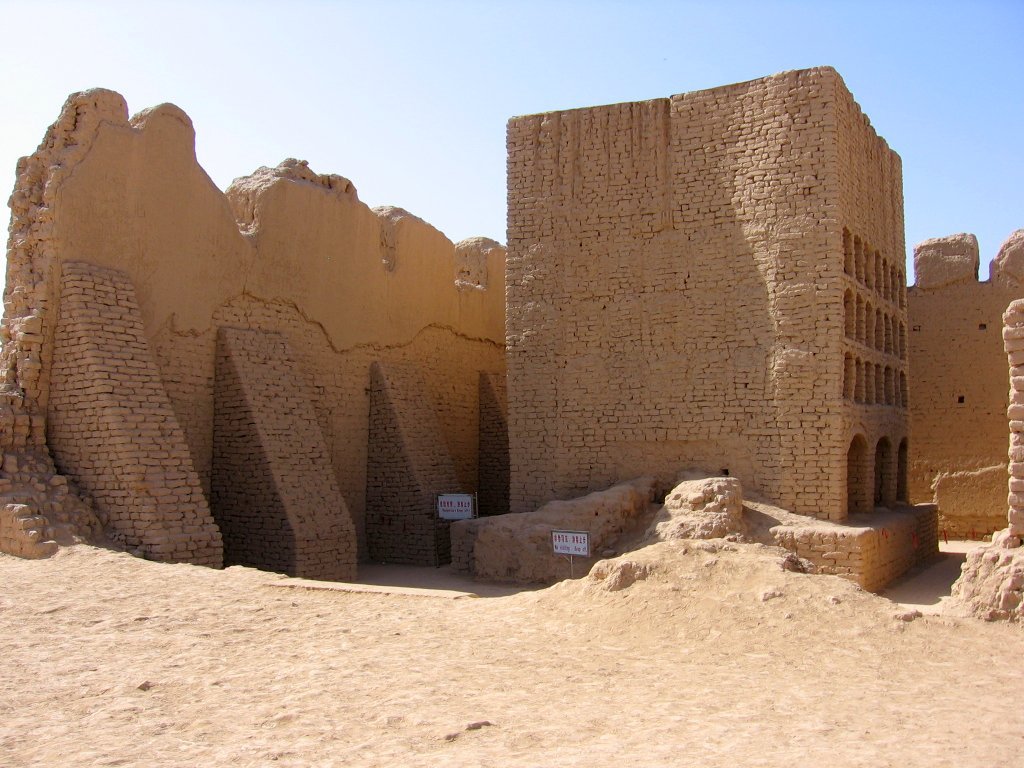
Unlike the European feudal castles, Chinese castles often functioned as fortified administrative centers or military garrisons rather than noble estates. These structures were typically enclosed by thick walls with watchtowers and served as bases for local officials or generals. Examples include the Ming dynasty fortresses in the northern frontiers, designed to control border regions.
City walls
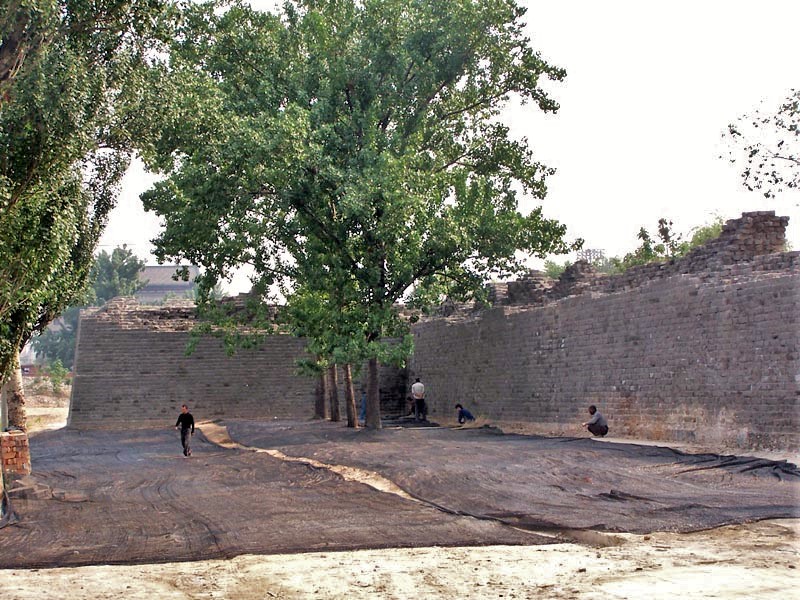
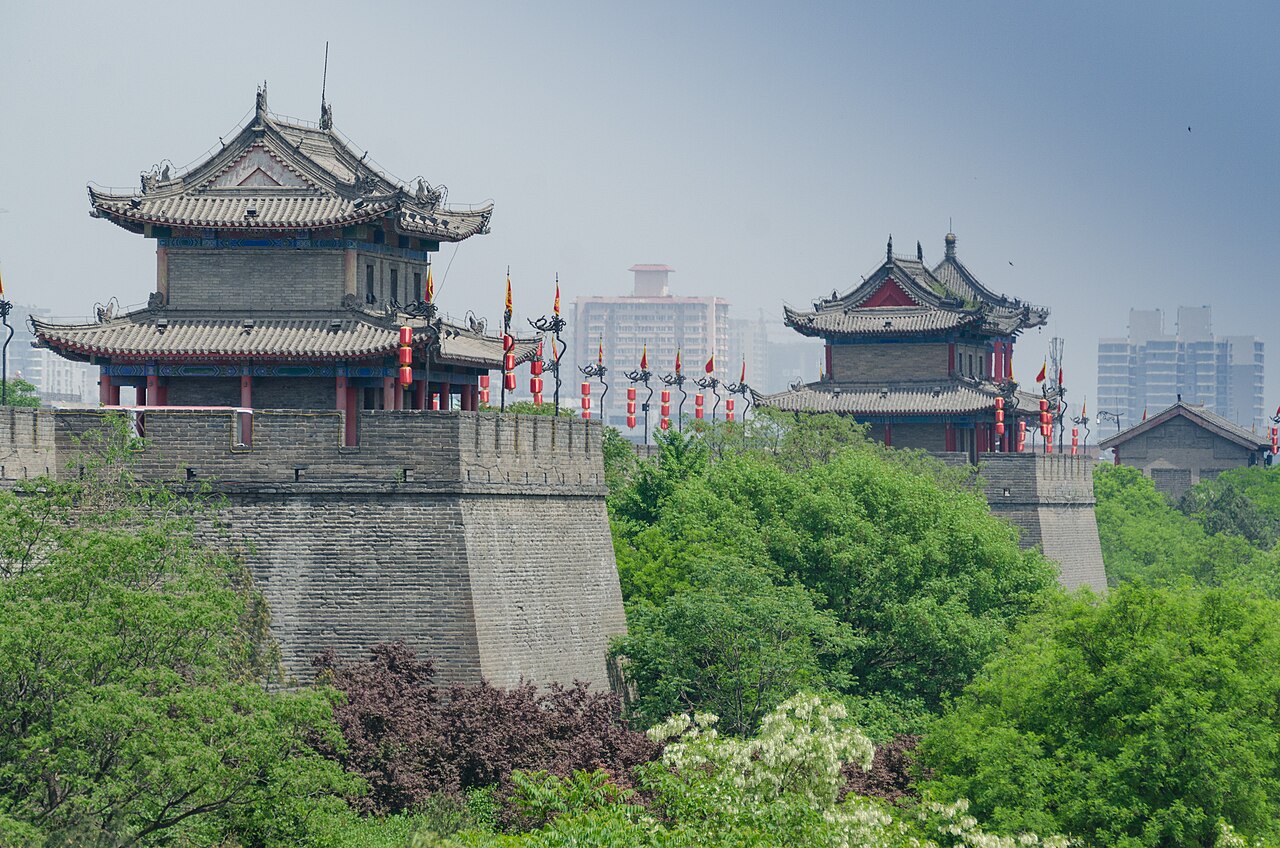
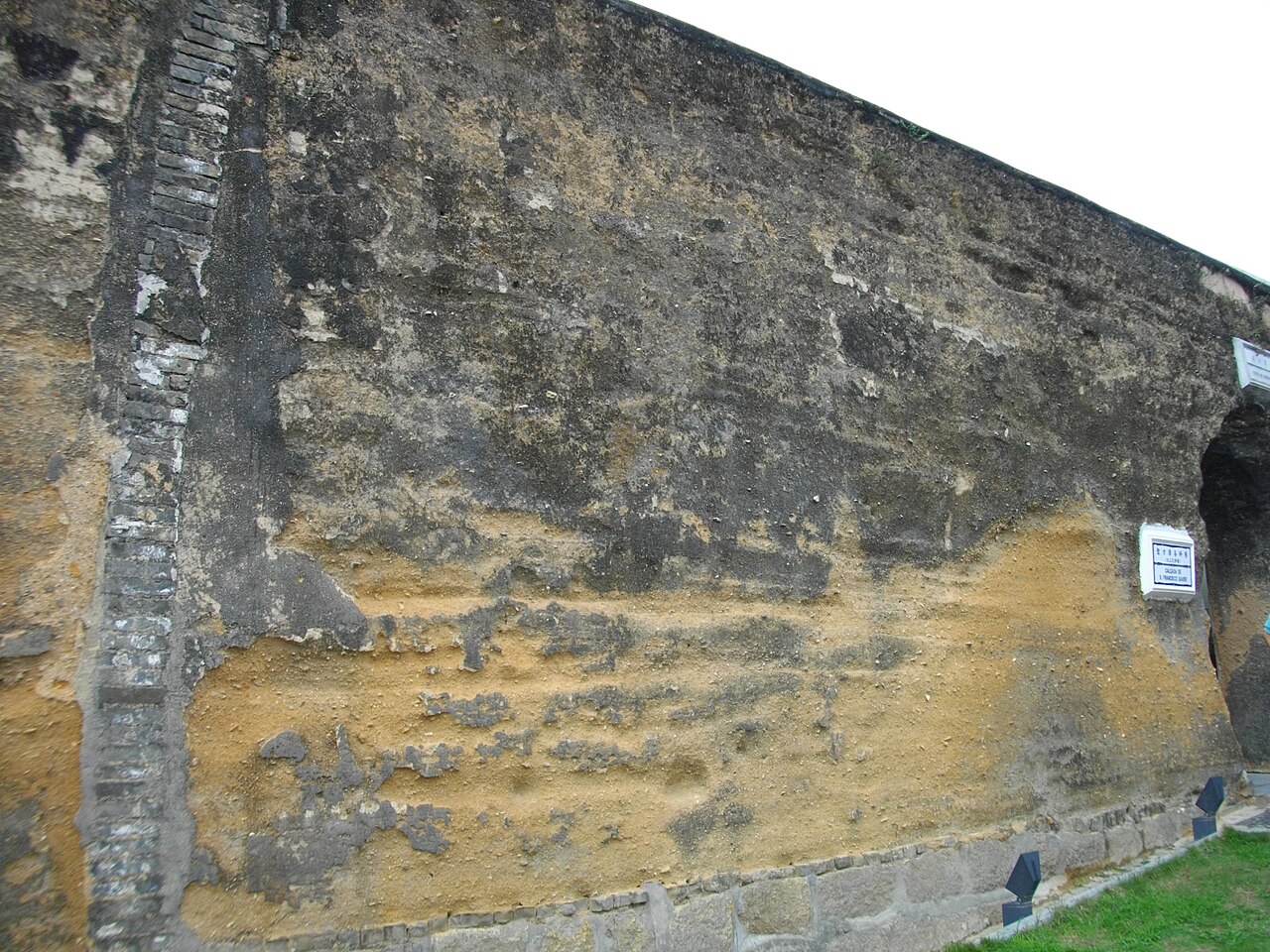
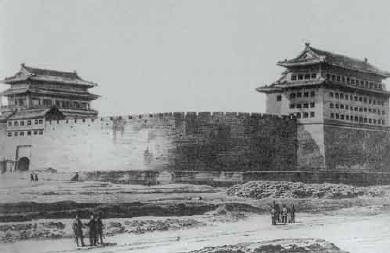
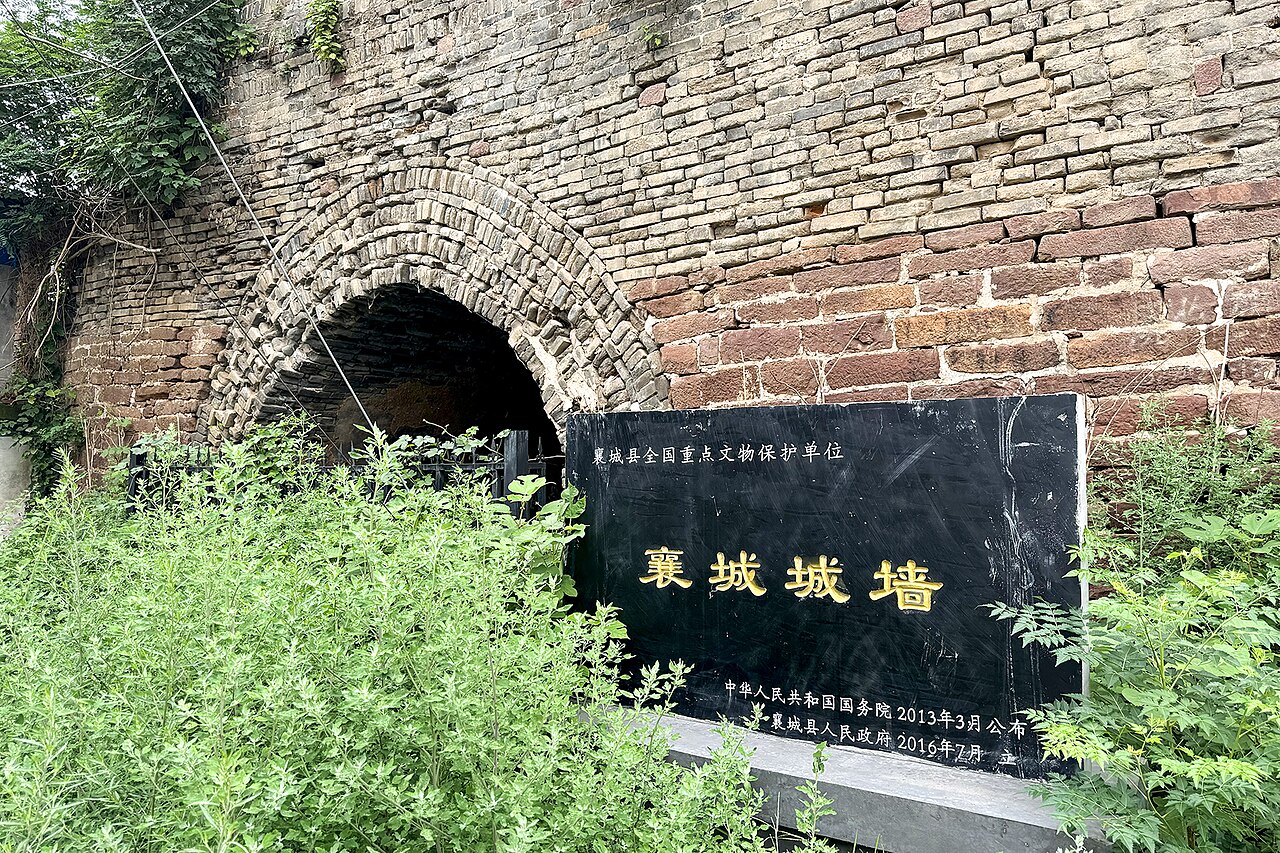
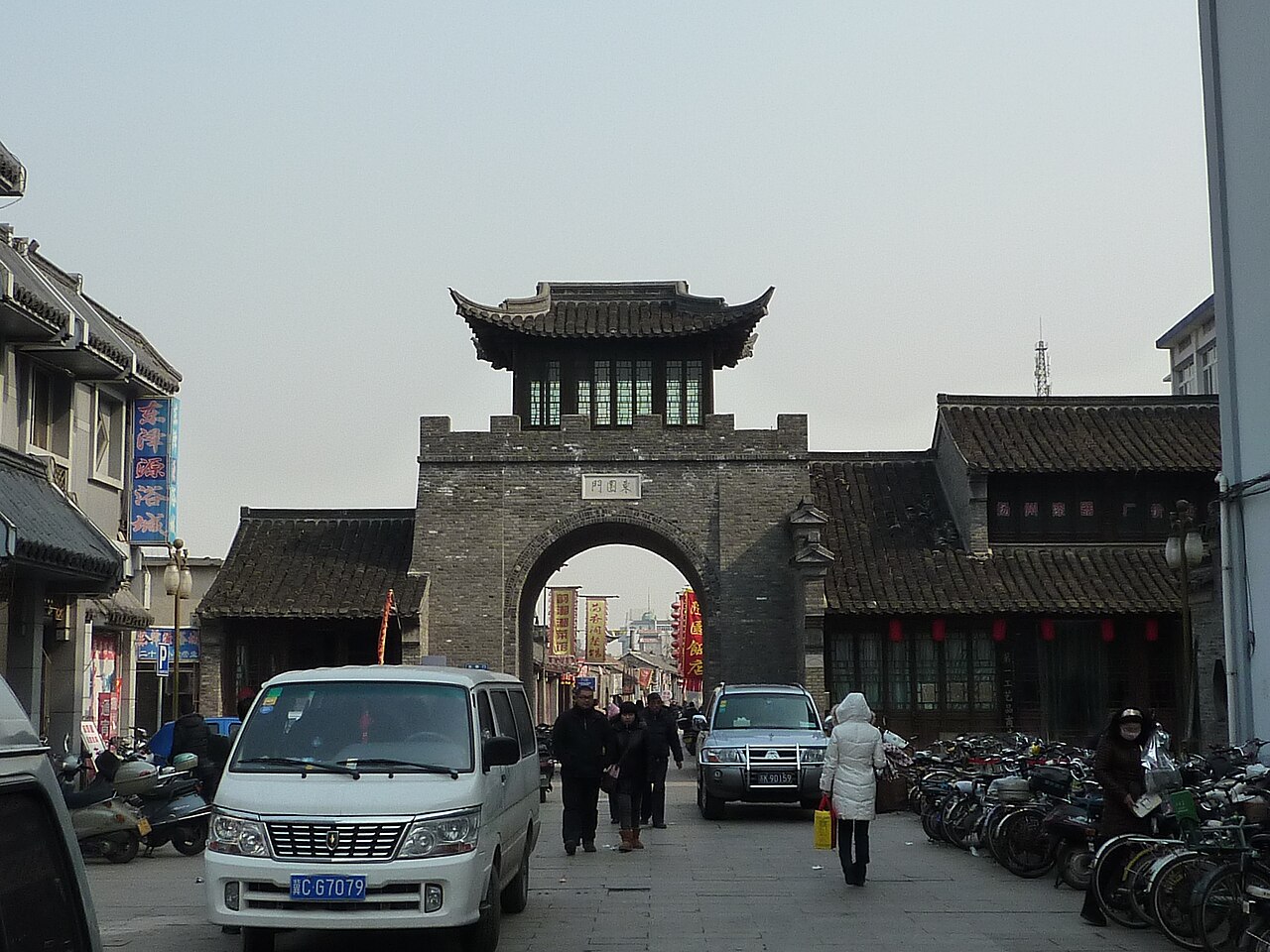
City walls form the backbone of Chinese urban defense architecture. Many ancient Chinese cities were entirely encircled by high, thick walls made from rammed earth, brick, or stone. The walls of Xi’an, the ancient capital, are among the best preserved and exemplify this tradition, combining defensive effectiveness with impressive scale and architectural detail.
Defensive walls and the Great Wall
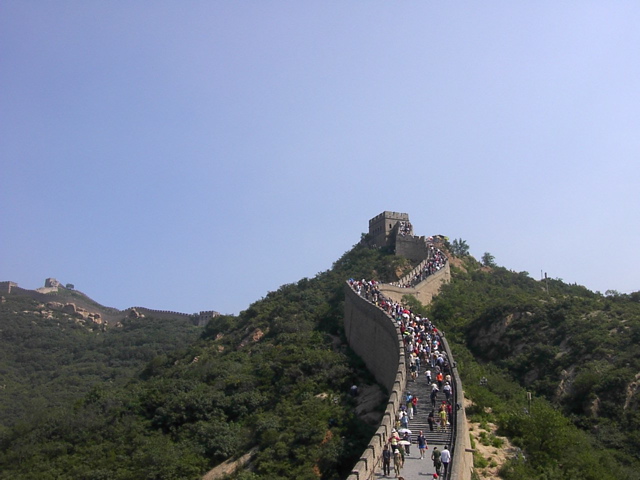
The most iconic example of Chinese fortification is undoubtedly the Great Wall. Originally constructed in segments by various states during the Warring States period (475–221 BC), it was unified and expanded under the Qin dynasty (221–206 BC) and further fortified during the Ming dynasty. The Great Wall served as a massive defensive barrier against northern nomadic tribes, featuring watchtowers, signal fires, and garrison posts along its length.
Towers and beacon towers
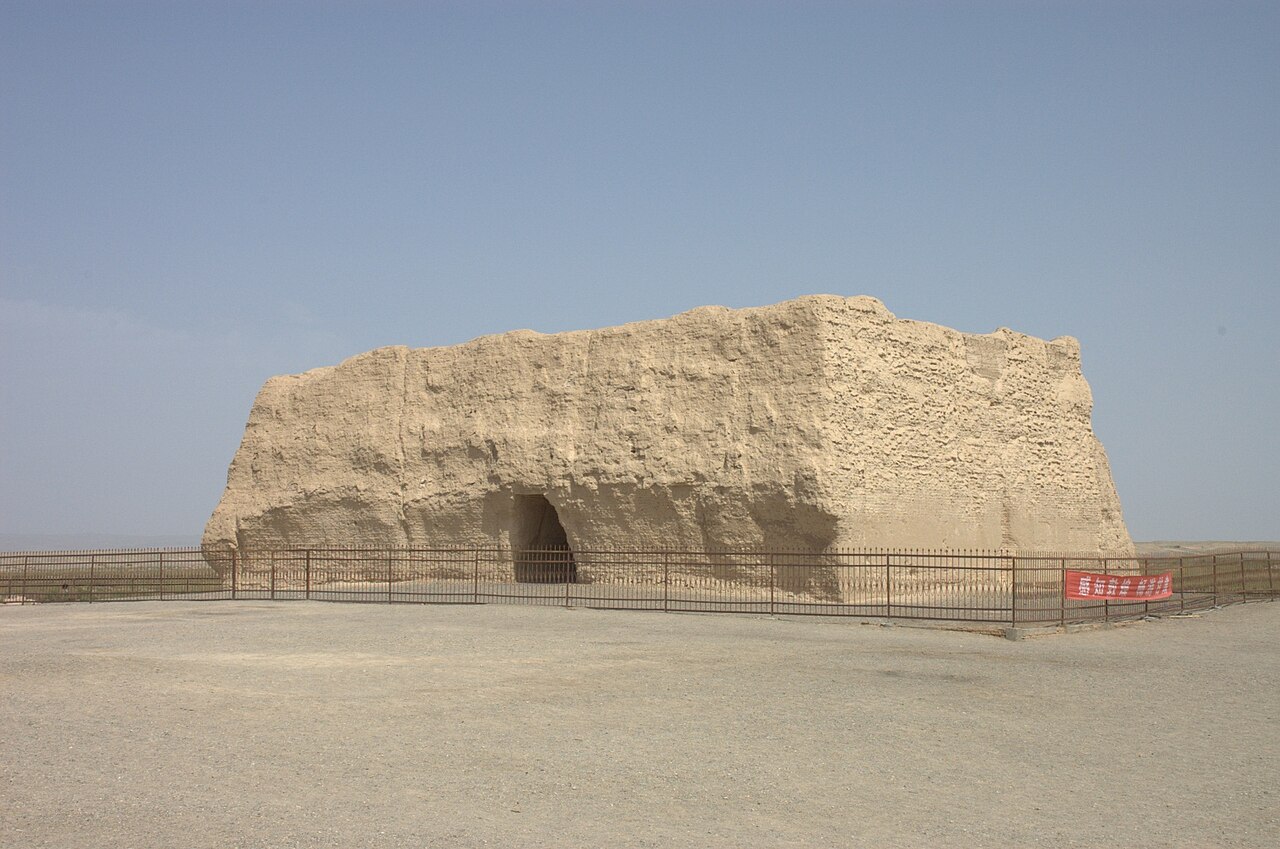
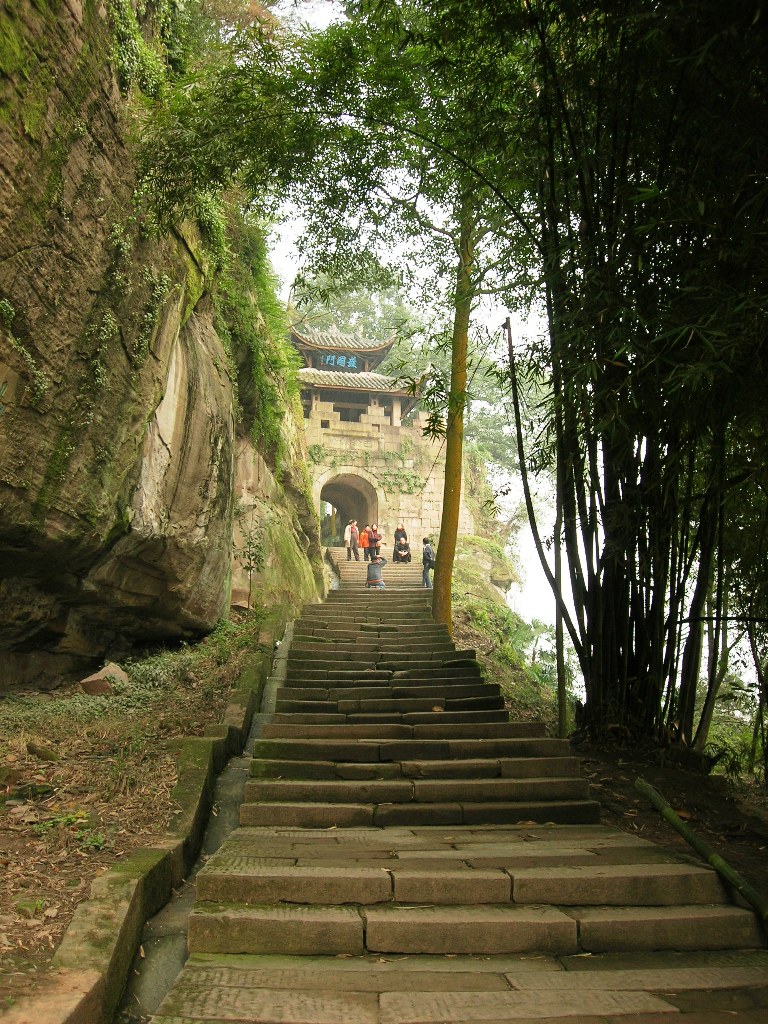
Beacon towers and watchtowers were crucial elements of the communication and early warning system in Chinese military architecture. Positioned on walls or isolated hilltops, these towers allowed defenders to relay messages rapidly over long distances using smoke or fire signals, enhancing the overall defensive capability of fortifications.
Architectural styles and influences
The architecture of Chinese fortifications reflects a blend of indigenous construction techniques and adaptations to evolving military technologies. Early fortifications relied heavily on earthworks and timber, but from the Tang dynasty onward, more durable materials like brick and stone became standard, improving resilience against siege weapons.
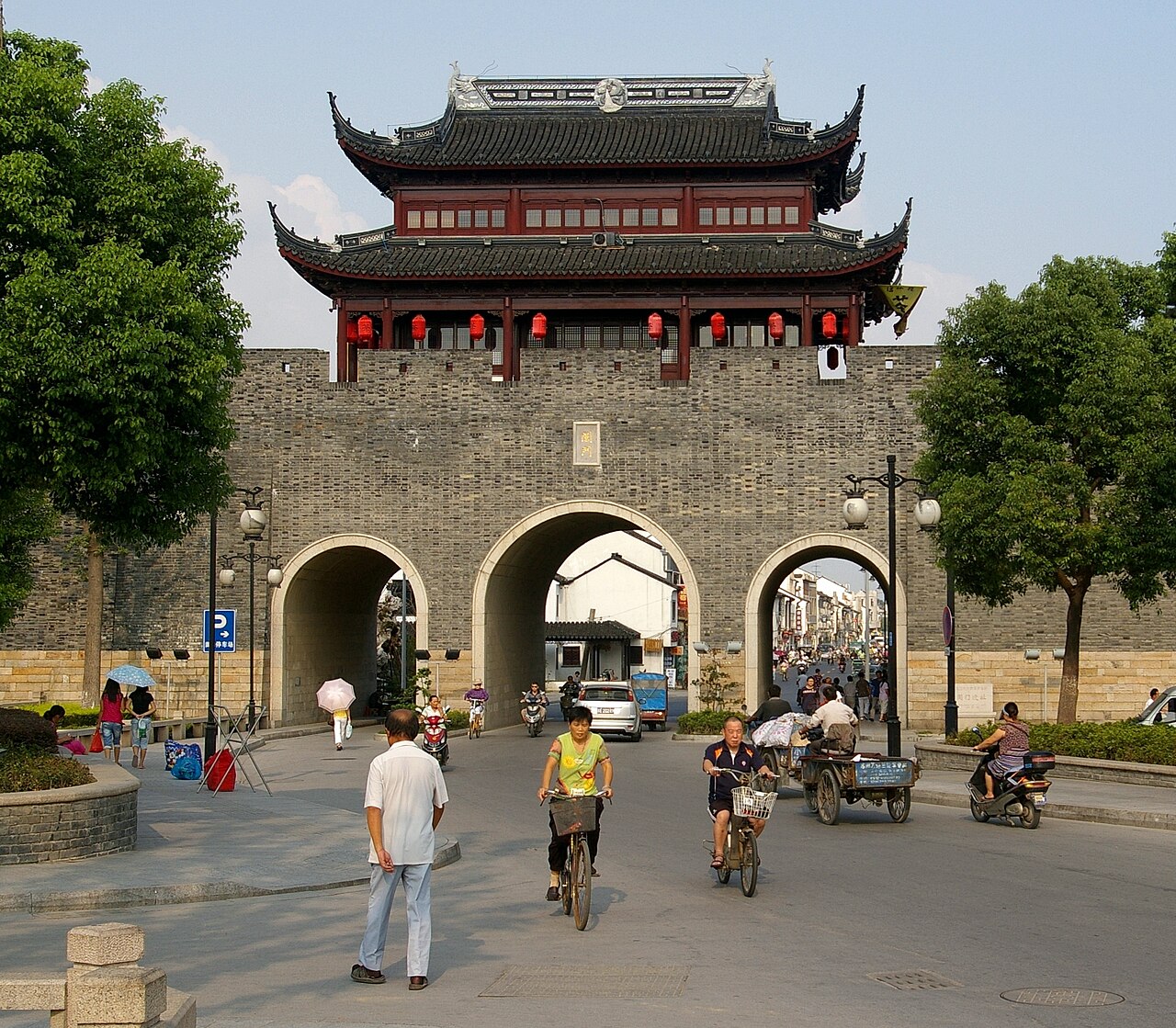
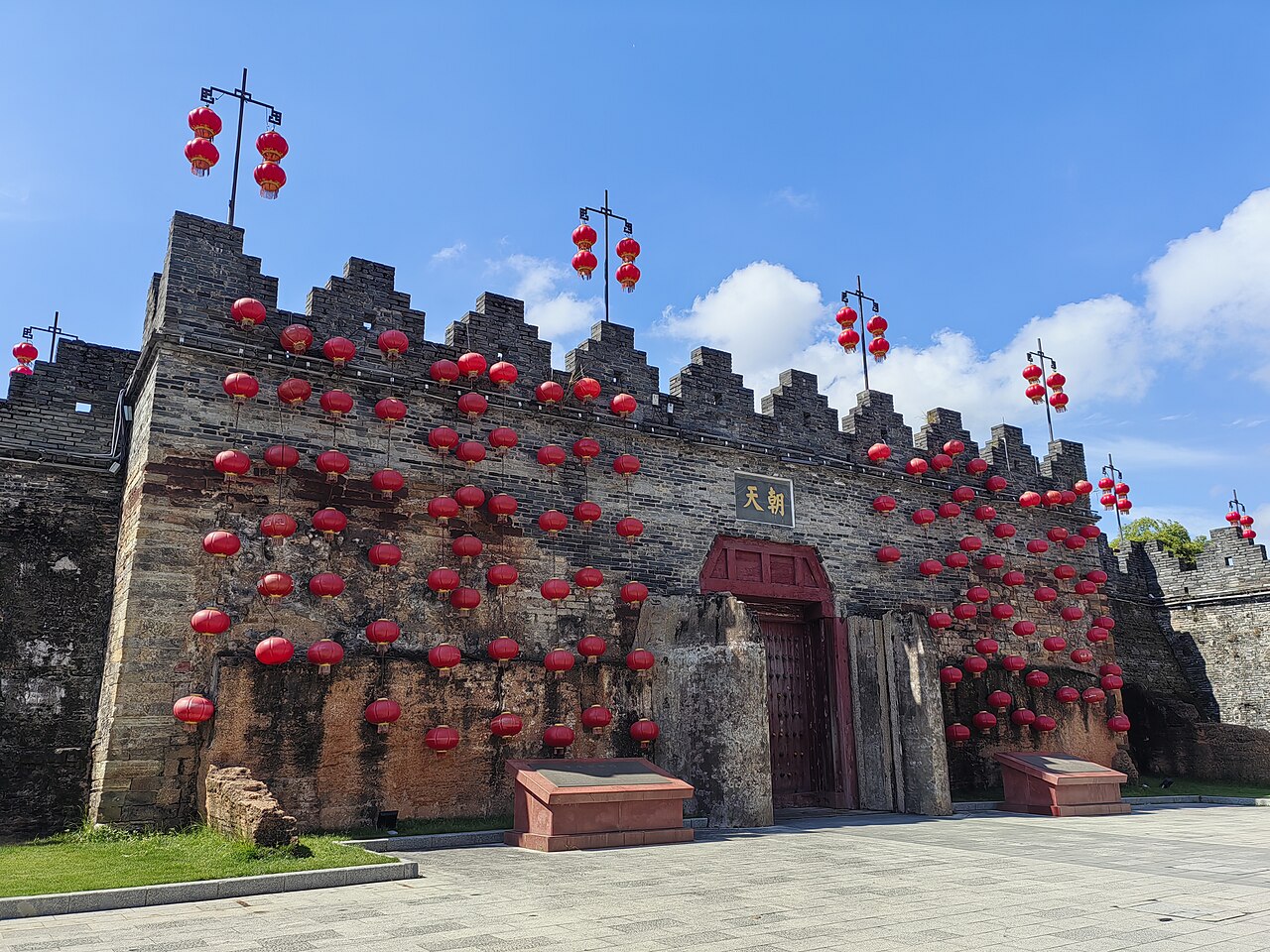
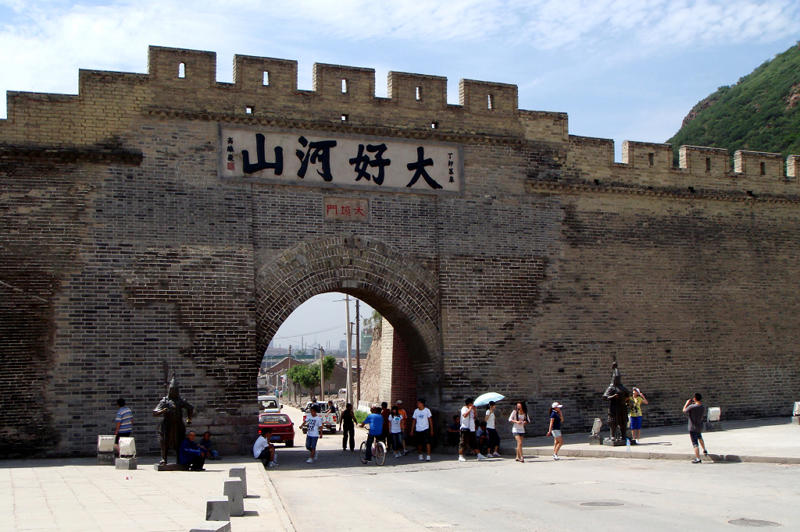
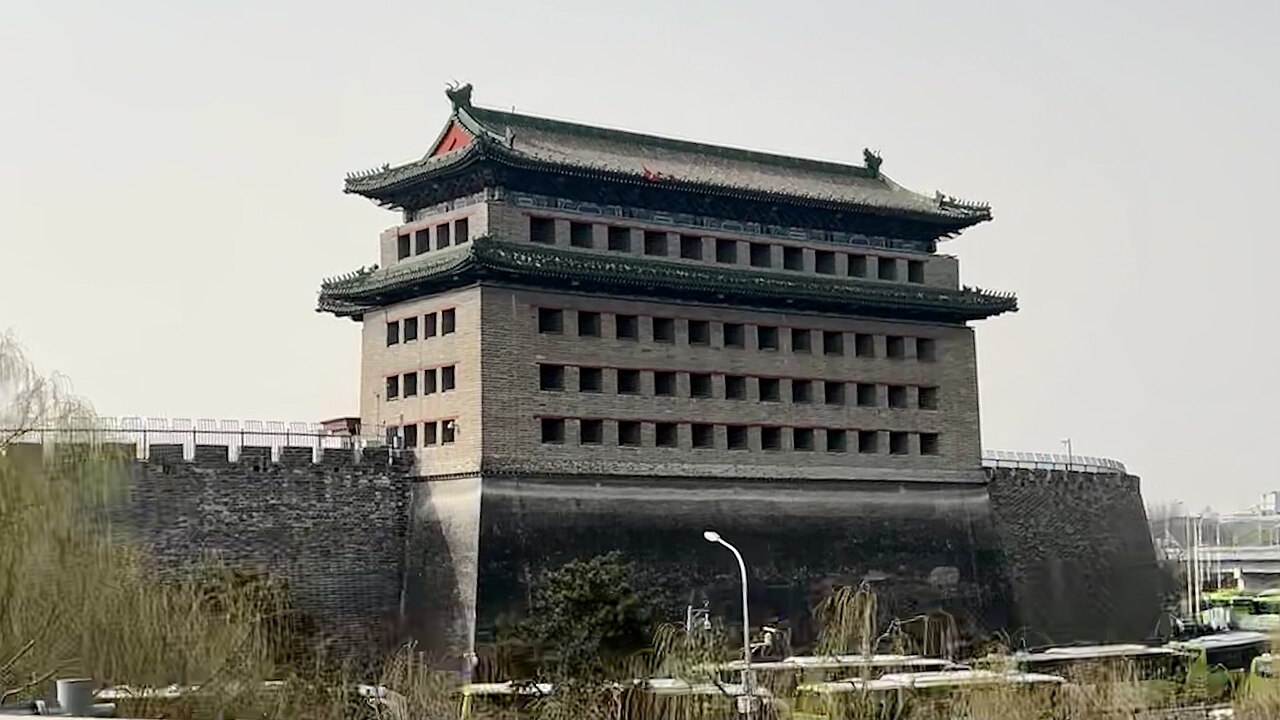
Chinese defensive architecture is characterized by its emphasis on symmetry, hierarchical spatial organization, and integration with the natural landscape. Walls were often curved or angled to deflect attacks, and gates were heavily fortified with multiple layers and barbicans. The use of crenellations, battlements, and arrow slits facilitated effective defense.
Influences from nomadic cultures and neighboring states occasionally introduced new elements, such as the circular watchtowers seen in some northern fortresses. Meanwhile, the Ming dynasty incorporated advanced features, including angled bastions and reinforced parapets, reflecting contemporary military innovations.
Regional variations in castle heritage
China’s vast territory and diverse geography produced distinct regional approaches to fortification architecture. Northern regions, exposed to frequent incursions by nomadic groups, developed robust frontier fortresses and extensive walls. In contrast, southern China’s fortifications often adapted to mountainous terrain and riverine environments.
Northern frontier fortresses
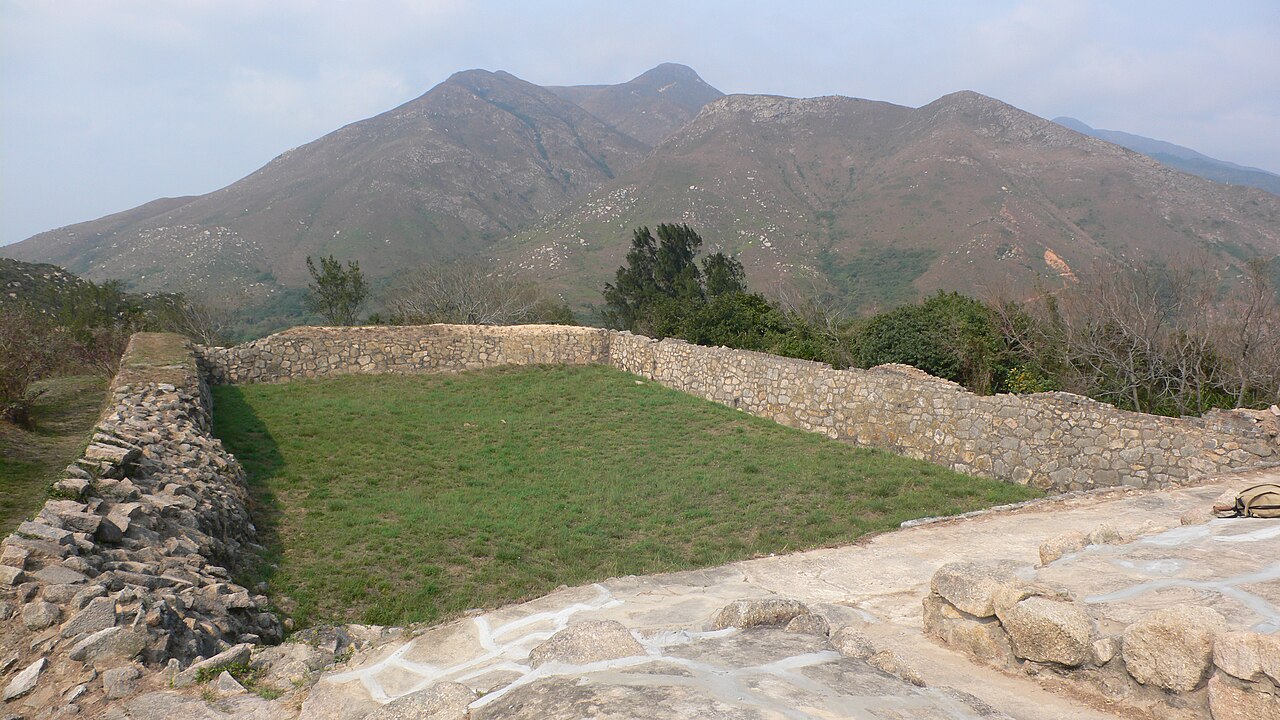
The northern frontier, especially along the Great Wall, features massive stone and brick fortresses such as the fortifications near Jiayuguan Pass. These served as key defensive outposts guarding the Silk Road and northern borders. The architecture here emphasizes endurance and firepower resistance.
Central plains and imperial city walls
Central China, the cradle of Chinese civilization, boasts some of the most famous city walls, including those of Xi’an and Nanjing. These walls exemplify grandeur and urban defense, often incorporating elaborate gate towers and multiple defensive layers to protect imperial and commercial centers.
Southern defensive structures
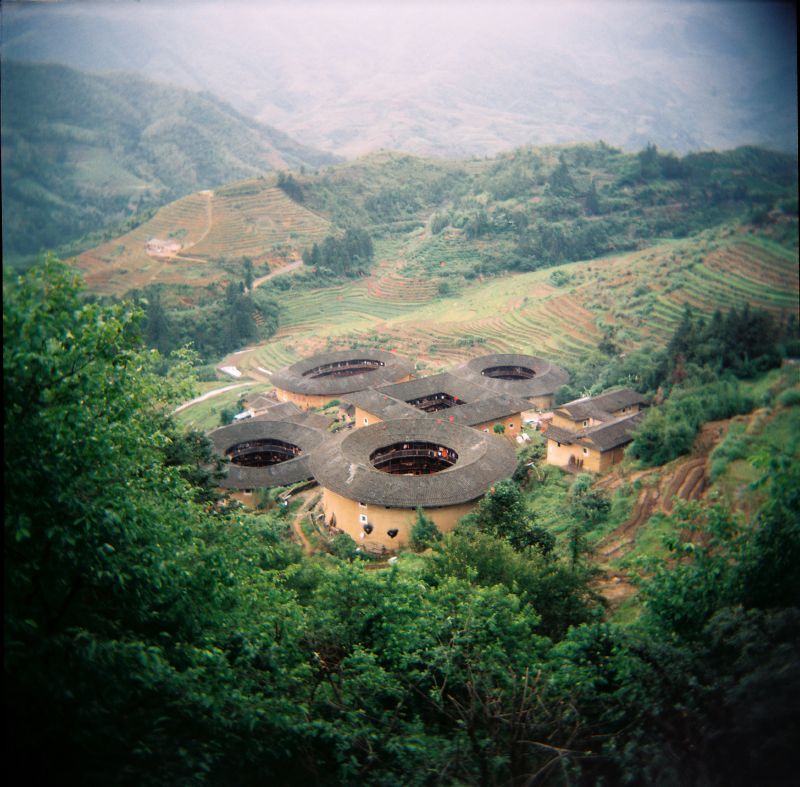
In the south, castles and fortifications like those in Fujian province adapted to hilly and riverine landscapes. The Hakka tulou—large, circular fortified communal residences—serve both defensive and residential purposes, reflecting a unique architectural response to local social and military challenges.
Notable periods of castle construction
The evolution of Chinese fortifications is closely linked to key historical periods marked by political centralization or military threat. The Qin dynasty’s unification of China initiated large-scale wall-building projects, laying the foundations for subsequent expansions.
The Ming dynasty stands out for its prolific construction and reinforcement of fortifications. Following the collapse of the Yuan, the Ming rulers prioritized securing their northern borders, resulting in the extensive rebuilding and extension of the Great Wall and the establishment of fortified cities and military outposts.
Earlier periods, such as the Tang and Song dynasties, contributed to the refinement of urban fortifications and the integration of defensive architecture within expanding cityscapes. Each era's construction efforts reveal adaptations to contemporary military technologies and strategic necessities.
Preservation and current state of Chinese fortifications
Many of China’s ancient fortifications have survived remarkably well, owing to their solid construction and ongoing cultural significance. The Xi’an city walls remain among the most complete in the world, maintained as a major heritage site. Similarly, sections of the Great Wall, especially those near Beijing and Badaling, have been carefully conserved and restored.
However, urban expansion and environmental factors pose challenges to preservation. Some fortifications have suffered damage or neglect, particularly in less accessible regions. Chinese authorities have increasingly recognized the heritage value of these sites, implementing protective measures and promoting restoration projects.
International interest and UNESCO recognition have further supported efforts to safeguard China’s castle heritage, ensuring that these testaments to historical military architecture remain accessible for future generations.
Castle tourism and accessibility in China
China’s fortifications attract millions of visitors annually, drawn by their historical significance and architectural grandeur. The Great Wall is among the most visited heritage sites globally, with popular sections equipped with visitor centers, hiking trails, and interpretive displays.
The city walls of Xi’an offer a unique experience, allowing tourists to walk or cycle along the ramparts, providing panoramic views of the ancient city. Similarly, the fortresses of Jiayuguan and other northern passes serve as key stops on cultural and historical tours of the Silk Road.
Efforts to balance tourism and preservation have led to the development of sustainable visitor management practices, ensuring that the impact on these fragile structures is minimized while enhancing public engagement and education.
Cultural significance and heritage of Chinese fortifications
Chinese castles and fortifications are more than military relics; they embody cultural values, technological achievement, and historical identity. These structures symbolize the resilience of Chinese civilization and its long-standing focus on defense, order, and statecraft.
The Great Wall, in particular, has become a powerful national symbol, representing unity and perseverance. Fortified cities like Xi’an illustrate the fusion of military, political, and cultural functions within urban design. Communal fortified residences such as the Hakka tulou reflect distinctive social structures and collective defense strategies.
Preserving these fortifications contributes to understanding China’s past and its architectural legacy. They continue to inspire scholarship, cultural pride, and tourism, reinforcing their place as integral components of China’s heritage landscape.
Castles in China
Discover 98 magnificent castles across the country

Castle Locations in China
Explore all castle locations on an interactive map
Loading castle locations...