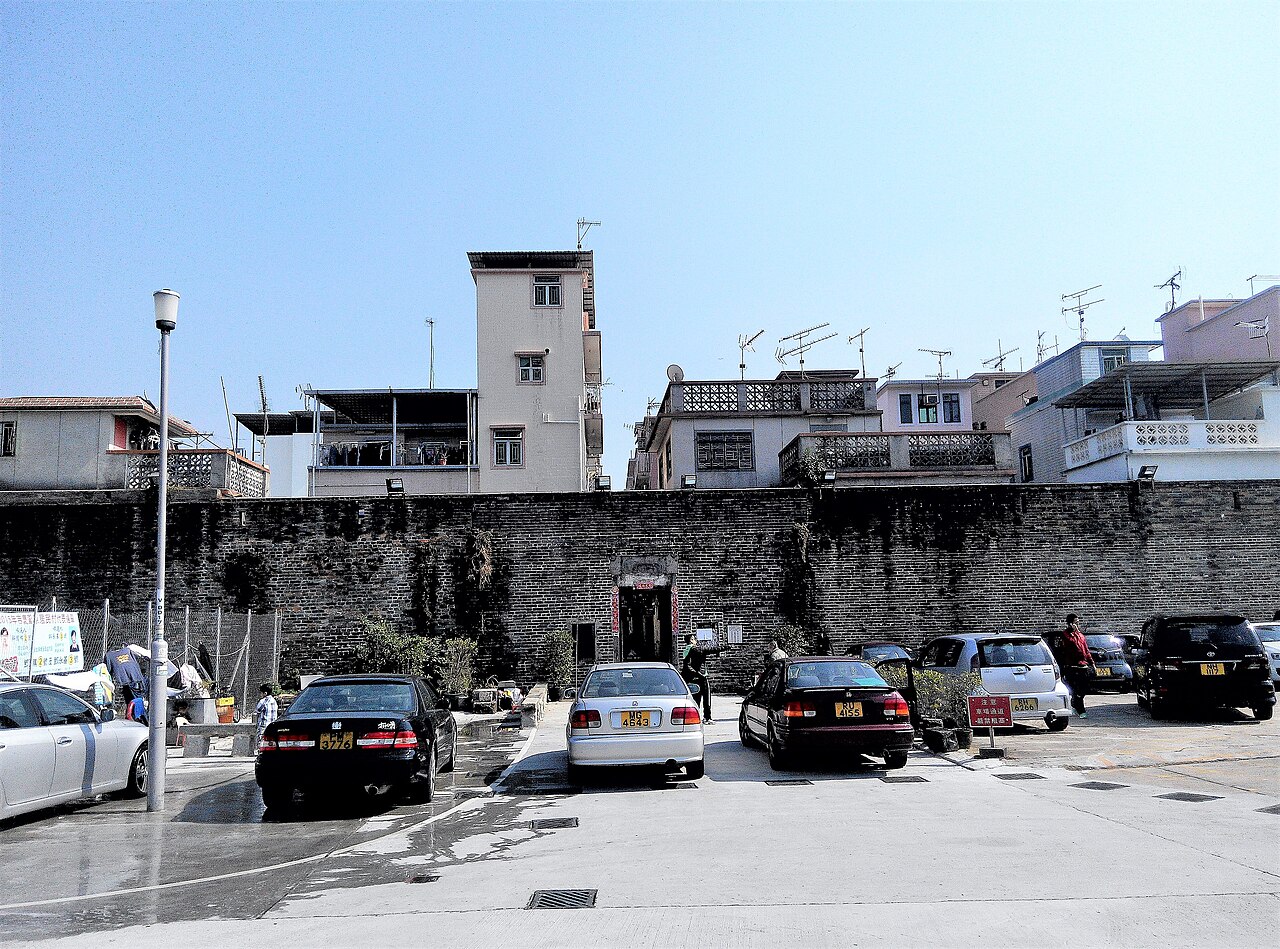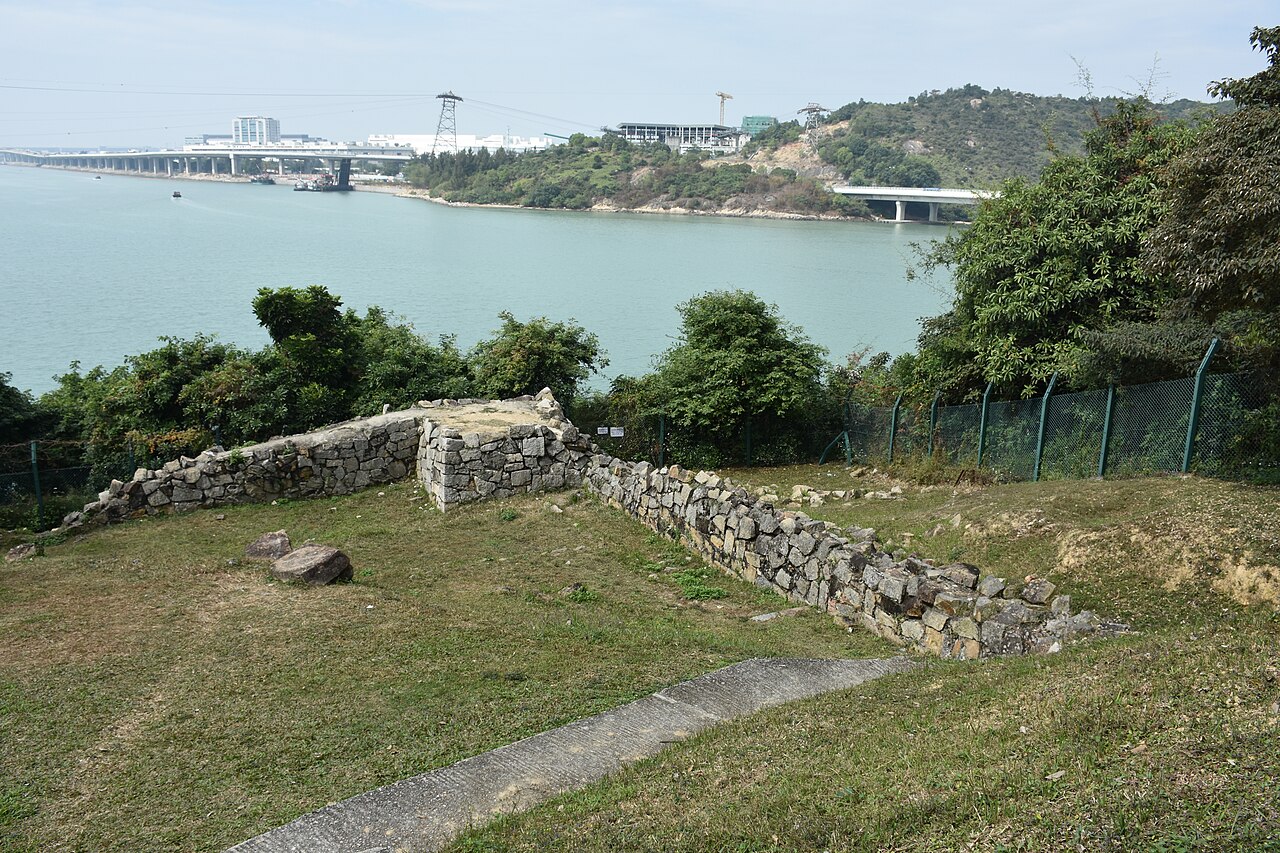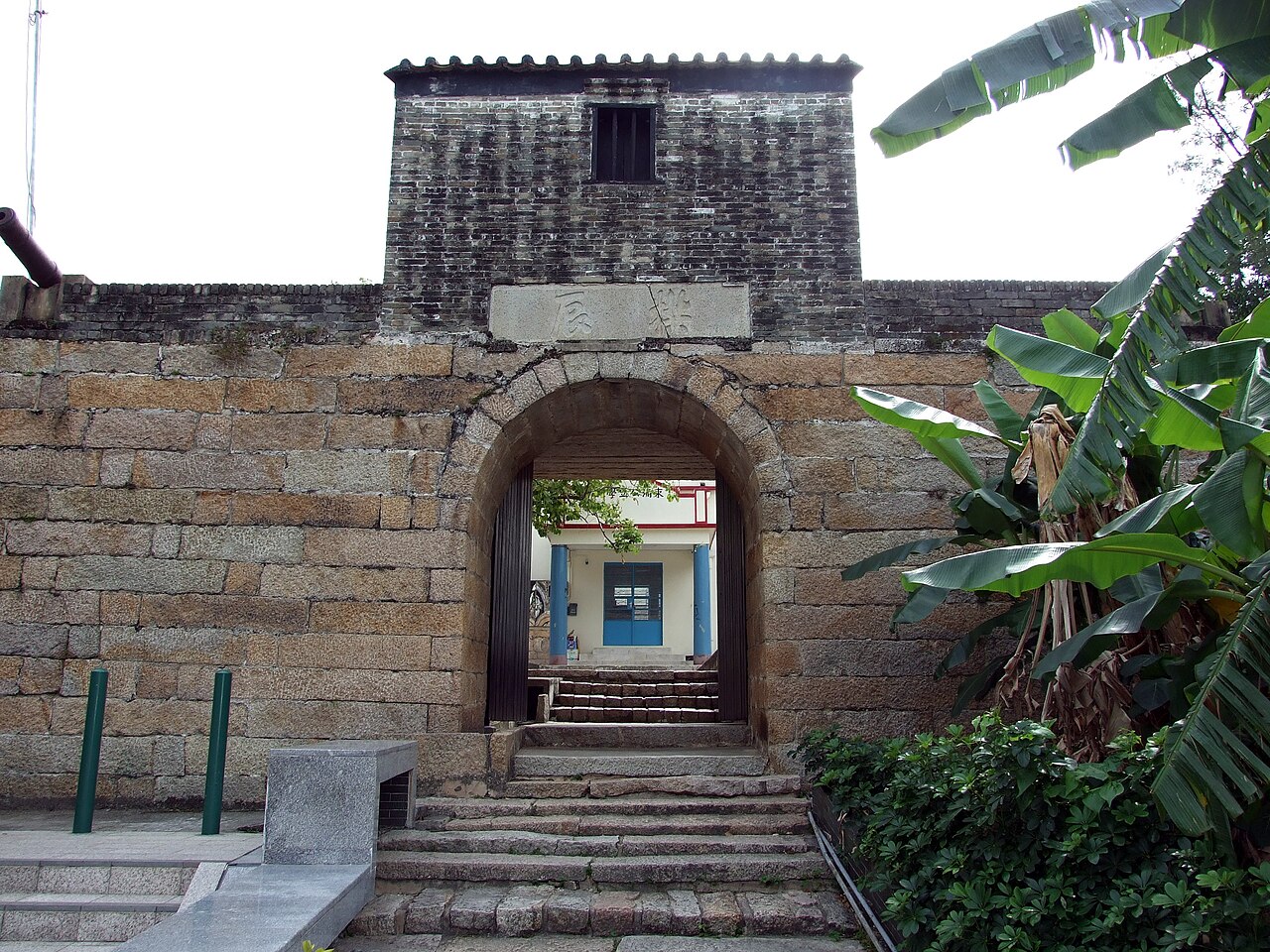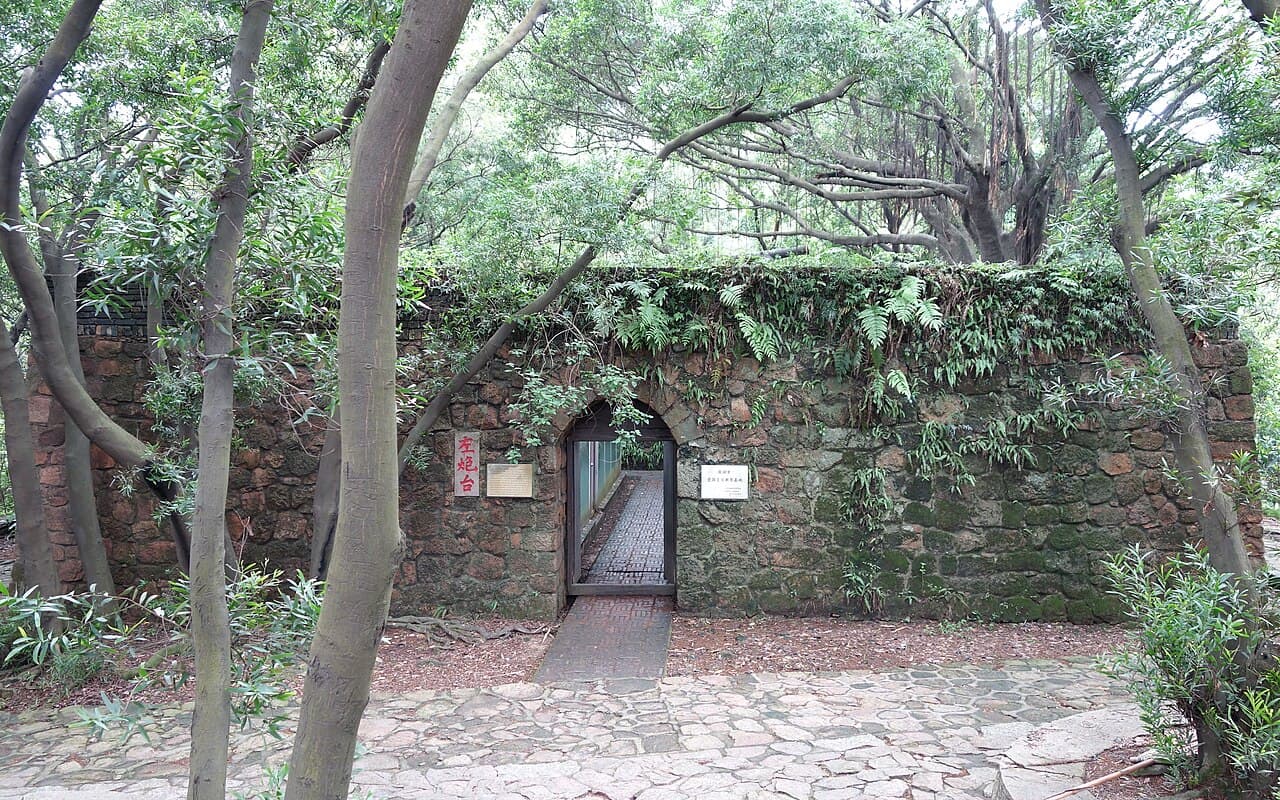
Chiwan Left Fort is a significant example of a bastioned fortress located in China, designed primarily for coastal defense. Its strategic position along the coastline enabled it to serve as a military stronghold protecting the surrounding region from naval threats. This fortification exemplifies the integration of traditional Chinese military architecture with Western bastion design principles, which were adopted to improve defense capabilities against artillery attacks.
Historical context and strategic importance
The construction of Chiwan Left Fort dates back to a period when coastal defense was critical due to increasing foreign naval incursions and piracy. The fort was part of a broader network of fortifications established to safeguard key maritime routes and ports. Its location was carefully chosen to command views of the adjacent waters, allowing early detection of enemy ships and providing a platform for artillery deployment.
Role in regional defense
Throughout its operational history, Chiwan Left Fort played a crucial role in regional military defense. The fort's bastioned design allowed defenders to cover all approaches with overlapping fields of fire, significantly enhancing its defensive effectiveness. This design was particularly important during the 19th century, when advances in artillery technology necessitated stronger, more resilient fortifications.
Architectural features and design
The fort's architecture reflects the principles of bastioned fortification, characterized by angular bastions projecting outward from the main walls. These bastions enabled defenders to fire upon attackers from multiple angles and minimized blind spots. The walls were constructed using robust materials capable of withstanding cannon fire, and the layout included ramparts, moats, and gun emplacements.
Integration of Chinese and Western military architecture
Chiwan Left Fort illustrates a fusion of traditional Chinese defensive elements with Western bastion fort design. While the underlying concept of bastioned defense originated in Europe during the Renaissance, Chinese military engineers adapted these ideas to local conditions and construction techniques. This hybrid approach is evident in the fort's structural details and spatial organization.
Preservation and current condition
Today, Chiwan Left Fort stands as a partially preserved military heritage site. Although some sections have suffered damage or degradation over time, efforts have been made to maintain and restore key features to allow public access and education. The fort serves as a tangible reminder of the region's military history and the evolution of coastal fortifications in China.
Visitor experience
Visitors to Chiwan Left Fort can explore the remaining bastions, walls, and artillery positions, gaining insight into the strategic design and historical context of the fortress. Interpretive signage and guided tours provide additional information about the fort's role in maritime defense and its architectural significance.
Significance in military architecture
Chiwan Left Fort represents an important example of bastioned fortress design in East Asia, demonstrating the adaptation of European military engineering concepts to Chinese defensive needs. Its preservation contributes to the understanding of cross-cultural influences in fortification design and the historical challenges of coastal defense.
Frequently asked questions (FAQ)
- What is Chiwan Left Fort known for?
- Chiwan Left Fort is known for its role as a bastioned fortress providing coastal defense in China, combining Chinese and Western military architectural elements.
- Can visitors explore Chiwan Left Fort?
- Yes, visitors can explore the partially preserved sections of Chiwan Left Fort, including bastions and artillery positions, often with interpretive signage or guided tours.
- When was Chiwan Left Fort built?
- The exact construction date of Chiwan Left Fort is unclear, but it was developed during a period when coastal defense was critical, likely in the 19th century.
Photo gallery

Information
Loading map...
Visitor reviews
No reviews yet. Been here? Write the first review and help other travelers!
Write the first reviewVisited this castle? Share your experience
Your review helps other travelers and adds first-hand knowledge to our encyclopedia.