Historical context and significance
The city walls in China have a long tradition, with many dating back to various dynastic periods such as the Ming and Qing dynasties. While the specific construction date of the city wall of Xiangcheng is not documented here, bastioned fortresses in China often originated or were enhanced during the late medieval period, particularly from the 14th to 17th centuries. These fortifications reflect the military engineering advances that incorporated bastions—projecting parts of the wall allowing defensive fire in multiple directions.
Architectural features
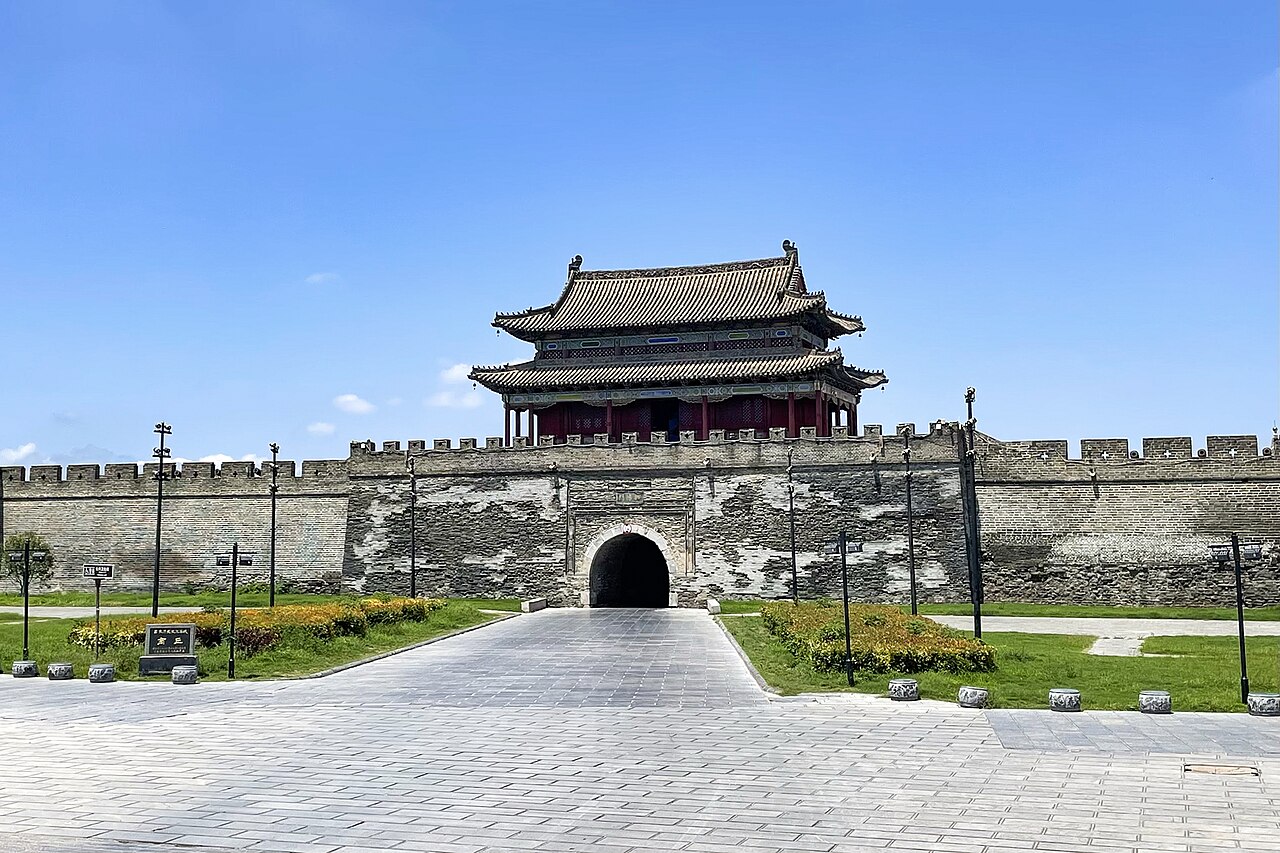
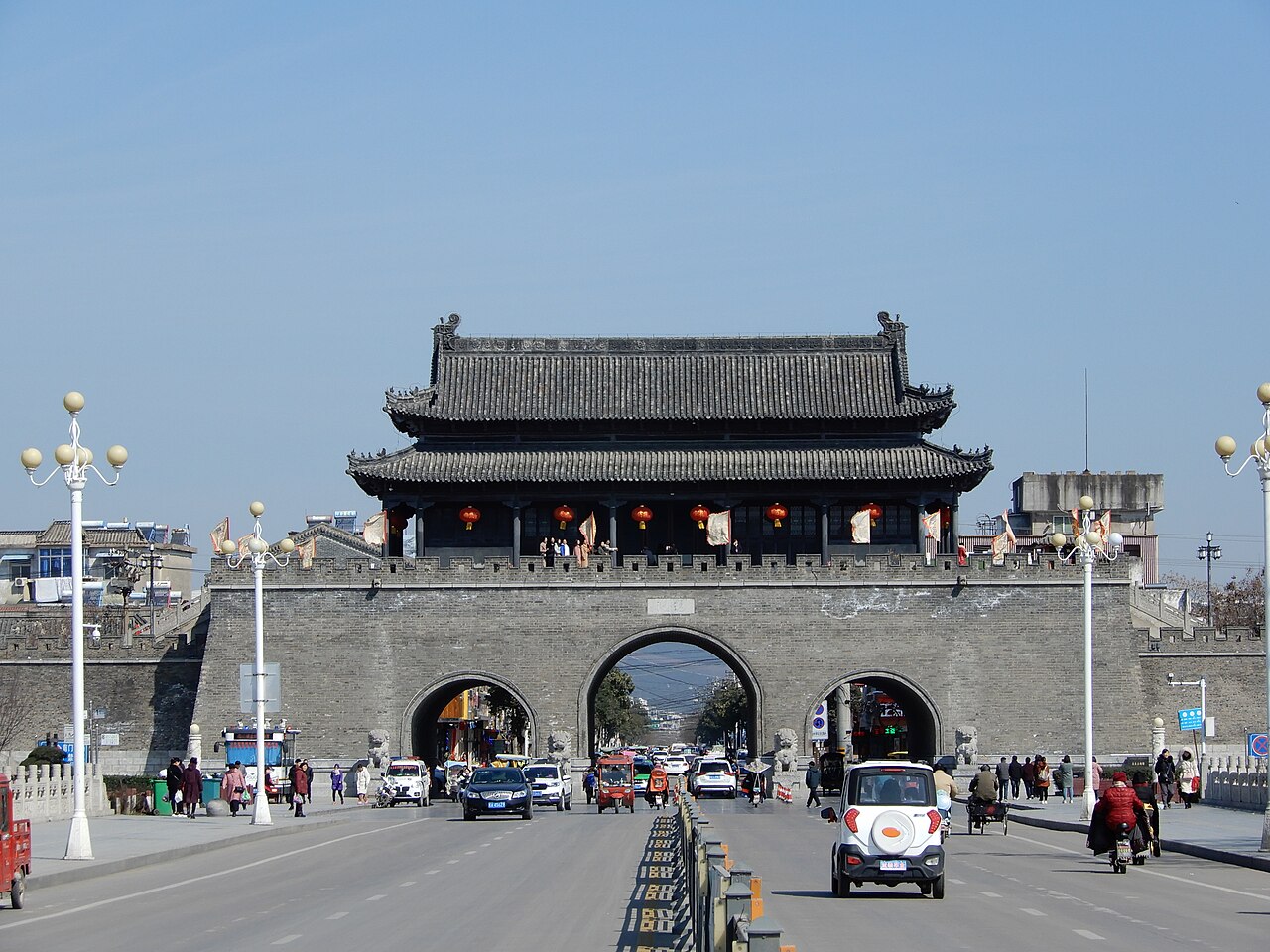
The defining characteristic of the city wall of Xiangcheng is its bastioned design. Bastions are angular structures protruding from the main curtain walls, designed to provide overlapping fields of fire and eliminate blind spots. This design was critical in resisting artillery and infantry assaults. The walls themselves were likely constructed using traditional Chinese materials such as rammed earth, bricks, and stones, forming a robust defensive perimeter.
Typical features of such city walls include watchtowers positioned at regular intervals along the wall, gatehouses serving as controlled entry points, and possibly a moat or other water defenses surrounding the base. The walls were usually several meters thick and high enough to prevent scaling by attackers.
Construction techniques and materials
Chinese city walls often employed rammed earth techniques, reinforced with bricks and stone layers for durability. This method involved compacting layers of earth between wooden frames, a practice dating back thousands of years. The city wall of Xiangcheng likely followed this tradition, incorporating local materials suited to the regional environment.
Cultural and heritage importance
As a bastioned fortress, the city wall of Xiangcheng represents a crucial part of China's historical urban defense system. Such walls are emblematic of the strategic military thinking of their time and contribute to understanding the evolution of fortification architecture in East Asia. They also serve as cultural landmarks, reflecting the socio-political conditions that necessitated such formidable defenses.
Current condition and preservation
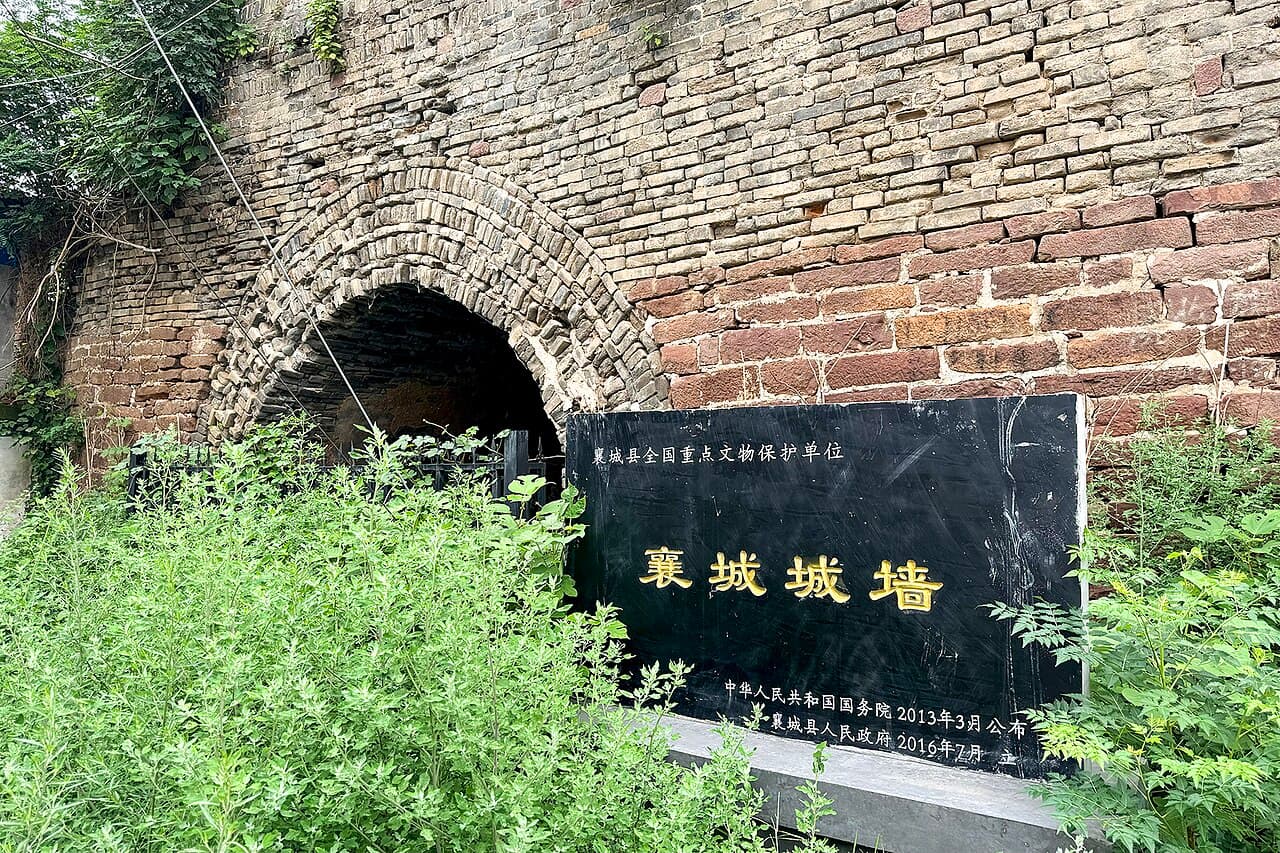
The current state of the city wall of Xiangcheng is not explicitly detailed here. However, many ancient city walls in China have undergone varying degrees of preservation, restoration, or remain as ruins. The classification as a bastioned fortress suggests that some structural elements of the bastions and walls may still be discernible, offering valuable insights for historians and visitors alike.
Visiting information and accessibility
Specific visiting hours, ticket prices, and accessibility details for the city wall of Xiangcheng are not provided. Typically, such historical sites in China are accessible to the public, often integrated within urban parks or heritage zones. Visitors interested in Chinese military architecture and ancient urban defenses would find exploring this site informative.
Frequently asked questions (FAQ)
- What is the historical significance of the city wall of Xiangcheng?
- The city wall of Xiangcheng is an example of ancient Chinese military architecture, reflecting strategic urban defense methods used in the late medieval period.
- What architectural features define a bastioned fortress like the city wall of Xiangcheng?
- Bastioned fortresses feature angular bastions protruding from curtain walls, allowing defenders to cover multiple angles and protect against attacks effectively.
- Are visitors allowed to explore the city wall of Xiangcheng?
- While specific visitor information is not available, many ancient city walls in China are accessible to the public, often within heritage or park areas.
Photo gallery

Information
Loading map...
Visitor reviews
No reviews yet. Been here? Write the first review and help other travelers!
Write the first reviewVisited this castle? Share your experience
Your review helps other travelers and adds first-hand knowledge to our encyclopedia.