City Walls of Zhaoqing
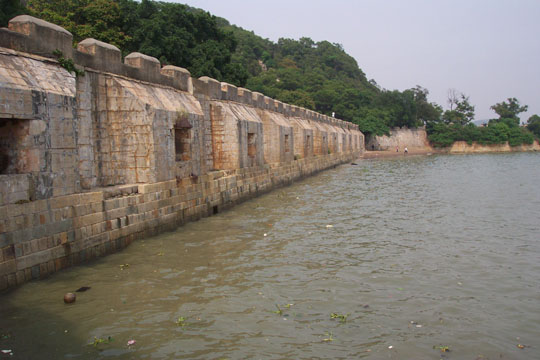
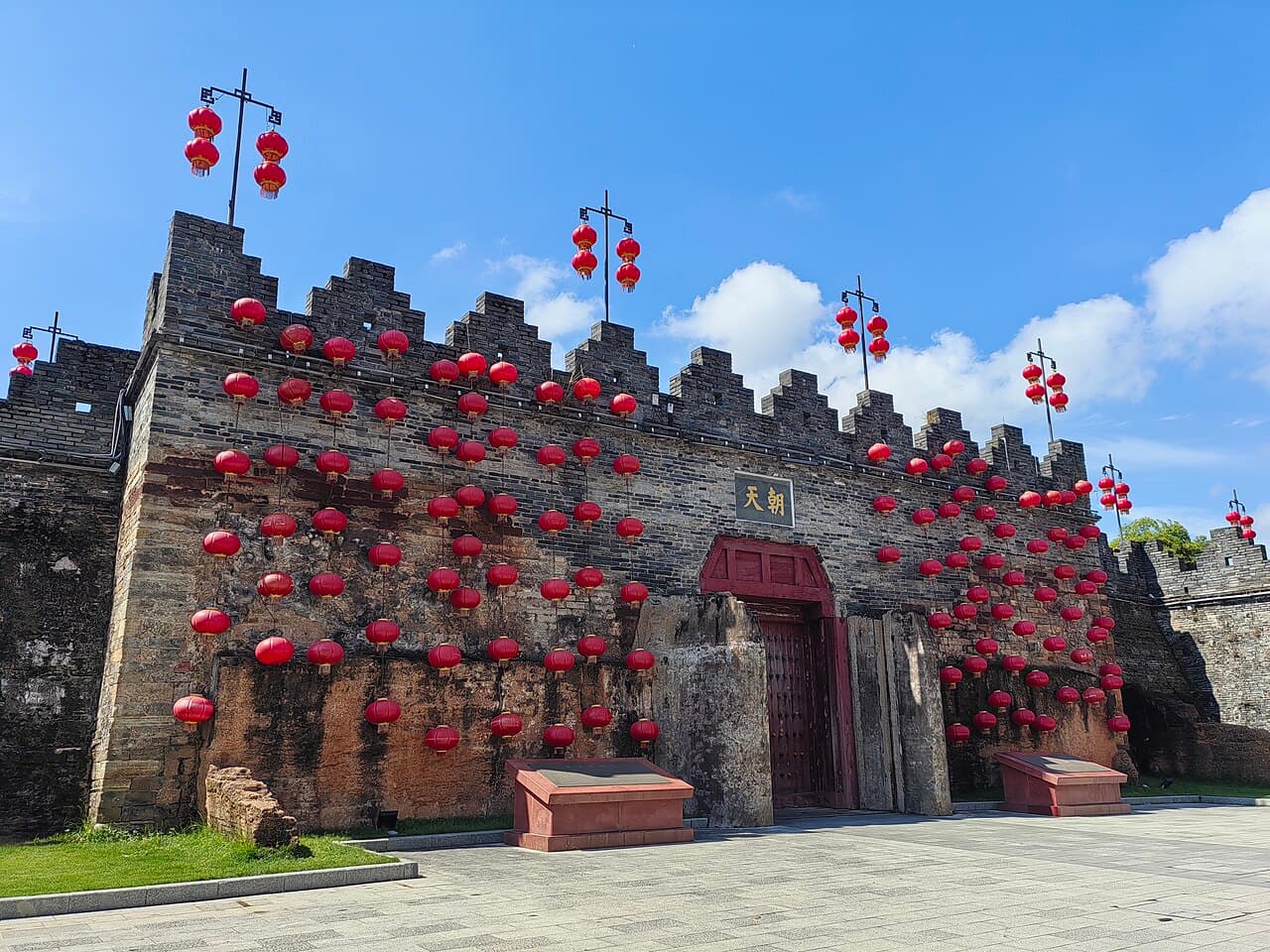
The city walls of Zhaoqing represent a significant example of ancient Chinese military architecture, serving as a bastioned fortress designed to protect the city from invasions and attacks. These walls are part of a comprehensive defensive system that reflects the strategic importance of Zhaoqing throughout Chinese history. The fortifications include thick stone walls, bastions, and gates that were constructed to withstand sieges and to control access to the city.
Historical background and significance
Zhaoqing, located in the Guangdong province of southern China, has been a critical military and administrative center for centuries. The construction of the city walls dates back to the Ming dynasty (1368–1644), a period marked by extensive fortification efforts across China to defend against both internal rebellions and external threats such as pirates and invading armies.
The walls were built to enclose the city, providing a secure perimeter that allowed the inhabitants to thrive while maintaining control over the surrounding region. The strategic placement of the walls along natural geographic features enhanced their defensive capabilities, integrating the city’s terrain into the overall military design.
Architectural features and construction
Bastioned fortress design
The city walls of Zhaoqing exemplify the bastioned fortress style, characterized by angular bastions projecting from the main curtain walls. These bastions allowed defenders to cover adjacent wall sections with crossfire, eliminating blind spots and enhancing the city’s defense against attackers.
Materials and techniques
The walls were constructed primarily from locally sourced stone and bricks, bonded with traditional mortar techniques. The thickness of the walls varies but is generally substantial enough to resist artillery bombardment of the period. The battlements atop the walls provided protection for archers and soldiers stationed along the ramparts.
Gates and watchtowers
Several gates punctuate the walls, serving as controlled entry points into the city. These gates were fortified with heavy wooden doors reinforced with iron, and often featured gatehouses and watchtowers for surveillance and defense. The watchtowers offered elevated vantage points to monitor approaching threats and coordinate defensive responses.
Military and cultural importance
The fortifications of Zhaoqing played a crucial role in the city’s defense during various conflicts, including regional skirmishes and larger military campaigns. The walls not only provided physical security but also symbolized the city’s strength and resilience.
Today, the city walls stand as a cultural heritage site, reflecting the ingenuity of ancient Chinese military engineering and the historical significance of Zhaoqing as a fortified urban center. Preservation efforts aim to maintain the structural integrity of the walls while allowing visitors to appreciate their historical context.
Visiting the city walls of zhaoqing
Visitors to Zhaoqing can explore sections of the city walls that remain well-preserved, gaining insight into the architectural and military techniques of the Ming dynasty. The site offers opportunities for walking tours along the ramparts, with views of the surrounding city and landscape.
Interpretive signage and guided tours provide historical context, enhancing the educational experience. The walls are accessible year-round, with the best times to visit being spring and autumn when the weather is mild.
Related heritage and nearby attractions
Zhaoqing is also known for its scenic natural surroundings, including the famous Seven Star Crags and Dinghu Mountain. These landmarks complement a visit to the city walls by offering a broader understanding of the region’s cultural and natural heritage.
The combination of historic fortifications and natural beauty makes Zhaoqing a compelling destination for those interested in history, architecture, and outdoor exploration.
Frequently asked questions (FAQ)
- When were the city walls of Zhaoqing built?
- The city walls of Zhaoqing were constructed during the Ming dynasty, which lasted from 1368 to 1644. This period saw extensive fortification efforts across China.
- What architectural style characterizes the city walls of Zhaoqing?
- The walls are designed as a bastioned fortress, featuring angular bastions projecting from the main walls to provide defensive crossfire and eliminate blind spots.
- Can visitors walk along the city walls?
- Yes, sections of the city walls are partially preserved and accessible for visitors to explore. Walking tours are available to experience the ramparts and learn about their history.
- What materials were used to build the city walls?
- The walls were constructed primarily from locally sourced stone and bricks, bonded with traditional mortar techniques to ensure durability and resistance to attacks.
- Are there any notable nearby attractions to visit along with the city walls?
- Nearby attractions include the Seven Star Crags and Dinghu Mountain, which offer scenic natural beauty and complement the historical experience of the city walls.
Photo gallery

Information
Loading map...
Visitor reviews
No reviews yet. Been here? Write the first review and help other travelers!
Write the first reviewVisited this castle? Share your experience
Your review helps other travelers and adds first-hand knowledge to our encyclopedia.