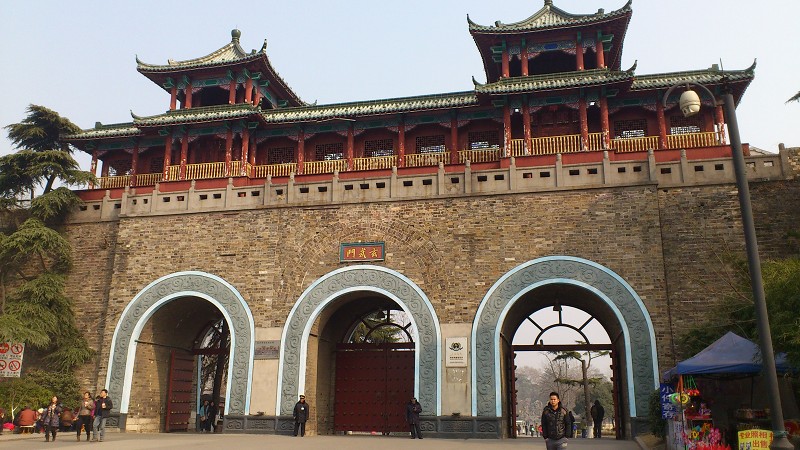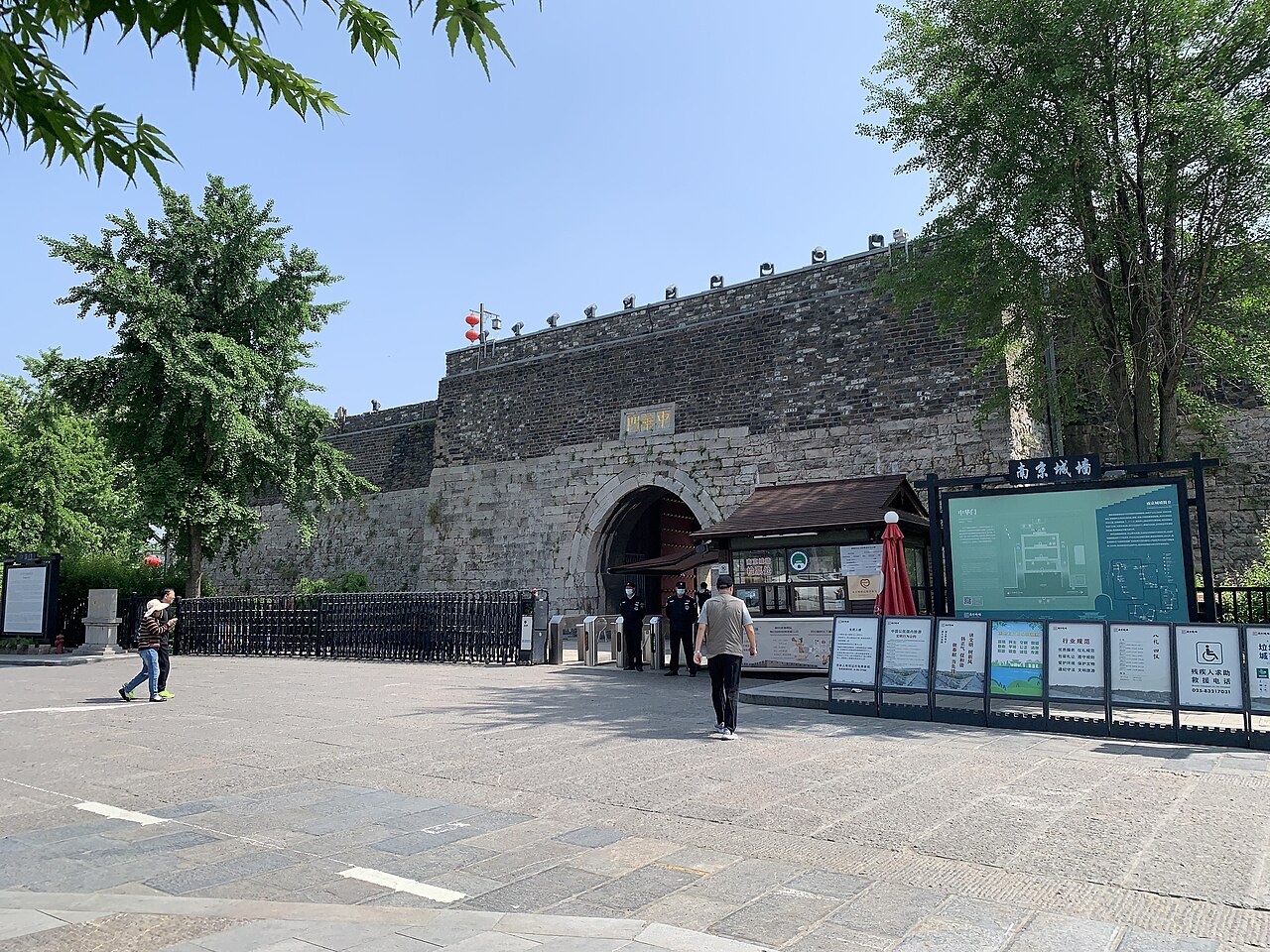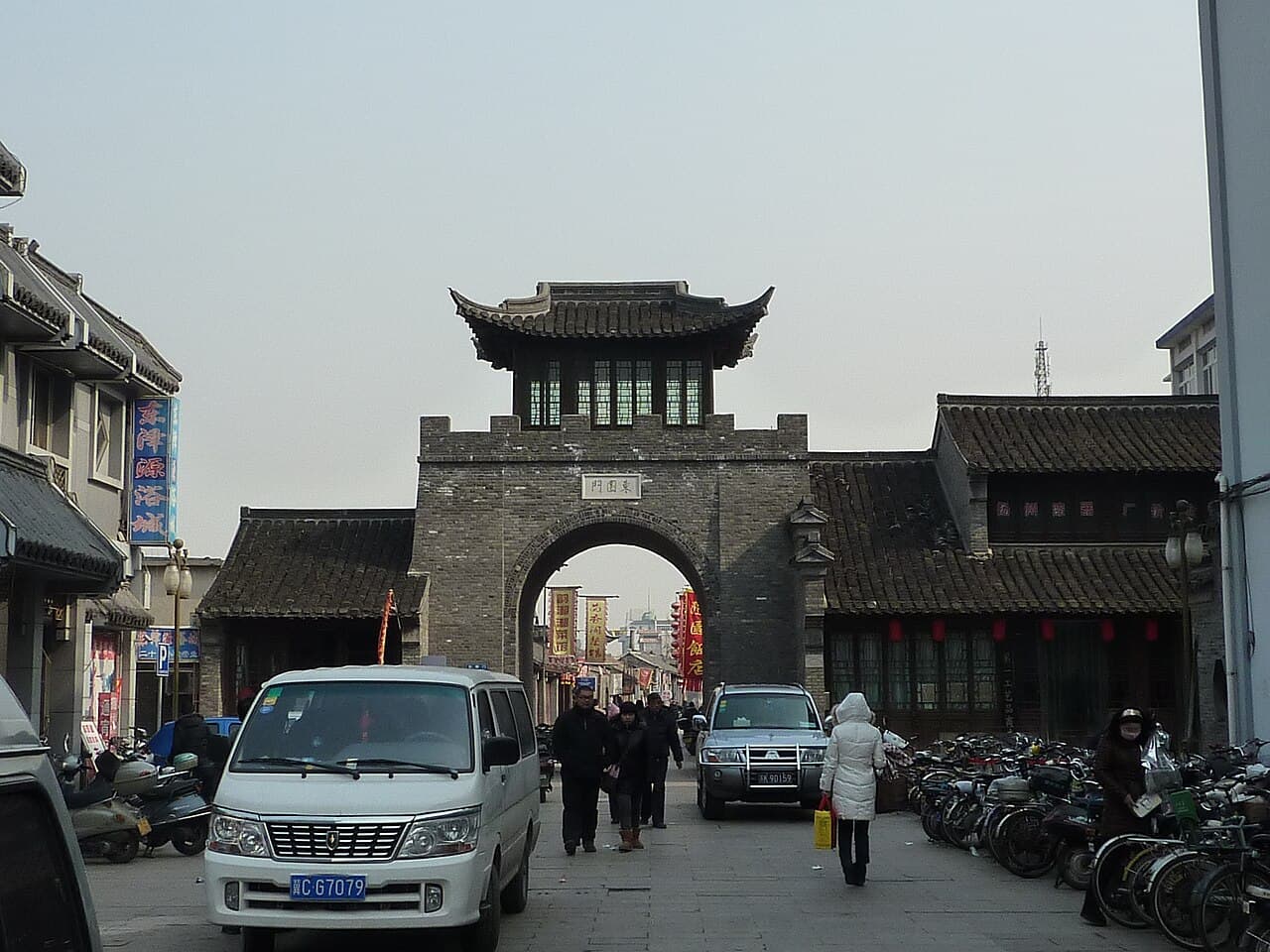
Dongquan Gate is a significant example of a bastioned fortress located in China, embodying military architectural principles designed to withstand artillery assaults and provide strategic defense. While the exact city location of Dongquan Gate remains unspecified, its architectural features align with fortifications built to protect key urban or strategic points during periods of conflict.
Architectural features of Dongquan Gate
The fortress is characterized by its bastions, which are angular projections from the main walls allowing defenders to cover adjacent walls with gunfire, a typical feature of bastioned fortresses developed in response to the advent of gunpowder artillery. These bastions enhance the defensive capability by eliminating blind spots and enabling crossfire.
The gate itself likely served as a fortified entry point, combining robust walls with defensive towers or bastions flanking the entrance. The construction materials typically include stone and brick, common in Chinese military architecture, providing durability and resistance against siege weaponry.
Historical context and significance
Fortifications like Dongquan Gate were crucial in the military history of China, particularly from the late medieval period onward, as gunpowder weaponry became more prevalent. Bastioned fortresses represent an evolution from earlier medieval walls and towers to more complex designs capable of withstanding cannon fire.
While specific historical events linked to Dongquan Gate are not well documented, such fortresses often formed part of city defenses or protected important trade routes and administrative centers. Their design reflects a period when military engineering incorporated both traditional Chinese techniques and influences from European fortification styles introduced through cultural exchanges.
Construction and design influences
The bastioned design of Dongquan Gate suggests influence from the Renaissance military engineering principles that spread globally during the 15th to 17th centuries. In China, these ideas were adapted to local conditions and materials, resulting in unique hybrid structures.
The fortress likely includes thick curtain walls connecting the bastions, with embrasures for artillery and small arms. Defensive ditches or moats may have been part of the design to further impede attackers.
Current condition and preservation
The present state of Dongquan Gate is not clearly documented. However, bastioned fortresses in China vary widely in preservation, with some restored as cultural heritage sites and others remaining in ruins or partially preserved. Conservation efforts depend on local government priorities and historical significance.
Visiting Dongquan Gate
Due to the lack of detailed public information about Dongquan Gate's precise location and visitor facilities, potential visitors should seek local guidance or official tourism resources when planning a visit. Fortresses of this type often attract interest from historians, architects, and tourists interested in military history and ancient fortifications.
Frequently asked questions (FAQ)
- What is Dongquan Gate?
- Dongquan Gate is a bastioned fortress in China known for its strategic military architecture and historical importance.
- When was Dongquan Gate likely built?
- Dongquan Gate was likely constructed during the late medieval period when bastioned fortifications became common due to advances in artillery.
- What are the key architectural features of Dongquan Gate?
- The fortress features bastions that allow defenders to cover adjacent walls with gunfire, thick curtain walls, and a fortified gate, typical of bastioned fortresses.
- Is Dongquan Gate open to visitors?
- Specific visitor information is not widely available, so it is advisable to check local tourism resources for access and visiting hours.
Photo gallery

Information
Loading map...
Visitor reviews
No reviews yet. Been here? Write the first review and help other travelers!
Write the first reviewVisited this castle? Share your experience
Your review helps other travelers and adds first-hand knowledge to our encyclopedia.