Section of the Old City Walls of Macau
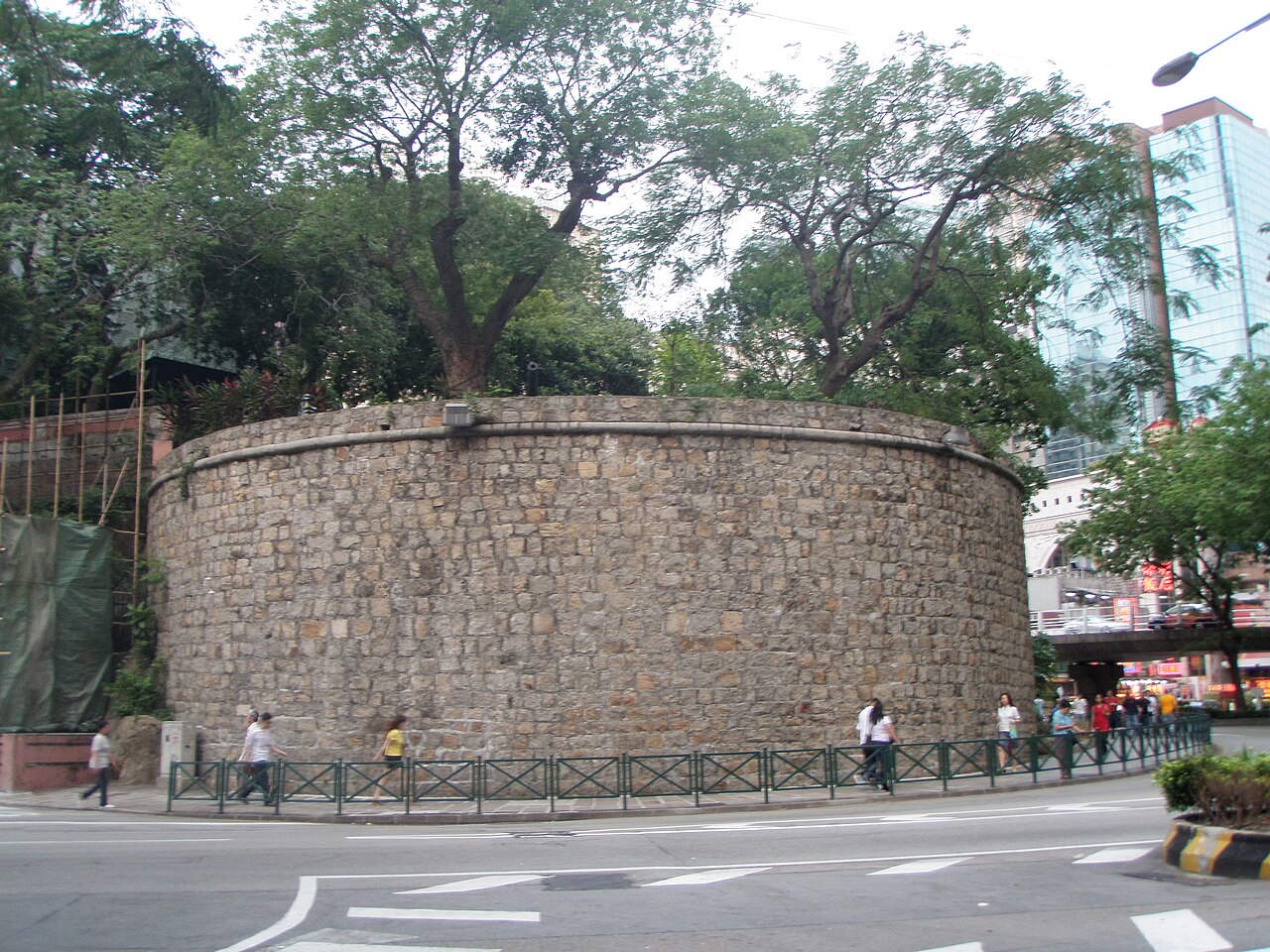
The Section of the Old City Walls of Macau represents the surviving fragments of the defensive walls that once encircled the colonial city of Macau during the 16th and 17th centuries. These walls were a critical part of the city's fortifications during the early period of Portuguese administration, reflecting the strategic importance of Macau as a trading port and military outpost in East Asia.
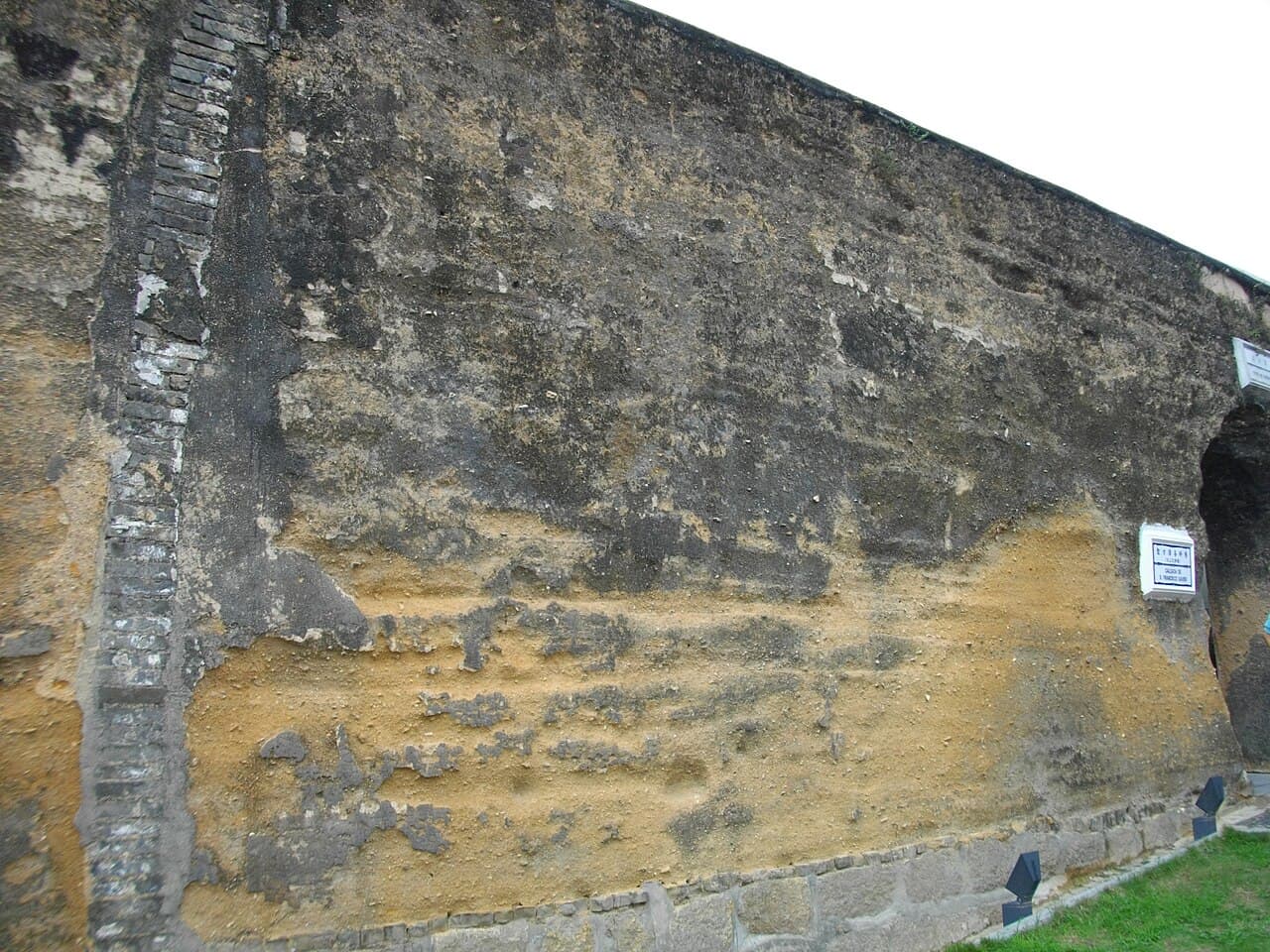
Constructed primarily in the 16th century, the walls are notable for their distinctive composition, which included clay, sand, rice straw, rocks, and oyster shells. This combination of materials was a practical response to the local environment and available resources, demonstrating an innovative approach to fortification construction in a colonial setting. The use of oyster shells, in particular, contributed to the walls' strength and durability, setting them apart from typical European stone fortifications of the same period.
Historical context and significance
During the Renaissance period, Macau emerged as a vital hub for Portuguese maritime trade between Europe, China, and Japan. The construction of the city walls was part of broader efforts to secure the settlement against external threats, including piracy and military incursions by rival colonial powers. The walls delineated the boundaries of the colonial city and served as a physical barrier to protect its inhabitants and commercial interests.
Although much of the original wall has been lost over time due to urban development and natural degradation, the remaining sections are preserved as archaeological ruins that provide valuable insight into early colonial urban defense systems in Asia. These ruins are a testament to the early Portuguese presence in the region and Macau's unique blend of European and Asian influences.
Architectural features and construction techniques
The surviving wall sections exhibit construction techniques that blend local materials and traditional methods with European fortification concepts. The walls were built using a mixture of clay and sand as binding agents, reinforced with rice straw to increase tensile strength and prevent cracking. The inclusion of rocks and oyster shells not only added structural integrity but also reflected the adaptation to the coastal environment of Macau.
The walls were designed to be robust enough to withstand attacks from small-scale raids and artillery fire common during the period. Their height and thickness varied depending on the terrain and strategic importance of specific sections. Defensive features likely included battlements and watchtowers, although many of these details have been lost or remain undocumented in the surviving ruins.
Relation to other historic fortifications in macau
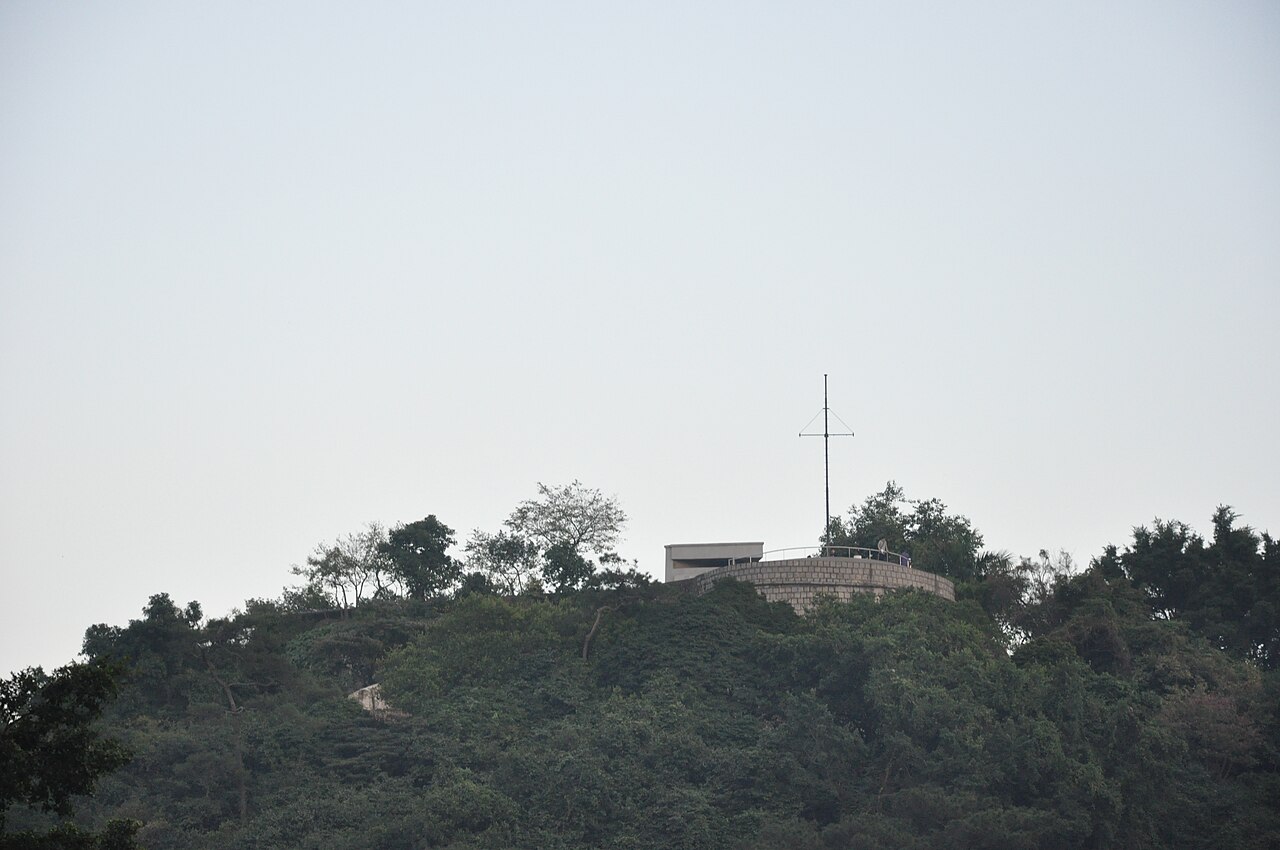
The Section of the Old City Walls forms part of Macau's broader network of colonial military architecture, which includes the Fortaleza do Monte (Mount Fortress). Built between 1617 and 1626, the fort was constructed on a hill east of the famous Ruins of Saint Paul's and served as the primary military stronghold protecting the city.
The Fortaleza do Monte played a key role in repelling the Dutch invasion of Macau in 1622, showcasing the strategic importance of Macau's fortifications during the early colonial period. While the city walls enclosed the urban area, the fortress provided a higher vantage point for surveillance and artillery defense.
Over time, the fort's functions evolved, serving as the residence of Macau's governors, a police base, a weather observatory, and currently, the Museum of Macau. This layered history complements the story told by the city walls, illustrating the multifaceted nature of Macau's colonial defenses.
Preservation and cultural heritage status
Today, the Section of the Old City Walls is recognized as an important cultural and historical monument. It is included within the Historic Centre of Macau, which was inscribed as a UNESCO World Heritage Site in 2005. This designation highlights the walls' significance as part of Macau's unique cultural landscape, reflecting a fusion of Portuguese and Chinese heritage.
Efforts to preserve the ruins focus on maintaining their structural integrity and promoting public awareness of Macau's colonial past. The site attracts visitors interested in the early history of European colonialism in Asia and the architectural adaptations made in response to local conditions.
Visiting the old city walls
Visitors to Macau can explore the remnants of the old city walls as part of a broader tour of the historic center. The ruins offer a tangible connection to the city's early defensive strategies and colonial urban planning. Interpretive signage and guided tours provide context for the walls' construction, materials, and historical role.
The walls' location near other major landmarks, such as the Ruins of Saint Paul's and the Fortaleza do Monte, makes them an integral part of Macau's heritage tourism circuit. The combination of archaeological significance and scenic surroundings enhances the visitor experience.
Frequently asked questions (FAQ)
- What is the historical significance of the Section of the Old City Walls of Macau?
- The Section of the Old City Walls of Macau is a crucial part of the city's heritage, representing its colonial past and military architecture. Built in the 16th century, these walls were originally constructed for defense against invaders and have witnessed significant historical events in Macau's history.
- When was the Section of the Old City Walls of Macau built?
- The construction of the Old City Walls began in the late 16th century, specifically around 1569. Over the years, various sections were added and modified, reflecting the architectural styles and military needs of different periods.
- Can I access the Section of the Old City Walls for free?
- Yes, access to the Section of the Old City Walls of Macau is free of charge. Visitors can stroll along the walls and enjoy the views without any admission fees, making it a great spot for both history lovers and casual tourists.
- What are the opening hours for the Section of the Old City Walls of Macau?
- The Section of the Old City Walls is open to the public year-round, allowing visitors to explore at their convenience. There are no specific opening hours, so you can visit any time during daylight hours.
- Is it possible to take guided tours of the Section of the Old City Walls?
- Yes, guided tours are available for those interested in a more in-depth exploration of the Section of the Old City Walls. Tour guides can provide valuable insights into the history and architecture, enhancing your overall experience.
- What is the best time to visit the Section of the Old City Walls of Macau?
- The best time to visit is during the cooler months from October to April, when the weather is more pleasant for walking. Early mornings or late afternoons also provide a more serene atmosphere, ideal for taking in the views.
- Are there any nearby attractions to visit after exploring the Section of the Old City Walls?
- Yes, several attractions are located nearby, including the Ruins of St. Paul's and Senado Square. These sites are within walking distance and offer additional historical and cultural experiences in Macau.
- How do I get to the Section of the Old City Walls of Macau?
- The Section of the Old City Walls is easily accessible by public transport, including buses and taxis. Additionally, it's within walking distance from many other popular attractions in the city, making it convenient to include in your itinerary.
- What architectural features can I expect to see at the Section of the Old City Walls?
- Visitors will find a mix of military architecture, including bastions and watchtowers. The walls are constructed from local materials, showcasing a blend of Portuguese and Chinese architectural influences that reflect Macau's unique history.
Photo gallery

Photo by Abasaa•Public domain
Information
Loading map...
Visitor reviews
No reviews yet. Been here? Write the first review and help other travelers!
Write the first reviewVisited this castle? Share your experience
Your review helps other travelers and adds first-hand knowledge to our encyclopedia.