Badaling
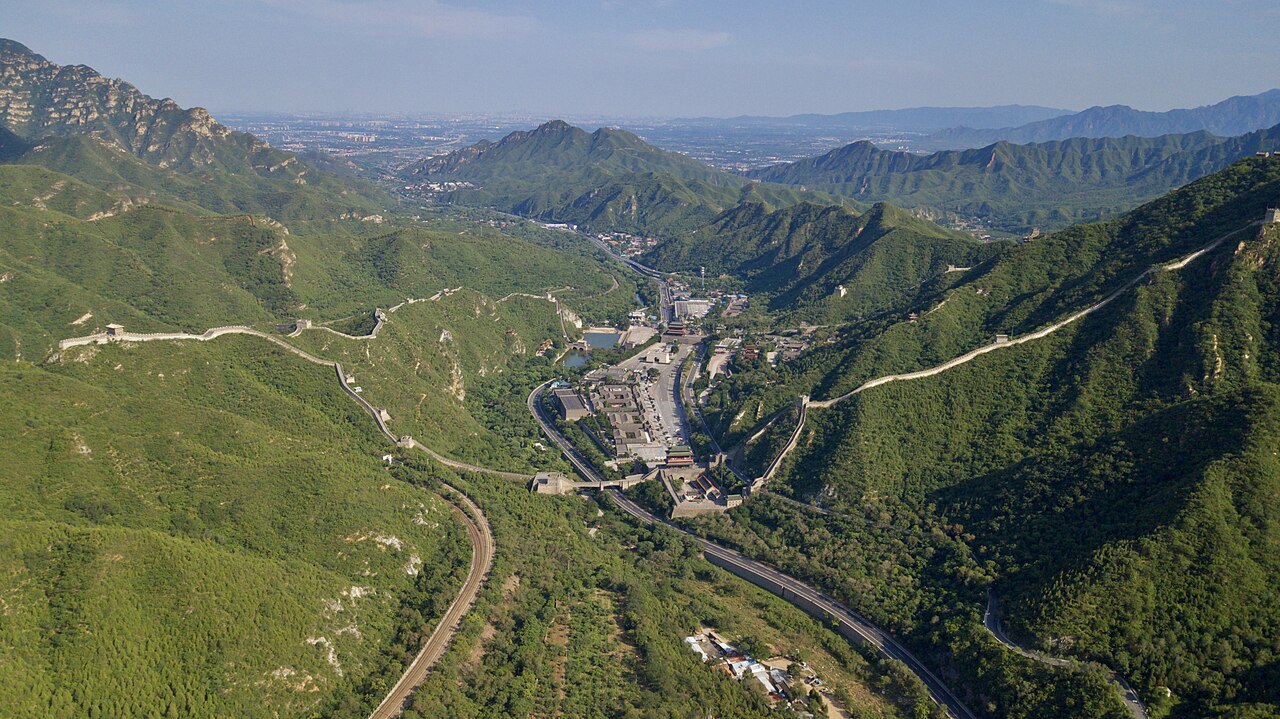
Badaling is the most renowned and frequently visited section of the Great Wall of China, located about 80 kilometers northwest of Beijing in the Yanqing District. This segment of the wall was constructed in 1504 during the Ming Dynasty to serve as a critical military defense point guarding the approaches to the Juyong Pass and ultimately protecting the capital city of Beijing. The strategic importance of Badaling is underscored by its commanding position atop the mountainous terrain, with its highest elevation point at Beibalou, approximately 1,015 meters above sea level.
Historical significance of Badaling
The Ming Dynasty undertook extensive construction of the Great Wall to secure northern borders from invasions, particularly from Mongol tribes. The Badaling section was built as part of this defensive network, featuring a military outpost and fortifications designed to control access through the vital Juyong Pass. This pass was a key gateway to the capital, making Badaling a frontline defense point.
Construction began in the early 16th century, with the wall at Badaling completed around 1504-1505. The fortifications here include bastioned walls, watchtowers, and signal towers that allowed for communication and surveillance across the region. These structures exemplify the Ming military architectural style focused on durability and strategic advantage.
Architectural features and military design
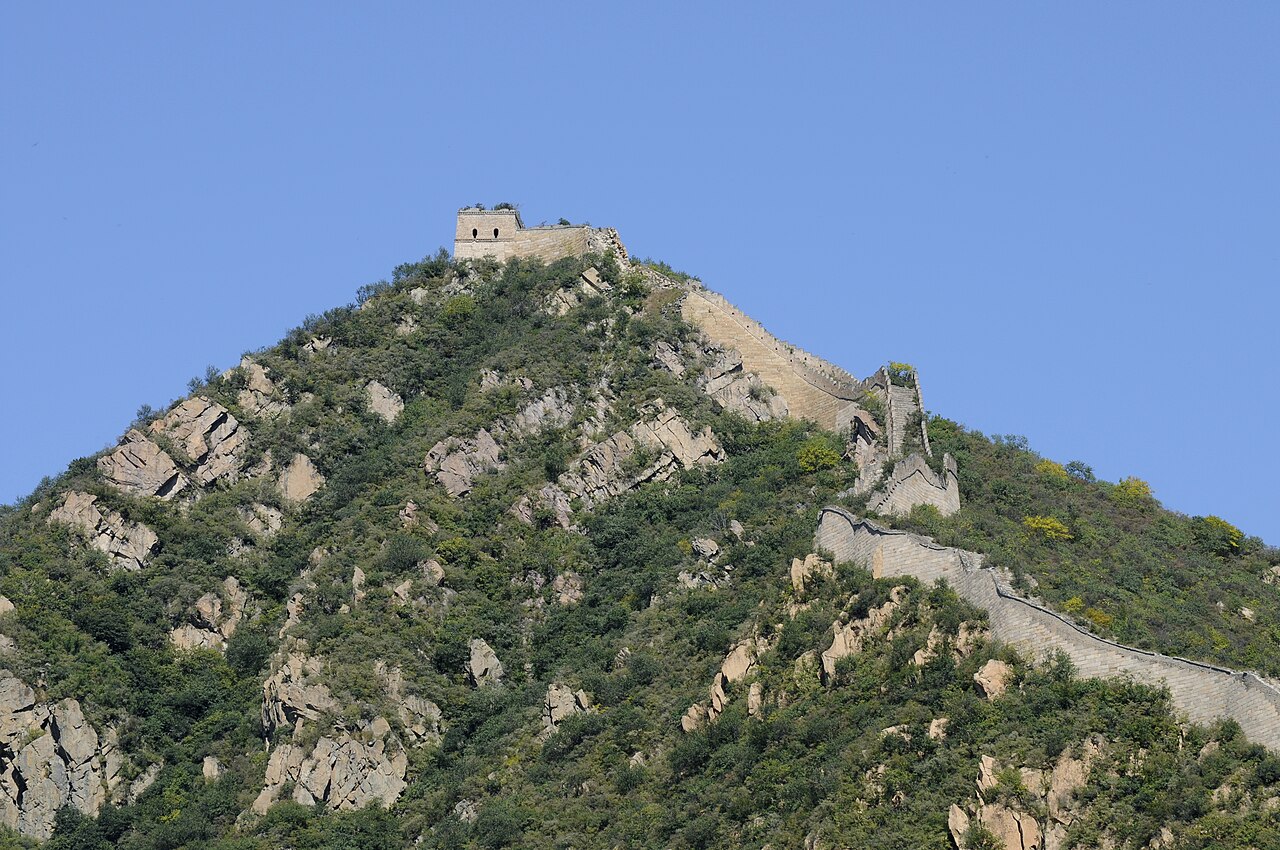
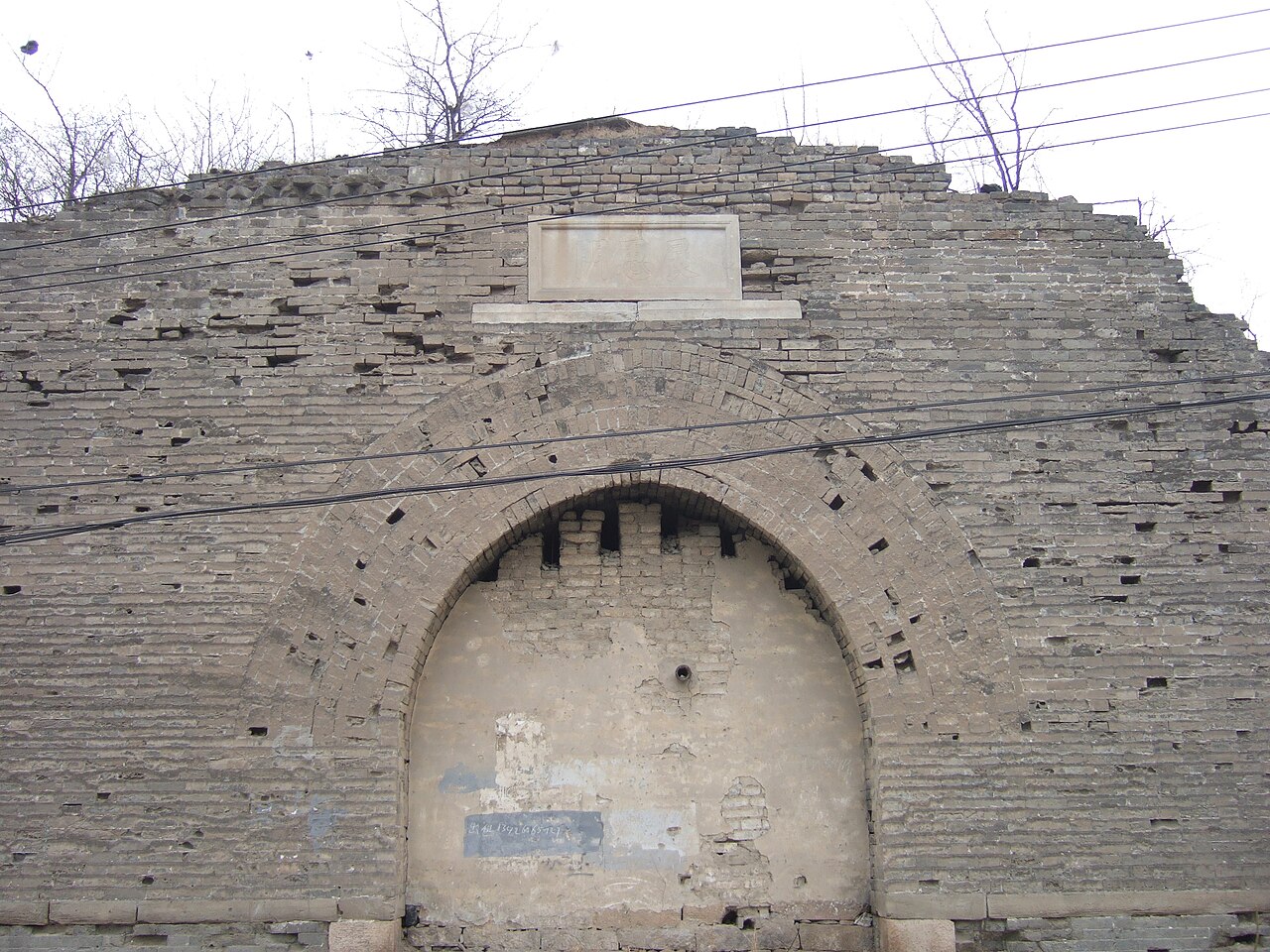
Badaling's fortifications are characterized by bastioned fortress elements, including thick stone walls, crenellated battlements, and multiple watchtowers spaced at regular intervals. The wall itself is built primarily from stone and brick, materials chosen for their strength and longevity.
The design incorporates defensive towers that served as lookout points and platforms for archers and artillery. The battlements provide cover for defenders while allowing them to repel attackers effectively. The wall's width and height at Badaling are sufficient to allow soldiers and horses to traverse it, enabling rapid troop movements.
In addition to the wall and towers, the site includes a military outpost that housed garrisons responsible for surveillance and defense. The outpost's location near the highest point, Beibalou, maximized visibility over the surrounding landscape.
Restoration and tourism development
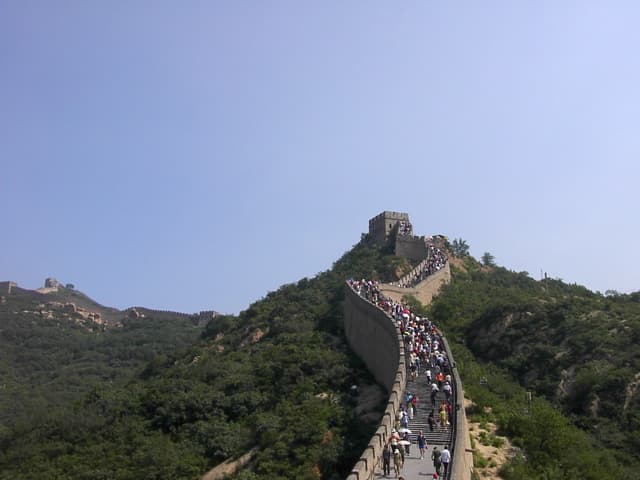
The Badaling section underwent significant restoration starting in the mid-20th century to preserve its structure and make it accessible to visitors. In 1957, it became the first part of the Great Wall to open to tourism, marking the beginning of its transformation into a major cultural and historical attraction.
Today, Badaling is equipped with modern amenities, including hotels, restaurants, and a cable car that provides easier access to the higher sections of the wall. These developments have made Badaling the most popular and accessible section of the Great Wall for tourists worldwide.
Geographical and environmental context
Situated in the mountainous terrain of northern Beijing's outskirts, Badaling's elevation and rugged landscape contributed to its defensive advantages. The natural topography complements the man-made fortifications, creating a formidable barrier against invasions.
The climate and environment of the region have influenced the construction materials and methods, with stone and brick masonry chosen to withstand harsh winters and seasonal weathering.
Visiting Badaling today
Visitors to Badaling can explore the well-preserved sections of the wall, climb its towers, and enjoy panoramic views of the surrounding mountains. The site offers a tangible connection to China's imperial past and the military engineering prowess of the Ming Dynasty.
Accessibility improvements such as the cable car and visitor facilities have made Badaling suitable for a wide range of tourists, from casual visitors to history enthusiasts. The site remains a symbol of China's cultural heritage and a testament to the scale and ambition of the Great Wall project.
Frequently asked questions (FAQ)
- When was the Badaling section of the Great Wall built?
- The Badaling section was constructed in 1504-1505 during the Ming Dynasty as a strategic military defense point.
- What architectural features characterize Badaling?
- Badaling features bastioned fortress elements including thick stone walls, crenellated battlements, watchtowers, and a military outpost.
- Is Badaling accessible to tourists today?
- Yes, Badaling was the first section of the Great Wall opened to tourism in 1957 and now includes amenities like a cable car, hotels, and restaurants.
- Why was Badaling strategically important?
- Badaling guards the Juyong Pass, a key gateway to Beijing, making it a crucial defensive position in the Ming Dynasty's northern fortifications.
- What is the highest point at Badaling?
- The highest point is Beibalou, approximately 1,015 meters above sea level, offering extensive views over the surrounding mountains.
Photo gallery

Photo by DF08 at English Wikipedia•Public domain
Information
Loading map...
Visitor reviews
No reviews yet. Been here? Write the first review and help other travelers!
Write the first reviewVisited this castle? Share your experience
Your review helps other travelers and adds first-hand knowledge to our encyclopedia.