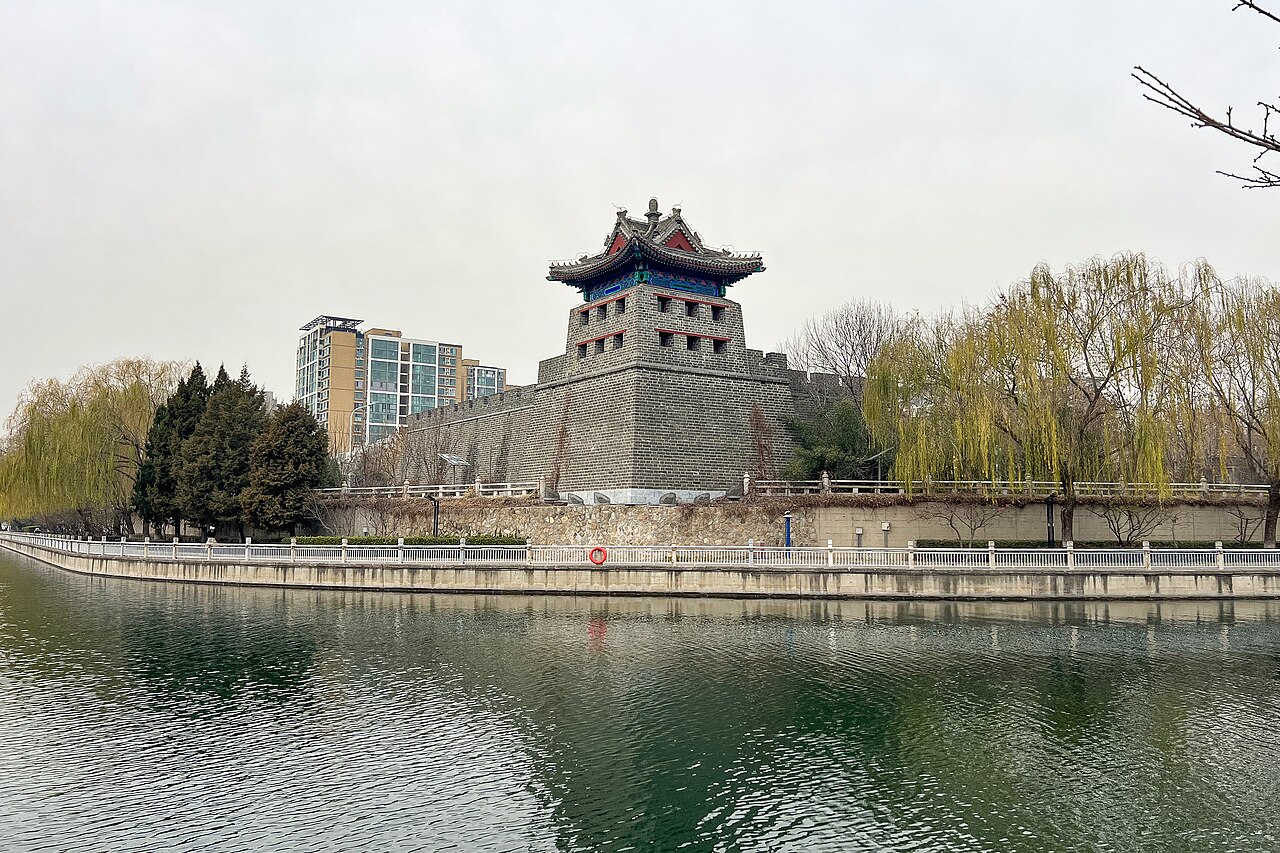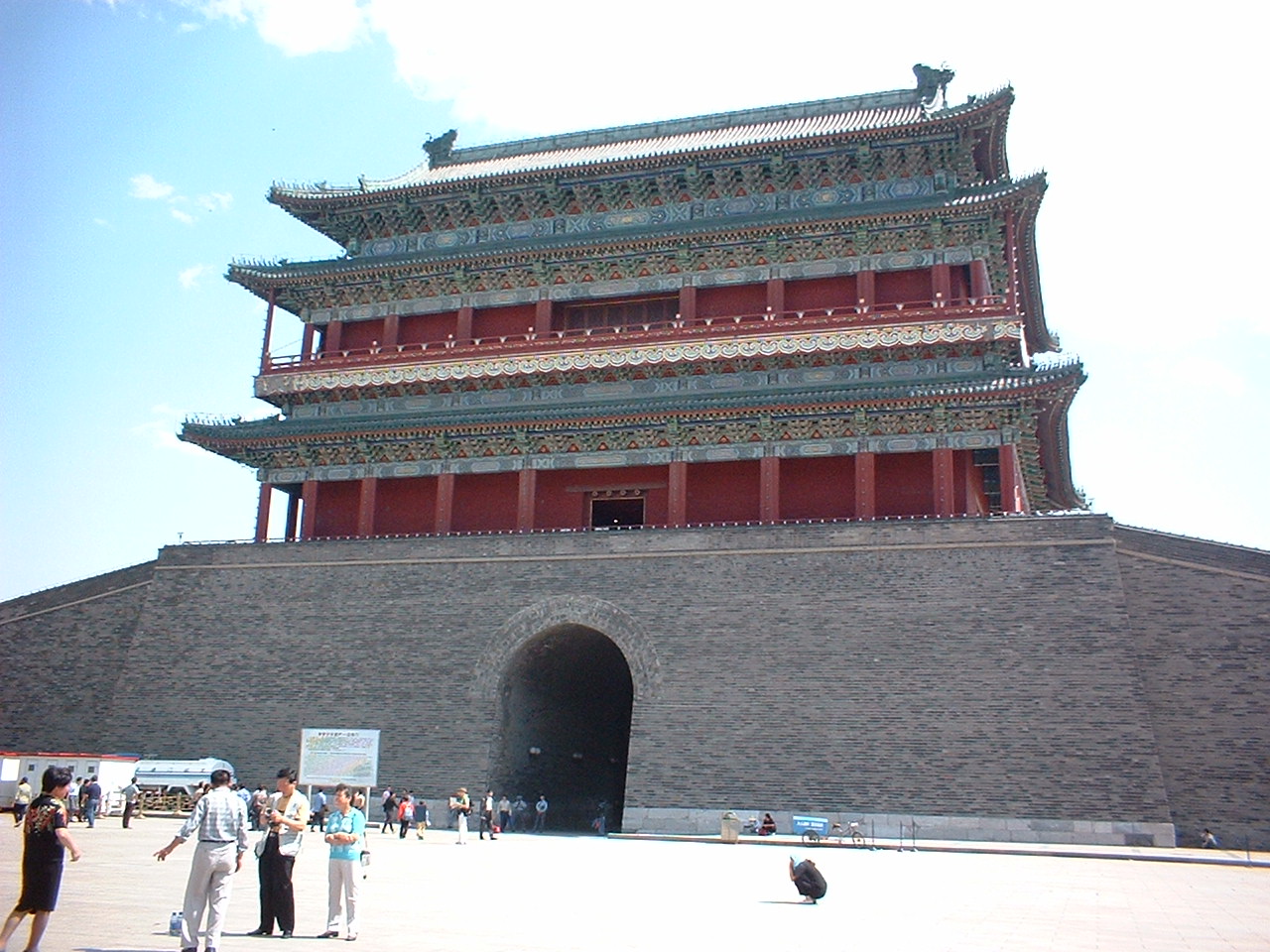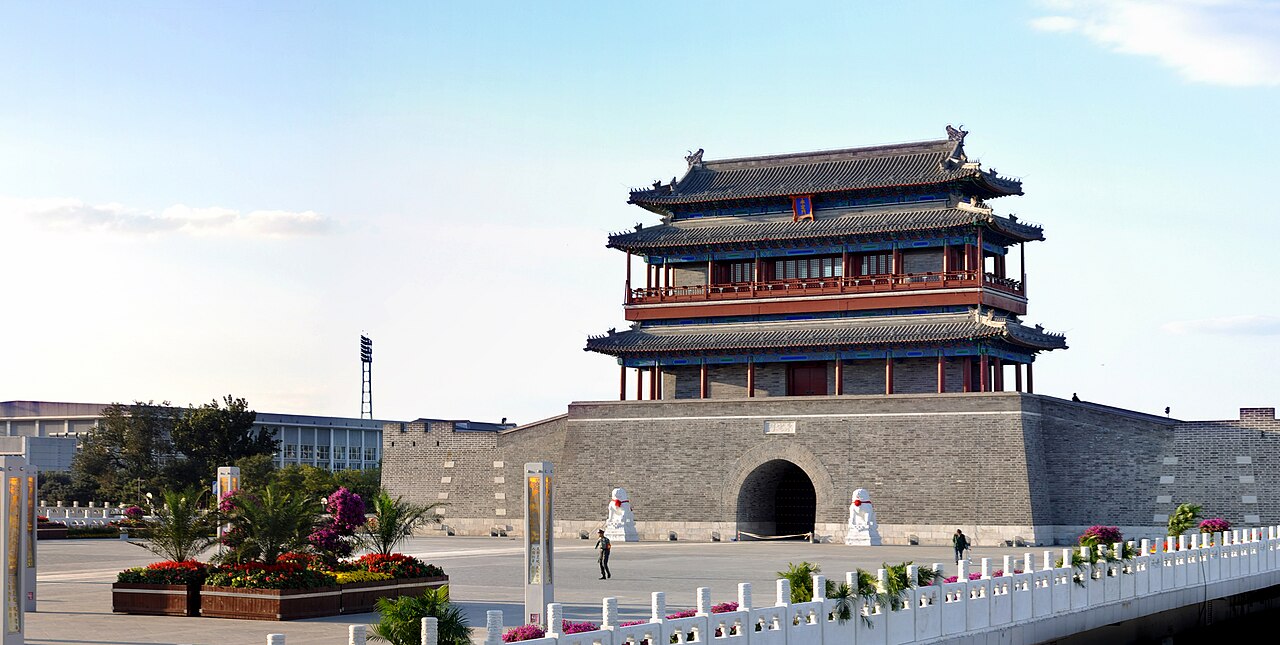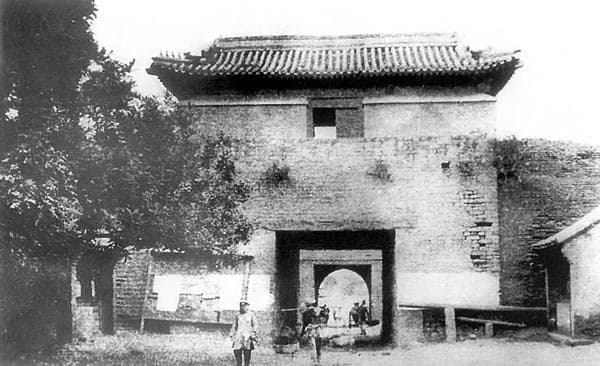
Dongbianmen is a significant example of a bastioned fortress located in China, historically serving as a crucial defensive structure for the city it protected. This fortress is part of the extensive system of fortifications that were built to safeguard urban centers from military threats, particularly during periods when artillery and siege warfare were evolving. Its design reflects the adaptation of traditional Chinese fortifications to include bastions, which were angular projections allowing defenders to cover adjacent walls with gunfire, a feature influenced by European military architecture.
Historical context and purpose
The fortress was constructed to strengthen the city’s defenses during a time when the threat of invasion or rebellion was a significant concern. Bastioned fortresses like Dongbianmen emerged as a response to the introduction of gunpowder weapons, which rendered earlier medieval walls less effective. The angular bastions allowed for better defensive coverage and reduced blind spots, enhancing the fortress's ability to withstand artillery bombardment and infantry assaults.
Architectural features of Dongbianmen
Bastions and walls
Dongbianmen is characterized by its prominent bastions, which project outward from the main curtain walls. These bastions are designed to provide overlapping fields of fire along the walls, a strategic advantage in repelling attackers. The walls themselves are thick and robust, constructed from stone and brick materials typical of Chinese fortifications, ensuring durability against prolonged sieges.
Gate structures and defensive elements
The fortress includes fortified gates that controlled access to the city. These gates were often equipped with heavy wooden doors reinforced with metal and featured defensive mechanisms such as murder holes and arrow slits. The design of the gates combined both functional defense and symbolic authority, marking the transition from the outside world into the protected urban area.
Strategic significance and military role
As a bastioned fortress, Dongbianmen played a vital role in the defense strategy of the city it guarded. Its design allowed defenders to effectively cover the approaches to the city and coordinate defensive fire from multiple angles. The fortress's location was chosen to maximize control over key access points, making it a formidable obstacle for invading forces.
Preservation and current condition
The current condition of Dongbianmen varies depending on the extent of preservation efforts. Bastioned fortresses in China often face challenges from urban development and natural degradation. However, some sections of Dongbianmen have been maintained or restored to preserve their historical and architectural value. These efforts help to provide insight into the military engineering techniques used during the fortress's operational period.
Legacy and cultural importance
Dongbianmen stands as a testament to the evolution of military architecture in China, illustrating how traditional fortification methods were adapted to new technologies and threats. It also reflects the broader historical narrative of city defense and urban planning in Chinese history. Today, the fortress is recognized for its cultural heritage, attracting interest from historians, architects, and visitors interested in military history.
Frequently asked questions (FAQ)
- How do I get to Dongbianmen Castle?
- Dongbianmen Castle is located in Beijing, China, and is easily accessible via public transportation. You can take the subway to the nearest station and then walk a short distance to the castle.
- What is the historical significance of Dongbianmen?
- Dongbianmen, or the East Side Gate, is a key historical site that dates back to the Ming Dynasty. It served as part of the city's defensive walls and is an important symbol of Beijing's rich history and architectural heritage.
- When was Dongbianmen Castle built?
- Dongbianmen Castle was constructed during the Ming Dynasty, around the 15th century. It was built as part of the extensive fortifications that protected the city of Beijing.
- Can I take photos inside Dongbianmen Castle?
- Yes, visitors are welcome to take photos within the grounds of Dongbianmen Castle. However, it is advisable to respect any signage regarding photography, especially in areas with restricted access.
- Why is Dongbianmen considered an architectural masterpiece?
- Dongbianmen is renowned for its impressive design and unique architectural features, reflecting the military engineering of the Ming era. The structure showcases traditional Chinese architecture with its intricate carvings and robust defensive walls.
- Is it possible to access Dongbianmen Castle for free?
- Visitors can enter the grounds of Dongbianmen Castle for free; however, there may be a small fee for guided tours or special exhibitions. Always check for any updates on ticket policies before your visit.
- What are the opening hours for Dongbianmen Castle?
- Dongbianmen Castle is typically open to visitors from 8:00 AM to 6:00 PM. It’s advisable to check the official website for any seasonal changes in opening hours.
- What is the best time to visit Dongbianmen Castle?
- The best time to visit Dongbianmen Castle is during spring (April to June) and autumn (September to November) when the weather is mild and pleasant. These seasons also offer beautiful scenery and fewer crowds, enhancing your experience.
- Are there any nearby attractions to visit after Dongbianmen?
- Yes, after visiting Dongbianmen Castle, you can explore several nearby attractions like the Beijing Ancient Observatory and the Drum Tower. These sites provide a glimpse into Beijing's historical and cultural significance, complementing your visit to the castle.
Photo gallery

Public domain
Information
Loading map...
Visitor reviews
No reviews yet. Been here? Write the first review and help other travelers!
Write the first reviewVisited this castle? Share your experience
Your review helps other travelers and adds first-hand knowledge to our encyclopedia.