Historical background and significance
Shangqiu is one of the oldest cities in China, with a history dating back over 2,000 years. The city walls were originally built during the Han dynasty (206 BCE – 220 CE) and were expanded and reinforced in subsequent periods, including the Tang and Ming dynasties. These walls served as crucial defensive structures against invasions and local conflicts, reflecting the strategic importance of Shangqiu as a regional hub.
The walls not only provided military defense but also symbolized the city's status and wealth. Throughout history, the fortifications were adapted to meet evolving military technologies and threats, including the introduction of gunpowder weaponry during the later dynasties.
Architectural features and construction
The city walls of Shangqiu are characterized by their bastioned fortress design, which includes projecting bastions that allowed defenders to cover adjacent wall sections with crossfire. This design was advanced for its time and demonstrates an understanding of defensive tactics that enhanced the walls' effectiveness.
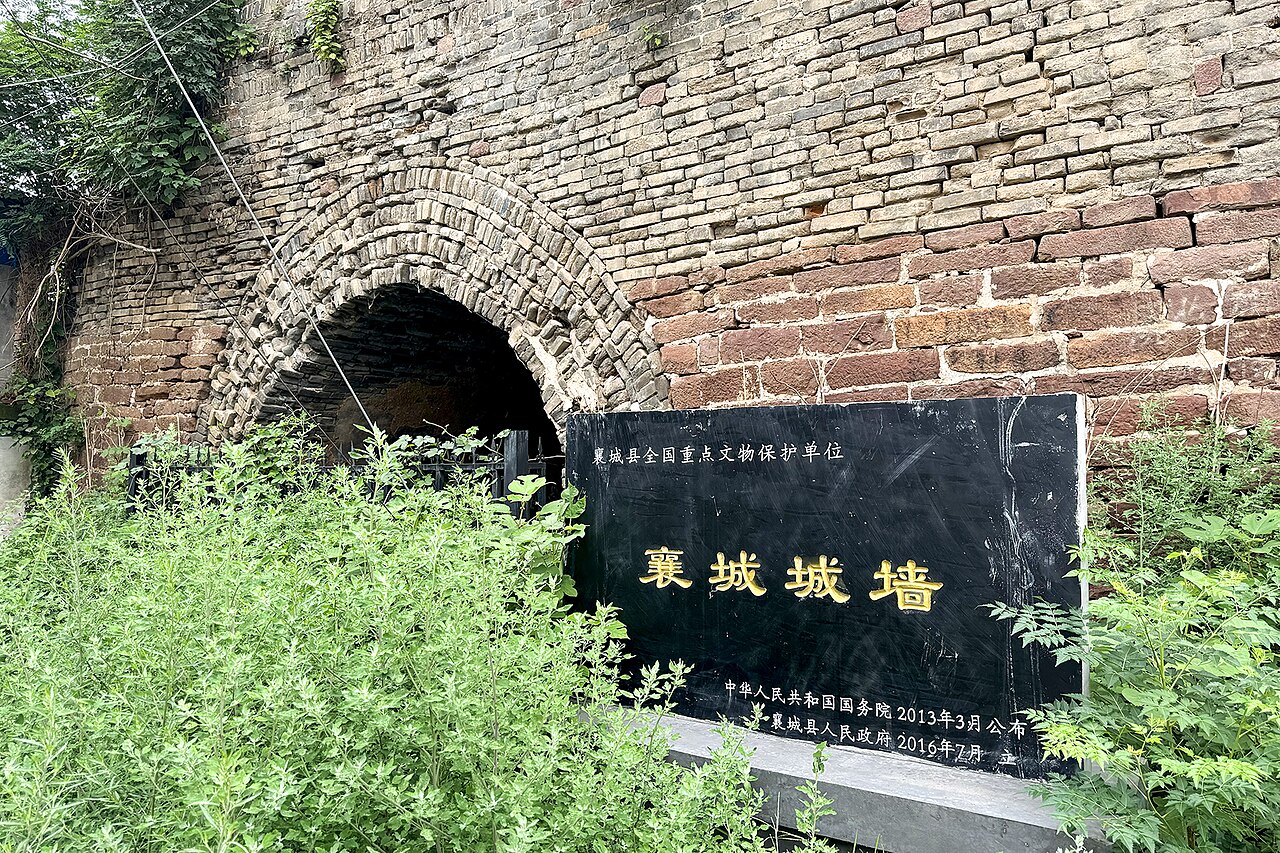
Constructed primarily from rammed earth and bricks, the walls stand several meters high and are thick enough to accommodate patrols and the placement of defensive equipment such as archers and artillery. The walls feature gate towers, watchtowers, and moats that further strengthened the city's defenses.
Gate towers and watchtowers
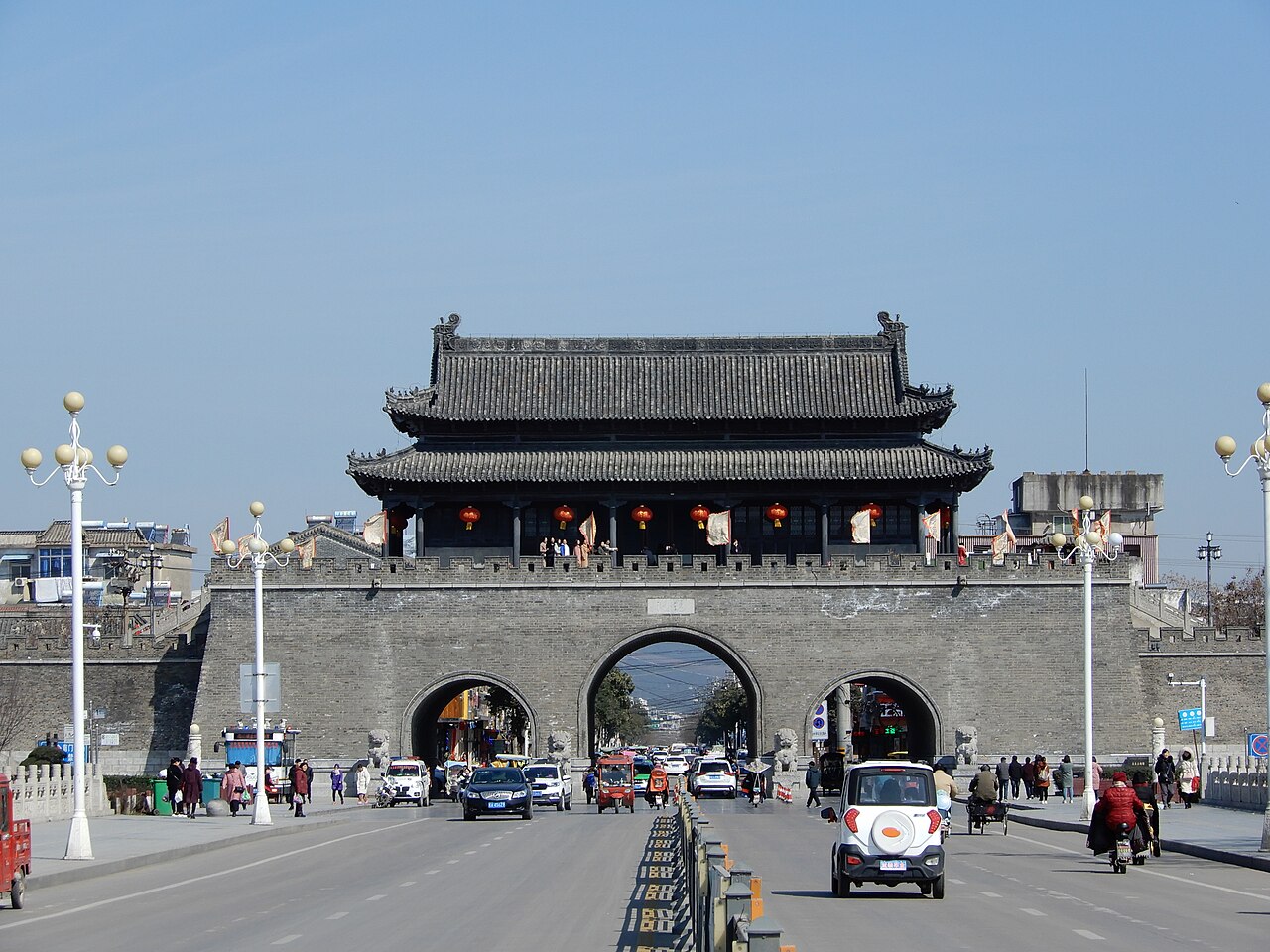
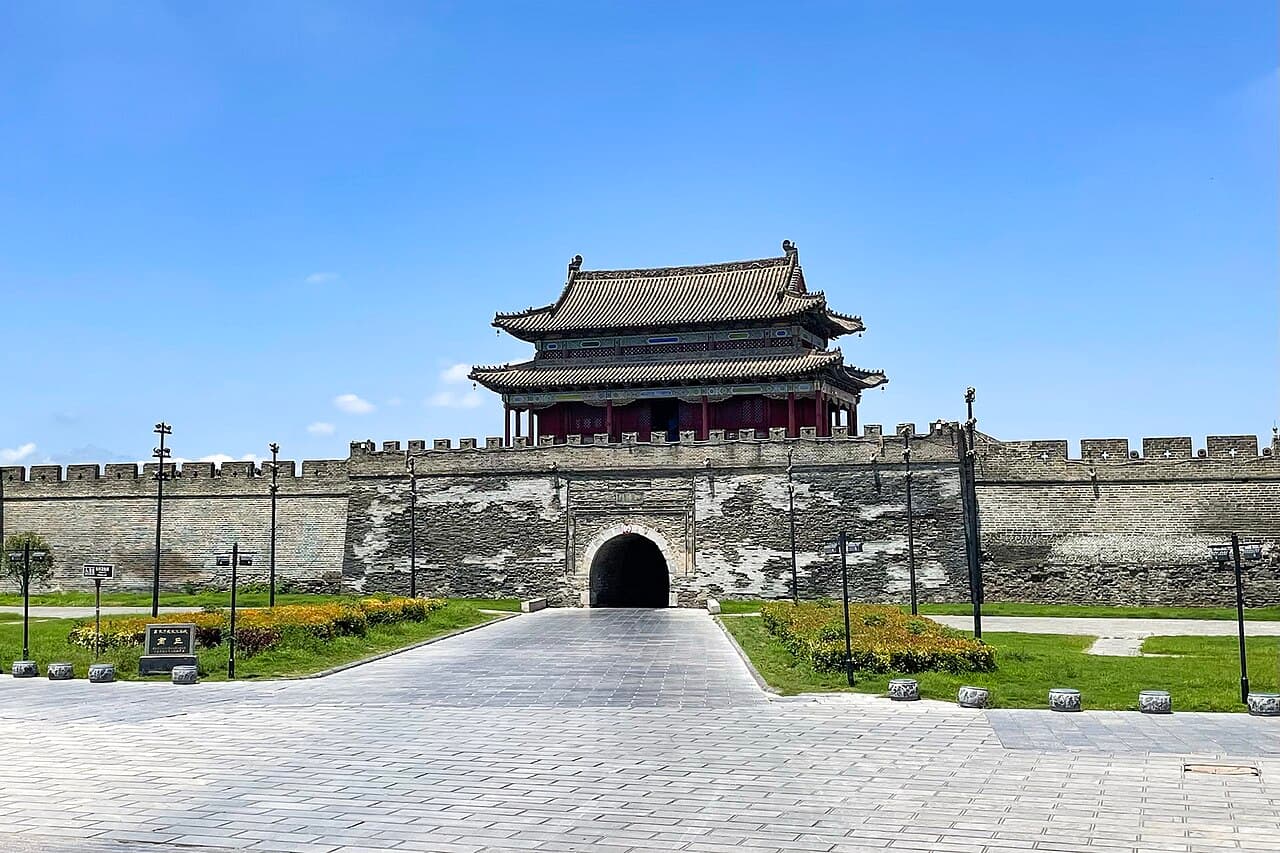
The gate towers served as controlled entry points and were fortified to withstand sieges. Watchtowers placed at intervals along the walls provided vantage points for early warning of approaching enemies and coordinated defense efforts.
Moats and outer defenses
Surrounding the walls, moats were dug to hinder attackers and prevent undermining of the walls. These water-filled ditches added an additional layer of defense, forcing enemies to overcome multiple obstacles before reaching the main fortifications.
Preservation and current condition
Today, the city walls of Shangqiu remain partially preserved, with some sections restored to maintain their historical and cultural value. Preservation efforts have focused on stabilizing the structure and promoting the site as a cultural heritage landmark.
The walls continue to attract scholars and tourists interested in ancient Chinese fortifications and urban history. Their enduring presence offers insight into the military engineering skills and urban planning of historic China.
Visiting the city walls of Shangqiu
Visitors to Shangqiu can explore the surviving sections of the walls, including the gate towers and watchtowers. The site offers a glimpse into the city's past and the defensive strategies employed throughout centuries.
Guided tours and informational displays provide context about the walls' construction, historical significance, and role in the region's development. The surrounding area also features other cultural landmarks, making it a comprehensive destination for those interested in Chinese history.
Frequently asked questions (FAQ)
- When were the city walls of Shangqiu originally built?
- The city walls of Shangqiu were originally constructed during the Han dynasty, around 206 BCE to 220 CE.
- What architectural features characterize the city walls of Shangqiu?
- The walls feature a bastioned fortress design with gate towers, watchtowers, and surrounding moats for enhanced defense.
- Are the city walls of Shangqiu accessible to visitors today?
- Yes, visitors can explore the partially preserved sections of the walls, including towers and gates, with guided tours available.
- Why were bastions important in the design of Shangqiu's city walls?
- Bastions allowed defenders to cover adjacent wall sections with crossfire, improving the effectiveness of the city's defenses.
- What materials were used to build the city walls of Shangqiu?
- The walls were primarily constructed from rammed earth and bricks, providing strength and durability.
Photo gallery

Information
Loading map...
Visitor reviews
No reviews yet. Been here? Write the first review and help other travelers!
Write the first reviewVisited this castle? Share your experience
Your review helps other travelers and adds first-hand knowledge to our encyclopedia.