Gaochang
Gaochang (Chinese: 高昌; pinyin: Gāochāng; Old Uyghur: Qocho), also known by its alternate names Khocho, Karakhoja, Qara-hoja, Kara-Khoja, or Karahoja (قاراغوجا in Uyghur), was a significant ancient oasis city located on the northern edge of the Taklamakan Desert in present-day Sanbu Township, Xinjiang, China. This city served as a vital hub along the Silk Road, facilitating trade and cultural exchange between East and West for centuries. The site is also referenced in historical and archaeological literature under various names such as Chotscho, Khocho, Qocho, or Qočo.
The origins of Gaochang trace back to approximately the 1st century BC, when it was established as a fortified settlement. Its strategic location in the oasis region allowed it to thrive as a commercial center, providing respite and supplies for caravans navigating the harsh desert environment. The city expanded over time, developing extensive walls, palace complexes, residential quarters, and religious buildings that reflected a blend of cultural influences including Chinese, Uyghur, and Central Asian architectural styles.
Historical significance and silk road role
Gaochang was a bustling trading center on the northern rim of the Taklamakan Desert, acting as a critical stopover for merchant traders traveling the Silk Road. Its location enabled it to control and facilitate the flow of goods such as silk, spices, precious metals, and other valuable commodities between China and Central Asia. The city was also an important cultural crossroads, where Buddhism, Manichaeism, and other religions were practiced and artistic styles merged.
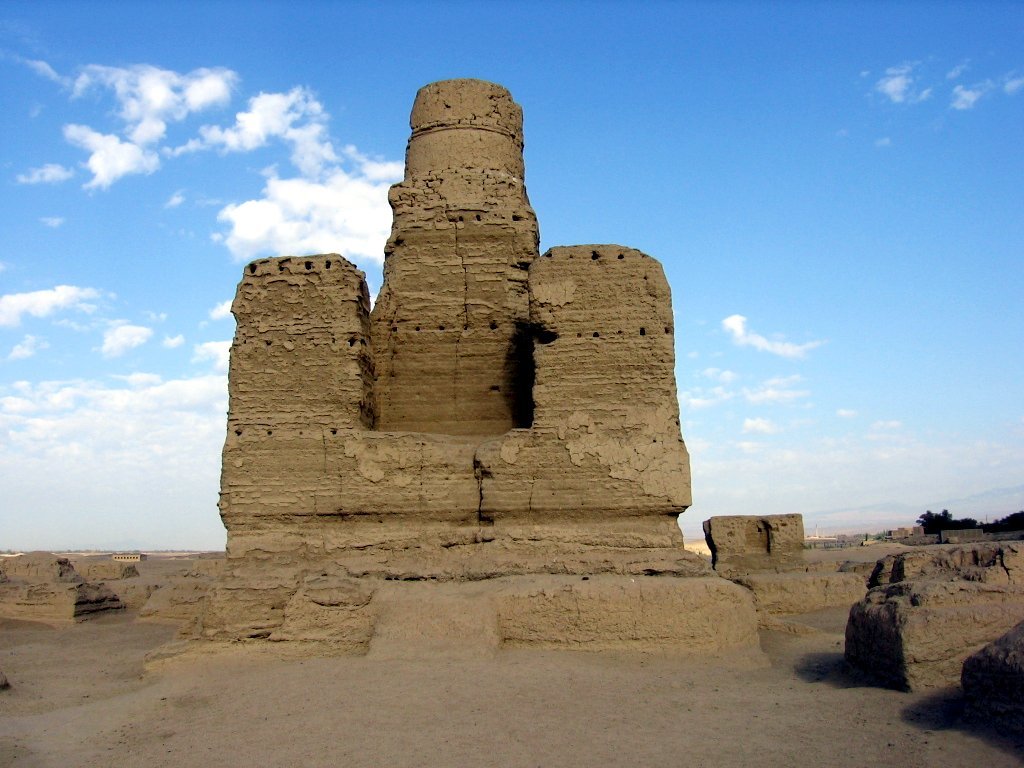
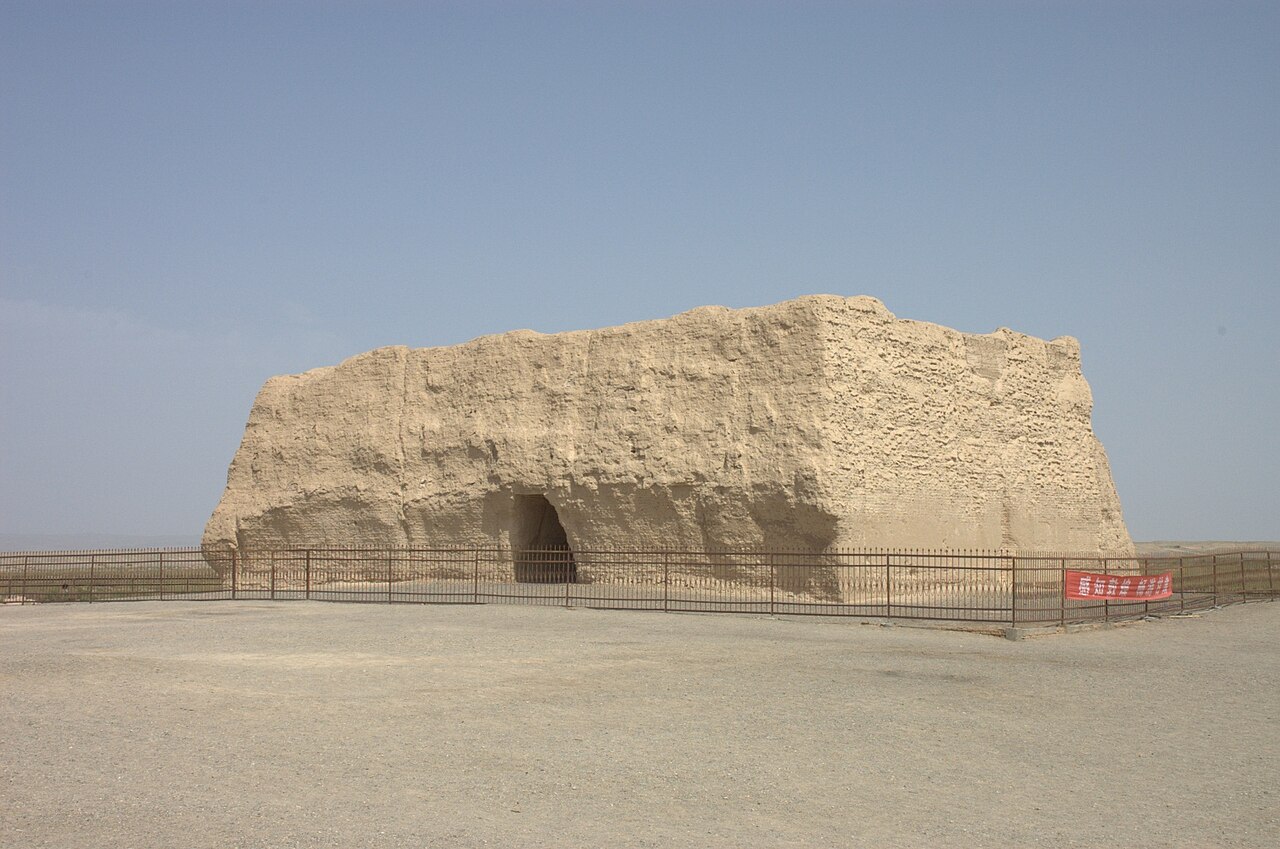
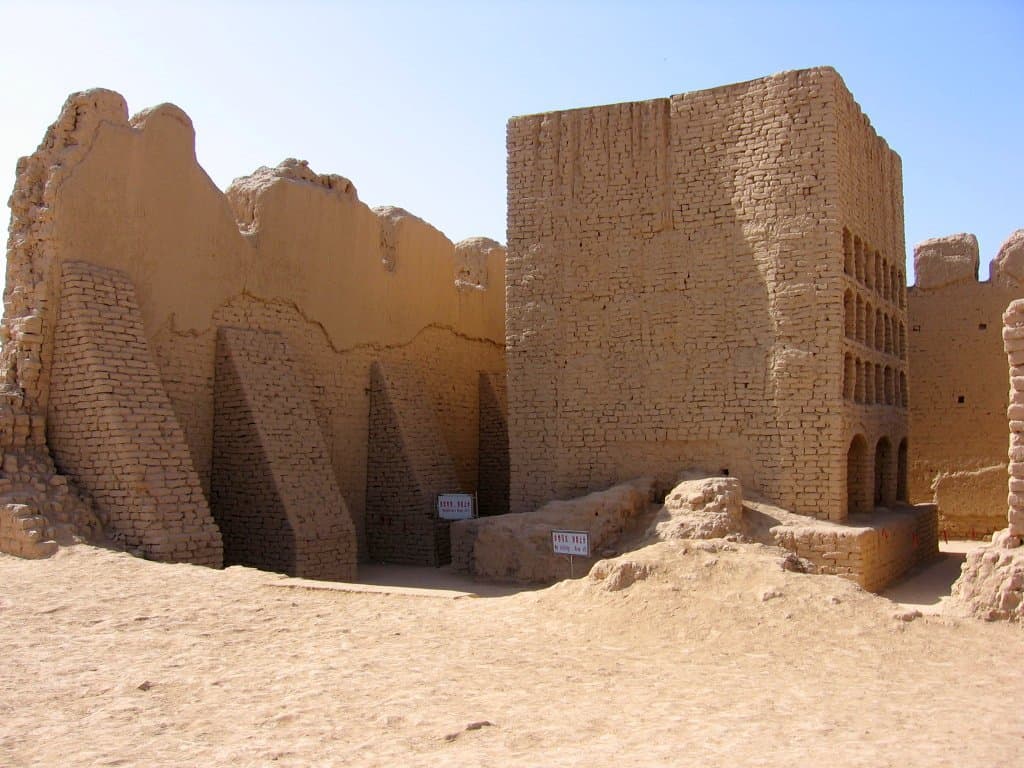
During the Yuan dynasty and Ming dynasty, Gaochang was known as "Halahezhuo" (哈拉和卓) or Qara-khoja, and later as Huozhou. The city’s prominence declined after it was destroyed in wars during the 14th century. Despite its ruin, the remains of the palace ruins, city walls, and other structures both inside and outside the city boundaries are still visible today, providing valuable archaeological insights into its past.
Architectural features and archaeological remains
The ruins of Gaochang reveal a well-fortified city with large defensive walls constructed from rammed earth, a common building technique in the region. The city’s layout included a central palace complex, multiple temples, residential areas, and marketplaces. Archaeological excavations have uncovered remnants of Buddhist temples adorned with murals and statues, reflecting the religious diversity and artistic achievements of the city.
Gaochang’s urban planning demonstrates the integration of Chinese city design principles with local adaptations suited to the desert environment. The use of courtyards, narrow streets, and water management systems highlights the ingenuity of its builders in creating a sustainable oasis city.
Cultural legacy and world heritage status
Gaochang’s historical and cultural significance has been recognized internationally. In 2014, it was inscribed as part of the Silk Roads: the Routes Network of Chang'an-Tianshan Corridor UNESCO World Heritage Site. This designation underscores its role in facilitating the exchange of goods, ideas, and cultures along the ancient Silk Road network.
Nearby the Gaochang ruins lie the Astana tombs, another major archaeological site that provides further understanding of the region’s history and the people who inhabited this part of Xinjiang.
Preservation and current condition
Today, Gaochang exists as archaeological ruins with much of its original structures in a ruined state due to centuries of natural decay and historical conflicts. Conservation efforts focus on protecting the site from further deterioration and enabling scholarly research. Visitors can explore the remains and gain insight into the city's past importance as a thriving oasis and Silk Road center.
Access to the site allows for an educational experience about the early medieval period in Central Asia and the complex interactions between nomadic and settled cultures along one of history’s most famous trade routes.
Frequently asked questions (FAQ)
- How do I get to Gaochang Castle?
- Gaochang Castle is located near Turpan in Xinjiang, China. You can reach the site by taking a bus from Turpan city center, which is approximately 30 kilometers away. Taxis are also available for a more direct route.
- What is the historical significance of Gaochang Castle?
- Gaochang Castle was an important cultural and trade hub along the Silk Road during the Tang Dynasty. It served as a center for Buddhism and has numerous relics and temples that reflect its historical importance. The site is a UNESCO World Heritage Site, showcasing the rich history of the region.
- When was Gaochang Castle built?
- Gaochang Castle was established in the 1st century BC, originally as a military outpost. Over the centuries, it evolved into a prominent city and cultural center, reaching its peak during the Tang Dynasty. The architecture reflects various influences due to its role as a melting pot of cultures.
- Can I enter the castle grounds?
- Yes, visitors can enter the castle grounds and explore its ruins. There are designated pathways and areas for tourists to discover the fascinating remnants of the ancient city. Guided tours are also available to enhance your experience.
- Why is Gaochang Castle famous for its architecture?
- The architecture of Gaochang Castle is notable for its unique blend of Han, Tibetan, and Islamic styles, reflecting the diverse cultures that interacted in this region. The city layout, with its defensive walls and temples, showcases the advanced urban planning of its time. Visitors can appreciate the historical significance through the remaining structures and ruins.
- Is it possible to visit Gaochang Castle year-round?
- Yes, Gaochang Castle is open to visitors throughout the year. However, the best time to visit is during the spring and autumn months when the weather is mild and pleasant for exploration. Summer can be extremely hot, while winter may bring snow in the region.
- What are the opening hours for Gaochang Castle?
- Gaochang Castle typically opens at 8:00 AM and closes at 6:30 PM, but these hours may vary seasonally. It is advisable to check for any updates or changes in operating hours before your visit. Arriving early can provide you with a quieter experience.
- What are the ticket prices for Gaochang Castle?
- The ticket price for Gaochang Castle is generally affordable, with discounts available for students and seniors. As prices may change, it's recommended to check the official website or local information sources before your visit for the latest ticketing details.
- Are there nearby attractions to visit while in the area?
- Yes, there are several attractions near Gaochang Castle, including the Flaming Mountains and the ancient city of Jiaohe. These sites offer additional insights into the region's history and natural beauty. Exploring these nearby landmarks can enrich your overall experience in Turpan.
Photo gallery

Information
Loading map...
Visitor reviews
No reviews yet. Been here? Write the first review and help other travelers!
Write the first reviewVisited this castle? Share your experience
Your review helps other travelers and adds first-hand knowledge to our encyclopedia.