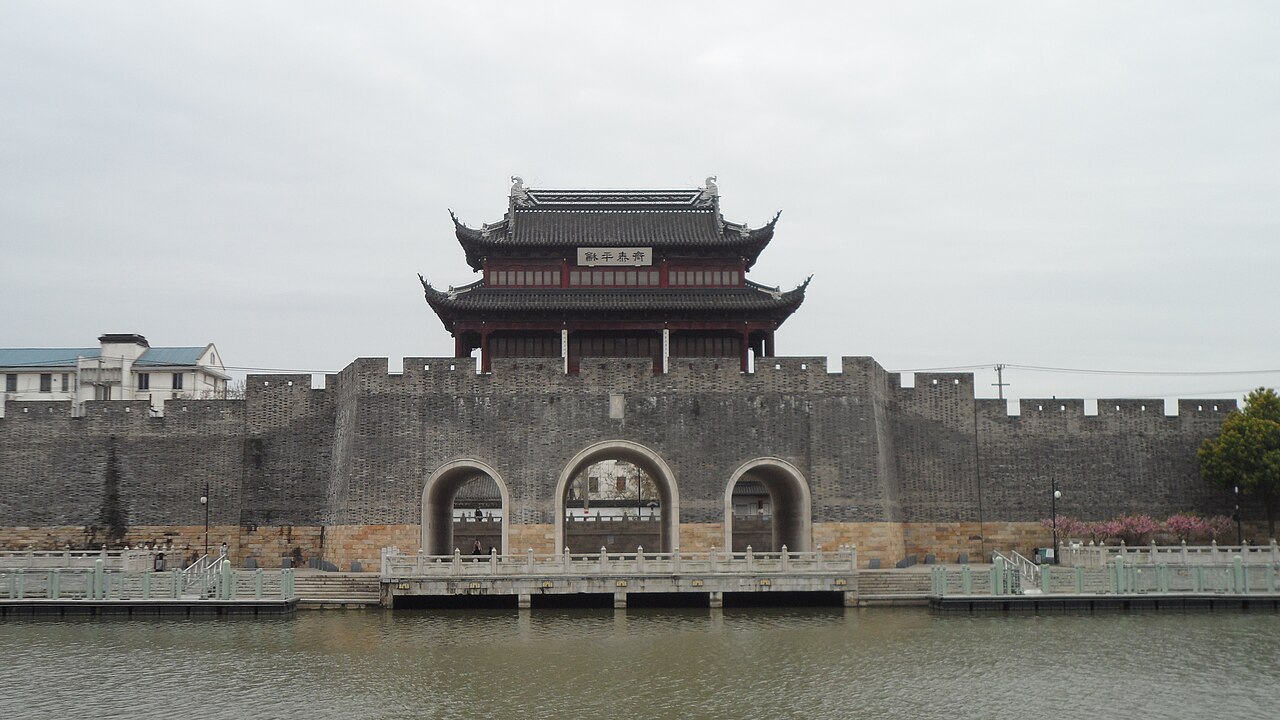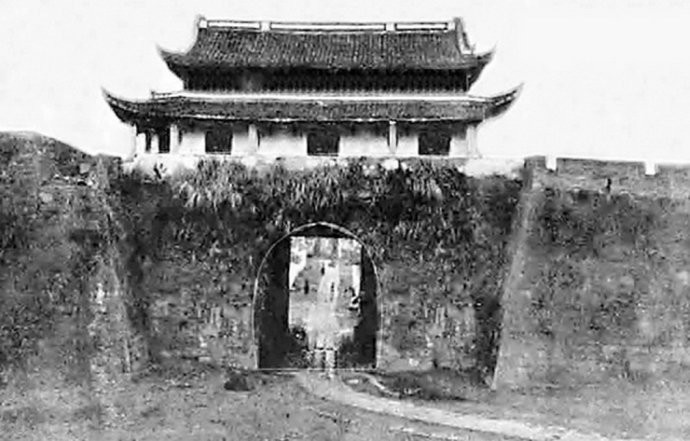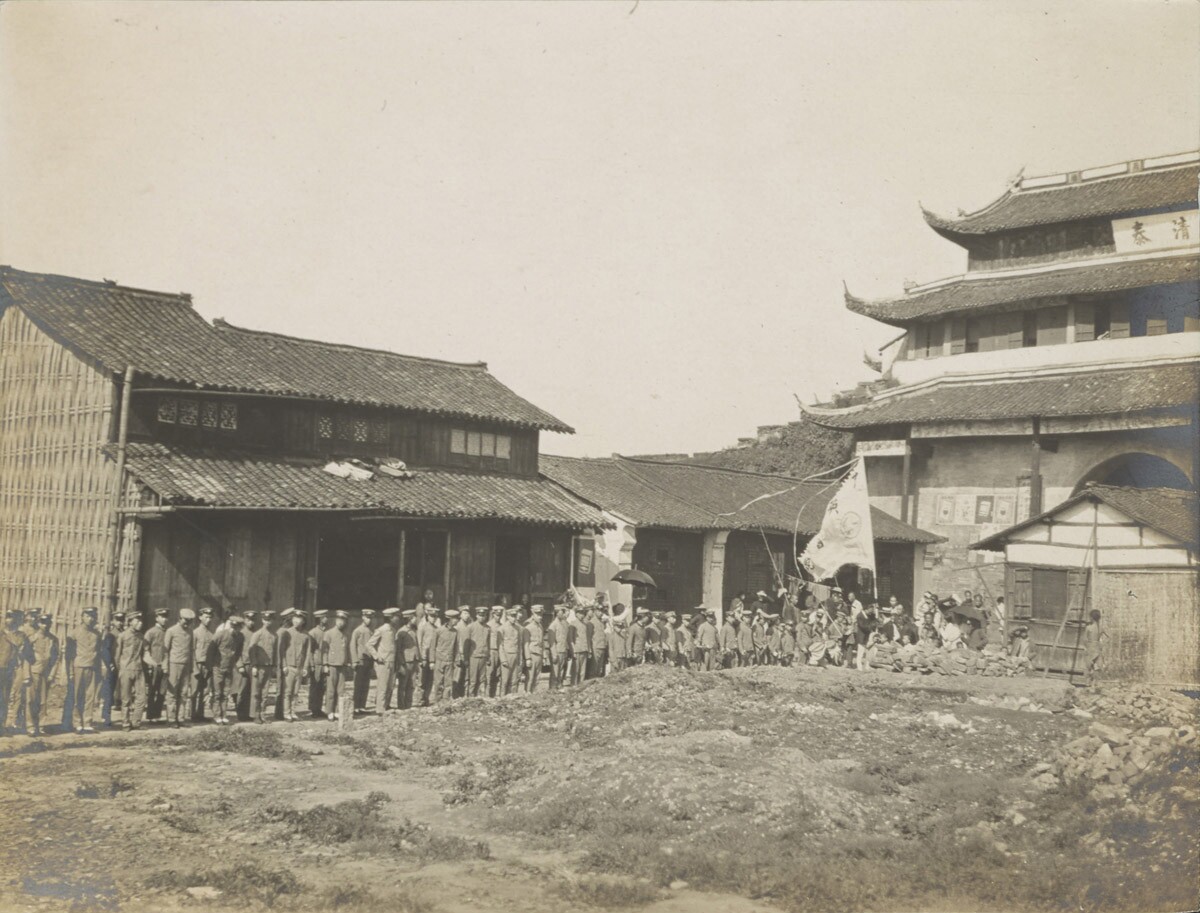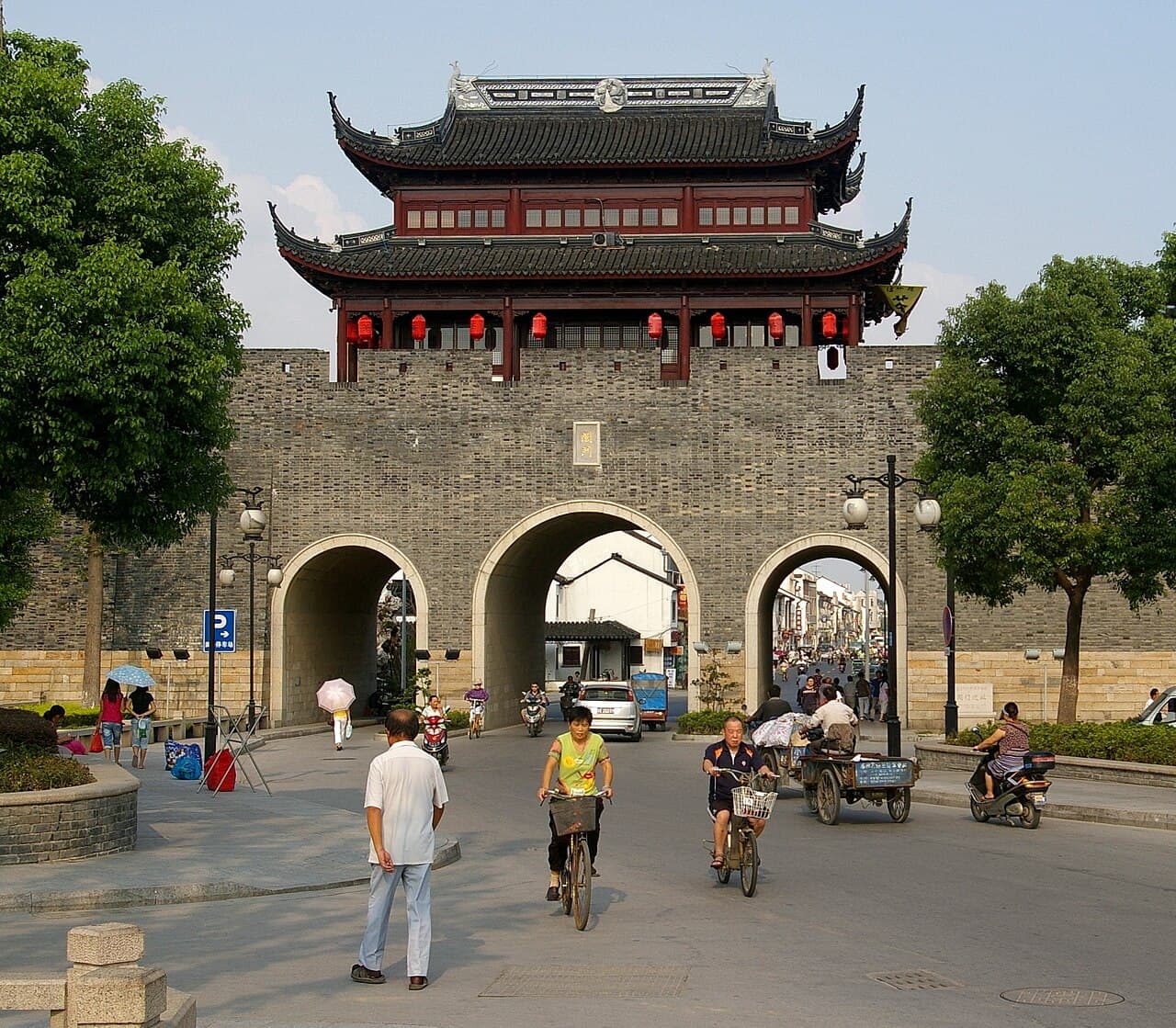
Changmen is a notable example of a bastioned fortress located in China, reflecting the military architectural advancements that were influenced by both indigenous and foreign defensive designs. This fortress stands as a significant historical structure, embodying the strategic military thinking that emerged during periods when artillery and gunpowder weaponry necessitated new forms of fortification.
Historical context and significance
The construction of Changmen fortress is closely tied to the era when China was adapting its traditional fortifications to meet the challenges posed by the introduction of firearms and cannons. While the exact date of construction remains uncertain, bastioned fortresses in China generally emerged or were renovated between the late Ming dynasty (1368–1644) and the Qing dynasty (1644–1912), as military technology evolved.
This period marked a transition from medieval defensive walls and towers to angled bastions designed to deflect cannon fire and provide overlapping fields of defensive fire. The fortress likely played a role in regional defense, controlling strategic routes or protecting important settlements.
Architectural features of Changmen
The defining characteristic of Changmen is its bastioned design, a style that incorporates projecting angular bastions at the corners of the fortress walls. These bastions allowed defenders to cover adjacent walls with gunfire, eliminating blind spots and enhancing the fortress’s defensive capabilities.
The fortress walls are typically thick and robust, constructed from stone or brick, materials chosen for their durability against artillery bombardment. The layout would include a curtain wall connecting the bastions, a moat or ditch for additional defense, and fortified gates controlling access.
Inside, the fortress might have contained barracks, armories, and command posts, arranged around a central courtyard. The design emphasizes both defense and the ability to sustain a garrison under siege.
Military role and strategic importance
Changmen’s location, while not precisely documented, would have been chosen for its strategic value—possibly guarding a key trade route, river crossing, or border area. Bastioned fortresses were integral to the defense systems of their regions, serving as strongpoints that could resist prolonged attacks.
The fortress’s design reflects an adaptation to the increasing use of gunpowder weapons in Chinese warfare. Its bastions and thick walls were intended to absorb and repel artillery fire, while providing platforms for defenders to mount their own cannons and muskets.
Preservation and current status
The current condition of Changmen fortress is not well-documented in widely available sources. However, bastioned fortresses in China often face challenges related to urban development, neglect, or natural decay. Some have been preserved or partially restored as cultural heritage sites, while others remain in ruins.
Efforts to maintain such fortifications are important for understanding China’s military history and architectural evolution. If accessible, Changmen would offer valuable insights into the adaptation of European-style bastioned fortifications within an East Asian context.
Architectural influences and cultural integration
The bastioned design of Changmen indicates the influence of European military engineering introduced to China through Jesuit missionaries and military advisors during the late Ming and early Qing periods. This cross-cultural exchange led to the integration of Western fortification principles with traditional Chinese construction techniques.
This fusion created unique fortresses that balanced local building materials and styles with the geometric precision and defensive advantages of bastions, reflecting a period of significant military and cultural interaction.
Visiting Changmen and its surroundings
While specific visitor information is not available, bastioned fortresses like Changmen, when accessible, attract historians, architects, and tourists interested in military history and ancient architecture. Visitors often explore the fortress’s walls, bastions, and internal structures to appreciate the ingenuity of its design.
The surrounding region may also feature other historical sites, natural landscapes, and cultural landmarks that complement a visit to the fortress.
Frequently asked questions (FAQ)
- What is a bastioned fortress, and why is Changmen classified as one?
- A bastioned fortress features angled projections called bastions that allow defenders to cover all approaches with gunfire. Changmen is classified as such due to its design incorporating these defensive bastions, which improved protection against artillery attacks.
- When was Changmen fortress likely constructed?
- While the exact date is unknown, bastioned fortresses in China were typically built or modified between the late Ming dynasty and Qing dynasty, reflecting the period when gunpowder weapons influenced military architecture.
- Can visitors access Changmen fortress today?
- Specific visitor information for Changmen is not widely available. Access may depend on local preservation efforts and regional tourism development.
- What architectural influences shaped Changmen fortress?
- Changmen reflects the influence of European military engineering introduced to China in the late Ming and early Qing periods, blending Western bastion designs with traditional Chinese building methods.
- Why were bastioned fortresses important in Chinese military history?
- Bastioned fortresses like Changmen were crucial for adapting to the use of artillery and firearms, providing stronger defense and better fields of fire compared to earlier medieval walls.
Photo gallery

Information
Loading map...
Visitor reviews
No reviews yet. Been here? Write the first review and help other travelers!
Write the first reviewVisited this castle? Share your experience
Your review helps other travelers and adds first-hand knowledge to our encyclopedia.