Fan Lau Fort — China castle

Fan Lau Fort

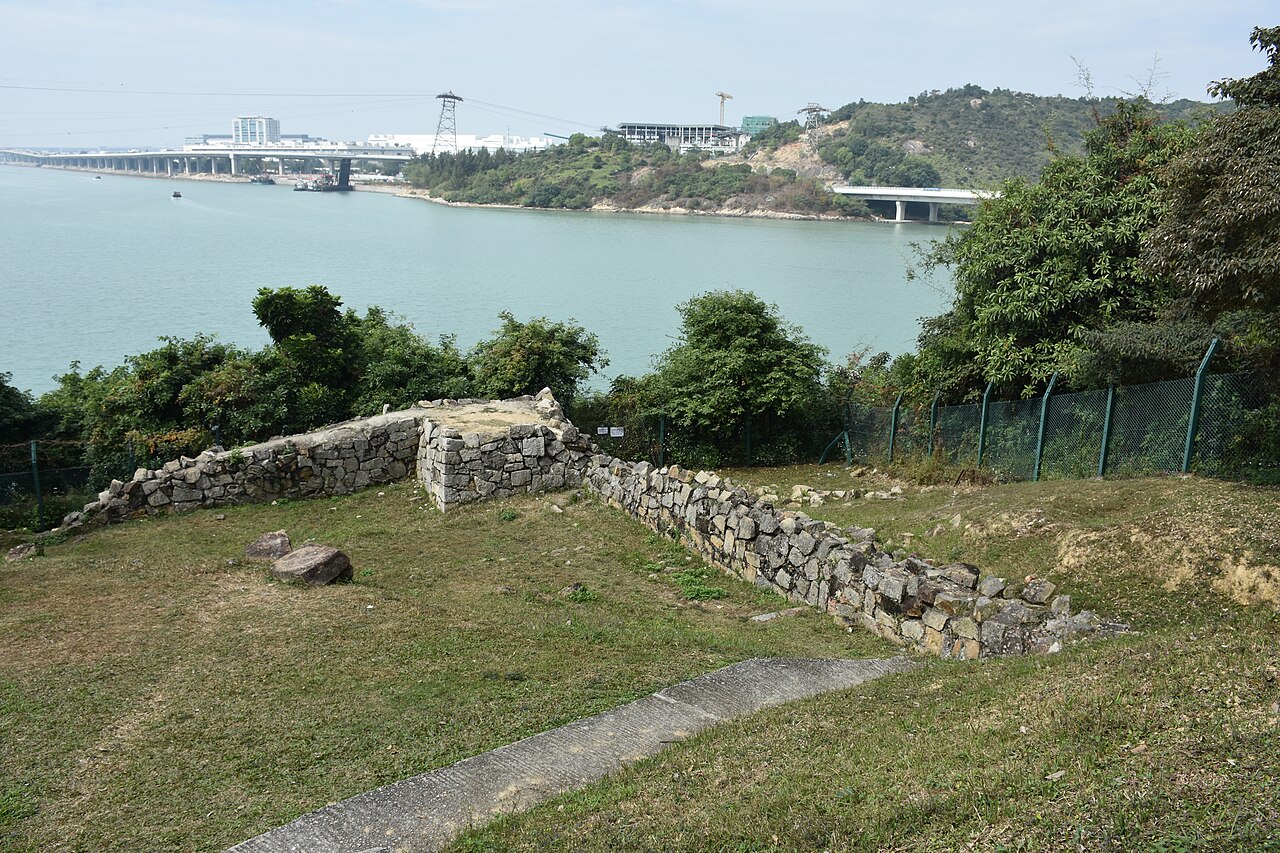
Fan Lau Fort on Lantau Island, Hong Kong
Post-Renaissance (17th–18th c.)
Partially Preserved

Fan Lau Fort is a historic military fortification located on the southwestern tip of Lantau Island in Hong Kong. Constructed in 1729 during the reign of the Yongzheng Emperor of the Qing dynasty, this 18th-century bastioned fortress was strategically positioned to guard the South China Sea and protect the coast from pirates and foreign naval threats. The fort's location on the Fan Lau peninsula allowed it to control maritime routes and serve as an early warning post for the imperial authorities.

The strategic importance and historical context

During the early 18th century, the Qing government sought to strengthen its coastal defenses amid increasing pirate activity and foreign incursions. Fan Lau Fort was part of a network of fortifications established along the southern Chinese coast to secure maritime trade routes and maintain imperial control. Its construction predates British colonial rule in Hong Kong by over a century, highlighting its role in the region's pre-colonial military infrastructure.

Architectural features and design

The fort is a bastioned fortress, a style that incorporates angled bastions designed to provide overlapping fields of fire, minimizing blind spots and enhancing defensive capabilities. The walls are constructed from local granite and brick, giving the structure a robust and enduring presence. The fort's layout includes:

  • Thick defensive walls with embrasures for cannons
  • Four bastions positioned at corners to cover all approaches
  • A central courtyard serving as a muster area for troops
  • Internal barracks and storage rooms for ammunition and supplies
  • Watchtowers for surveillance of surrounding waters

The design reflects military engineering principles of the post-Renaissance period, adapted to the coastal environment of southern China.

Operational history and decline

Fan Lau Fort was actively used throughout the 18th and 19th centuries, playing a key role in coastal defense. However, with the decline of pirate threats and changes in political control, the fort's military importance diminished. After the British took possession of Hong Kong in 1842, the fort was gradually abandoned and officially ceased operations by 1898. The British colonial administration did not maintain the fort, leading to its gradual deterioration.

Preservation and current status

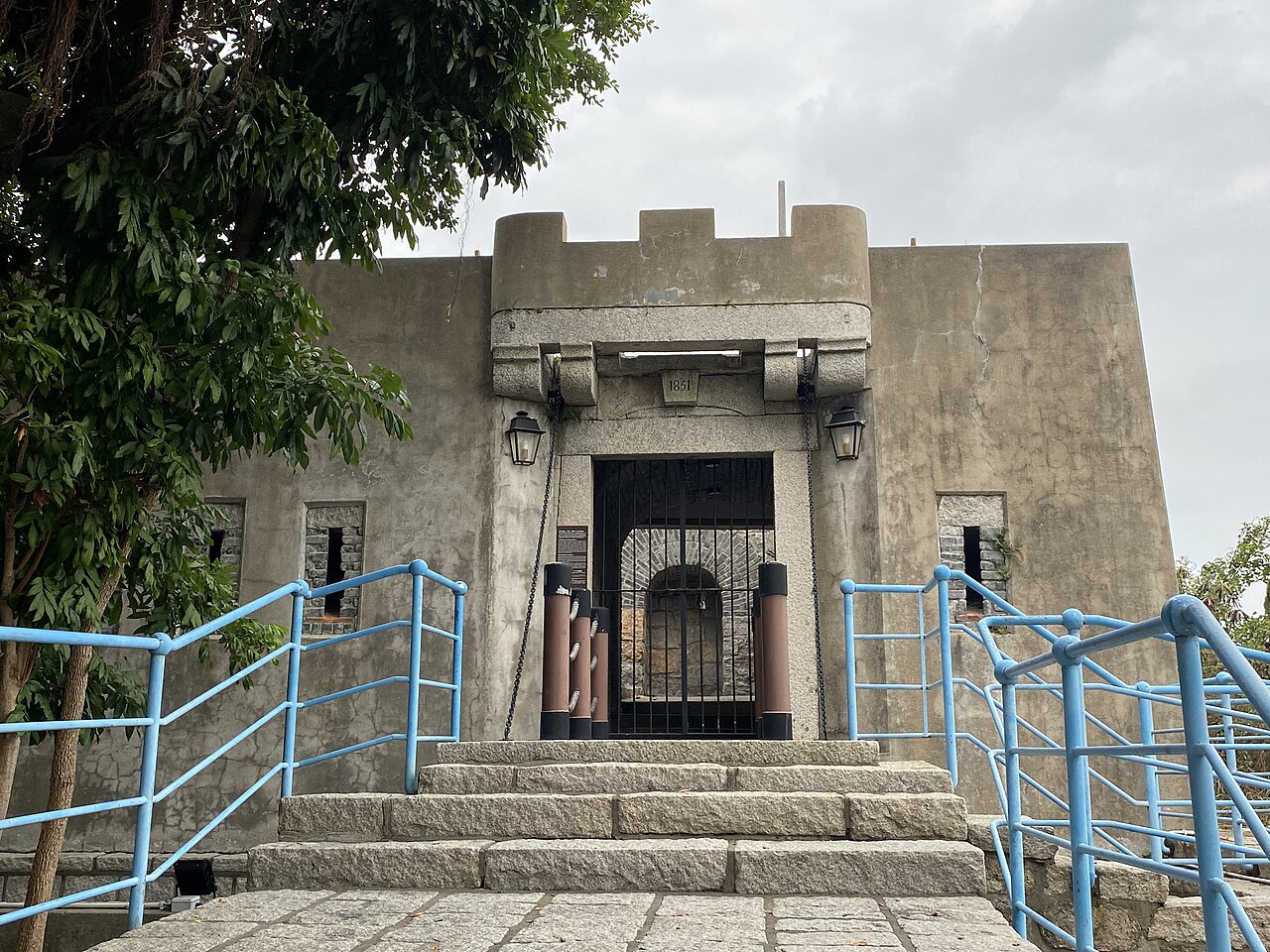
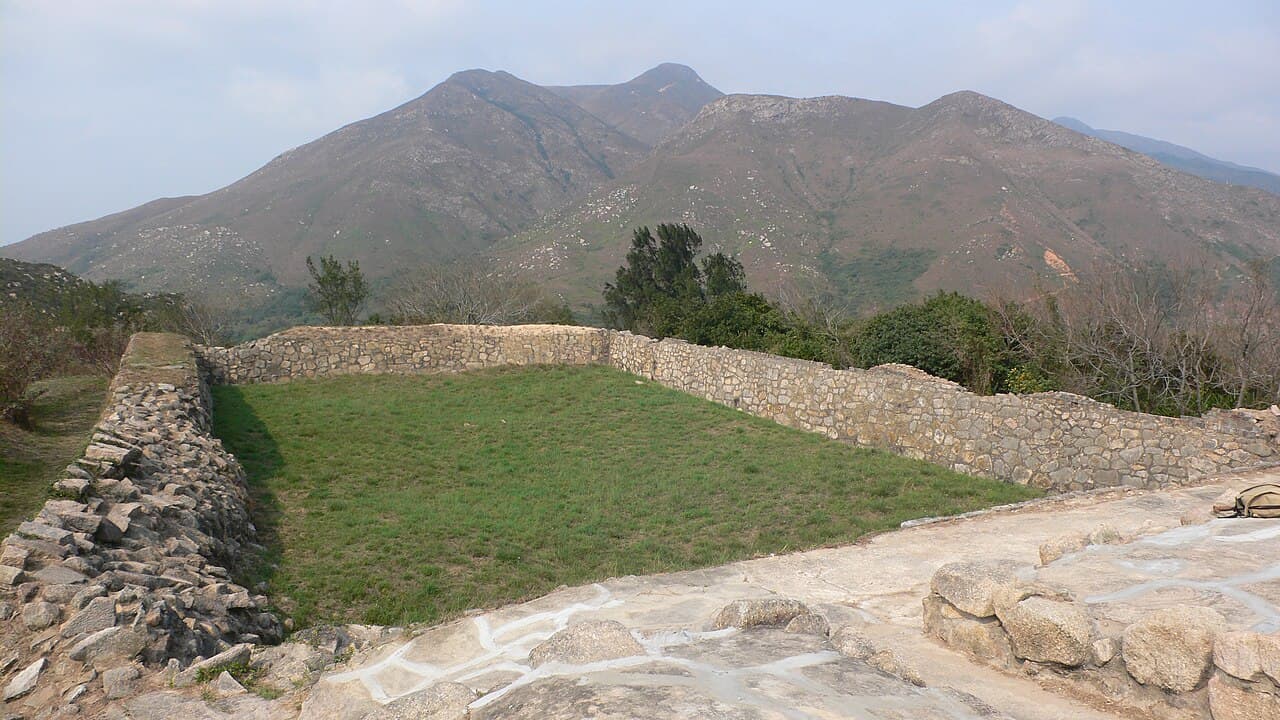
Recognizing its historical and cultural significance, the Hong Kong government declared Fan Lau Fort a monument in 1981. Since then, efforts have been made to preserve the remaining structures, although the fort remains in a partially preserved condition. Visitors to the site can observe the well-defined bastions, the rugged stone walls, and the remnants of the internal buildings.

The fort is accessible via hiking trails on Lantau Island, providing not only a glimpse into Hong Kong's military past but also scenic views of the surrounding sea and landscape. It stands as a testament to the region's strategic maritime history before the era of British colonialism.

Fan Lau Fort in cultural heritage and tourism

Today, Fan Lau Fort is valued as a cultural heritage site that connects modern visitors to the Qing dynasty's coastal defense system. It attracts history enthusiasts, hikers, and tourists interested in exploring Hong Kong's lesser-known historical landmarks. The fort's remote location and rugged terrain contribute to its appeal as an off-the-beaten-path destination.

Interpretive signage at the site provides educational information about the fort's architecture and historical role. Preservation efforts continue to focus on stabilizing the ruins and promoting awareness of this unique bastioned fortress.

Frequently asked questions (FAQ)

How do I get to Fan Lau Fort on Lantau Island?
Fan Lau Fort is accessible by hiking trails on Lantau Island. Visitors typically start from nearby villages or trailheads, and the hike offers scenic views along the way.
What is the historical significance of Fan Lau Fort?
Fan Lau Fort was built in 1729 during the Qing dynasty to defend the southern coast of China from pirates and foreign threats, predating British rule in Hong Kong.
Is Fan Lau Fort open to the public year-round?
Yes, Fan Lau Fort is open to the public year-round as it is an outdoor historical site accessible via hiking trails, though there are no formal visitor facilities on site.
Can I see original architectural features at Fan Lau Fort?
Visitors can observe the fort's bastioned walls, embrasures for cannons, and remnants of internal barracks, showcasing typical 18th-century military architecture.
Why was Fan Lau Fort abandoned?
The fort was abandoned after 1898 due to reduced military importance following British colonial control and the decline of pirate threats in the region.

Photo gallery

Fan Lau Fort
Click to view

Photo by Isaac Wong (惡德神父)•CC BY-SA 3.0

1 photo • Click any image to view in full screen

Information

Bastioned Fortress

Current owner

Hong Kong government

Loading map...

Visitor reviews

No reviews yet. Been here? Write the first review and help other travelers!

Write the first review

Visited this castle? Share your experience

Your review helps other travelers and adds first-hand knowledge to our encyclopedia.
Write a review

(5/5)

0/2000 characters

Your review will be visible after admin approval

Nearby castles

12.4 km
Tung Chung Fort — China castle

Tung Chung Fort

Tung Chung, China

Tung Chung Fort is a historic bastioned fortress located near Tung Chung on Lantau Island, Hong Kong. It stands close to Tung Chung Road and is surrounded by the traditional villages of Sheung Ling Pei and Ha Ling Pei. The fort is strategically positioned to guard the coastal area and protect the nearby settlements and maritime trade routes. It has a companion structure, the Tung Chung Battery, situated on the coast to provide additional defense against seaborne threats.Historical context and constructionDespite some sources suggesting an earlier date, Tung Chung Fort was constructed in the 19th century, specifically around 1817, during the Qing Dynasty. Its purpose was to defend the area against pirates and foreign invaders threatening the southern coast of China. The fortification was part of a broader coastal defense system established by the Qing government to secure maritime trade and local communities.The fort's construction reflects military architectural principles of the time, designed to withstand artillery attacks and provide a strong defensive position. The use of bastions allowed defenders to cover all approaches with overlapping fields of fire, a common feature in coastal fortifications of the period.Architectural features and layoutTung Chung Fort is a relatively small fortification but well-planned, featuring a rectangular layout with bastioned corners that project outward to enable defensive fire along the walls. The walls are constructed of granite blocks, providing robust protection against cannon fire and small arms.The fort includes a main gate facing inland, which was the primary access point, and several loopholes and embrasures along the walls for muskets and cannons. Inside, the fort originally housed barracks, storage rooms, and a gun platform. The gun platform was positioned to command a clear view of the sea and surrounding terrain, enabling effective control over the coastal approach.Defensive structuresThe bastions at each corner of the fort allowed defenders to cover the curtain walls with enfilading fire, a key defensive tactic in bastioned fortifications. The walls are topped with parapets and crenellations, providing cover for soldiers while they fired upon attackers.The nearby Tung Chung Battery complemented the fort's defenses by covering the seaward side more directly, creating a layered defense system against naval threats.Historical significance and usageTung Chung Fort played a crucial role in the coastal defense system of Hong Kong during the early 19th century. It was part of the Qing government's efforts to suppress piracy and protect local inhabitants and trade routes from foreign incursions. The fort's strategic location allowed it to monitor and control maritime traffic entering the area.Though it never witnessed major battles, the fort's presence served as a deterrent to pirates and smugglers. Over time, as military technology and political circumstances changed, the fort's defensive importance declined, and it was eventually abandoned.Restoration and current conditionToday, Tung Chung Fort is well preserved and managed as a historic monument. It has undergone restoration efforts to maintain its structural integrity and to make it accessible to the public. Visitors can explore the fort's walls, bastions, and internal structures, gaining insight into 19th-century coastal defense architecture.The site is open for educational and tourism purposes and serves as a cultural heritage landmark that reflects the military history of Hong Kong and southern China.Visitor information and accessibilityThe fort is accessible via Tung Chung Road and is near the Tung Chung MTR station, making it convenient for visitors. It is open daily, and there is no entrance fee, encouraging public engagement with the site.Interpretive signage and guided tours are sometimes available to provide historical context and architectural details to enhance the visitor experience.

High Medieval (11th–13th c.)
Details
13.1 km
Tung Chung Battery — China castle

Tung Chung Battery

Tung Chung, China

Tung Chung Battery is a historic artillery battery located on Lantau Island in Hong Kong. Constructed in 1817, this bastioned fortress predates British colonial rule by over two decades, marking it as an important military installation during the late Qing dynasty. It was strategically positioned to guard the western approaches to the island and protect the local population from piracy and foreign threats. Historical context and construction The battery was built during the early 19th century as part of coastal defenses amid increasing maritime activity and piracy in the South China Sea. Its construction in 1817 reflects the Qing government's efforts to strengthen military presence in the region. The site was chosen for its vantage point overlooking the South China Sea and the Tung Chung Bay, enabling artillery to cover the sea lanes and deter hostile ships. The battery's role was primarily defensive, equipped with cannons mounted on a allowing enfilading fire along the coastline. Its design followed the principles of a bastioned fortress, featuring angular walls to maximize defensive coverage and reduce blind spots. This style was typical for coastal fortifications of the period, combining functionality with strategic placement. Architectural features and layout Tung Chung Battery comprises a small fortified platform with bastions at the corners, constructed from local granite and bricks. The walls are thick and sloped to resist cannon fire and erosion from sea spray. The battery originally housed several muzzle-loading cannons arranged to cover the bay and seaward approaches. The structure includes a parapet with embrasures for the cannons and a small powder magazine for ammunition storage. The design is utilitarian, focusing on defense rather than residential or ceremonial functions. The battery's compact size reflects its role as a coastal outpost rather than a large fortress. Rediscovery and preservation After falling into disuse following the British acquisition of Hong Kong in 1841, the battery was largely forgotten and became overgrown. It was rediscovered in 1980 during archaeological surveys and recognized for its historical significance. Since then, it has been declared a monument of Hong Kong, ensuring its protection and conservation. Preservation efforts have stabilized the remaining walls and bastions, allowing visitors to appreciate the early 19th-century military architecture. The site offers insight into the coastal defense strategies employed before British colonial rule and serves as a tangible link to the region's maritime history. Visiting Tung Chung Battery Today, Tung Chung Battery is accessible to the public and forms part of the heritage trails on Lantau Island. Visitors can explore the ruins and enjoy views over Tung Chung Bay and the surrounding sea. Interpretive signage provides historical context, enhancing the educational experience. The battery's location near Tung Chung town makes it a convenient stop for those interested in military history and Hong Kong's coastal defenses. It complements visits to other historical sites on Lantau Island, including temples and fishing villages, offering a well-rounded cultural excursion.

Modern (19th–20th c.)
Details
30.5 km
Fort Dona Maria II — China castle

Fort Dona Maria II

Macau, China

Fort Dona Maria II, also known as Fortaleza de Dona Maria II, is a prominent 19th-century bastioned fortress situated in Macau, China. This modern period fortification exemplifies the military architectural advances of its era, designed to protect the strategic port city of Macau, which was a significant trading hub under Portuguese administration. Historical context and strategic importance Constructed during the 19th century, Fort Dona Maria II was part of a broader effort by the Portuguese colonial government to strengthen Macau's coastal defenses against potential naval threats. Macau's position on the South China Sea made it a vital point for maritime trade and military control in the region. The fort's establishment reflects the geopolitical tensions and the need for enhanced fortifications during a period marked by increasing European imperial competition in Asia. Architectural features and design The fort is classified as a bastioned fortress, a style characterized by angular bastions projecting outward from the main walls, allowing defenders to cover adjacent walls with overlapping fields of fire. This design was a response to the evolution of artillery and siege warfare, providing improved defensive capabilities compared to earlier medieval castles. Fort Dona Maria II features thick masonry walls constructed from local materials, designed to withstand cannon fire. The bastions are positioned to maximize coverage of the surrounding waters and land approaches. Inside, the fort includes gun emplacements, ammunition storage rooms, and soldiers' quarters, reflecting its primary function as a military installation rather than a residential palace. Defensive layout The layout incorporates a curved curtain wall connecting the bastions, with a moat or ditch likely surrounding the perimeter to hinder attackers. The entrance is fortified with a gatehouse, possibly featuring a drawbridge or heavy doors, typical of bastioned forts of this period. Role during colonial Macau Throughout its operational history, Fort Dona Maria II served as a key defensive structure protecting Macau from naval incursions and piracy. Its presence helped secure Portuguese interests in the region during a time when European powers were vying for influence in Asia. The fort was part of a network of fortifications that included other nearby forts and batteries, collectively ensuring the security of Macau's harbor. Current condition and cultural significance Today, Fort Dona Maria II remains a well-preserved example of 19th-century military architecture in Macau. While no longer active as a military installation, it stands as a cultural landmark reflecting Macau's colonial past and its strategic maritime heritage. The fort attracts visitors interested in military history and colonial architecture, offering insights into the defensive strategies of the period. Preservation efforts Efforts have been made to maintain the structural integrity of the fort, ensuring that its bastions, walls, and internal chambers remain intact for educational and touristic purposes. The site is accessible to the public, with interpretive materials available to explain its historical and architectural significance.

Modern (19th–20th c.)
Details