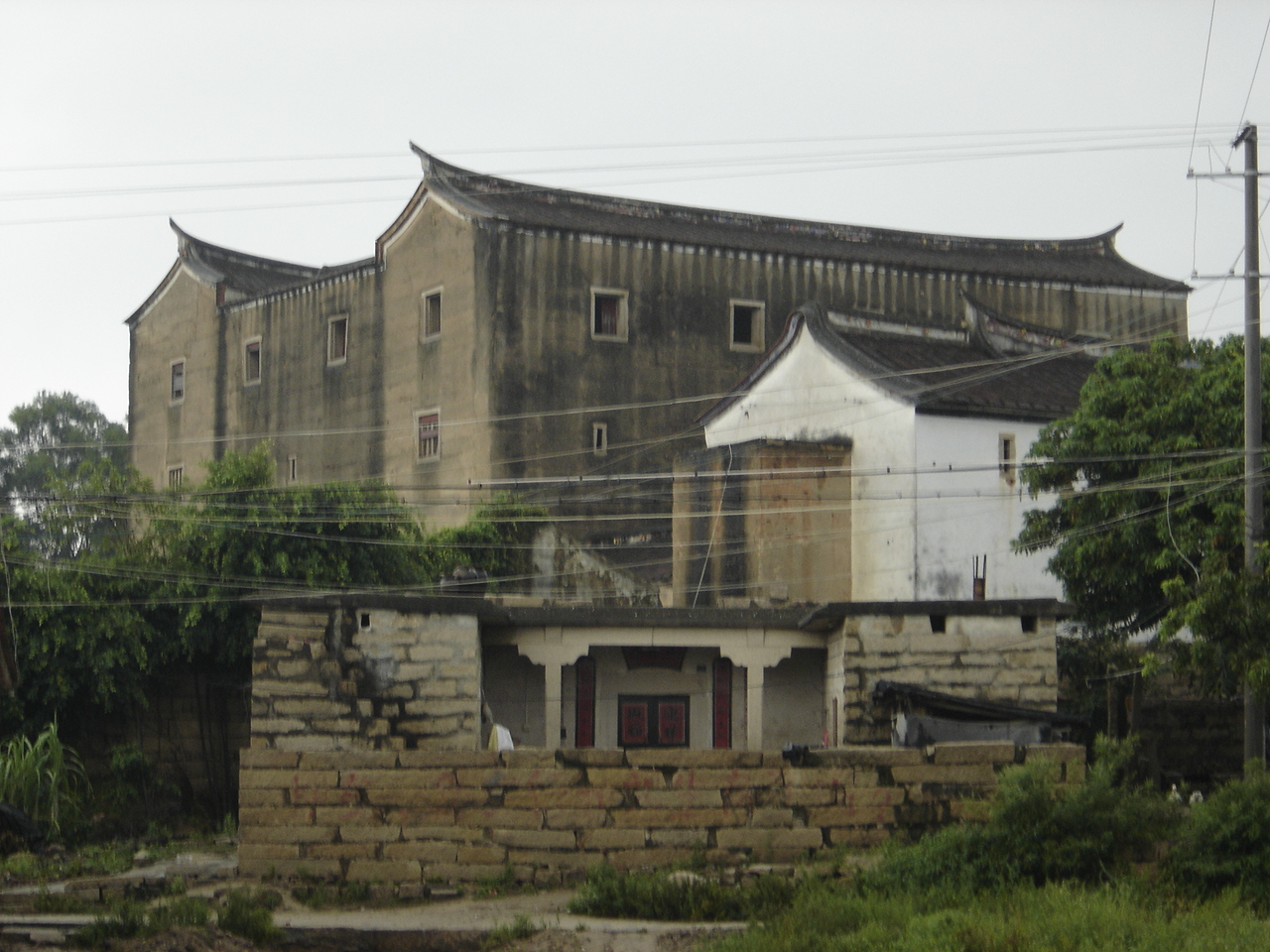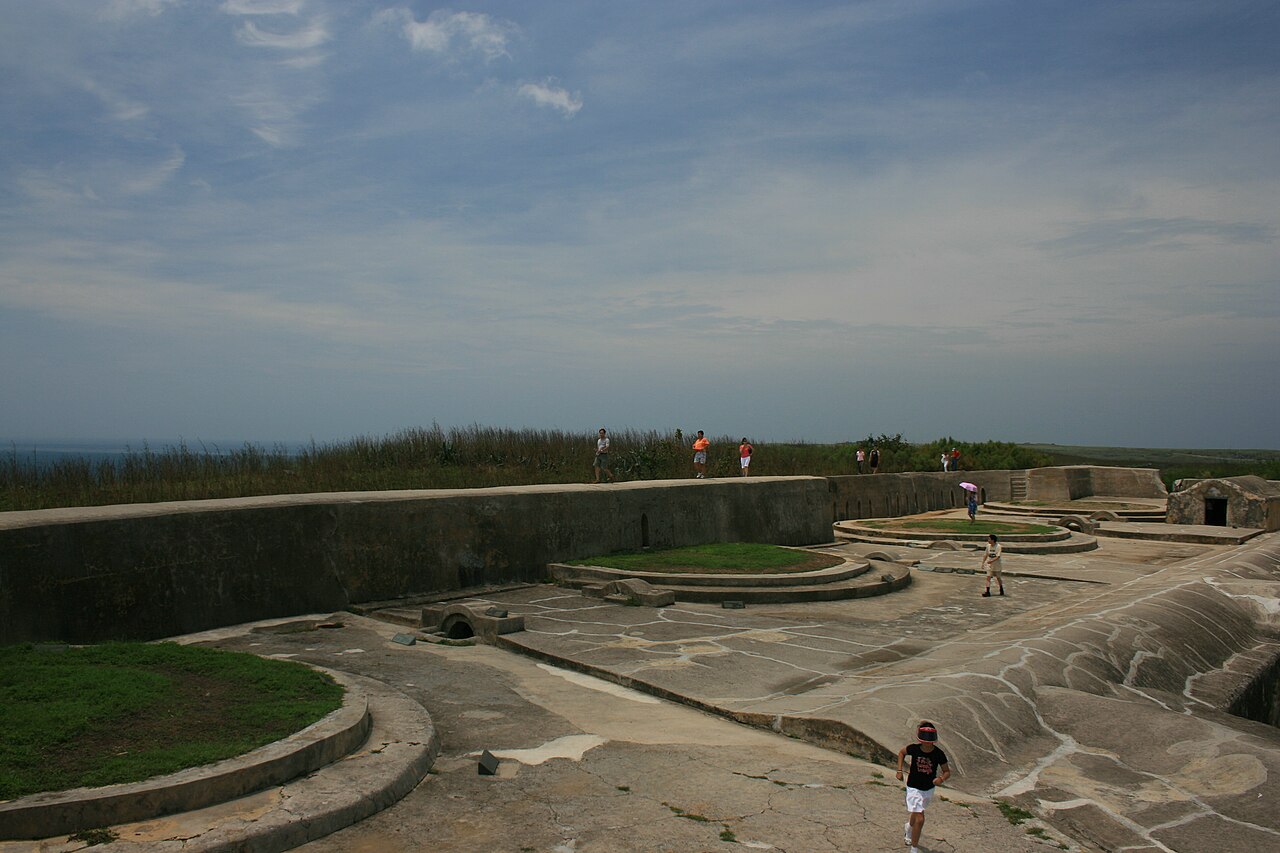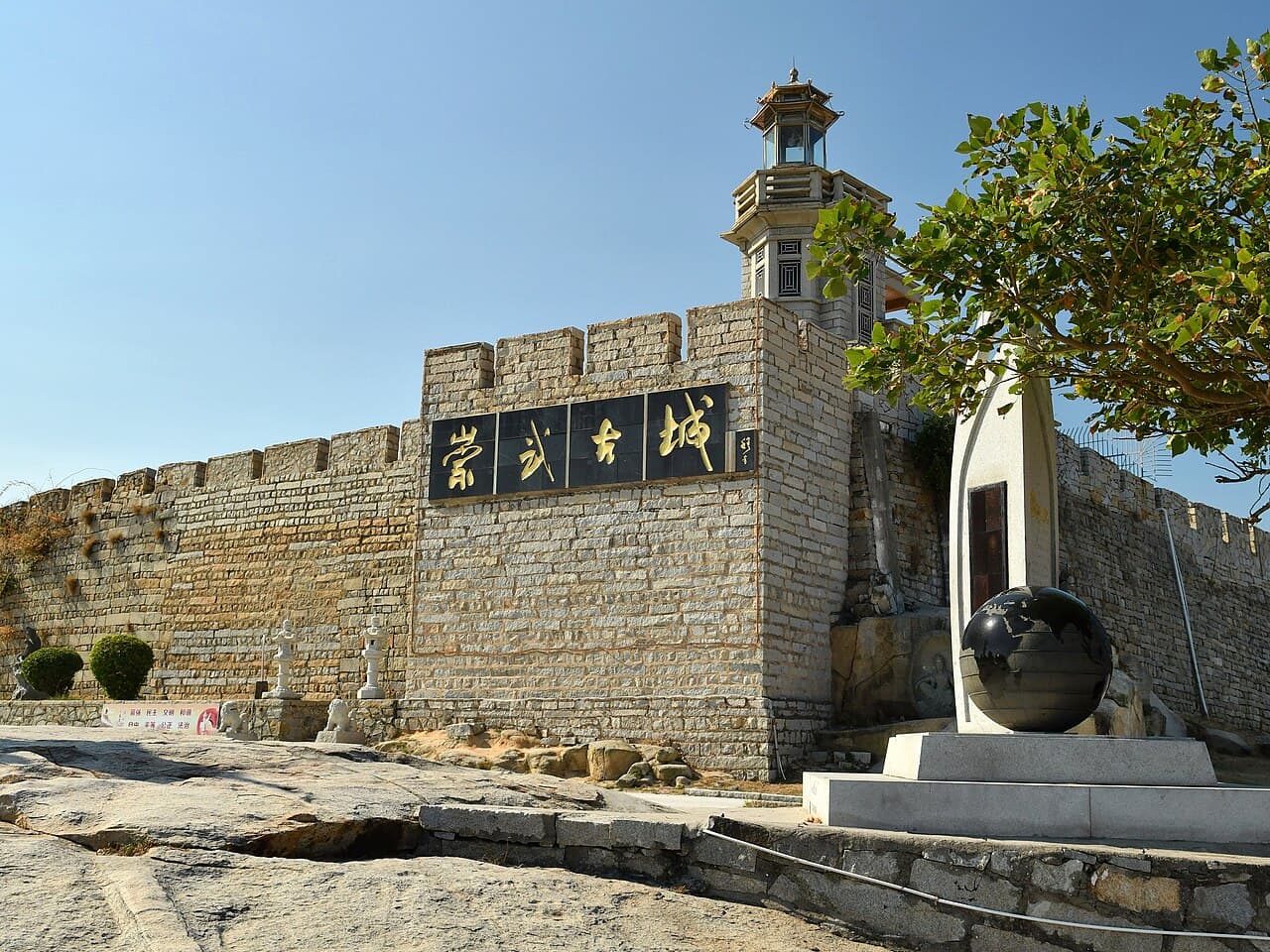
Chongwu City — China castle

Chongwu City

Chongwu city bastioned fortress in china
Fujian, China
Post-Renaissance (17th–18th c.)
Well Preserved

Chongwu City is a historic bastioned fortress located on the southeastern coast of China, in the Fujian province. It is renowned for its well-preserved Ming dynasty military architecture, reflecting the strategic importance of coastal defenses during the post-medieval period. The fortress was constructed primarily in the 14th century, serving as a critical stronghold against pirate incursions and foreign invasions along China's southeastern seaboard.

Historical background and strategic importance

Built during the early years of the Ming dynasty (1368–1644), Chongwu City was part of a broader coastal defense system established to protect the empire from maritime threats. The fortress's location on a rocky promontory allowed for extensive surveillance over the surrounding sea, making it an ideal site for early warning and defense against pirates and hostile naval forces. Its construction was commissioned by the Ming government as part of efforts to consolidate control over the coastal regions and secure maritime trade routes.

Architectural features and design

Bastioned walls and fortifications

The fortress is characterized by its bastioned walls, which are thick and robust, designed to withstand artillery attacks and provide overlapping fields of fire. These bastions protrude from the main curtain walls, enabling defenders to cover adjacent walls and reduce blind spots. The walls are constructed from local granite and brick, materials chosen for their durability and resistance to the harsh coastal climate.

Gates and towers

Chongwu City's main gates are fortified with heavy wooden doors reinforced by iron studs, designed to repel direct assaults. Defensive towers are strategically placed along the walls, equipped with arrow slits and cannon embrasures. These towers served as lookout points and platforms for mounting artillery, enhancing the fortress's defensive capabilities.

Internal layout and facilities

Inside the fortress walls, the layout includes residential quarters, storage facilities, and military barracks. The design reflects a self-sufficient community capable of withstanding sieges. Narrow streets and alleys connect various sections, while courtyards provide space for drills and gatherings. The fortress also contains wells and cisterns to ensure a reliable water supply during prolonged conflicts.

Cultural significance and preservation

Chongwu City is a valuable cultural heritage site that offers insight into China's post-medieval military architecture and coastal defense strategies. Its preservation allows for the study of Ming-era fortification techniques and coastal urban planning. Today, the fortress is a popular destination for visitors interested in history and architecture, showcasing traditional Chinese defensive design adapted to maritime threats.

Visiting information

The fortress is accessible to the public, with guided tours available to explore its extensive walls, gates, and towers. Visitors can walk along the battlements to appreciate the strategic vantage points and learn about the fortress's role in regional defense. The site is also close to coastal scenery, enhancing its appeal as a historical and natural attraction.

Frequently asked questions (FAQ)

How do I get to Chongwu City?
Chongwu City is located in Quanzhou, Fujian Province, China. You can reach the castle by taking a bus or driving from Quanzhou, which is approximately 50 kilometers away. Local transportation options also include taxis and ride-sharing services for convenience.
What is the historical significance of Chongwu City?
Chongwu City, built during the Ming Dynasty, is a well-preserved example of ancient military architecture. It served as a defensive fortress against pirates and foreign invasions, showcasing the strategic importance of the region. The city walls and structures reflect the rich cultural heritage of the time.
When was Chongwu City constructed?
Chongwu City was constructed in 1387 under the orders of the Ming Dynasty. The fortifications were built to protect the coastal area and have withstood the test of time, preserving much of their original structure. The castle remains a significant landmark that represents the military history of China.
Can I enter Chongwu City at any time?
Chongwu City has specific opening hours for visitors, typically from 8 AM to 6 PM. It's advisable to check the official website or local sources for the most current hours before your visit, as they may vary seasonally.
Why is the architecture of Chongwu City unique?
The architecture of Chongwu City is unique due to its combination of traditional Chinese defensive design and local Fujianese influences. The city features thick stone walls, watchtowers, and a layout that emphasizes military strategy. This blend of styles and construction techniques makes it a fascinating study for architecture enthusiasts.
Is it possible to see nearby attractions when visiting Chongwu City?
Yes, several attractions are located near Chongwu City, including the beautiful beaches and traditional fishing villages. Visitors can explore the nearby ancient pagodas and local markets to experience the culture of Fujian Province. Combining these sites with your visit to the castle can enrich your overall experience.
What are the ticket prices for visiting Chongwu City?
Ticket prices for Chongwu City are generally affordable, with entry fees around 20 RMB for adults and discounts available for students and seniors. It's best to confirm the exact prices at the entrance or on the official website before your visit, as they can occasionally change.
What is the best time to visit Chongwu City?
The best time to visit Chongwu City is during the spring and autumn months when the weather is mild and pleasant. Visiting during these seasons allows you to enjoy the beautiful scenery and participate in local festivals and events. Summer can be hot and humid, while winter may bring cooler temperatures.

Photo gallery

Chongwu City
Click to view

Photo by Tyg728•CC BY-SA 4.0

1 photo • Click any image to view in full screen

Information

Bastioned Fortress

Loading map...

Visitor reviews

No reviews yet. Been here? Write the first review and help other travelers!

Write the first review

Visited this castle? Share your experience

Your review helps other travelers and adds first-hand knowledge to our encyclopedia.
Write a review

(5/5)

0/2000 characters

Your review will be visible after admin approval

Nearby castles

137.5 km
Yi'an Fortress — China castle

Yi'an Fortress

, China

Yi'an Fortress is a notable example of a bastioned fortress located in China, reflecting the strategic military architecture that was employed to defend important territories. Although the exact city location remains uncertain, the fortress is recognized for its robust construction and historical significance within Chinese fortification traditions. Historical context and significance The fortress dates back to a period when bastioned fortifications were developed to improve defensive capabilities against artillery and siege warfare. Bastioned fortresses, characterized by angular bastions projecting outward from the curtain walls, allowed defenders to cover adjacent walls with overlapping fields of fire, minimizing blind spots. This design was a significant evolution from earlier medieval fortifications, enhancing the fortress's ability to withstand prolonged attacks. While the precise construction date of Yi'an Fortress is not documented, bastioned fortresses in China typically emerged during the late medieval to early modern periods, influenced by both indigenous military engineering and external military innovations. The fortress likely played a role in regional defense and control, serving as a military stronghold and administrative center. Architectural features and design Yi'an Fortress exemplifies the bastioned fortress type, featuring prominent angular bastions designed to provide defensive coverage around the perimeter. The walls would have been thick and high, constructed from stone or brick, materials commonly used in Chinese fortifications to resist cannon fire and battering. The layout of the fortress was likely geometric, with bastions placed at strategic intervals to cover each other with crossfire. The fortress would have included defensive elements such as curtain walls, moats, and gatehouses fortified to control access. Inside, there would have been courtyards, barracks, and storage facilities supporting the garrison stationed there. Defensive innovations The bastion design allowed for improved defense against artillery, a technology that became increasingly important in Chinese military architecture from the Ming dynasty onward. The fortress's walls and bastions were angled to deflect cannonballs and reduce the impact of direct hits. This architectural adaptation shows the integration of gunpowder weaponry into fortress design, marking a transition from purely medieval fortifications to early modern military architecture. Cultural and strategic importance As a bastioned fortress, Yi'an Fortress was more than a military installation; it was a symbol of territorial control and governance. It likely served as a regional command post, overseeing local defense and administration. Fortresses like Yi'an contributed to the stability of the region by deterring invasions and providing a secure base for troops. The fortress's architecture reflects a blend of traditional Chinese fortification methods with the adoption of European-style bastions, a result of increased contact and exchange of military knowledge during the late medieval period. Current condition and preservation The current physical condition of Yi'an Fortress is not well-documented, and it may range from partially preserved to ruins. Many such fortresses in China have suffered from neglect or damage over centuries, though some have been restored or protected as cultural heritage sites. The fortress's preservation status influences its accessibility and the extent to which its architectural features can be studied or visited today. Visitor information and accessibility Due to the uncertain location and limited documentation, specific visiting hours, ticket prices, and access details for Yi'an Fortress are not available. Visitors interested in Chinese military architecture and bastioned fortresses may find it valuable to explore related sites with better documentation and accessibility.

Details
138 km
Zhongjiabao Fortress — China castle

Zhongjiabao Fortress

, China

Zhongjiabao Fortress is a notable example of a bastioned fortress located in China, reflecting the military architectural advancements that were crucial for defense strategies in its region. While the exact city location remains unspecified, the fortress embodies the characteristics typical of bastioned fortifications, designed to withstand artillery attacks and provide overlapping fields of fire through its angular bastions. Architectural features of Zhongjiabao Fortress The fortress is characterized by its angular bastions projecting from the main walls, which allowed defenders to cover adjacent walls with gunfire, eliminating blind spots. These bastions were typically constructed with thick, sloped walls to deflect cannonballs and resist artillery fire, a hallmark of bastioned fortresses developed during the post-medieval period. The walls of Zhongjiabao Fortress were likely constructed from robust local materials, possibly stone or brick, designed to endure prolonged sieges. The fortress would have included curtain walls connecting the bastions, moats or ditches for added defense, and fortified gates controlling access. Historical context and significance Bastioned fortresses such as Zhongjiabao emerged as a response to the introduction of gunpowder and artillery in warfare. This architectural style became prominent in China during the late Ming and Qing dynasties when military engineers adapted European fortification principles to local needs. The design of Zhongjiabao Fortress reflects these influences, combining traditional Chinese defensive concepts with bastioned elements to enhance protection against modern siege tactics. Though specific historical events linked to Zhongjiabao Fortress are not well documented, bastioned fortresses in China played critical roles in regional defense, protecting strategic locations such as trade routes, administrative centers, or border areas. Construction period and style The fortress likely dates from the post-medieval period, roughly spanning the 16th to 19th centuries, coinciding with the widespread adoption of bastioned fortification designs in China. Its style is primarily functional, focusing on military utility rather than ornate architectural expression, consistent with bastioned fortresses worldwide. Current condition and preservation The present state of Zhongjiabao Fortress is not extensively recorded, but bastioned fortresses in China often face challenges related to preservation due to urban development and natural decay. If preserved, such fortresses serve as valuable cultural heritage sites, offering insights into the military history and architectural innovations of their time. Visiting information and cultural importance While specific visitor details for Zhongjiabao Fortress are unavailable, bastioned fortresses generally attract interest from historians, architects, and tourists fascinated by military history and fortification design. These sites contribute to understanding China's adaptation of global military technologies and its historical defense mechanisms.

Post-Renaissance (17th–18th c.)
Details
156.8 km
Siyu West Fort — Taiwan castle

Siyu West Fort

Xiyu Township, Taiwan

The Siyu West Fort, also known as the Xiyu Western Fort or Xiyu Western Battery, is a prominent 19th-century bastioned fortress located in Wai'an Village, Xiyu Township, Penghu, Taiwan. This coastal fortification was constructed during the modern period as part of Taiwan's strategic defense system against naval threats. The fort's design reflects the military architectural principles of the era, emphasizing robust fortifications capable of withstanding artillery bombardment and providing strategic control over the surrounding waters. Historical background and strategic importance Built in the 19th century, Siyu West Fort was an integral part of the Penghu archipelago's defensive network. The Penghu islands, situated in the Taiwan Strait, have historically been a critical maritime passage and a contested region due to their strategic location between Taiwan and mainland China. The fort's establishment was motivated by the need to protect the islands from foreign naval incursions and to secure maritime routes essential for trade and military movements. The fort's location in Xiyu Township allowed it to oversee and control naval traffic through the strait. Its presence served as a deterrent against hostile forces and played a role in various military engagements during the late Qing dynasty and subsequent periods. Architectural features and design Siyu West Fort is classified as a bastioned fortress, a style characterized by angular bastions projecting from the main walls, allowing defensive artillery to cover adjacent walls and eliminate blind spots. This design was common in coastal fortifications built in the 18th and 19th centuries, combining European military engineering concepts with local adaptations. The fort's walls are constructed from durable materials suited to withstand both the tropical climate and artillery fire. Its layout includes bastions, gun emplacements, and protective parapets, arranged to maximize the field of fire over the sea approaches. The structure also includes internal chambers and storage areas for ammunition and provisions, reflecting the self-sufficient nature required for prolonged defense. The fort's position near the coast is complemented by natural rocky outcrops, enhancing its defensive capabilities. Its design integrates both functional military architecture and the challenges posed by the maritime environment. Preservation and current status Today, Siyu West Fort is well preserved and serves as a cultural and historical site. It attracts visitors interested in military history and coastal defense architecture. Preservation efforts have maintained the integrity of its bastions and walls, allowing for a clear understanding of 19th-century fortification techniques in Taiwan. The site is accessible to the public and often features informative displays about its historical context and architectural significance. Its preservation contributes to the appreciation of Taiwan's maritime heritage and the evolution of military architecture in the region. Visiting Siyu West Fort Visitors to Siyu West Fort can explore the bastioned walls and gun platforms, gaining insight into the strategic importance of the fort in Taiwan's coastal defense system. The fort's location in Penghu offers scenic views of the Taiwan Strait and surrounding islands, enhancing the visitor experience. While the site maintains much of its original structure, visitors should be prepared for uneven terrain typical of historic fortifications. Guided tours and informational signage help contextualize the fort's role and construction.

Modern (19th–20th c.)
Details