
Egypt
The historical background and medieval period of egyptian fortifications
Egypt's rich history stretches back thousands of years and is marked by remarkable architectural achievements, including its extensive fortifications and castles. While Egypt is primarily known for its ancient monuments such as the pyramids and temples, its medieval period also witnessed significant developments in defensive architecture. This era reflects the complex socio-political environment shaped by successive foreign invasions, Islamic rule, and internal power struggles.
During the medieval period, particularly under the Fatimid, Ayyubid, and Mamluk dynasties, the construction of castles and fortresses became a strategic priority. These structures were designed to secure trade routes, protect urban centers, and assert control over key regions. The medieval fortifications in Egypt thus represent a fusion of military necessity and evolving architectural styles influenced by Islamic, Crusader, and local Egyptian traditions.
Continue reading below — scroll for the full article.
Best castles to visit in Egypt
Our editors' picks and the castles visitors save most, ranked. See all 17 castles
- 1
- 2
- 3
- 4
- 5
- 6
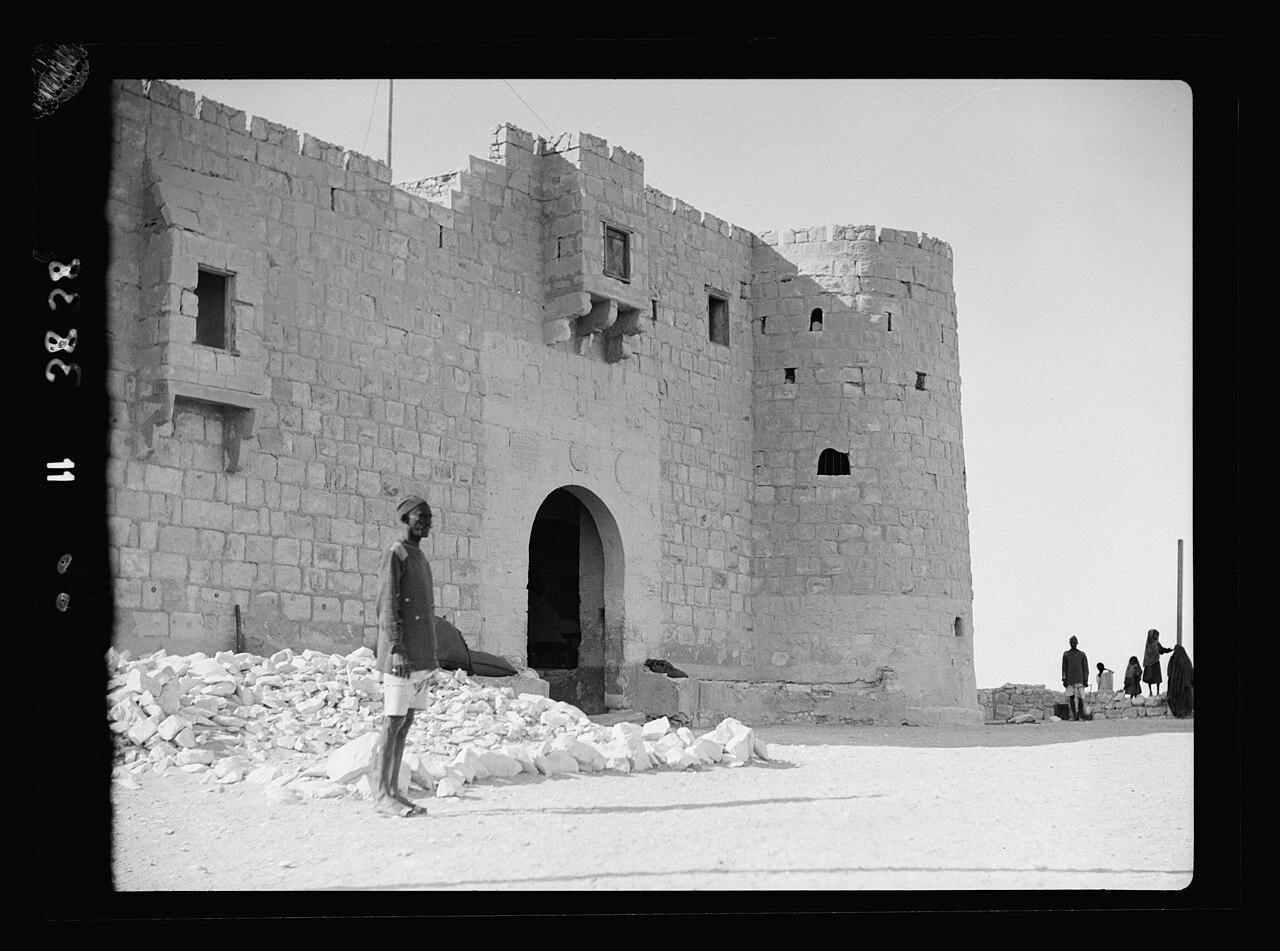
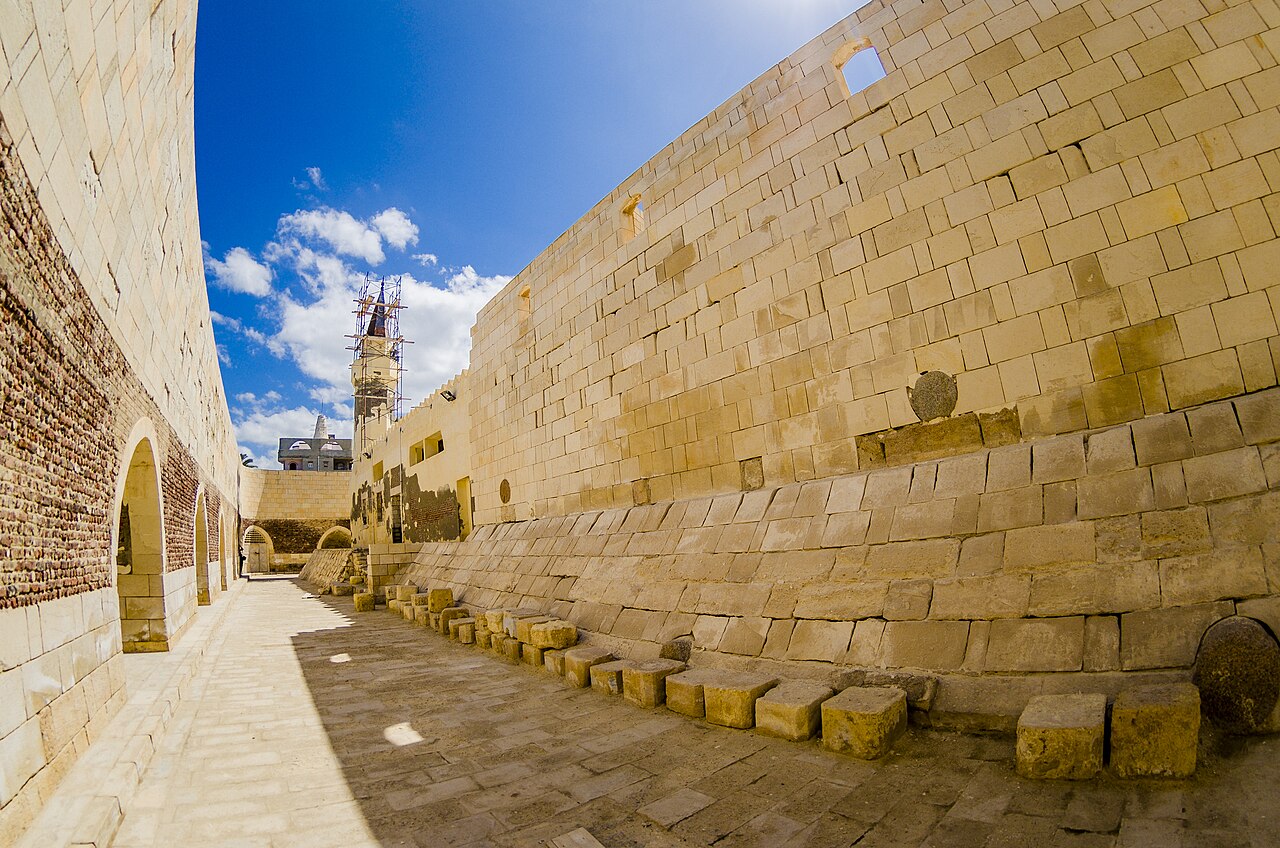
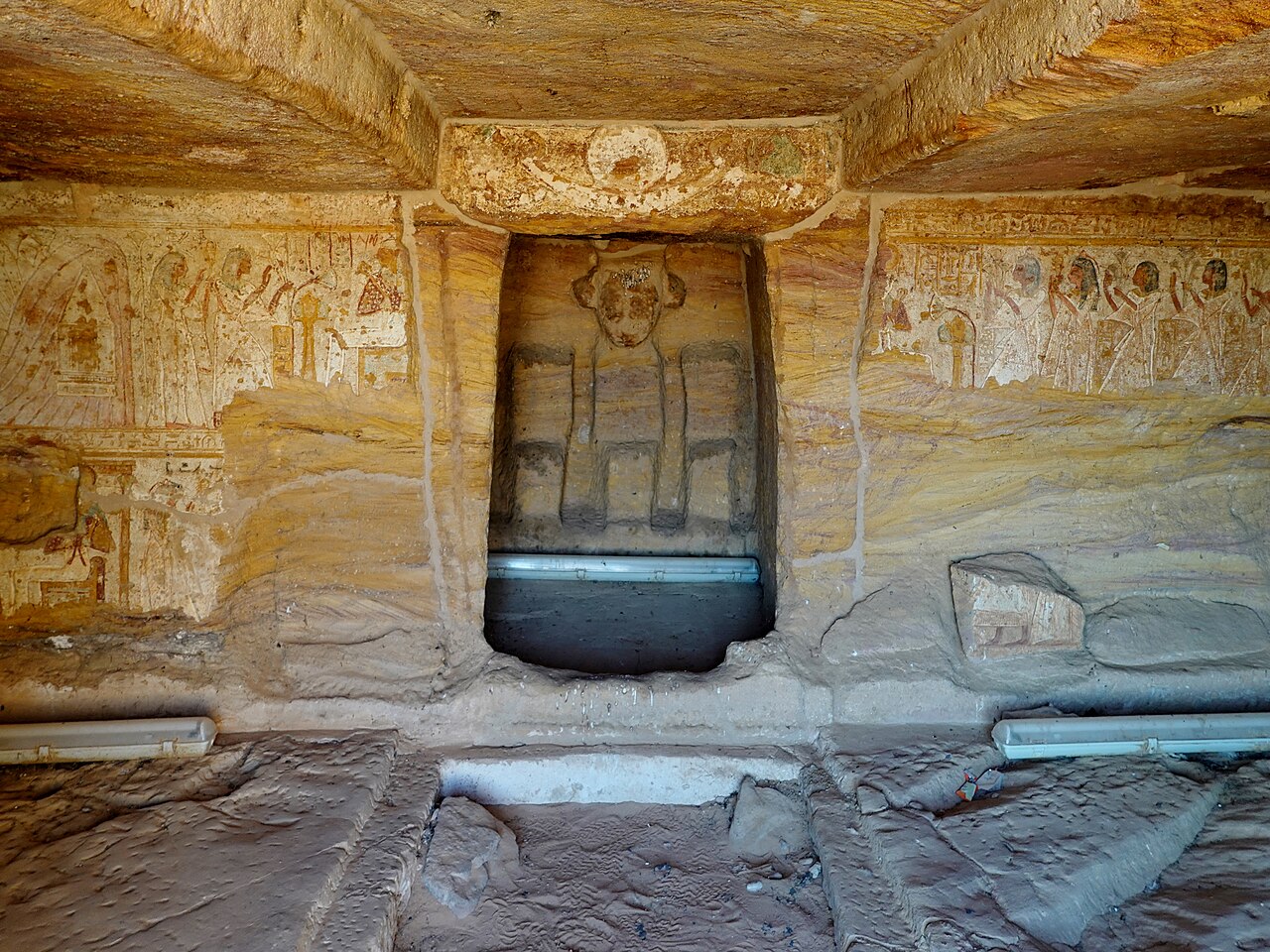
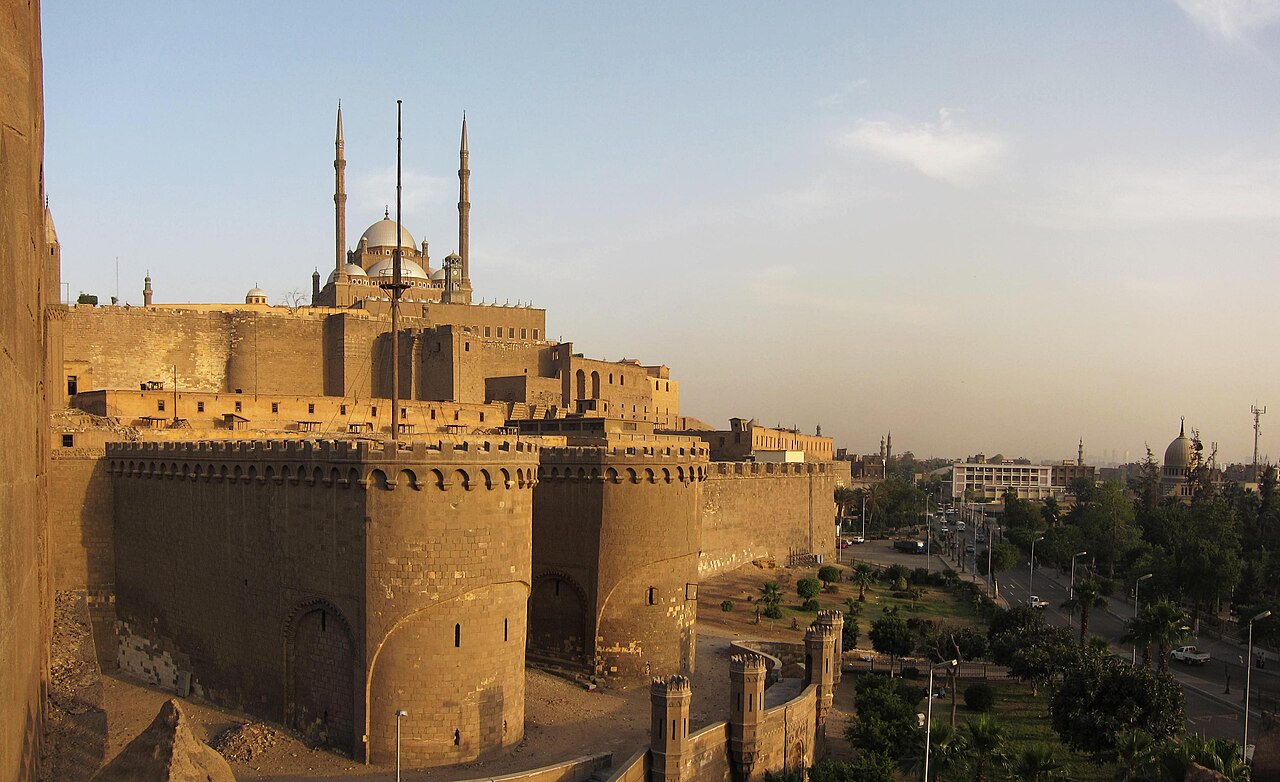
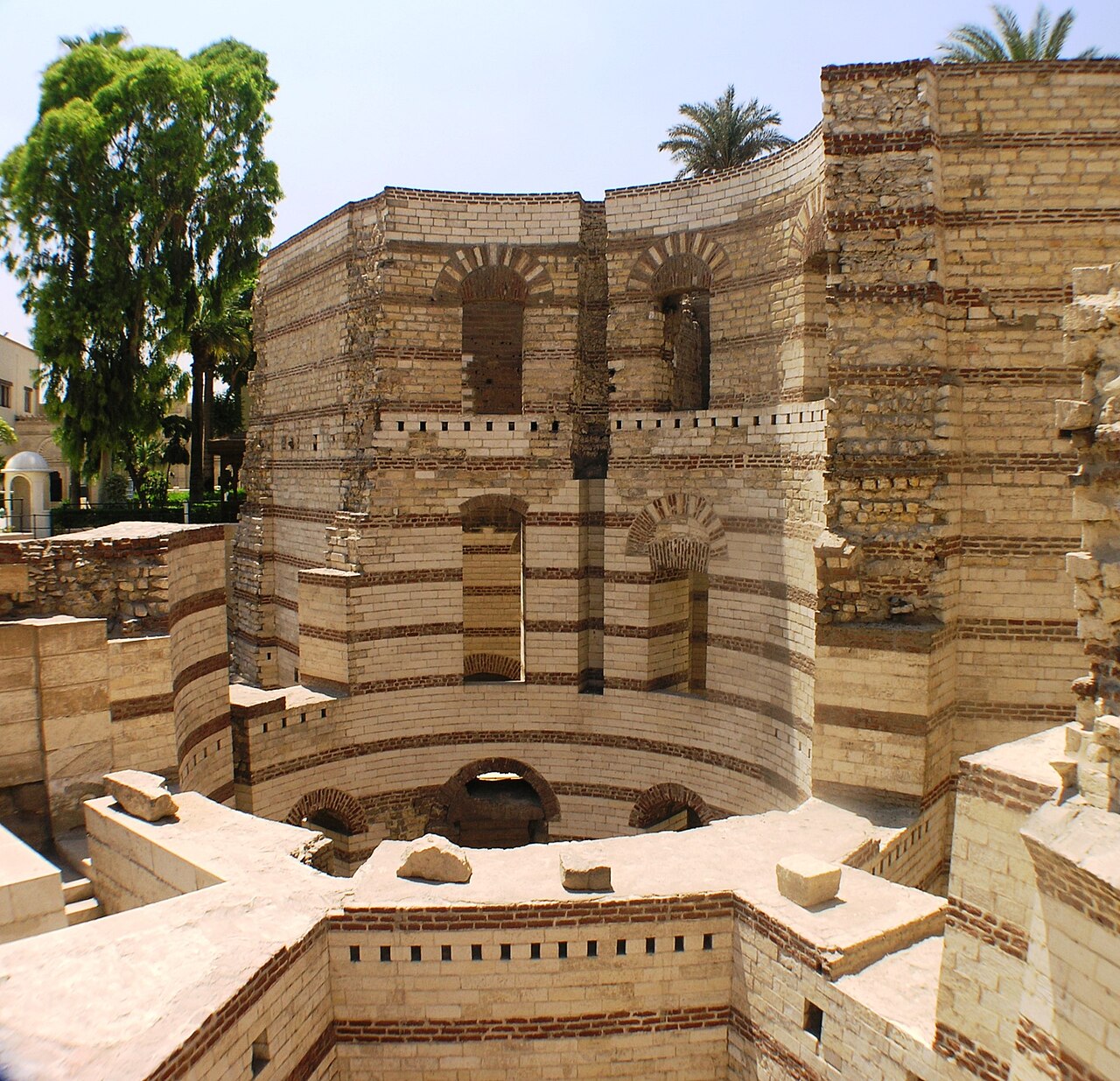
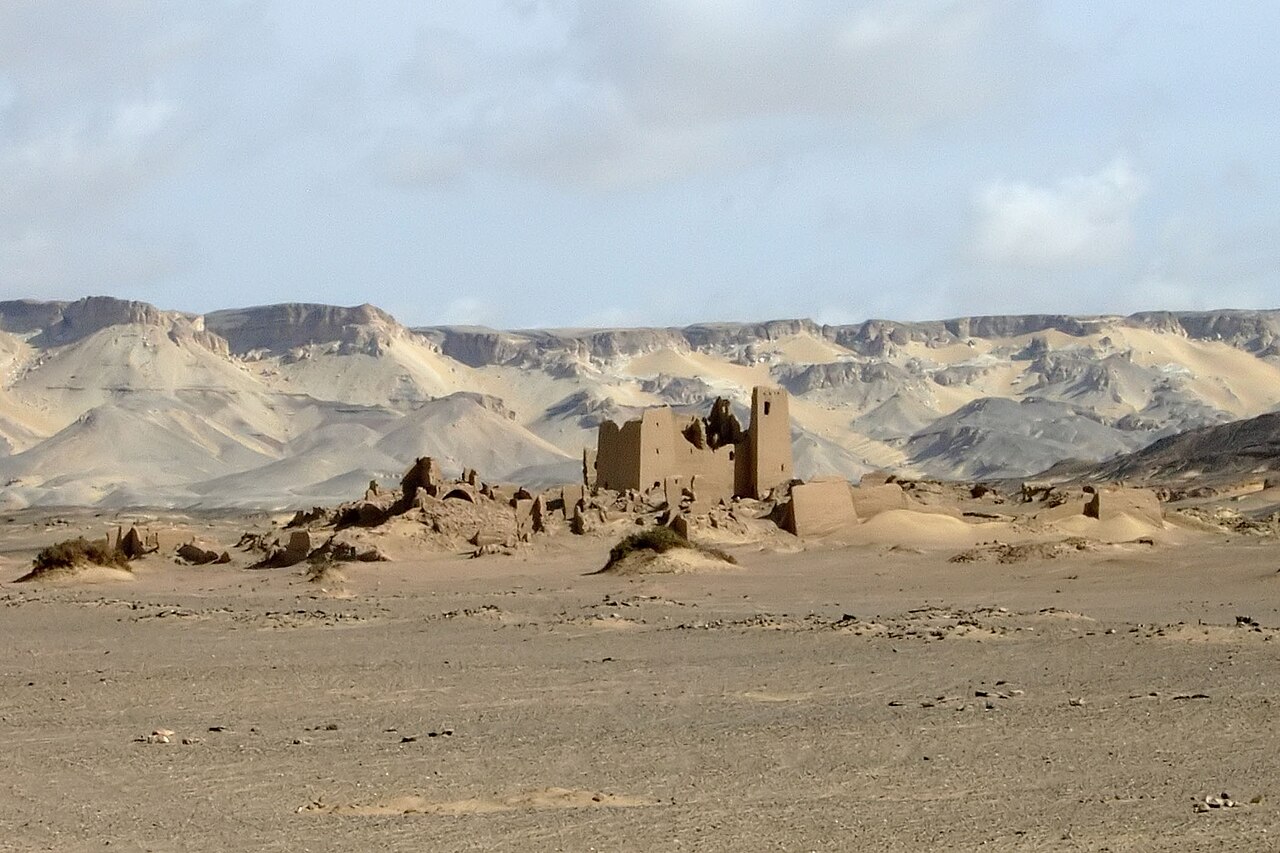
Types of fortifications in egypt
Egypt's fortifications comprise a diverse range of structures, each serving specific defensive purposes. These include:
- Castles: Large fortified residences and military bases, often situated in strategic locations.
- Fortresses: Robust military installations designed to withstand prolonged sieges.
- City walls: Defensive barriers protecting urban populations from external threats.
- Watchtowers and coastal defenses: Smaller structures used for surveillance and early warning, especially along the Mediterranean and Red Sea coasts.
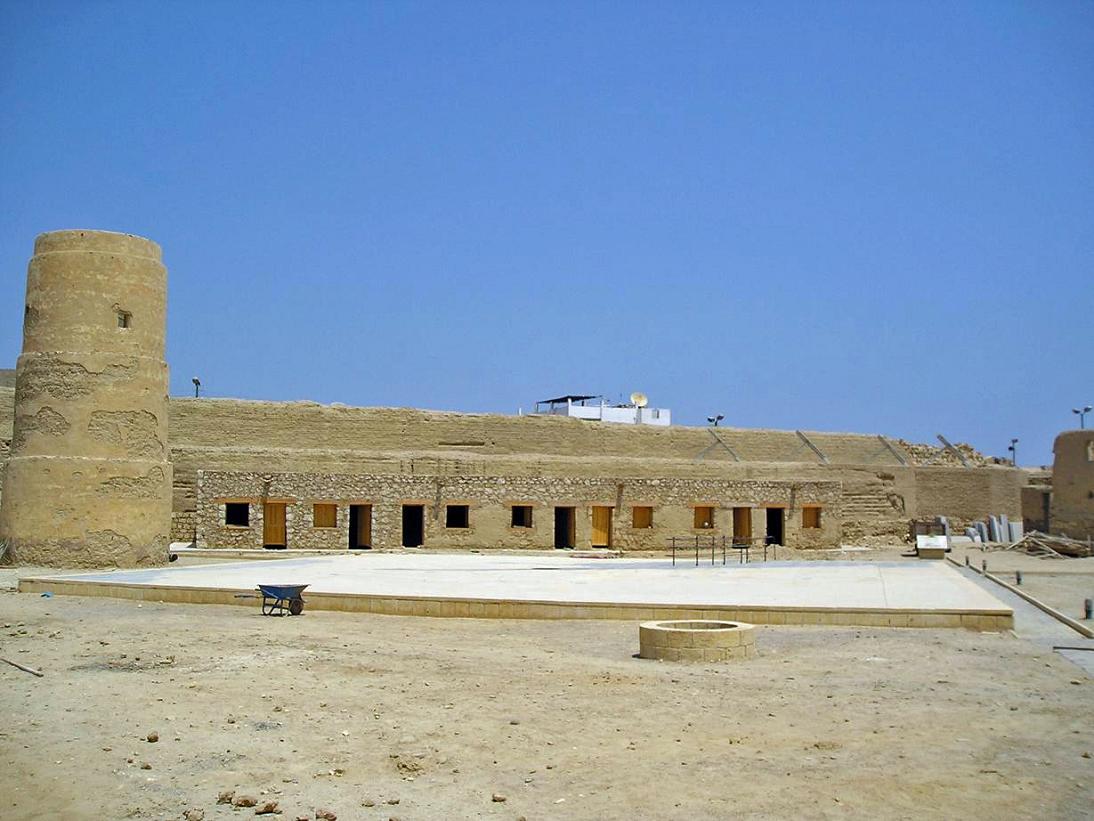
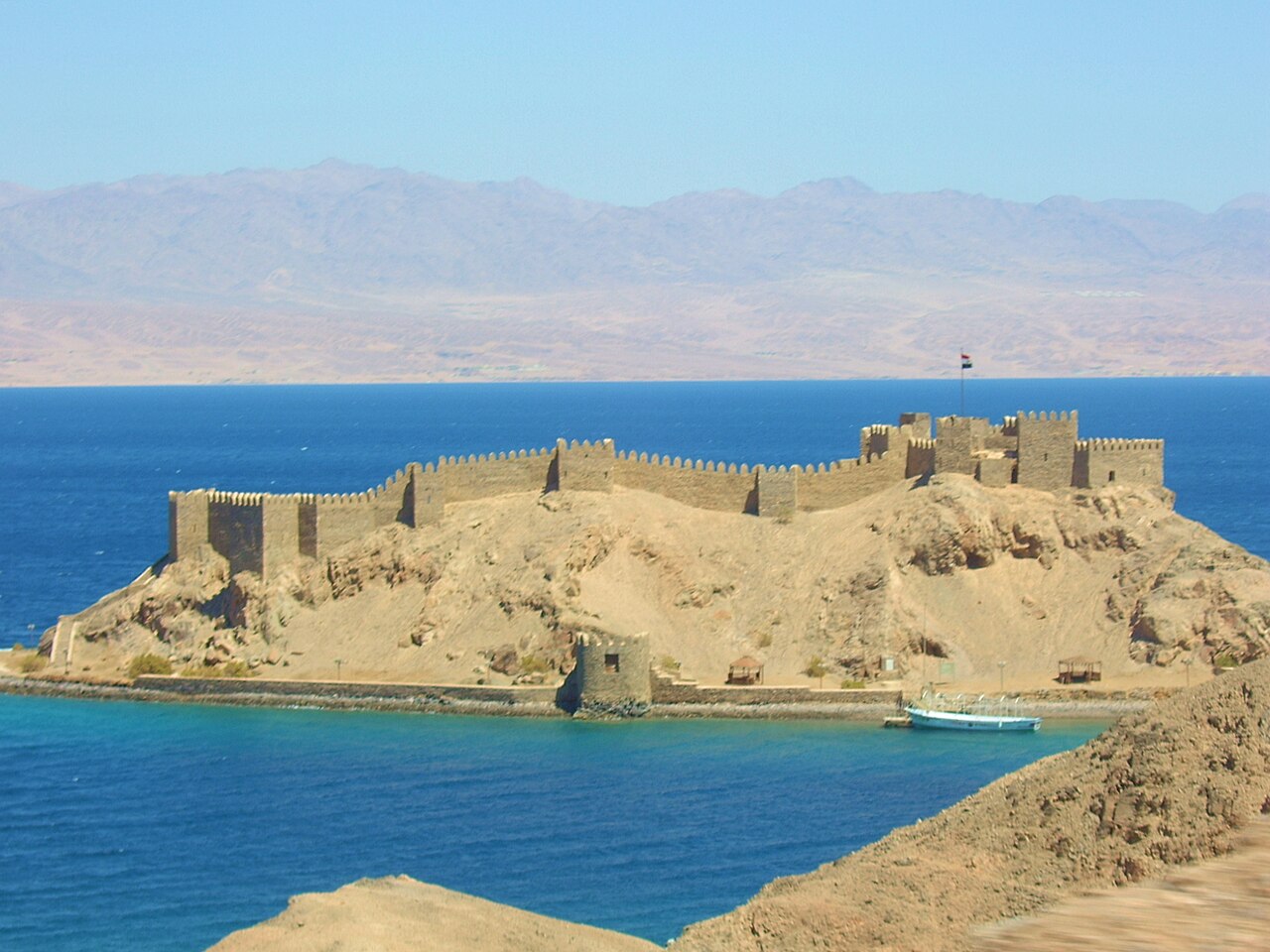
The Qalʿat al-Qāhira (Citadel of Cairo) stands as one of the most prominent examples of medieval Egyptian fortifications. Originally constructed by Salah al-Din (Saladin) in the 12th century, it combines military functionality with architectural grandeur. Similarly, the fortress of Qalʿat Salah al-Din, located near the Red Sea, exemplifies Egypt’s coastal defensive efforts during the Crusades and later periods.
Architectural styles and influences
The architecture of Egyptian castles and fortifications reflects a confluence of styles shaped by regional traditions and external influences. Islamic architectural principles dominate, characterized by the use of crenellated walls, rounded towers, and intricate stonework. The Mamluk period, in particular, introduced refined decorative elements such as muqarnas and arabesque patterns integrated into defensive structures.
European Crusader architecture also left its mark, especially in fortresses built or adapted during the 12th and 13th centuries. This influence is evident in the use of thick curtain walls, square towers, and large gatehouses designed for heavy defense. The castle of Qalʿat al-Jabal, located in the Sinai Peninsula, displays architectural features that blend indigenous Egyptian methods with Crusader military engineering.
Stone and mudbrick were the primary construction materials, chosen for their availability and defensive properties. The innovative use of machicolations and arrow slits allowed defenders to repel attackers effectively while minimizing exposure.
Regional variations in egyptian fortifications
Egypt’s vast geography produced regional variations in fortification styles, adapted to local environmental and strategic conditions. In the Nile Delta and Lower Egypt, fortifications often focused on protecting fertile lands and trade routes, resulting in extensive city walls and riverine forts.
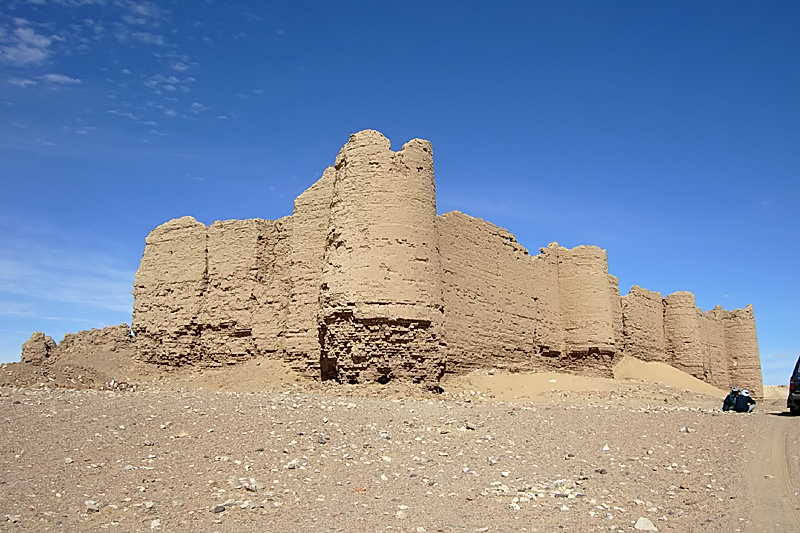
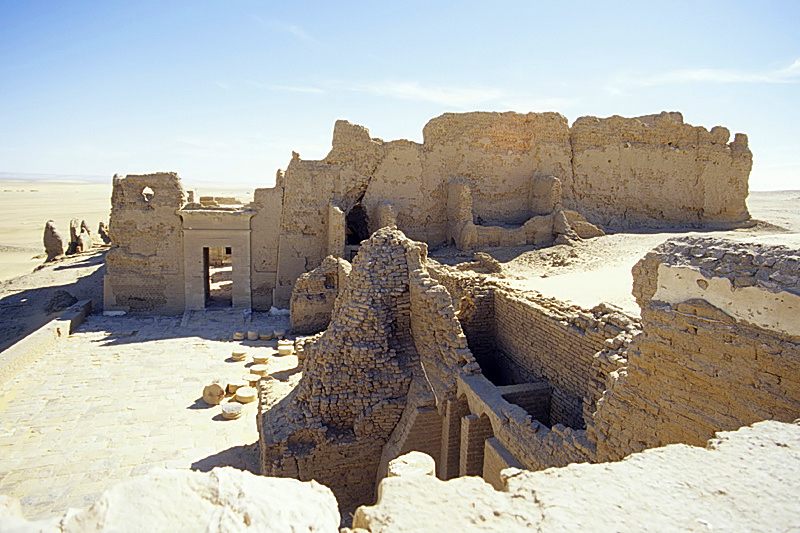
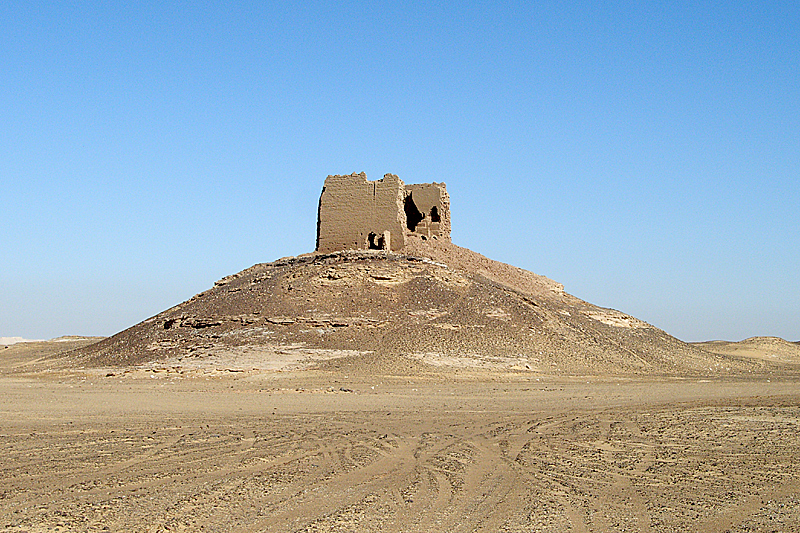
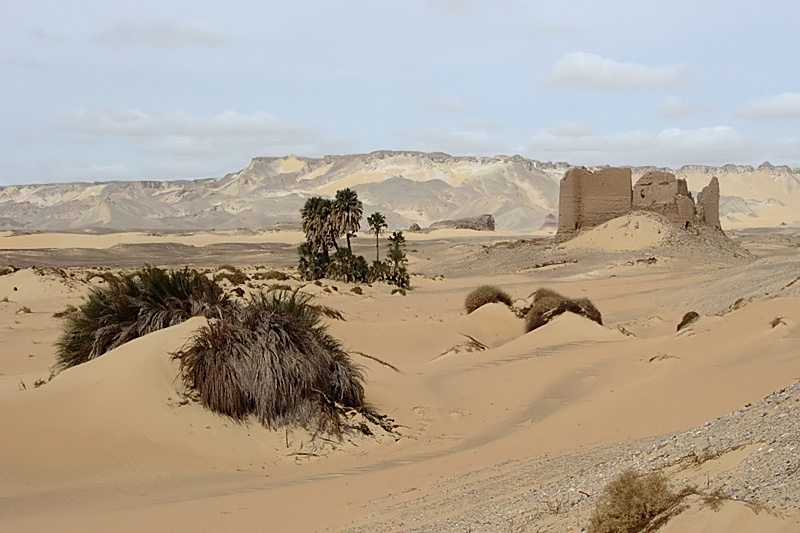
In Upper Egypt and the Eastern Desert, castles and fortresses were frequently situated near oases or along caravan routes. These structures tended to be more isolated and robust due to the harsher desert conditions. For example, the fortress of Qalʿat al-Kabsh near Luxor served as a military outpost controlling access to southern trade corridors.
Along the Mediterranean coast, fortifications such as those near Alexandria incorporated coastal defenses against naval threats. These coastal castles often featured thicker walls on the seaward side and lookout towers optimized for maritime surveillance.
Notable periods of castle construction
The construction of castles and fortifications in Egypt can be broadly divided into several key periods, each reflecting the political and military priorities of the time. The Fatimid Caliphate (10th–12th centuries) initiated significant fortification projects to consolidate their control over Egypt and counter Crusader advances.
The Ayyubid dynasty, founded by Salah al-Din in the late 12th century, is credited with a major wave of castle-building. The establishment of the Citadel of Cairo during this period was a landmark achievement, symbolizing centralized military power. Ayyubid fortifications were strategically designed to resist Crusader forces and secure internal stability.
Following the Ayyubids, the Mamluk Sultanate (13th–16th centuries) expanded and enhanced existing fortresses. This era saw the integration of sophisticated architectural techniques and decorative elements into military structures. The Mamluks also focused on protecting pilgrimage routes and trade arteries, leading to the construction of remote desert castles like Qalʿat al-Jabal.
Preservation and current state of egyptian castles
Many of Egypt’s medieval castles and fortifications have survived in varying conditions, reflecting centuries of use, neglect, and restoration. The Citadel of Cairo remains a well-preserved and actively maintained site, functioning as both a historic monument and a tourist attraction. Its ongoing conservation highlights the importance of Egypt’s castle heritage in national identity.
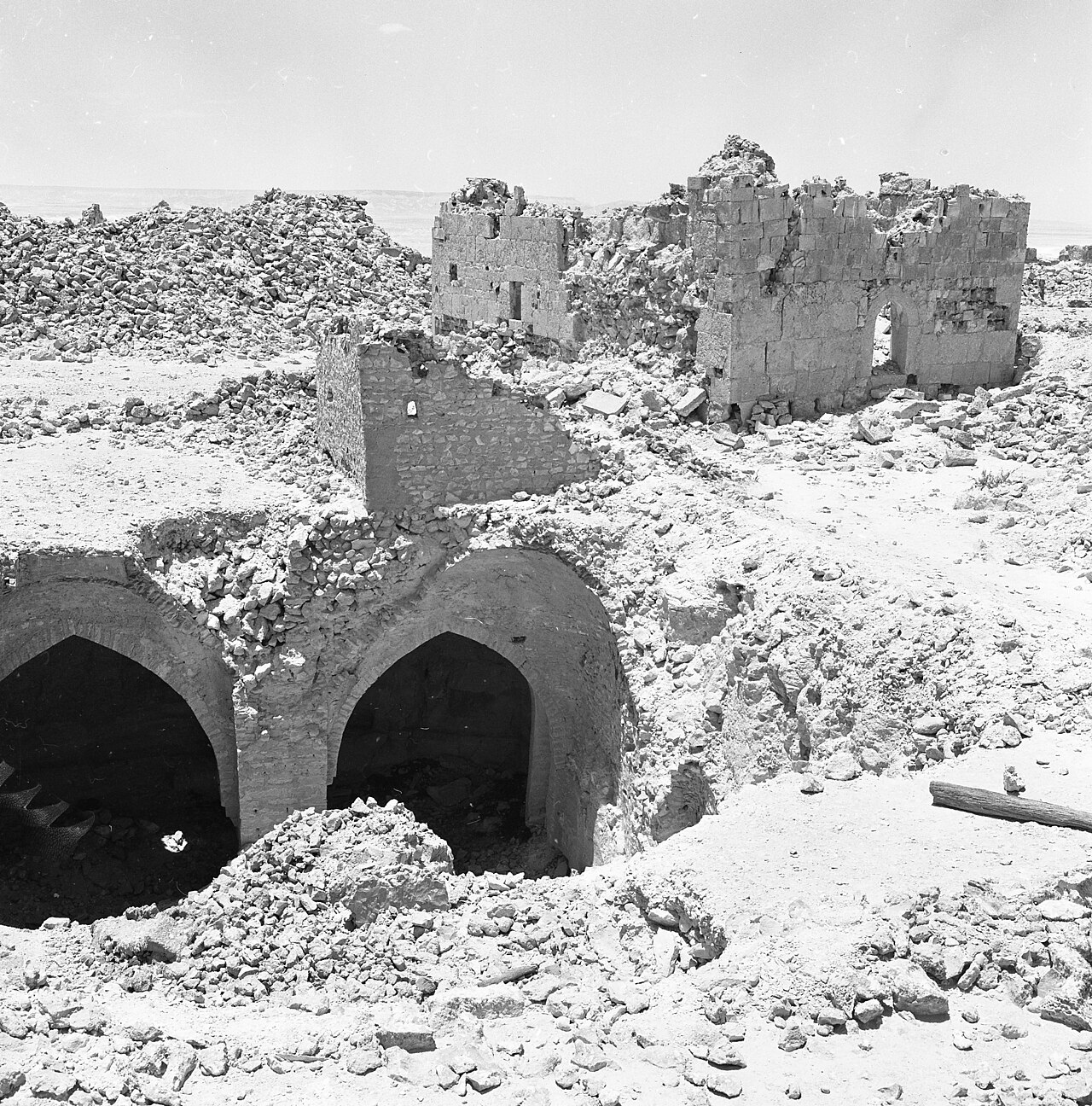
Other fortifications, particularly those in remote desert locations, face challenges from natural erosion, looting, and limited maintenance resources. Archaeological efforts have focused on surveying and documenting these sites, with some undergoing restoration to stabilize their structures.
Urban development and modern infrastructure in areas such as Alexandria and Cairo have also impacted ancient fortifications, sometimes leading to partial loss or alteration. Nonetheless, the enduring presence of these castles continues to offer valuable insights into Egypt’s medieval military architecture.
Castle tourism and accessibility in egypt
Egypt’s castles attract visitors interested in history, architecture, and military heritage. The Citadel of Cairo is among the most accessible and popular destinations, offering guided tours that highlight its architectural features and historical significance. It also houses museums that display weaponry and artifacts related to Egypt’s fortress history.
Desert castles like Qalʿat al-Jabal and coastal fortresses receive fewer tourists due to their remote locations but are increasingly featured in cultural heritage tours and archaeological expeditions. Efforts to improve infrastructure and awareness have aimed to balance tourism development with site preservation.
Visitors to Egyptian castles benefit from the opportunity to explore not only the military aspects but also the cultural narratives embedded in these structures, reflecting centuries of Egypt’s complex history.
Cultural significance and heritage of egyptian fortifications
Egyptian castles and fortifications stand as powerful symbols of the country’s resilience and strategic importance through the medieval period. Beyond their military function, these structures embody the artistic and technological achievements of successive Egyptian dynasties.
The castles also serve as tangible connections to Egypt’s interactions with neighboring regions, including the Crusader states, the Islamic world, and Mediterranean powers. Their preservation contributes to understanding the broader historical context of medieval geopolitics and cultural exchange.
Today, these fortifications are integral to Egypt’s cultural heritage, inspiring scholarship, tourism, and national pride. They remind us of the enduring legacy of medieval architecture and the complex history that shaped modern Egypt.
Castles in Egypt
Discover 17 magnificent castles across the country
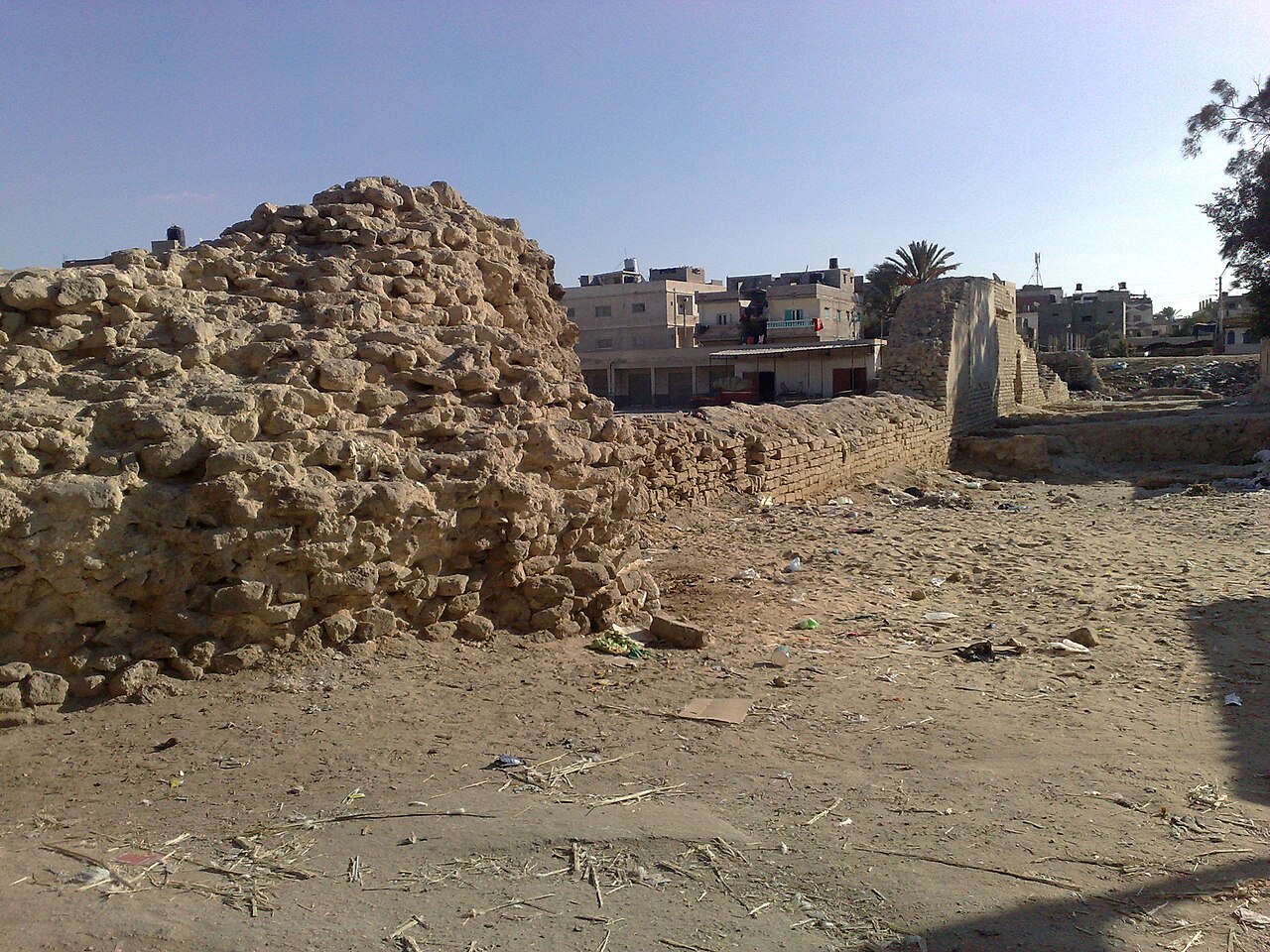
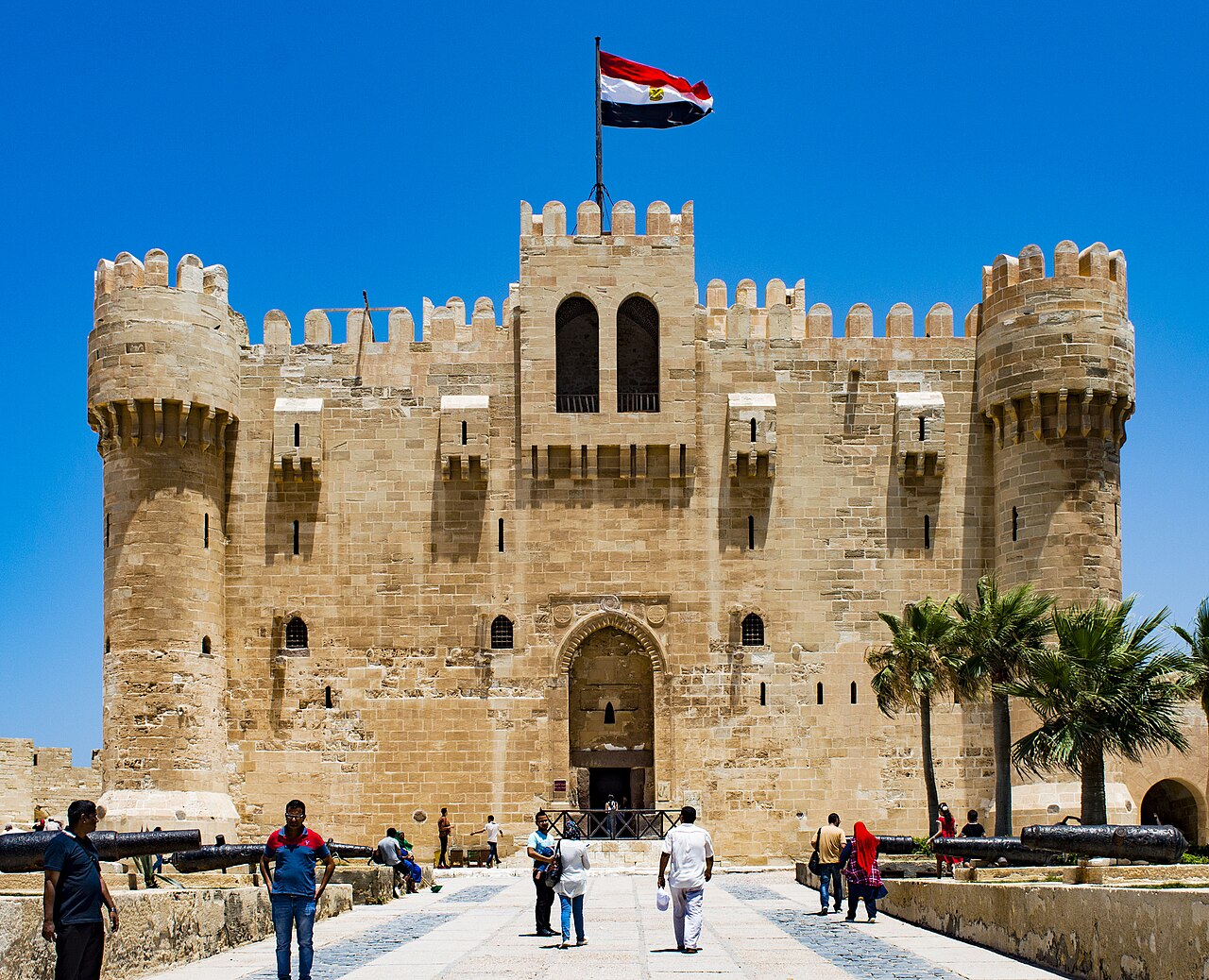
Castle Locations in Egypt
Explore all castle locations on an interactive map
Loading castle locations...