Aniba
Aniba was an important ancient settlement located in Lower Nubia, approximately 230 km south of Aswan in what is now southern Egypt. The site lies submerged beneath Lake Nasser following the construction of the Aswan High Dam. Historically known as Miam, Aniba was situated in one of the most fertile regions of Lower Nubia, making it a significant center for agriculture and trade in antiquity.
Early occupation and archaeological significance
The earliest archaeological remains at Aniba date back to around 3000 BC, associated with the A-Group culture, a prehistoric Nubian culture known for its distinctive pottery and burial practices. Several cemeteries from this period have been uncovered, indicating a well-established community. These early findings provide valuable insights into the prehistoric cultures of Nubia before Egyptian influence expanded into the region.
Egyptian rule and Middle Kingdom fortress
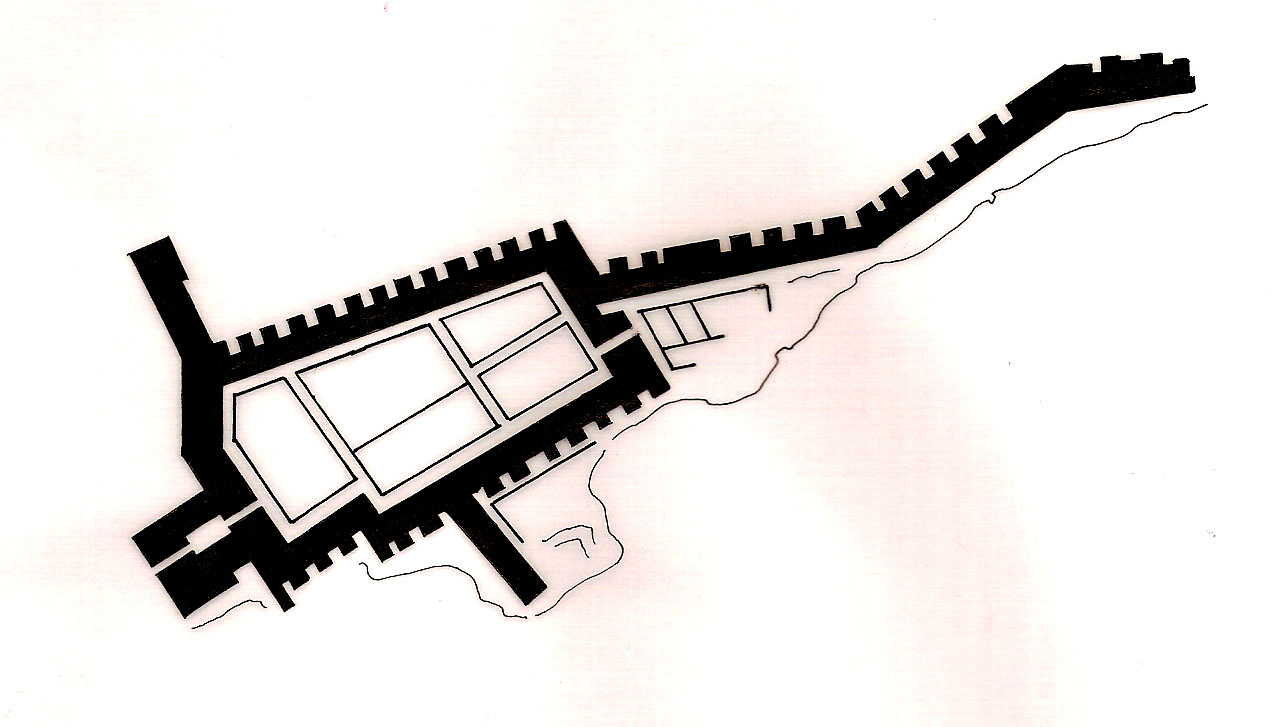
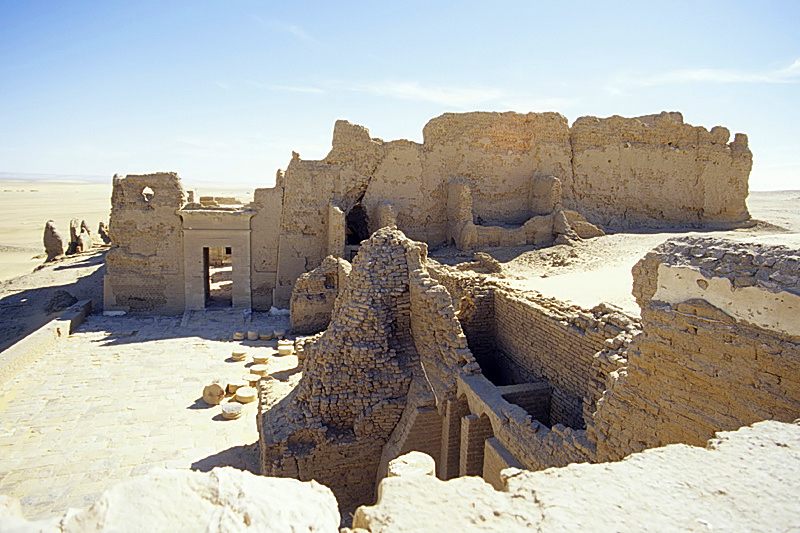
During the Middle Kingdom period (circa 2000 to 1700 BC), the area came under Egyptian control. It was during the Twelfth Dynasty that a fortress accompanied by a small town was constructed at Aniba. This fortress was part of Egypt's strategic efforts to secure its southern borders and control the trade routes along the Nile. The Middle Kingdom fortress remains are among the earliest examples of Egyptian military architecture in Nubia.
New Kingdom expansion and urban development
At the onset of the New Kingdom (around 1550 BC), Aniba expanded significantly, with the fortified town covering an area of approximately 200 by 400 meters. The town was enclosed by defensive walls and featured gates controlling access. During this period, the settlement grew to include several suburbs, reflecting its increased administrative and economic importance.
Within the fortified town stood the temple dedicated to Horus of Miam. Although badly preserved at the time of excavation, the temple's foundations are believed to date back to the Middle Kingdom, indicating a continuity of religious practices and Egyptian cultural influence in the region.
Cultural interactions and cemeteries
Surrounding Aniba were extensive cemeteries, some belonging to the Nubian C-Group culture and others exhibiting purely Egyptian burial styles. The mixed nature of the tombs suggests a complex cultural interaction between native Nubians and Egyptians. It remains uncertain whether those buried in Egyptian-style tombs were Nubians who had adopted Egyptian customs or Egyptians residing in Nubia.
One notable tomb belonged to Pinehesy, the Viceroy of Kush, a high-ranking official who governed Nubia on behalf of the Egyptian pharaoh. His tomb, though relatively simple, is significant due to his prominent role in the administration of Nubia during the New Kingdom.
Metalwork and trade connections
Recent analyses of metal artifacts from Aniba, including items from the C-Group, Second Intermediate Period, and New Kingdom, revealed the use of arsenical copper and tin bronze. The materials likely originated from distant sources such as Cyprus, indicating that Aniba was part of extensive trade networks connecting Nubia with the broader ancient world.
Relocation of monuments and preservation efforts
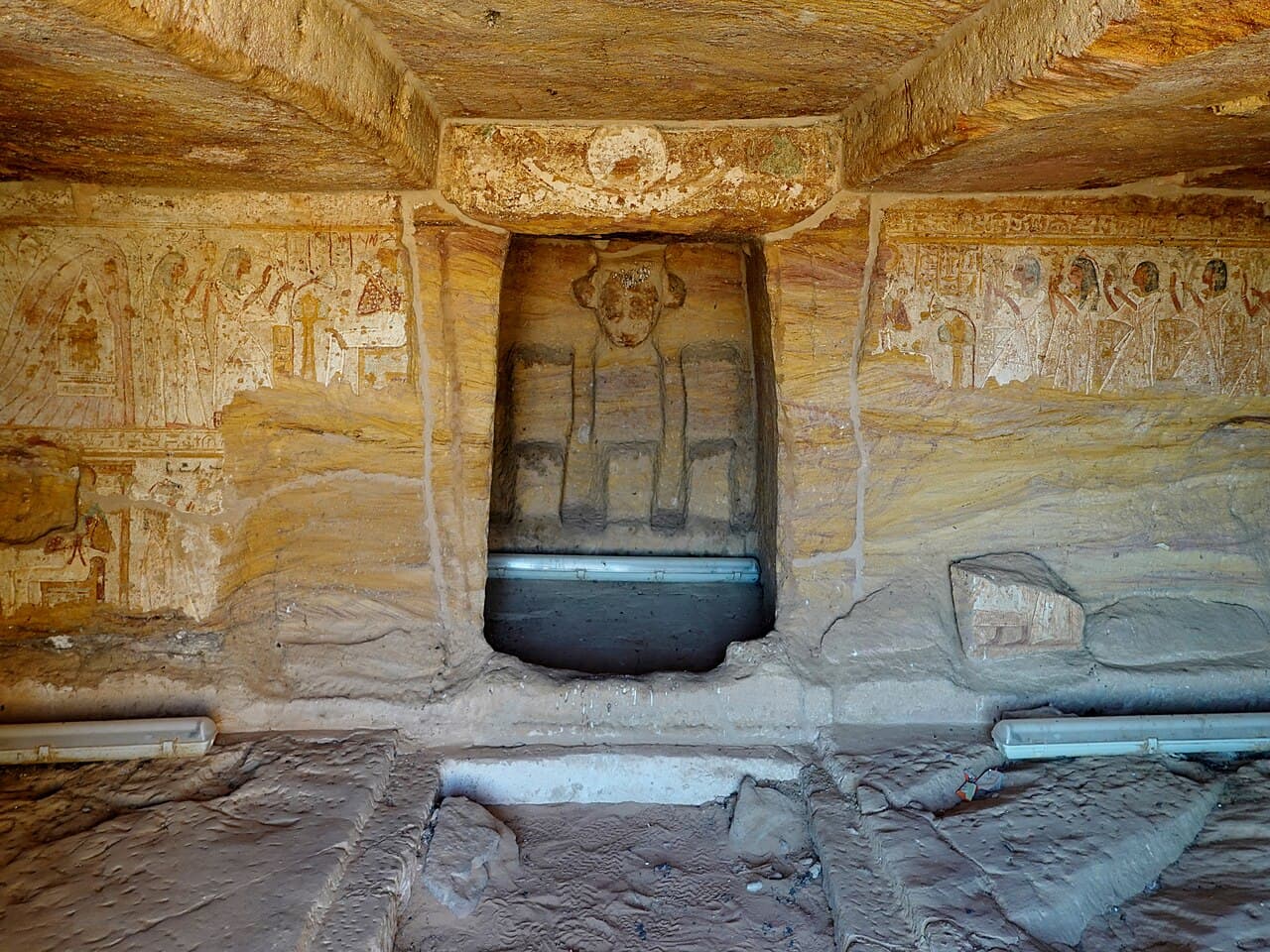
A decorated rock-cut tomb belonging to Pennut, the deputy of Lower Nubia, was relocated to New Amada as part of the International Campaign to Save the Monuments of Nubia. This campaign aimed to preserve Nubian heritage threatened by flooding from the creation of Lake Nasser. The office of the deputy of Lower Nubia was likely headquartered in Aniba, underscoring the town's administrative significance.
Architectural features and fortress classification
While Aniba was fortified, its classification as a bastioned fortress is not entirely consistent with its ancient Egyptian military architecture, which typically did not include bastions as understood in later fortification styles. The fortress walls and gates served defensive purposes typical of Egyptian border forts, designed to control movement and protect the settlement rather than to withstand artillery or gunpowder-era sieges.
Historical context and legacy
Aniba's long occupation from prehistoric times through the New Kingdom illustrates the dynamic cultural and political shifts in Nubia. It was a vital Egyptian administrative and military center that facilitated control over Nubia and protected Egypt's southern frontier. The archaeological remains provide crucial evidence of Egyptian-Nubian interactions, trade, and cultural exchange during the Middle and New Kingdom periods.
Today, the site of Aniba remains inaccessible due to its submersion under Lake Nasser, but excavations conducted prior to flooding have preserved much of its history. The findings from Aniba continue to contribute to the understanding of ancient Nubian and Egyptian civilizations and their interconnected histories.
Frequently asked questions (FAQ)
- How do I get to Aniba Castle?
- Aniba Castle is accessible by car and public transport from major cities in Egypt. Visitors can take a bus or taxi from nearby towns, with clear signage directing you to the castle. It's advisable to check local transport schedules for the most convenient travel times.
- What is the historical significance of Aniba Castle?
- Aniba Castle dates back to the ancient Egyptian era and served as a strategic fortification. It played a crucial role in protecting trade routes and showcasing the architectural prowess of its time. Today, it stands as a testament to Egypt's rich cultural heritage.
- When was Aniba Castle built?
- Aniba Castle was constructed during the reign of the Pharaohs, with its origins traced back to around 3000 BC. Over the centuries, it underwent several renovations and expansions, reflecting the evolving architectural styles of ancient Egypt. The castle's enduring structure is a remarkable glimpse into the past.
- Can I take guided tours of Aniba Castle?
- Yes, guided tours are available for visitors looking to explore Aniba Castle in depth. Knowledgeable guides provide insights into the castle's history, architecture, and its role in ancient Egyptian society. Tours are offered in multiple languages to cater to diverse visitors.
- Why is Aniba Castle a popular tourist destination?
- Aniba Castle attracts tourists due to its fascinating history, stunning architecture, and picturesque surroundings. Its strategic location near important archaeological sites makes it an ideal stop for history enthusiasts. Additionally, the breathtaking views from the castle provide excellent photo opportunities.
- Is it possible to visit Aniba Castle with children?
- Absolutely, Aniba Castle is a family-friendly destination where children can learn about history in an engaging environment. The castle grounds provide ample space for exploration, and the guides often tailor their talks to be fun and informative for younger audiences. Ensure to supervise children closely, especially near edges or steep areas.
- What are the opening hours for Aniba Castle?
- Aniba Castle is open daily, typically from 9 AM to 5 PM, but hours may vary seasonally. It's best to check the official website or contact local tourist information for the most accurate details before your visit. Arriving early can help you avoid crowds and enjoy a more peaceful experience.
- What are the ticket prices for Aniba Castle?
- Ticket prices for Aniba Castle are generally affordable, with discounts often available for students and children. Visitors can purchase tickets at the entrance or online in advance. Keep an eye out for special promotions or guided tour packages that may include entry fees.
- What nearby attractions can I visit when at Aniba Castle?
- While visiting Aniba Castle, you can explore other historical sites in the vicinity, such as the ancient ruins of nearby temples and monuments. The stunning Nile River is also just a short distance away, offering scenic boat rides. Local markets and cultural experiences are perfect for immersing yourself in Egyptian culture after your visit to the castle.
Photo gallery

Information
Loading map...
Visitor reviews
No reviews yet. Been here? Write the first review and help other travelers!
Write the first reviewVisited this castle? Share your experience
Your review helps other travelers and adds first-hand knowledge to our encyclopedia.