Qasr el-Labakha
Qasr el-Labakha is an ancient fortress located in Egypt, distinguished as a hill castle due to its elevated position which provided strategic military advantages. This fortress is part of Egypt's extensive network of defensive structures built to control and protect key routes and territories in the region.
Historical context and significance
The exact date of construction for Qasr el-Labakha is not precisely documented, but it is believed to have origins in the Late Medieval period or possibly earlier. The fortress was likely established to serve as a military outpost, guarding important trade routes and serving as a defensive stronghold in a region historically marked by frequent conflicts and incursions.
Egypt's strategic location at the crossroads of Africa and the Middle East made such fortresses essential for controlling movement and asserting territorial dominance. Qasr el-Labakha would have played a role in overseeing the surrounding landscape, providing surveillance and protection against hostile forces.
Architectural features and layout
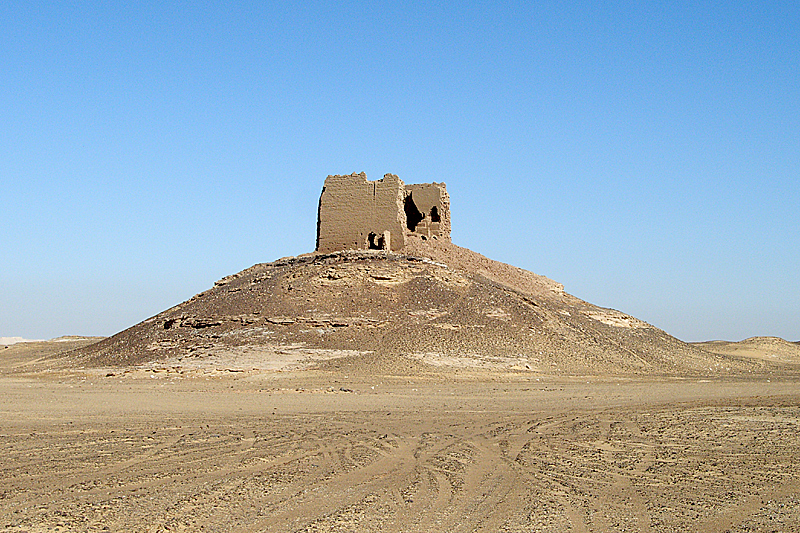
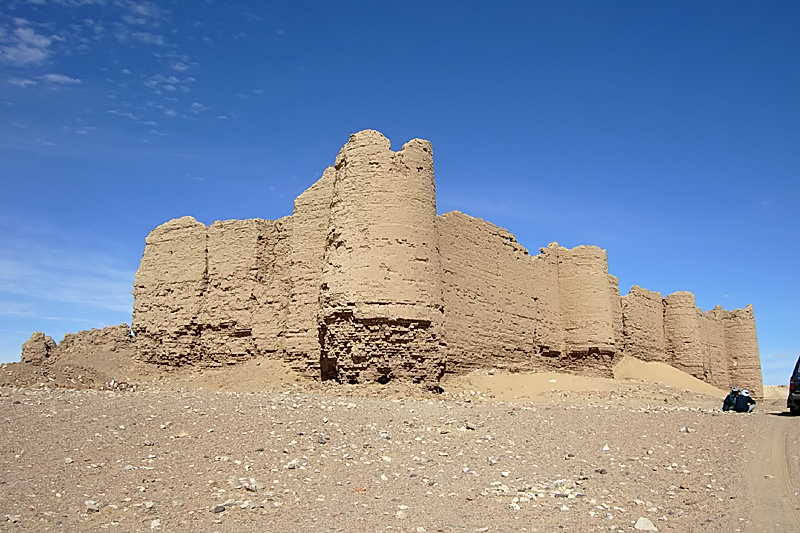
As a hill castle, Qasr el-Labakha was constructed on elevated terrain to maximize visibility and defensive capabilities. The fortress likely includes typical features such as thick defensive walls, battlements, and possibly towers positioned to cover approaches from multiple directions.
The design would have incorporated a courtyard area within the walls, providing space for garrison activities and storage. Access to the castle was probably controlled by a fortified gate, which would have been a critical point of defense.
While detailed architectural plans are scarce, the fortress's robust construction reflects the military architectural style common in the region during the medieval period, emphasizing functionality and defense over ornamental design.
Strategic location and environment
Qasr el-Labakha is situated in a landscape that enhances its defensive role. The elevated site offers commanding views of the surrounding area, allowing defenders to spot approaching enemies from a distance. This vantage point was crucial for early warning and defense coordination.
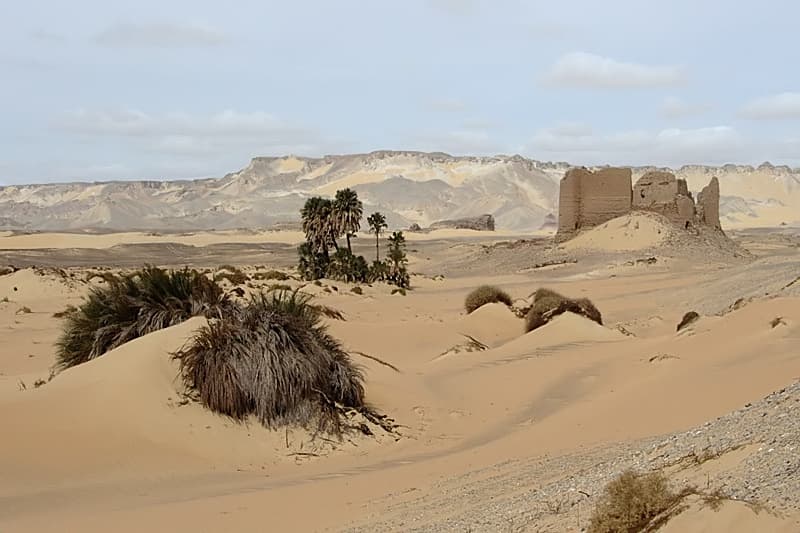
The surrounding terrain likely includes natural barriers such as rocky outcrops or steep slopes, which would have further protected the fortress and made direct assaults more difficult.
Current condition and preservation
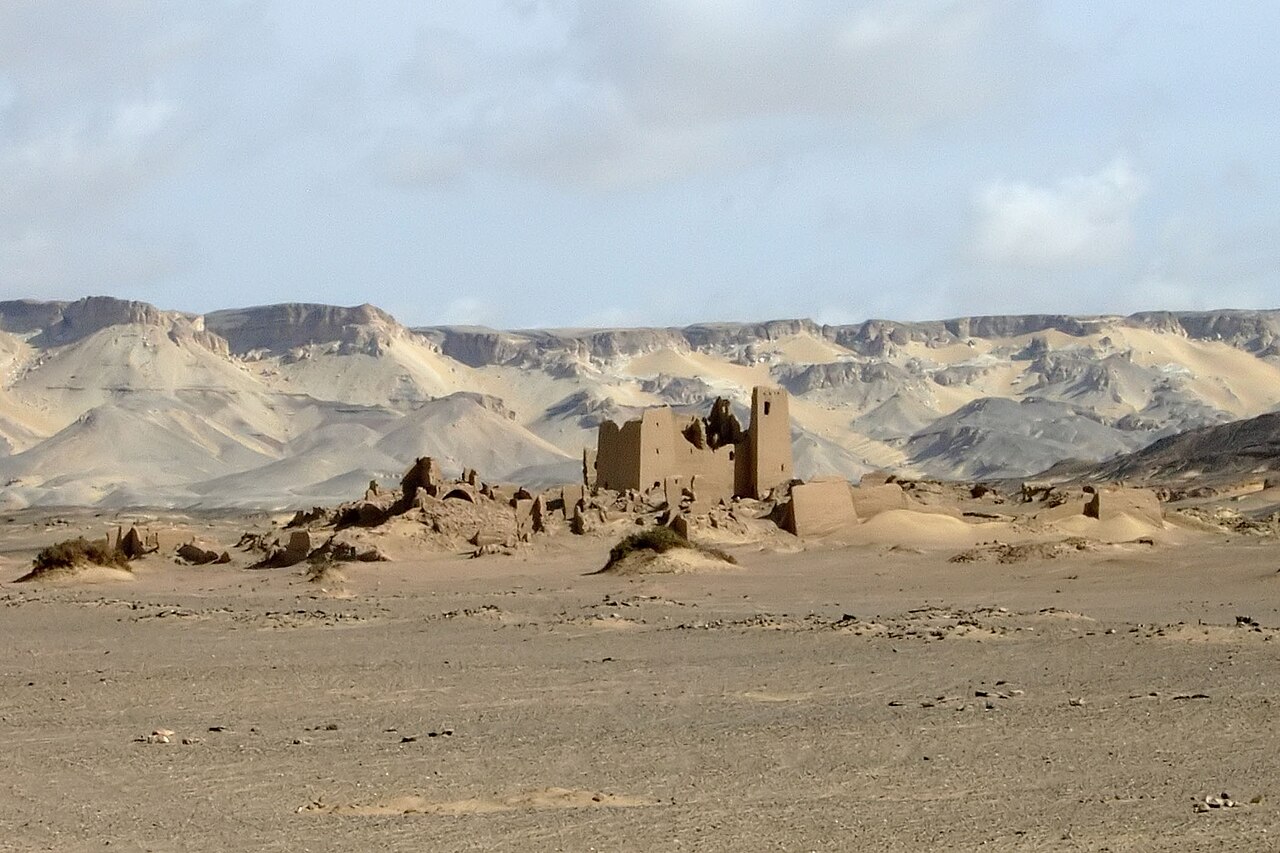
Today, Qasr el-Labakha exists as partially preserved ruins. The remnants of the fortress walls and structural elements provide insight into its original scale and defensive purpose. Preservation efforts may be limited, but the site remains an important cultural and historical landmark in Egypt.
Visitors to the site can observe the fortress's strategic location and appreciate the military architecture that reflects the region's turbulent history.
Importance in Egyptian heritage
Qasr el-Labakha contributes to Egypt's rich tapestry of historical fortifications that illustrate the country's long-standing strategic importance. As a hill castle, it exemplifies medieval military architecture adapted to local geography and defense needs.
The fortress serves as a tangible link to Egypt's past, offering valuable insights into the military, political, and cultural dynamics of the region during the medieval era.
Frequently asked questions (FAQ)
- What is Qasr el-Labakha?
- Qasr el-Labakha is an ancient hill castle in Egypt known for its strategic military role and elevated location.
- When was Qasr el-Labakha built?
- The fortress likely dates back to the Late Medieval period, although the exact construction date is uncertain.
- What architectural features does Qasr el-Labakha have?
- It features thick defensive walls, battlements, towers, and a courtyard typical of medieval hill castles.
- Is Qasr el-Labakha accessible to visitors?
- The site exists as partially preserved ruins and may be accessible, but visitor facilities and access details are limited.
- Why was Qasr el-Labakha built on a hill?
- The elevated position provided strategic advantages for surveillance and defense against attacks.
Photo gallery

Information
Loading map...
Visitor reviews
No reviews yet. Been here? Write the first review and help other travelers!
Write the first reviewVisited this castle? Share your experience
Your review helps other travelers and adds first-hand knowledge to our encyclopedia.