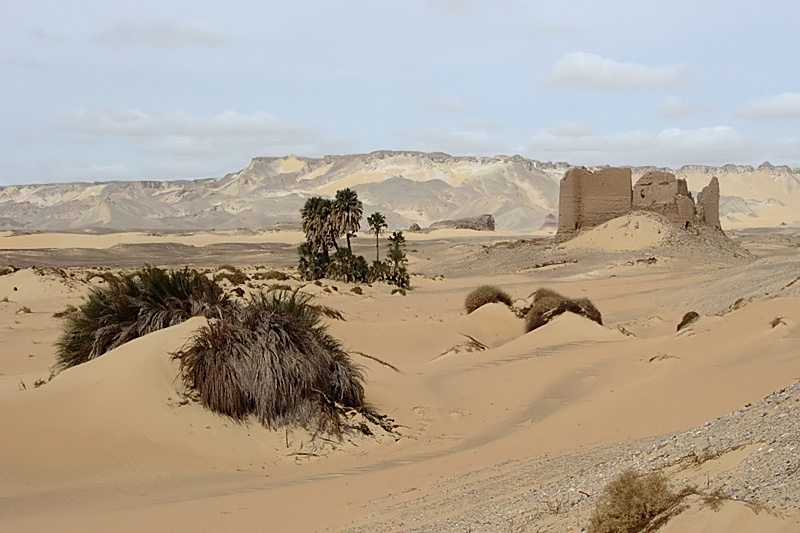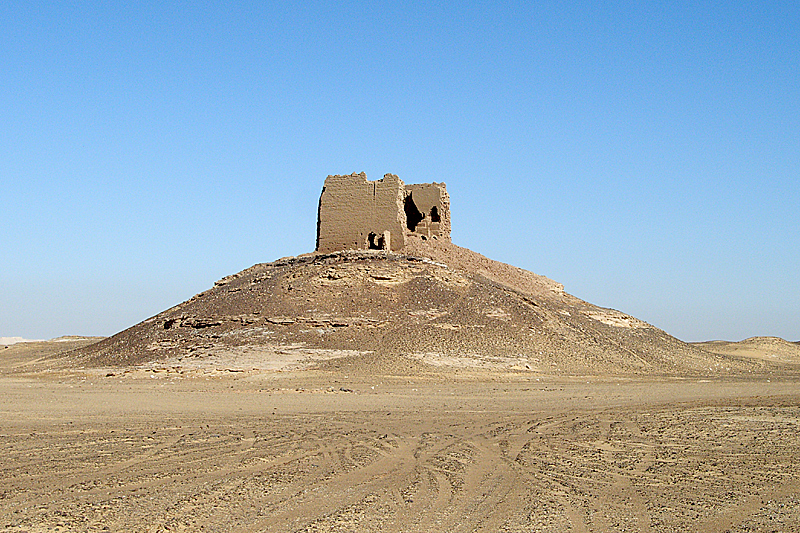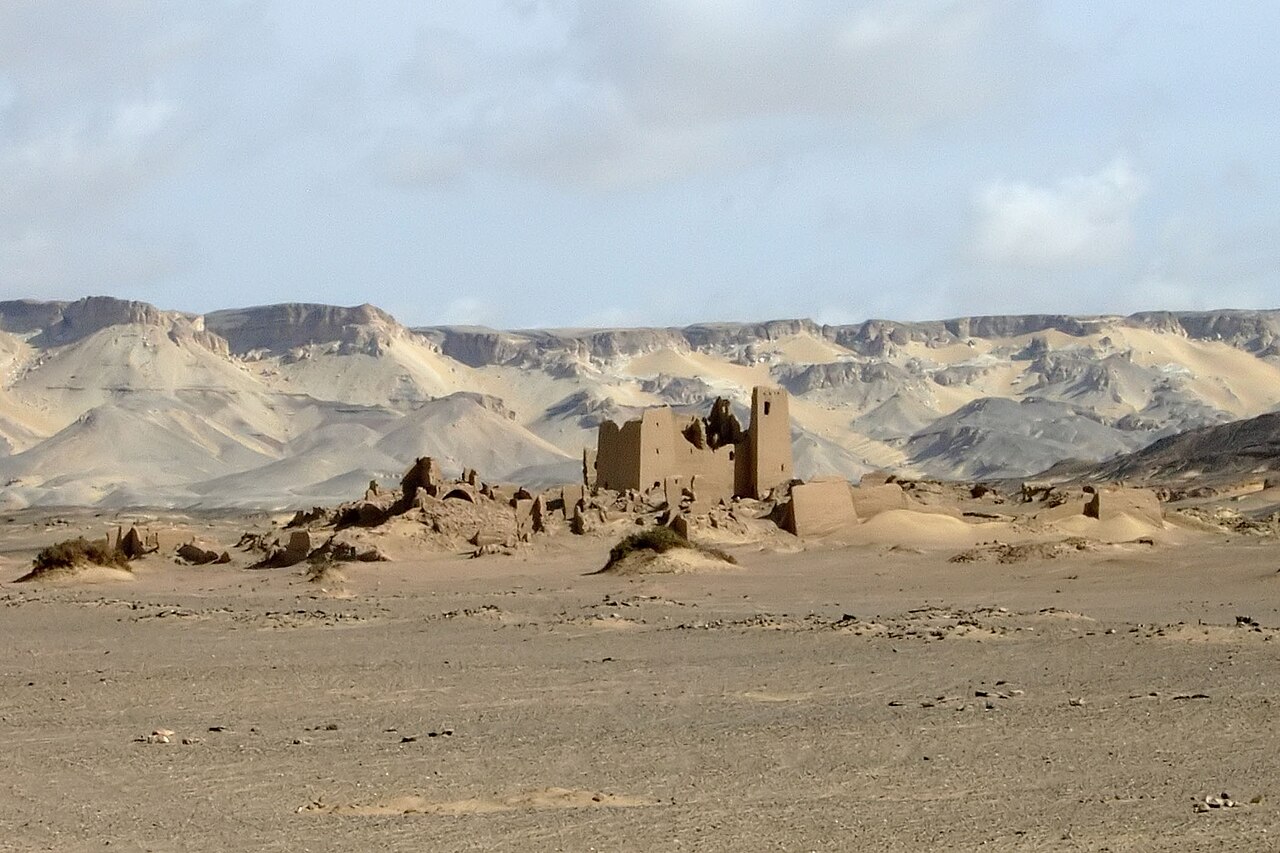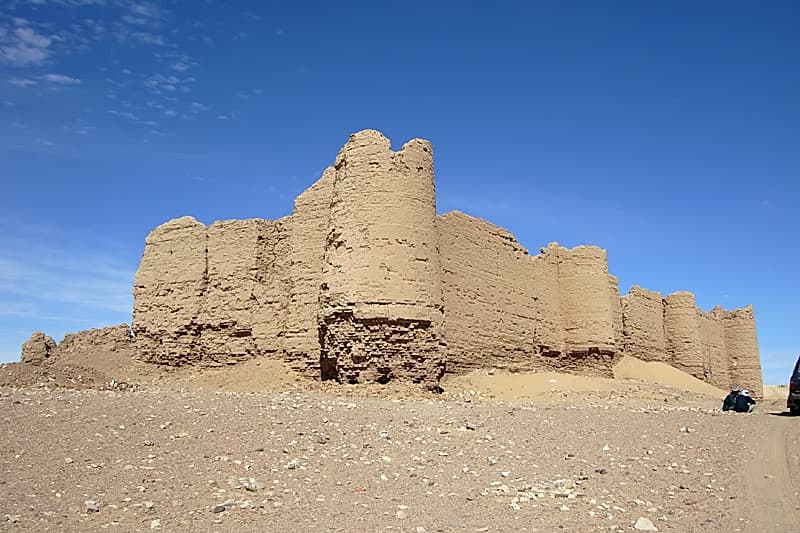
Deir el-Munira is an ancient hill castle located in Egypt, notable for its strategic placement and historical significance within the region. Although the exact city or precise location remains uncertain, this fortress exemplifies the use of elevated terrain to maximize defensive capabilities, a common characteristic of hill castles.
Strategic location and architectural significance
Hill castles like Deir el-Munira were typically constructed on elevated ground to provide commanding views of the surrounding landscape. This positioning allowed defenders to monitor approaching enemies from a distance and exploit the natural topography for defense. The castle's elevated site would have been advantageous for controlling important routes or territory in the region.
While detailed architectural records of Deir el-Munira are limited, hill castles generally feature robust defensive walls, towers for surveillance, and fortified gates. The use of local stone materials and adaptation to the natural contours of the hill would have been essential in its construction. Such castles often incorporate terraces and retaining walls to create level platforms for buildings and defensive works.
Historical context and function
Egypt's strategic position at the crossroads of Africa and the Middle East has led to the construction of numerous fortifications throughout its history. While the precise period of Deir el-Munira's construction is not documented, hill castles in Egypt often date back to periods ranging from the Early Medieval to the Medieval era, reflecting the need to defend trade routes, settlements, and territorial boundaries.
Such fortresses served multiple roles: military defense, administrative centers, and symbols of power. They were often garrisoned by troops and could act as refuges during times of conflict. The presence of a castle like Deir el-Munira would have contributed to regional security and control.
Architectural features typical of hill castles in Egypt
Defensive walls and towers
Hill castles in Egypt typically feature thick stone walls designed to withstand sieges and attacks. Towers placed at intervals along the walls provided vantage points for archers and lookouts. These towers could be round or square, depending on the period and architectural influences.
Gatehouses and entrances
The main entrance to such castles was often heavily fortified with gatehouses, sometimes including portcullises and murder holes to repel attackers. The approach to the gate was likely designed to be narrow and winding, slowing down advancing enemies.
Internal layout
Inside, the castle would have contained barracks, storage rooms, a cistern for water supply, and possibly a small chapel or administrative buildings. The layout would be adapted to the hill's shape, with terraces and courtyards arranged to maximize defensive strength and functional use.
Preservation and current condition
The current condition of Deir el-Munira is not well documented, but many hill castles in Egypt survive in various states ranging from ruins to partially preserved structures. Factors such as natural erosion, human activity, and lack of maintenance often affect their preservation.
Archaeological efforts in Egypt continue to uncover and study such fortifications, shedding light on their construction techniques and historical roles. Deir el-Munira remains a subject of interest for historians and archaeologists focused on Egypt's medieval military architecture.
Visiting information and accessibility
Due to the uncertain location and limited documentation, visiting Deir el-Munira may not be feasible for tourists at present. However, Egypt offers many other well-preserved castles and fortresses that illustrate the region's rich defensive architectural heritage.
Frequently asked questions (FAQ)
- What is the historical significance of Deir el-Munira?
- Deir el-Munira is an important archaeological site in Egypt, known for its well-preserved remnants of ancient architecture and its insights into early Christian monastic life. The site dates back to the 4th century AD and offers a glimpse into the religious practices and daily life of its inhabitants, making it a valuable resource for historians and archaeologists alike.
- When was Deir el-Munira built?
- Deir el-Munira was built in the 4th century AD during the rise of Christian monasticism in Egypt. This period marked significant developments in religious architecture, with many monasteries being established across the region, and Deir el-Munira is a key example of this architectural evolution.
- Can I visit Deir el-Munira?
- Yes, Deir el-Munira is open to visitors who wish to explore its historical and architectural wonders. However, it's recommended to check in advance for any specific visiting hours or restrictions, as access may vary depending on ongoing preservation efforts.
- What are the opening hours for Deir el-Munira?
- Deir el-Munira typically opens to visitors from 9 AM to 5 PM, but these hours can vary seasonally or due to special events. It is advisable to verify the current opening hours before planning your visit to ensure you have ample time to explore the site.
- Is it possible to access Deir el-Munira by public transport?
- Yes, Deir el-Munira can be accessed by public transport, though options may be limited. Visitors might consider taking a local bus or taxi from nearby towns, and it’s recommended to plan your route ahead of time to ensure a smooth journey.
- What is the best time to visit Deir el-Munira?
- The best time to visit Deir el-Munira is during the cooler months, from October to March, when temperatures are more comfortable for exploring. Early morning or late afternoon visits can also provide a more pleasant experience, avoiding the midday heat.
- Are there any nearby attractions to visit when at Deir el-Munira?
- Yes, there are several nearby attractions worth exploring, including other archaeological sites and ancient ruins that showcase Egypt's rich history. Visitors can also enjoy the scenic beauty of the surrounding landscape, making it a perfect opportunity for a full day of sightseeing.
- What are the ticket prices for Deir el-Munira?
- Ticket prices for Deir el-Munira can vary, so it's best to check the official site or local tourism information for the most up-to-date rates. Generally, entrance fees are quite affordable, making it accessible for all types of travelers.
Photo gallery

Information
Loading map...
Visitor reviews
No reviews yet. Been here? Write the first review and help other travelers!
Write the first reviewVisited this castle? Share your experience
Your review helps other travelers and adds first-hand knowledge to our encyclopedia.