Ain Umm el-Dabadib
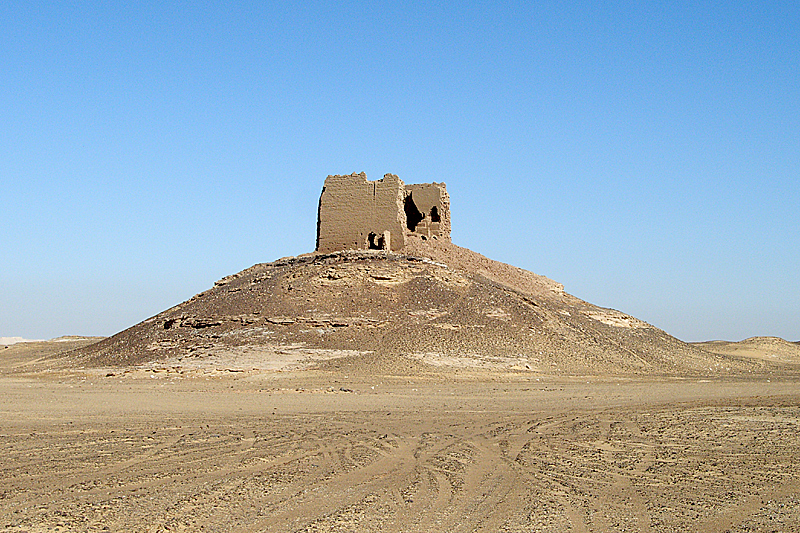
Ain Umm el-Dabadib is an ancient fortified settlement located in the Kharga Oasis in Egypt's Western Desert. This site represents a remarkable example of desert architecture and ancient settlement planning, dating back to the Roman period. Unlike typical castles built on hills or strategic elevated positions, Ain Umm el-Dabadib is a fortified agricultural settlement that served both defensive and residential purposes.
Historical context and location
The Kharga Oasis, part of the larger Western Desert of Egypt, was a crucial hub for trade and agriculture during the Roman Empire. Ain Umm el-Dabadib was established as part of a network of settlements designed to support agricultural production and secure the area from nomadic incursions. The settlement flourished during the Late Roman period, approximately the 3rd to 4th centuries AD, when the Roman administration invested in fortifying desert oases to protect vital resources.
Architectural features and layout
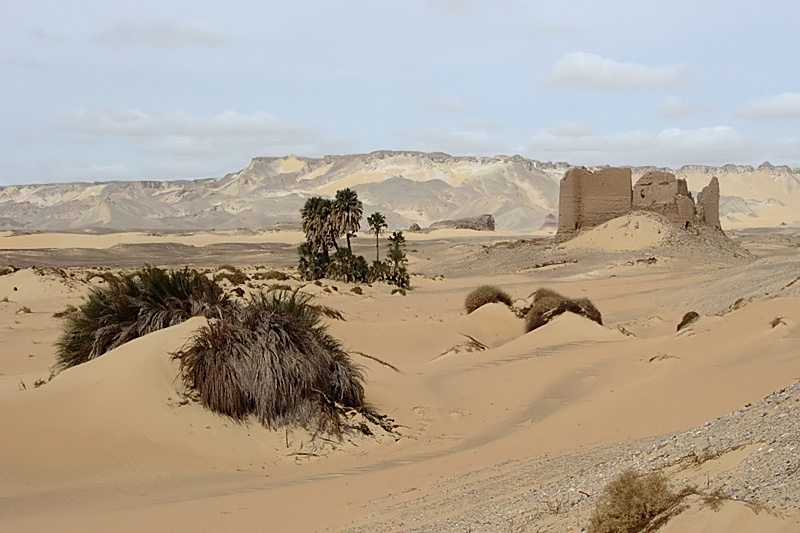
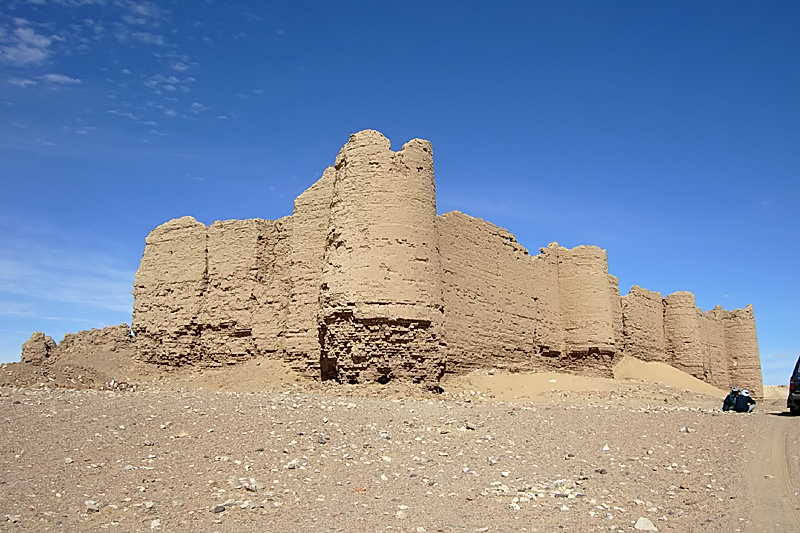
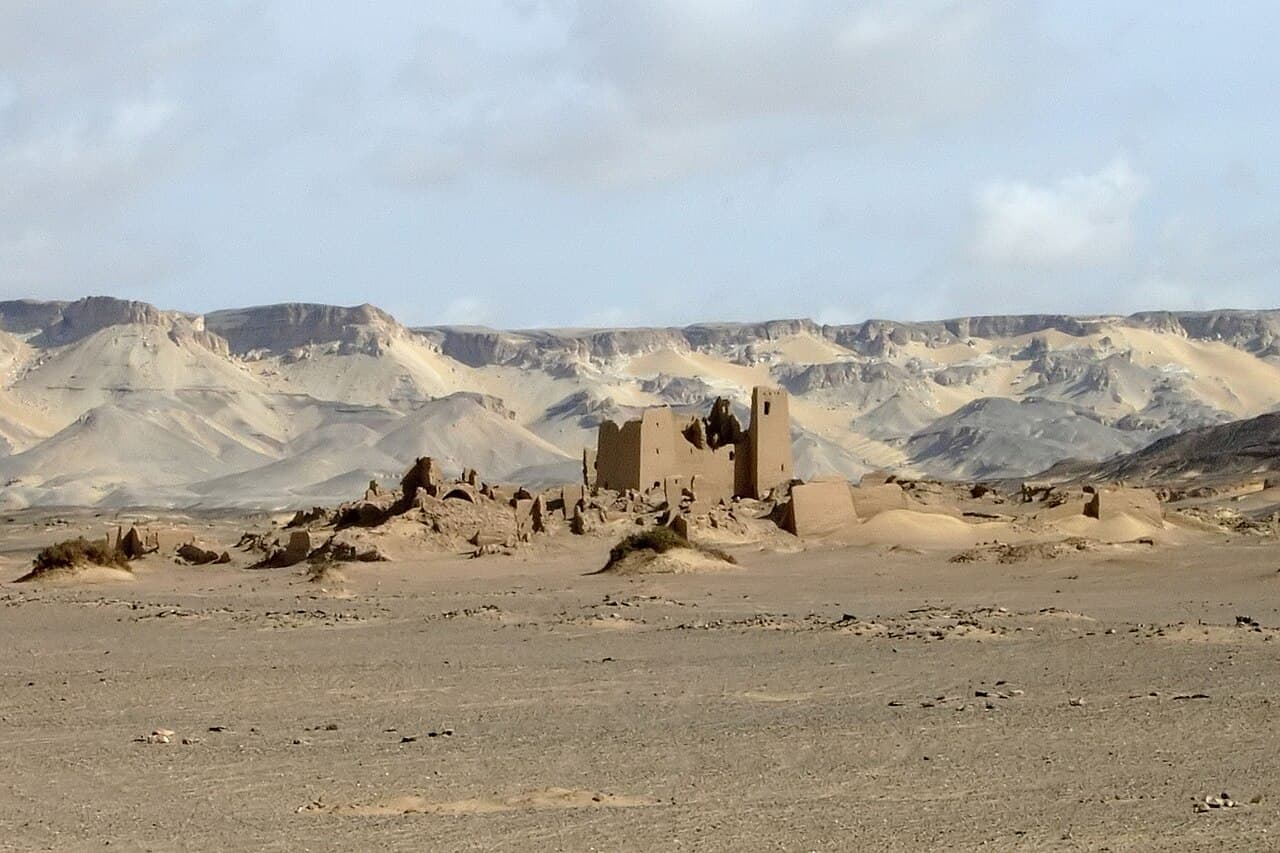
The site consists of a rectangular fortified enclosure with thick mudbrick walls, characteristic of desert construction techniques. The walls are reinforced with towers positioned at intervals, providing vantage points for surveillance and defense. The settlement includes a central courtyard surrounded by residential buildings, storage facilities, and workshops. The use of mudbrick was practical for the harsh desert climate, offering insulation against extreme temperatures.
Defensive structures
The fortification walls of Ain Umm el-Dabadib are substantial, designed to deter raids and protect the inhabitants. The towers are square and integrated into the walls, allowing defenders to cover all approaches. The entrance gate is narrow and strategically placed to control access. Unlike European hill castles, this settlement's defense relied on robust walls and controlled entry points rather than elevated terrain.
Water management and agriculture
Ain Umm el-Dabadib is notable for its sophisticated water management system. The inhabitants constructed a series of underground channels and cisterns to capture and store scarce desert water. This system supported extensive agricultural activities, including date palm groves and other crops suited to the oasis environment. The settlement's design reflects a strong integration of defensive and agricultural functions.
Significance and preservation
This site provides valuable insights into Roman frontier life and desert adaptation strategies. Ain Umm el-Dabadib illustrates how ancient communities balanced defense, agriculture, and habitation in a challenging environment. Today, the site is partially preserved and has been the subject of archaeological studies that highlight its importance in understanding Roman Egypt's rural and military landscape.
Visiting Ain Umm el-Dabadib
While not a typical tourist destination, the site attracts scholars and visitors interested in ancient desert settlements and Roman military architecture. Access to the Kharga Oasis requires planning due to its remote location. Visitors can explore the ruins and observe the mudbrick walls, towers, and agricultural remains that define this unique fortified settlement.
Frequently asked questions (FAQ)
- How do I get to Ain Umm el-Dabadib?
- Ain Umm el-Dabadib is located in the Egyptian desert, approximately 20 kilometers from the nearest city. Visitors can reach the castle by car or guided tour, which are the most convenient options as public transportation may be limited in this remote area.
- What is the historical significance of Ain Umm el-Dabadib?
- Ain Umm el-Dabadib is an important archaeological site that dates back to the Roman period. It served as a military outpost and a point of control along trade routes, showcasing the strategic importance of the region during ancient times.
- When was Ain Umm el-Dabadib built?
- The castle was constructed during the Roman Empire, around the 3rd century AD. Its ruins offer insight into the architectural styles and military strategies employed by the Romans during their expansion in Egypt.
- Can I visit Ain Umm el-Dabadib year-round?
- Yes, Ain Umm el-Dabadib is open for visitors throughout the year. However, the best time to visit is during the cooler months from October to April, when temperatures are more comfortable for exploring the site.
- Why is the architecture of Ain Umm el-Dabadib unique?
- The architecture of Ain Umm el-Dabadib reflects Roman military design, characterized by thick walls and strategic layout for defense. The ruins showcase various construction techniques used in ancient Egypt, making it a valuable site for understanding historical architecture.
- Is it possible to take guided tours at Ain Umm el-Dabadib?
- Yes, guided tours are available and highly recommended for a more enriching experience. Knowledgeable guides can provide in-depth information about the castle's history and significance, ensuring you make the most of your visit.
- What are the opening hours for Ain Umm el-Dabadib?
- Ain Umm el-Dabadib is typically open from 8 AM to 5 PM daily. It is advisable to check for any seasonal changes in hours or special closures before planning your visit.
- Are there any nearby attractions to visit after Ain Umm el-Dabadib?
- Yes, nearby attractions include the ancient city of Luxor and the Valley of the Kings, which are both rich in history and culture. These sites can make for an exciting day trip after visiting the castle.
- What are the ticket prices for Ain Umm el-Dabadib?
- Ticket prices for Ain Umm el-Dabadib are generally affordable, with discounts available for students and children. Prices may vary, so it’s best to check the official website or inquire locally for the most current information.
Photo gallery

Information
Loading map...
Visitor reviews
No reviews yet. Been here? Write the first review and help other travelers!
Write the first reviewVisited this castle? Share your experience
Your review helps other travelers and adds first-hand knowledge to our encyclopedia.