Qasr al-Gibb — Egypt castle

Qasr al-Gibb

Qasr al-Gibb: the desert hill castle of Egypt

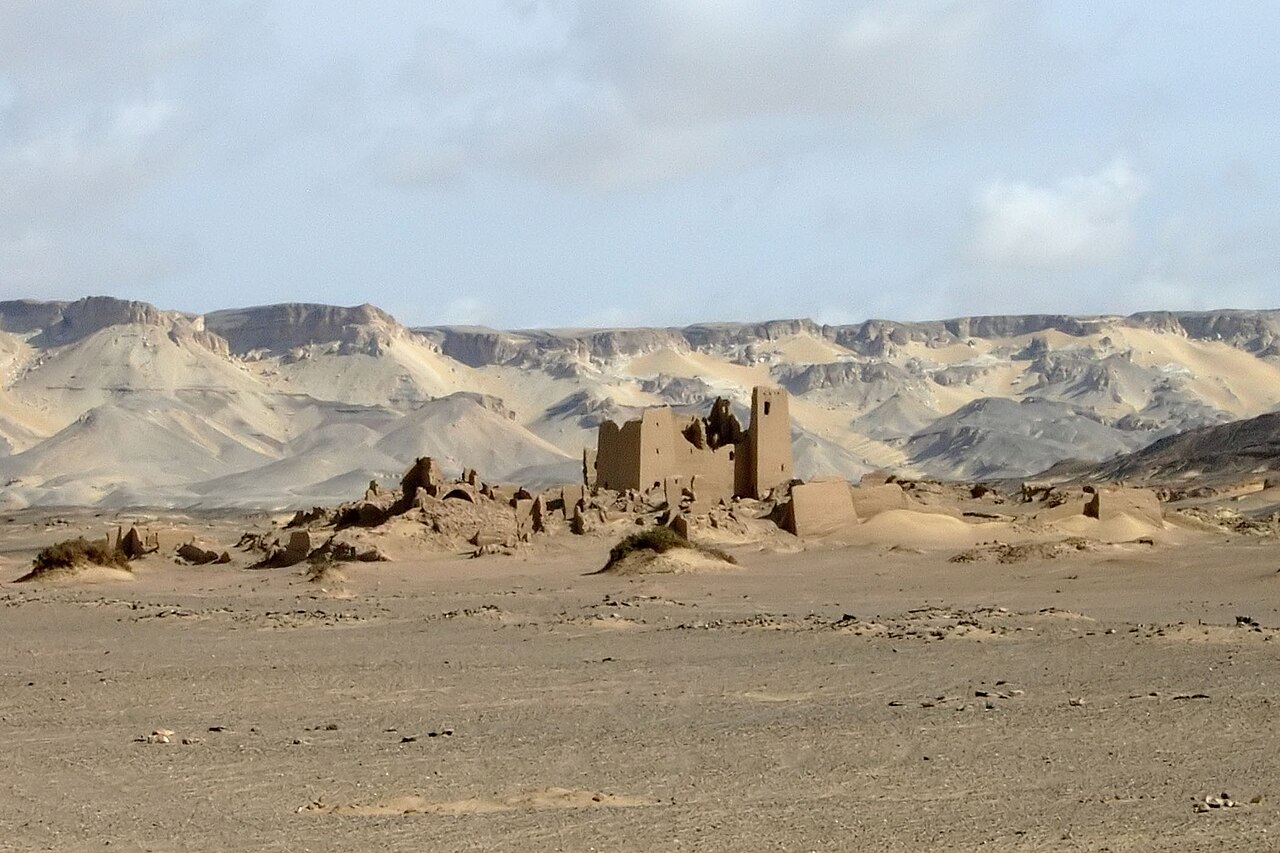
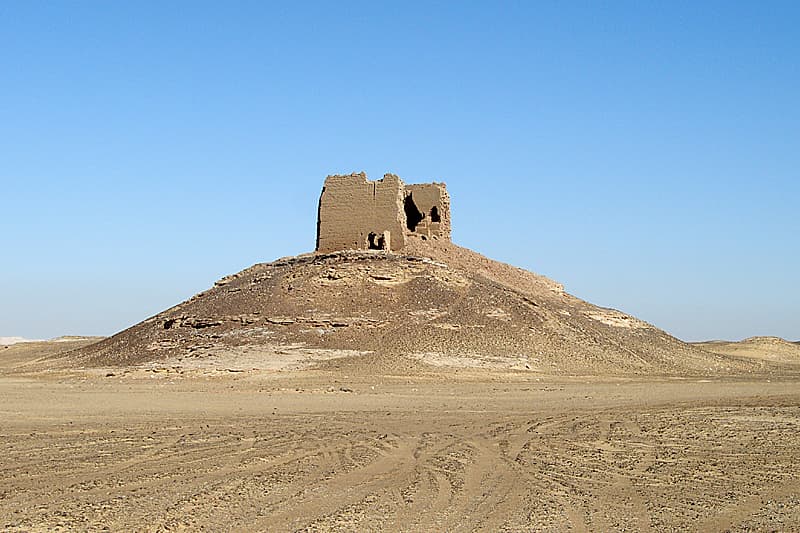
Qasr al-Gibb is a historic hill castle located in the desert region of Egypt. This fortress exemplifies medieval military architecture adapted to the arid and rugged environment of the Egyptian landscape. Although its exact city or precise location remains uncertain, the castle's strategic position atop a hill provided commanding views over the surrounding terrain, essential for defense and control during its period of use.

Architectural features and construction

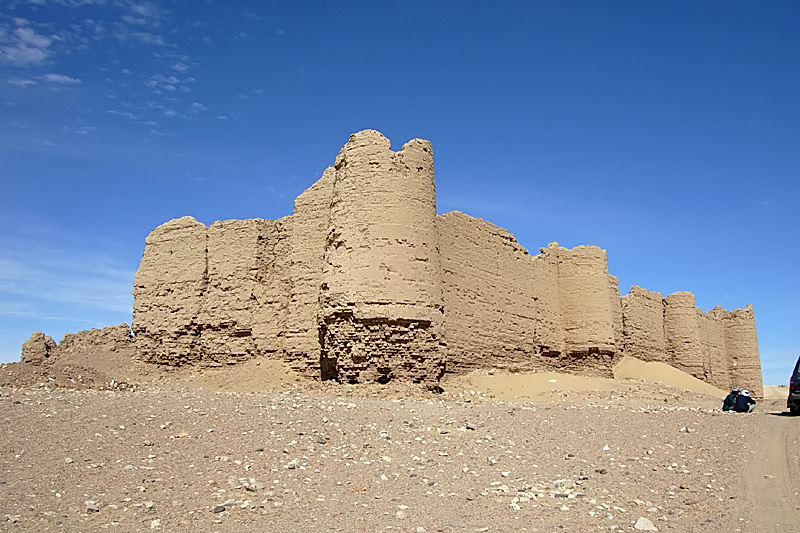
The castle is characterized by its robust stone walls designed to withstand sieges and harsh desert conditions. Its elevated position is typical of hill castles, which leveraged natural topography for defense advantages. The structure likely included battlements, towers, and a fortified gatehouse, common features in medieval fortifications intended to control access and provide vantage points for archers or lookouts.

The use of local stone and traditional masonry techniques reflects the adaptation to available materials and environmental challenges. The castle's layout would have been compact, focusing on defensive strength rather than sprawling residential quarters, consistent with military fortresses of its era.

Historical context and significance

While detailed historical records of Qasr al-Gibb are scarce, hill castles in Egypt often served as military outposts or administrative centers during periods of regional conflict or control by various powers. The castle's location suggests it may have played a role in monitoring trade routes or serving as a defensive stronghold against incursions.

Egypt's medieval period saw a variety of fortifications built to secure territories and protect against both internal and external threats. Castles like Qasr al-Gibb contributed to the network of defense that maintained stability in desert regions.

Preservation and current condition

The current condition of Qasr al-Gibb is not extensively documented, but many similar desert hill castles in Egypt exist in states ranging from ruins to partially preserved. The harsh desert climate can accelerate deterioration, but stone construction often allows significant portions of the walls and foundations to remain visible.

Efforts to study and preserve such sites are important for understanding Egypt's medieval military architecture and regional history. Visitors to the area may find remnants that illustrate the castle's original defensive role.

Architectural and cultural importance

Qasr al-Gibb represents an example of medieval fortifications adapted to the unique environmental and strategic demands of desert hilltop locations. Its architecture reflects the practical considerations of defense, resource availability, and landscape.

As part of Egypt's broader historical heritage, the castle offers insights into the military strategies and settlement patterns of the period. It is a valuable subject for archaeological and architectural study, contributing to the understanding of medieval fortresses in North Africa.

Frequently asked questions (FAQ)

What is Qasr al-Gibb and where is it located?
Qasr al-Gibb is a hill castle located in the desert region of Egypt, known for its strategic elevated position.
What architectural features does Qasr al-Gibb have?
The castle features strong stone walls, battlements, towers, and a fortified gatehouse typical of medieval hill castles.
Is Qasr al-Gibb open to visitors?
The current status of public access is unclear, but the site may be visited to view the remains of the castle's defensive structures.

Photo gallery

Qasr al-Gibb
Click to view

Photo by Roland Unger•CC BY-SA 3.0

1 photo • Click any image to view in full screen

Information

Hill Castle

Loading map...

Visitor reviews

No reviews yet. Been here? Write the first review and help other travelers!

Write the first review

Visited this castle? Share your experience

Your review helps other travelers and adds first-hand knowledge to our encyclopedia.
Write a review

(5/5)

0/2000 characters

Your review will be visible after admin approval

Nearby castles

13.7 km
Qasr el-Labakha — Egypt castle

Qasr el-Labakha

, Egypt

Qasr el-Labakha is an ancient fortress located in Egypt, distinguished as a hill castle due to its elevated position which provided strategic military advantages. This fortress is part of Egypt's extensive network of defensive structures built to control and protect key routes and territories in the region. Historical context and significance The exact date of construction for Qasr el-Labakha is not precisely documented, but it is believed to have origins in the Late Medieval period or possibly earlier. The fortress was likely established to serve as a military outpost, guarding important trade routes and serving as a defensive stronghold in a region historically marked by frequent conflicts and incursions. Egypt's strategic location at the crossroads of Africa and the Middle East made such fortresses essential for controlling movement and asserting territorial dominance. Qasr el-Labakha would have played a role in overseeing the surrounding landscape, providing surveillance and protection against hostile forces. Architectural features and layout As a hill castle, Qasr el-Labakha was constructed on elevated terrain to maximize visibility and defensive capabilities. The fortress likely includes typical features such as thick defensive walls, battlements, and possibly towers positioned to cover approaches from multiple directions. The design would have incorporated a courtyard area within the walls, providing space for garrison activities and storage. Access to the castle was probably controlled by a fortified gate, which would have been a critical point of defense. While detailed architectural plans are scarce, the fortress's robust construction reflects the military architectural style common in the region during the medieval period, emphasizing functionality and defense over ornamental design. Strategic location and environment Qasr el-Labakha is situated in a landscape that enhances its defensive role. The elevated site offers commanding views of the surrounding area, allowing defenders to spot approaching enemies from a distance. This vantage point was crucial for early warning and defense coordination. The surrounding terrain likely includes natural barriers such as rocky outcrops or steep slopes, which would have further protected the fortress and made direct assaults more difficult. Current condition and preservation Today, Qasr el-Labakha exists as partially preserved ruins. The remnants of the fortress walls and structural elements provide insight into its original scale and defensive purpose. Preservation efforts may be limited, but the site remains an important cultural and historical landmark in Egypt. Visitors to the site can observe the fortress's strategic location and appreciate the military architecture that reflects the region's turbulent history. Importance in Egyptian heritage Qasr el-Labakha contributes to Egypt's rich tapestry of historical fortifications that illustrate the country's long-standing strategic importance. As a hill castle, it exemplifies medieval military architecture adapted to local geography and defense needs. The fortress serves as a tangible link to Egypt's past, offering valuable insights into the military, political, and cultural dynamics of the region during the medieval era.

Late Medieval (14th–15th c.)
Details
22.1 km
Ain Umm el-Dabadib — Egypt castle

Ain Umm el-Dabadib

, Egypt

Ain Umm el-Dabadib is an ancient fortified settlement located in the Kharga Oasis in Egypt's Western Desert. This site represents a remarkable example of desert architecture and ancient settlement planning, dating back to the Roman period. Unlike typical castles built on hills or strategic elevated positions, Ain Umm el-Dabadib is a fortified agricultural settlement that served both defensive and residential purposes. Historical context and location The Kharga Oasis, part of the larger Western Desert of Egypt, was a crucial hub for trade and agriculture during the Roman Empire. Ain Umm el-Dabadib was established as part of a network of settlements designed to support agricultural production and secure the area from nomadic incursions. The settlement flourished during the Late Roman period, approximately the 3rd to 4th centuries AD, when the Roman administration invested in fortifying desert oases to protect vital resources. Architectural features and layout The site consists of a rectangular fortified enclosure with thick mudbrick walls, characteristic of desert construction techniques. The walls are reinforced with towers positioned at intervals, providing vantage points for surveillance and defense. The settlement includes a central courtyard surrounded by residential buildings, storage facilities, and workshops. The use of mudbrick was practical for the harsh desert climate, offering insulation against extreme temperatures. Defensive structures The fortification walls of Ain Umm el-Dabadib are substantial, designed to deter raids and protect the inhabitants. The towers are square and integrated into the walls, allowing defenders to cover all approaches. The entrance gate is narrow and strategically placed to control access. Unlike European hill castles, this settlement's defense relied on robust walls and controlled entry points rather than elevated terrain. Water management and agriculture Ain Umm el-Dabadib is notable for its sophisticated water management system. The inhabitants constructed a series of underground channels and cisterns to capture and store scarce desert water. This system supported extensive agricultural activities, including date palm groves and other crops suited to the oasis environment. The settlement's design reflects a strong integration of defensive and agricultural functions. Significance and preservation This site provides valuable insights into Roman frontier life and desert adaptation strategies. Ain Umm el-Dabadib illustrates how ancient communities balanced defense, agriculture, and habitation in a challenging environment. Today, the site is partially preserved and has been the subject of archaeological studies that highlight its importance in understanding Roman Egypt's rural and military landscape. Visiting Ain Umm el-Dabadib While not a typical tourist destination, the site attracts scholars and visitors interested in ancient desert settlements and Roman military architecture. Access to the Kharga Oasis requires planning due to its remote location. Visitors can explore the ruins and observe the mudbrick walls, towers, and agricultural remains that define this unique fortified settlement.

Late Medieval (14th–15th c.)
Details
27.9 km
Deir el-Munira — Egypt castle

Deir el-Munira

, Egypt

Deir el-Munira is an ancient hill castle located in Egypt, notable for its strategic placement and historical significance within the region. Although the exact city or precise location remains uncertain, this fortress exemplifies the use of elevated terrain to maximize defensive capabilities, a common characteristic of hill castles. Strategic location and architectural significance Hill castles like Deir el-Munira were typically constructed on elevated ground to provide commanding views of the surrounding landscape. This positioning allowed defenders to monitor approaching enemies from a distance and exploit the natural topography for defense. The castle's elevated site would have been advantageous for controlling important routes or territory in the region. While detailed architectural records of Deir el-Munira are limited, hill castles generally feature robust defensive walls, towers for surveillance, and fortified gates. The use of local stone materials and adaptation to the natural contours of the hill would have been essential in its construction. Such castles often incorporate terraces and retaining walls to create level platforms for buildings and defensive works. Historical context and function Egypt's strategic position at the crossroads of Africa and the Middle East has led to the construction of numerous fortifications throughout its history. While the precise period of Deir el-Munira's construction is not documented, hill castles in Egypt often date back to periods ranging from the Early Medieval to the Medieval era, reflecting the need to defend trade routes, settlements, and territorial boundaries. Such fortresses served multiple roles: military defense, administrative centers, and symbols of power. They were often garrisoned by troops and could act as refuges during times of conflict. The presence of a castle like Deir el-Munira would have contributed to regional security and control. Architectural features typical of hill castles in Egypt Defensive walls and towers Hill castles in Egypt typically feature thick stone walls designed to withstand sieges and attacks. Towers placed at intervals along the walls provided vantage points for archers and lookouts. These towers could be round or square, depending on the period and architectural influences. Gatehouses and entrances The main entrance to such castles was often heavily fortified with gatehouses, sometimes including portcullises and murder holes to repel attackers. The approach to the gate was likely designed to be narrow and winding, slowing down advancing enemies. Internal layout Inside, the castle would have contained barracks, storage rooms, a cistern for water supply, and possibly a small chapel or administrative buildings. The layout would be adapted to the hill's shape, with terraces and courtyards arranged to maximize defensive strength and functional use. Preservation and current condition The current condition of Deir el-Munira is not well documented, but many hill castles in Egypt survive in various states ranging from ruins to partially preserved structures. Factors such as natural erosion, human activity, and lack of maintenance often affect their preservation. Archaeological efforts in Egypt continue to uncover and study such fortifications, shedding light on their construction techniques and historical roles. Deir el-Munira remains a subject of interest for historians and archaeologists focused on Egypt's medieval military architecture. Visiting information and accessibility Due to the uncertain location and limited documentation, visiting Deir el-Munira may not be feasible for tourists at present. However, Egypt offers many other well-preserved castles and fortresses that illustrate the region's rich defensive architectural heritage.

Details