An-Nekhel Fortress
The Fortress of an-Nekhel stands prominently in the Sinai Peninsula of Egypt, marking the strategic heart of the peninsula. This bastioned fortress was constructed in the 16th century during the Renaissance period, reflecting military architectural advances of the time. It occupies a commanding position along historic caravan routes that connected Egypt with the Arabian Peninsula, serving as a critical waypoint and defensive stronghold.
Historical significance and strategic location
Located in what is now the Nekhel Municipality, the fortress's site has been of importance since Ancient Egyptian times, as archaeological excavations have uncovered remains dating back to that era. Its position at the exact center of the Sinai Peninsula made it a natural hub for controlling movement across the desert, especially for caravans and military expeditions.
During the Islamic era, an-Nekhel fortress gained additional prominence as a vital staging ground for Muslim pilgrims undertaking the Hajj or Umra. Pilgrims traveling from Egypt and North Africa to the holy cities of Mecca and Medina often stopped here to rest and resupply. The fortress thus played a dual role as both a military bastion and a crucial support point for religious journeys.
Architectural features and construction
The fortress is classified as a bastioned fortress, a style that emerged in the Renaissance with the advent of gunpowder artillery. Its design includes thick defensive walls and angular bastions that allowed defenders to cover all approaches with crossfire, reducing blind spots and improving protection against cannon fire.
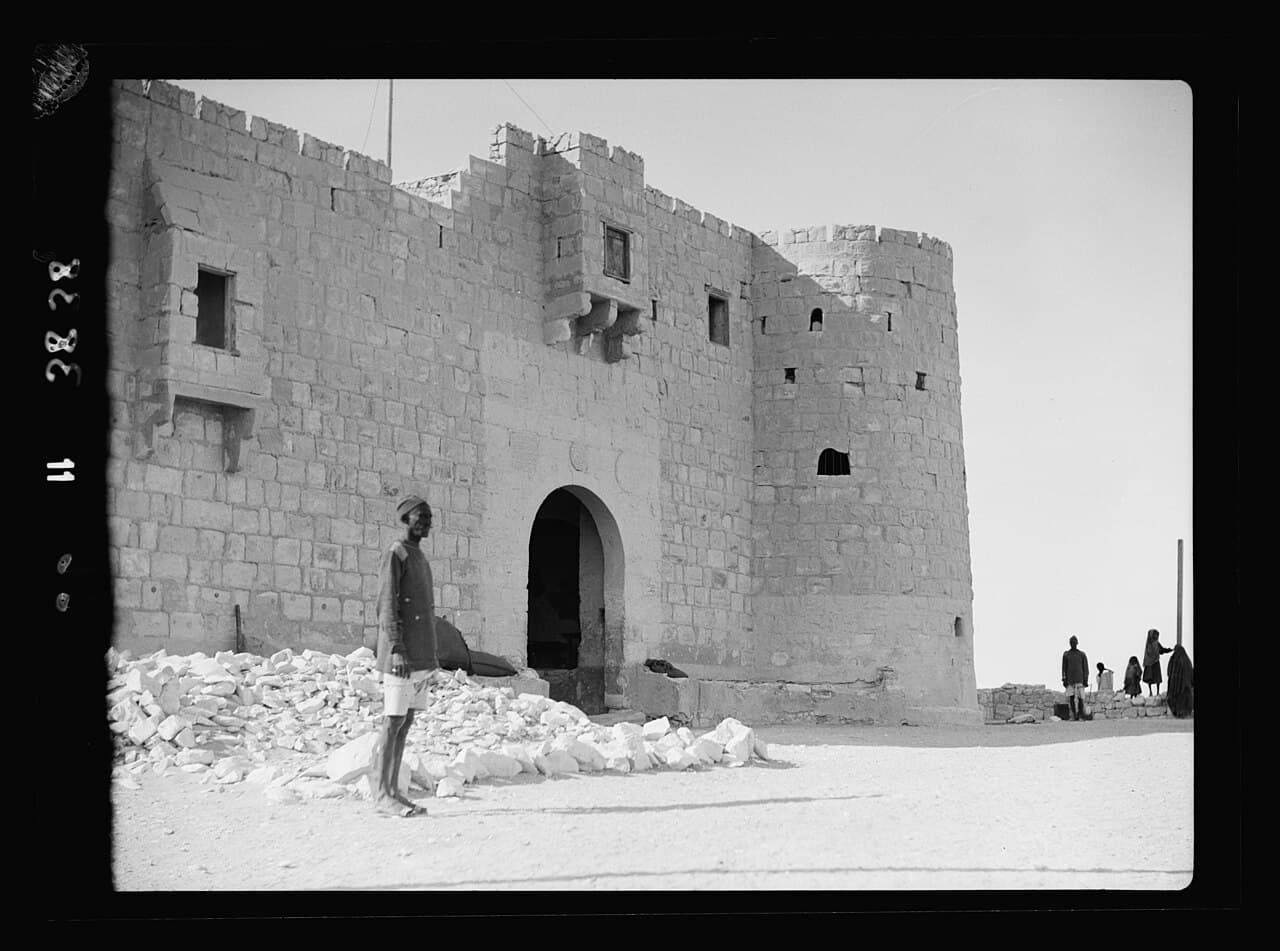
Constructed primarily from local stone, an-Nekhel fortress features a roughly rectangular layout with bastions projecting from the corners and midpoints of the walls. The walls are punctuated by narrow gunports and embrasures for artillery. The main gate is fortified, often with additional defensive elements such as a barbican or a drawbridge, though specific details about these features at an-Nekhel are limited.
Inside, the fortress likely contained barracks, storage rooms for food and ammunition, and water cisterns to sustain occupants during sieges or long periods of isolation. The presence of a central courtyard would have facilitated movement and organization within the fortress.
Role in regional defense and trade
Throughout its history, an-Nekhel fortress served as a key military outpost guarding the desert approaches to Egypt. It was part of a network of fortifications that protected trade routes and pilgrimage paths from raids by hostile tribes or foreign invaders. Its bastioned design reflects the evolving military technology of the Renaissance, adapted to the challenges of desert warfare.
The fortress also functioned as a customs and control point, regulating the flow of goods and people across the Sinai. This role was essential for maintaining the security and economic stability of the region.
Archaeological findings and preservation
Excavations at the site have revealed layers of occupation, including artifacts and structural remains from Ancient Egypt through the Islamic period. These findings highlight the continuous strategic importance of the location over millennia.
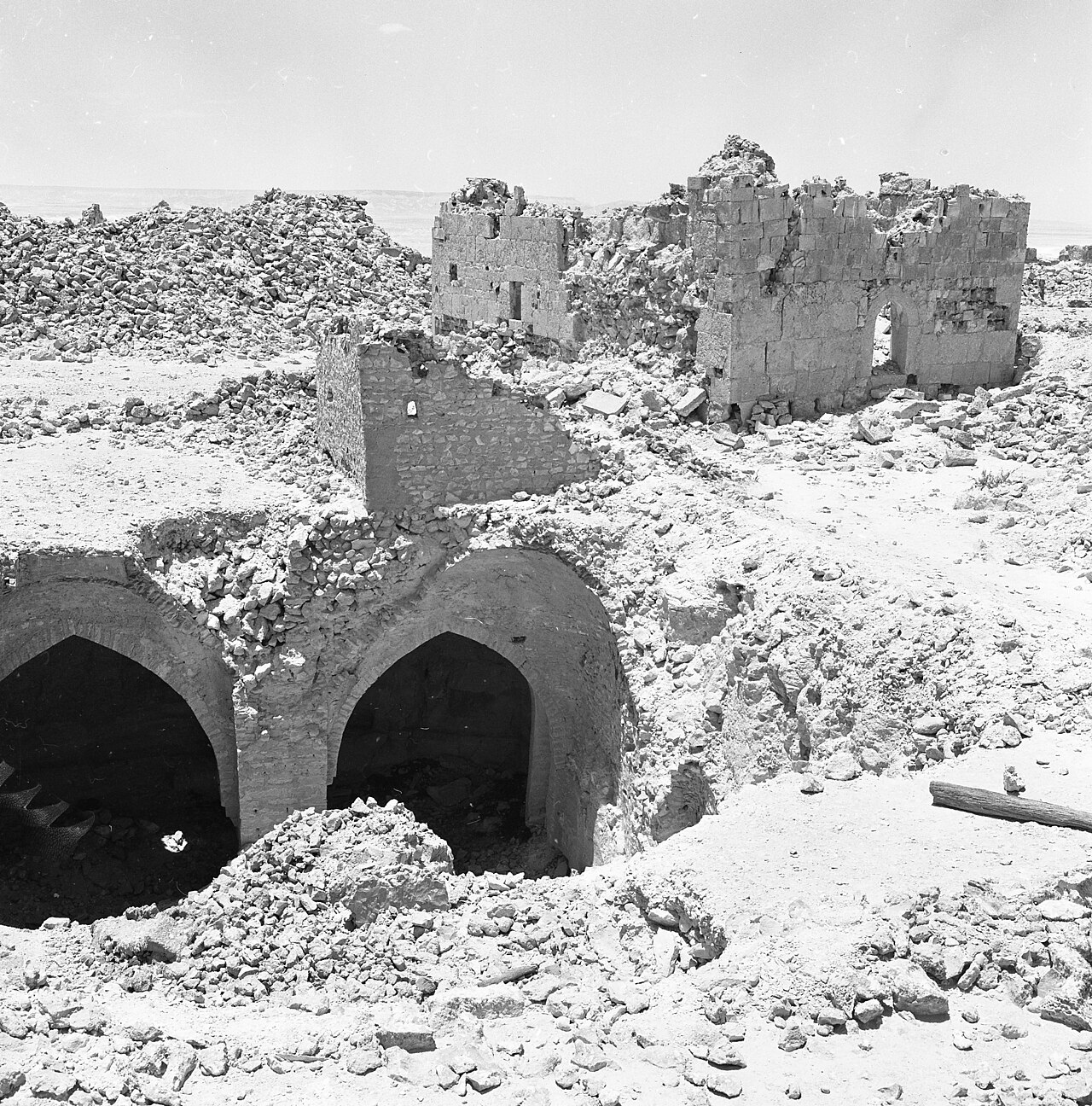
Today, an-Nekhel fortress remains a partially preserved historic site. Its ruins provide valuable insights into the military architecture of the Renaissance adapted for desert conditions and the cultural exchanges along the pilgrimage routes.
Visiting an-Nekhel fortress
While the fortress is not as widely known or visited as other Egyptian monuments, it attracts historians, archaeologists, and adventurous travelers interested in the intersection of military history and Islamic pilgrimage traditions. Visitors should prepare for desert conditions and limited facilities.
The site offers a unique glimpse into the Renaissance-era bastioned fortress architecture in a desert environment and its role in safeguarding one of the world's oldest pilgrimage routes.
Frequently asked questions (FAQ)
- What is the historical significance of an-Nekhel fortress?
- An-Nekhel fortress is historically significant as a strategic military stronghold and a key staging point for Muslim pilgrims traveling the Hajj and Umra routes through the Sinai Peninsula.
- When was an-Nekhel fortress built?
- An-Nekhel fortress was constructed in the 16th century during the Renaissance period, reflecting advancements in military architecture of that era.
- What architectural style characterizes an-Nekhel fortress?
- The fortress is an example of a bastioned fortress, featuring thick defensive walls and angular bastions designed to withstand artillery attacks common in the Renaissance.
- Is an-Nekhel fortress accessible to visitors?
- Yes, the fortress is accessible but has limited facilities. Visitors should be prepared for desert conditions when planning a visit.
- Why was an-Nekhel fortress important for pilgrims?
- It served as a vital stopover and support point for Muslim pilgrims undertaking the Hajj or Umra, offering rest and resupply on the long desert journey.
Photo gallery

Photo by Matson Collection•Public domain
Information
Loading map...
Visitor reviews
No reviews yet. Been here? Write the first review and help other travelers!
Write the first reviewVisited this castle? Share your experience
Your review helps other travelers and adds first-hand knowledge to our encyclopedia.