Babylon Fortress
Babylon Fortress (Arabic: حصن بابليون; Coptic: ⲡⲁⲃⲓⲗⲱⲛ or Ⲃⲁⲃⲩⲗⲱⲛ) is a prominent ancient Roman bastioned fortress situated on the eastern bank of the Nile Delta, within the historic area known today as Old Cairo or Coptic Cairo. Constructed around the 3rd century AD during the reign of Emperor Diocletian, the fortress was strategically established to guard the entrance to a vital ancient canal. This canal, originally rebuilt under the rule of Emperor Trajan, connected the Nile River with the Red Sea, serving as an important trade and transportation route in antiquity.
Historical significance and strategic location
The fortress marked a critical boundary between Lower and Middle Egypt. It functioned as a checkpoint where river vessels paid tolls when navigating the Nile, underscoring its role in controlling commerce and movement along this major waterway. Babylon Fortress was part of a broader network of Roman military installations designed to secure Egypt's economic and territorial interests during the Early Medieval period.
Architectural features and layout
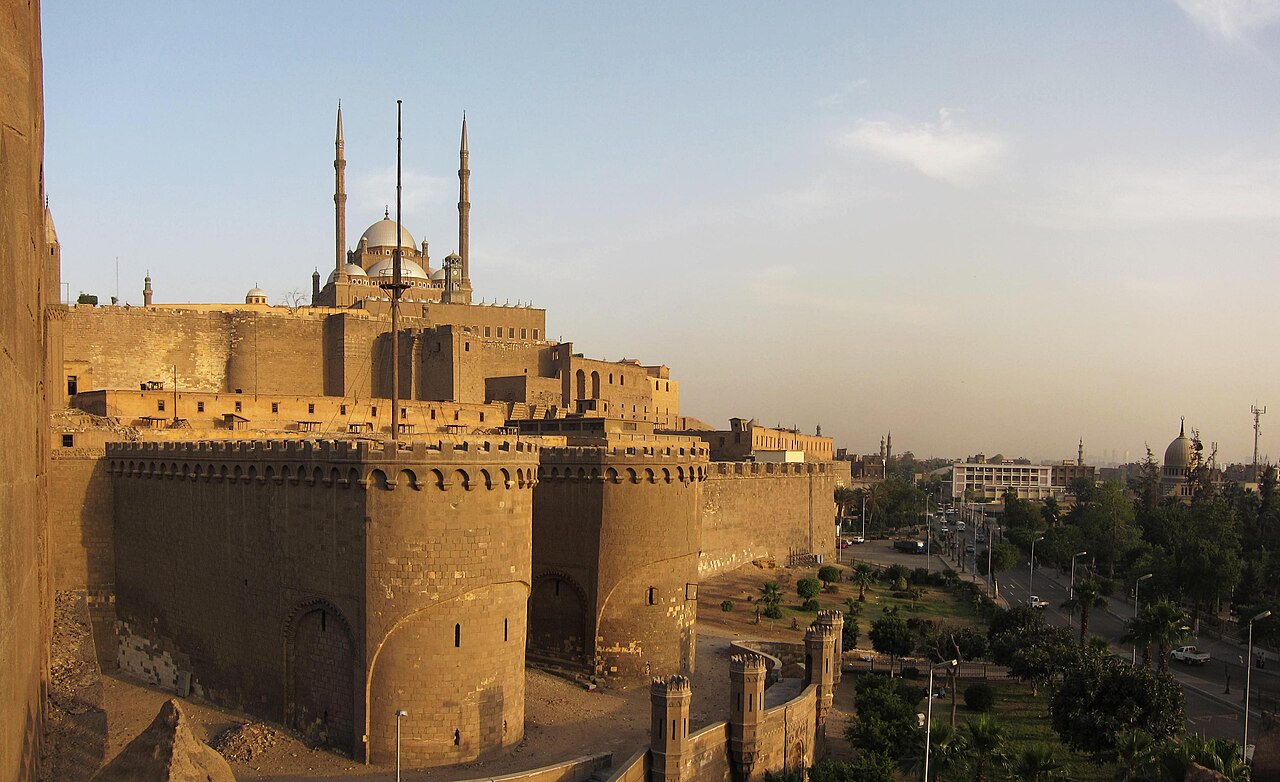
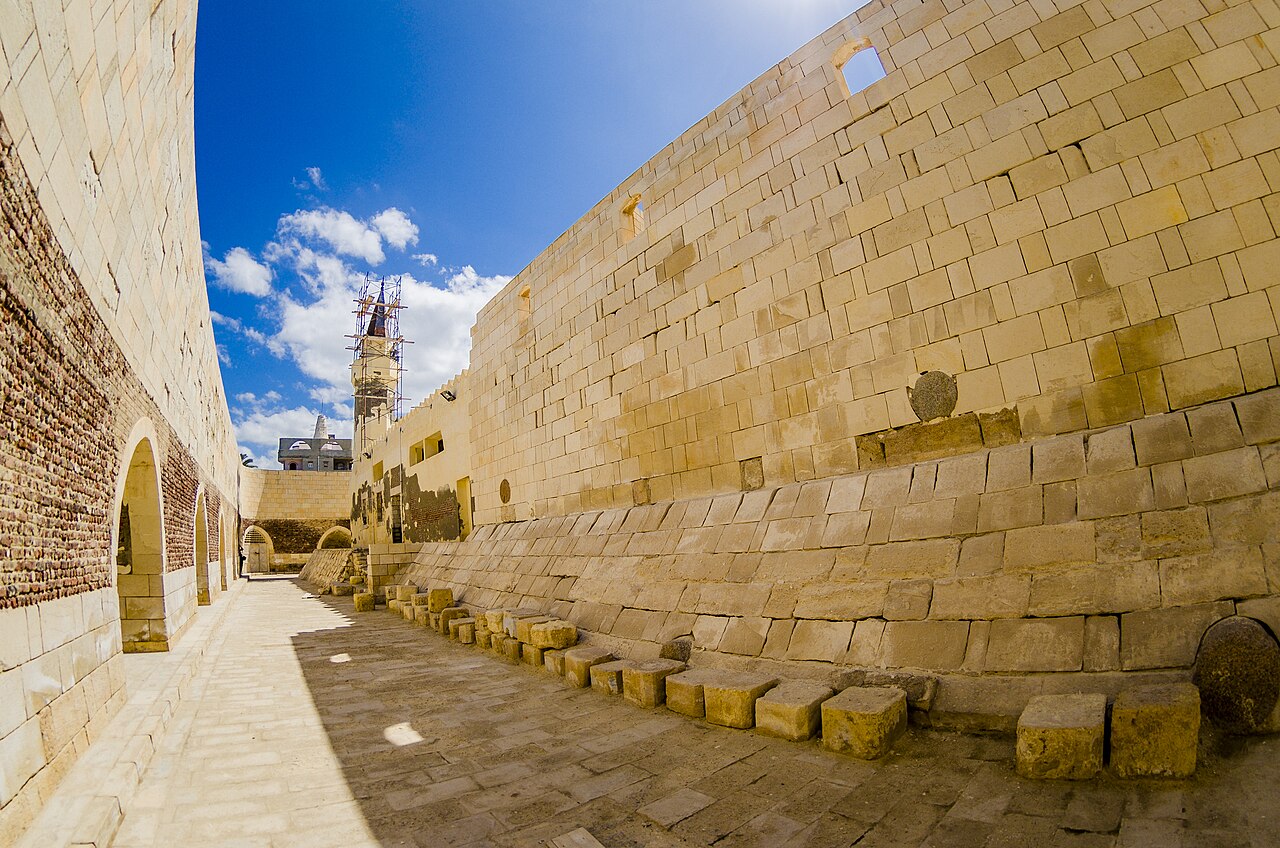
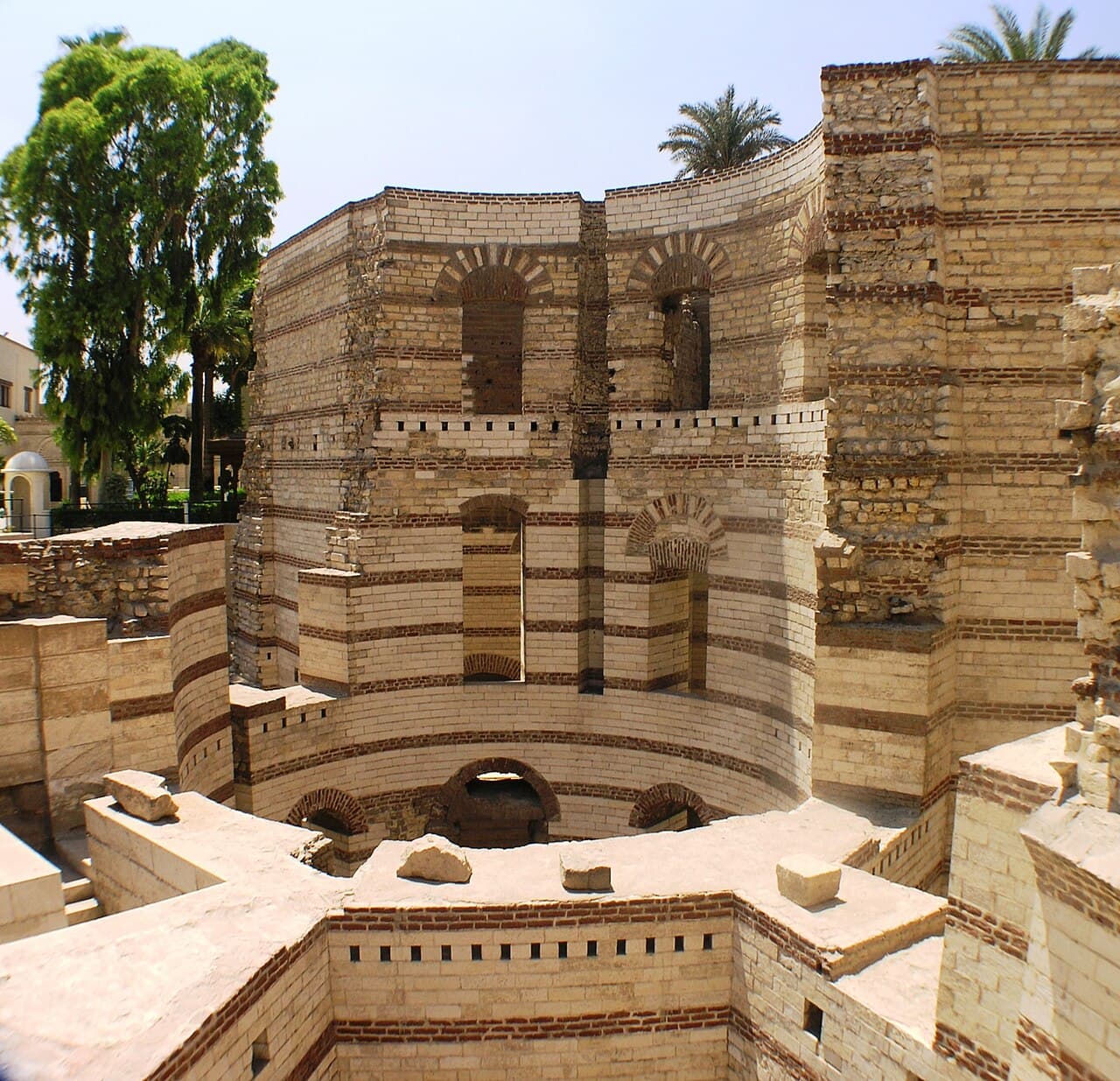
Babylon Fortress exemplifies the bastioned fortress type, characterized by robust defensive walls and angular bastions designed to withstand siege warfare and artillery attacks. The fortress walls are constructed from massive stone blocks, forming a rectangular enclosure with multiple towers and gates that provided controlled access and vantage points for surveillance.
The fortress's design reflects Roman military engineering principles, emphasizing durability and defense. The bastions allowed defenders to cover adjacent walls with crossfire, a tactical innovation that enhanced the fortress's resilience against attackers. The layout also included internal courtyards and spaces for garrison quarters, storage, and administrative functions.
Religious and cultural heritage within the fortress
Today, the area enclosed by the fortress walls hosts several significant religious and cultural sites integral to Egypt's Christian heritage. Among these are the Coptic Museum, a repository of Coptic art and artifacts, and multiple churches, including the renowned Church of St. George and the Hanging Church (Al-Muallaqa). These sites highlight the fortress's transformation from a military installation into a center of religious life and cultural preservation over centuries.
The presence of a convent within the fortress grounds further emphasizes its role as a religious enclave, maintaining continuity of Christian worship and community in an area that has witnessed diverse historical phases.
Preservation and current status
Babylon Fortress remains partially preserved, with substantial portions of its original walls and bastions still visible. Its integration into the urban fabric of Old Cairo has protected many of its structures, although some areas have undergone modifications or restorations to accommodate modern use and tourism.
As a heritage site, the fortress attracts visitors interested in Roman military architecture, early Christian history, and Egypt's layered past. Its location within Old Cairo makes it accessible for exploration alongside other historical landmarks.
Visitor information and accessibility
Visitors to Babylon Fortress can explore the fortress walls and the religious sites within its enclosure. The Coptic Museum offers extensive exhibits on Egypt's Christian history, complementing the architectural experience of the fortress itself. The churches within the fortress are active places of worship and hold cultural events throughout the year.
The fortress is situated in a densely populated urban area, with access typically available during museum and church opening hours. Guided tours often include Babylon Fortress as part of a broader itinerary covering Coptic Cairo.
Frequently asked questions (FAQ)
- What is Babylon Fortress and where is it located?
- Babylon Fortress is an ancient Roman bastioned fortress located in Old Cairo, Egypt, on the eastern bank of the Nile Delta.
- When was Babylon Fortress built and by whom?
- The fortress was built around the 3rd century AD by Emperor Diocletian to protect a canal linking the Nile with the Red Sea.
- What architectural features define Babylon Fortress?
- Babylon Fortress features robust stone walls and bastions typical of Roman military fortifications, designed for defense and surveillance.
- What religious sites are found within Babylon Fortress?
- Within the fortress are several churches, including the Hanging Church and Church of St. George, as well as the Coptic Museum and a convent.
- Is Babylon Fortress accessible to visitors today?
- Yes, visitors can explore the fortress walls and religious sites, with access generally available during museum and church opening hours.
Photo gallery

Information
Loading map...
Visitor reviews
No reviews yet. Been here? Write the first review and help other travelers!
Write the first reviewVisited this castle? Share your experience
Your review helps other travelers and adds first-hand knowledge to our encyclopedia.