Fort Julien
Fort Julien, also known as Fort Rashid (Arabic: طابية رشيد), stands on the west bank of the Nile River approximately 5 kilometres northwest of the city of Rashid (Rosetta) on Egypt's northern Mediterranean coast. This bastioned fortress dates back to the 15th century and was originally constructed by the Mamluks, a powerful military caste that ruled Egypt and Syria during the late medieval period. It is strategically positioned to guard the Nile's western approaches and the surrounding coastline, reflecting its military importance in controlling access to the Nile Delta and the Mediterranean Sea.
Architectural design and military features
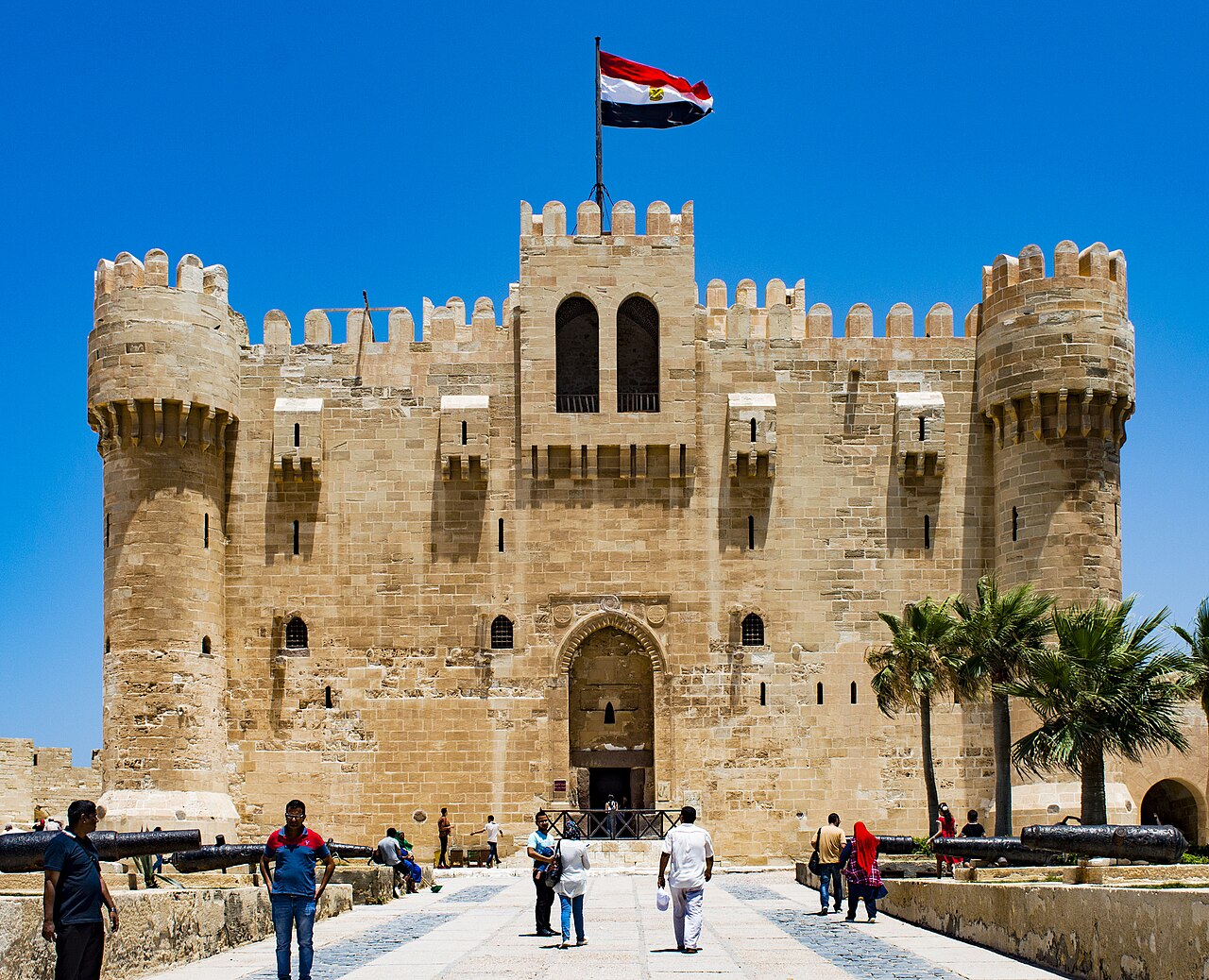
The fortress is a classic example of a bastioned fortress, a style that became prominent in the late medieval and early modern periods as artillery warfare evolved. Its design incorporates angled bastions protruding from the main walls, allowing defenders to cover adjacent walls with crossfire and better resist cannon attacks. The walls are thick and robust, built to withstand bombardment, and the fort includes various defensive elements such as embrasures for artillery, a moat, and a fortified gatehouse.
The layout of Fort Julien is compact yet effective, with a central courtyard surrounded by living quarters, storage rooms, and defensive positions. The bastions are positioned to provide overlapping fields of fire. The fort's location on the Nile's west bank also allowed control over river traffic and nearby land routes.
Historical context and significance
Fort Julien was constructed during the late medieval period under the Mamluk Sultanate, which was known for its military architecture designed to protect Egypt from both internal revolts and external invasions. The Mamluks fortified many key locations along the Nile and the Mediterranean coast to secure their rule.
The fort gained international fame during the French campaign in Egypt and Syria (1798–1801) led by Napoleon Bonaparte. The French occupied Fort Julien as part of their military strategy to control Egypt and its vital waterways. It was here in 1799 that soldiers discovered the Rosetta Stone, an artifact that proved crucial in deciphering Egyptian hieroglyphs and unlocking the secrets of ancient Egypt's written language.
The discovery of the rosetta stone
The Rosetta Stone was found by French engineer Pierre-François Bouchard during repairs to the fort's defenses. This granodiorite stele features a decree issued in 196 BCE in three scripts: Greek, Demotic, and Egyptian hieroglyphs. The stone's discovery was a pivotal moment in Egyptology, enabling scholars like Jean-François Champollion to finally decode the hieroglyphic script.
Today, Fort Julien's association with the Rosetta Stone continues to attract historians, archaeologists, and tourists interested in the origins of Egyptology and the history of ancient Egyptian writing.
Later history and current condition
After the French occupation ended, Fort Julien continued to be used by various powers controlling Egypt, including the Ottoman Empire and later the British. Over time, advances in military technology and changes in political control reduced its strategic importance.
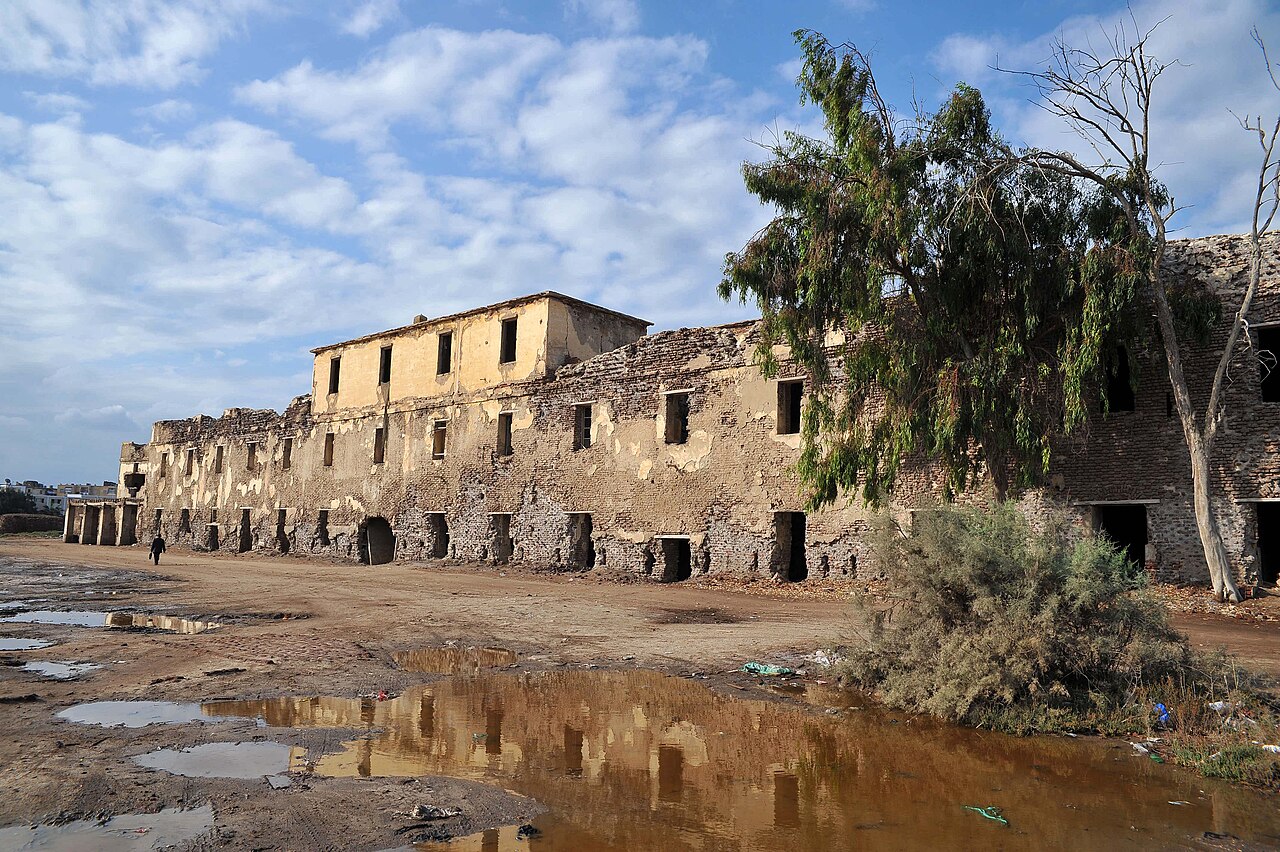
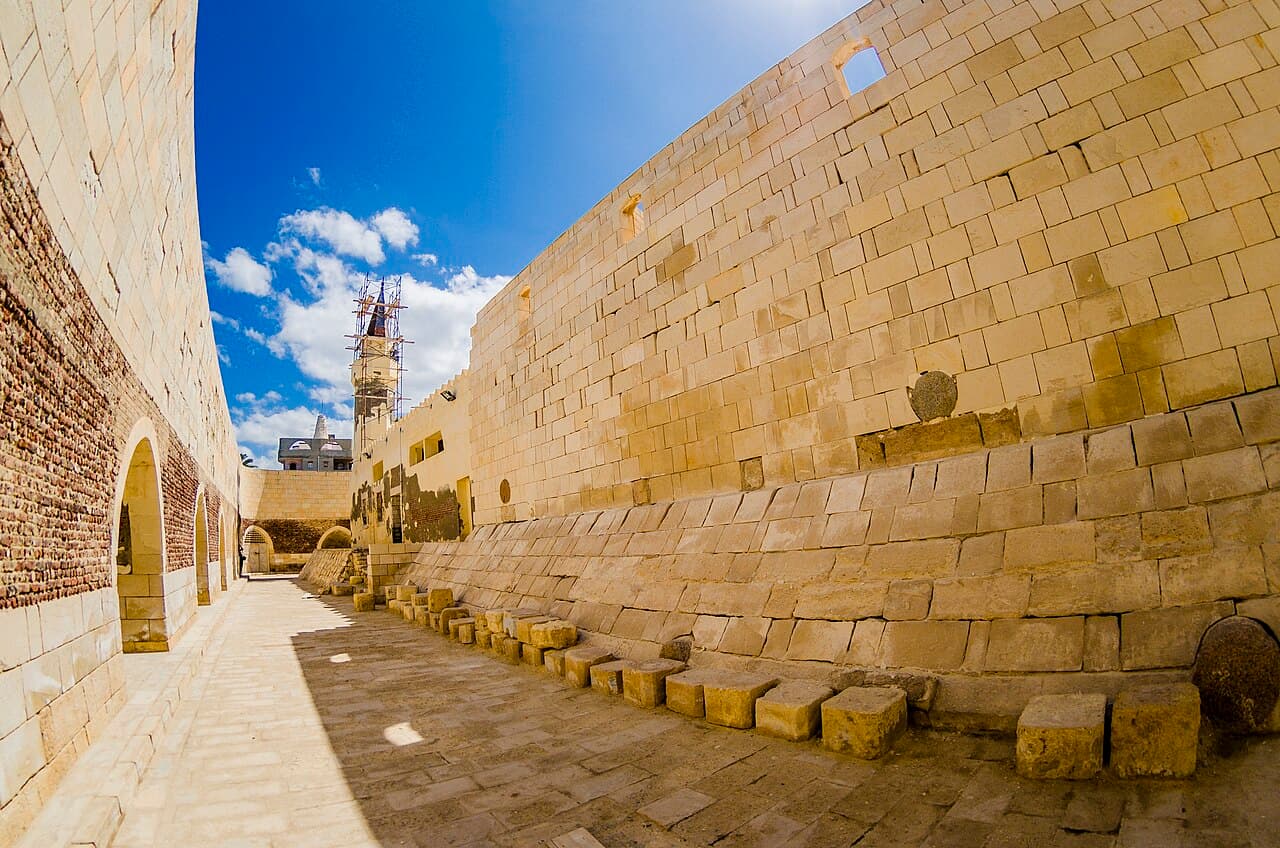
Currently, Fort Julien remains a partially preserved structure. While some sections of the fortress have suffered from erosion and neglect, restoration efforts have been undertaken to maintain its historical integrity. Visitors to the site can explore the surviving bastions, walls, and the general layout that reflects its military origins.
Visiting fort julien
Fort Julien is accessible to visitors interested in military history and Egyptology. It lies close to the city of Rashid, which offers additional historical and cultural attractions. Visitors should check local conditions and access permissions, as the site is not as extensively developed for tourism as other Egyptian landmarks.
Frequently asked questions about fort julien
- When was Fort Julien built? Fort Julien was constructed in the 15th century during the Mamluk Sultanate's rule over Egypt.
- What is the architectural style of Fort Julien? The fort is a bastioned fortress designed for artillery defense, typical of late medieval military architecture.
- Why is Fort Julien historically significant? It is famous as the discovery site of the Rosetta Stone, which was key to deciphering Egyptian hieroglyphs.
- Can visitors tour Fort Julien? Yes, the fort is open to visitors, though facilities are limited and it is best accessed from the nearby city of Rashid.
- What condition is Fort Julien in today? The fortress is partially preserved, with some restoration work having been carried out to maintain its structure.
- How did the Rosetta Stone impact history? The Rosetta Stone enabled scholars to understand ancient Egyptian writing, revolutionizing Egyptology.
Frequently asked questions (FAQ)
- When was Fort Julien built?
- Fort Julien was constructed in the 15th century during the Mamluk Sultanate's rule over Egypt.
- What is the architectural style of Fort Julien?
- The fort is a bastioned fortress designed for artillery defense, typical of late medieval military architecture.
- Why is Fort Julien historically significant?
- It is famous as the discovery site of the Rosetta Stone, which was key to deciphering Egyptian hieroglyphs.
- Can visitors tour Fort Julien?
- Yes, the fort is open to visitors, though facilities are limited and it is best accessed from the nearby city of Rashid.
- What condition is Fort Julien in today?
- The fortress is partially preserved, with some restoration work having been carried out to maintain its structure.
- How did the Rosetta Stone impact history?
- The Rosetta Stone enabled scholars to understand ancient Egyptian writing, revolutionizing Egyptology.
Photo gallery

Information
Loading map...
Visitor reviews
No reviews yet. Been here? Write the first review and help other travelers!
Write the first reviewVisited this castle? Share your experience
Your review helps other travelers and adds first-hand knowledge to our encyclopedia.