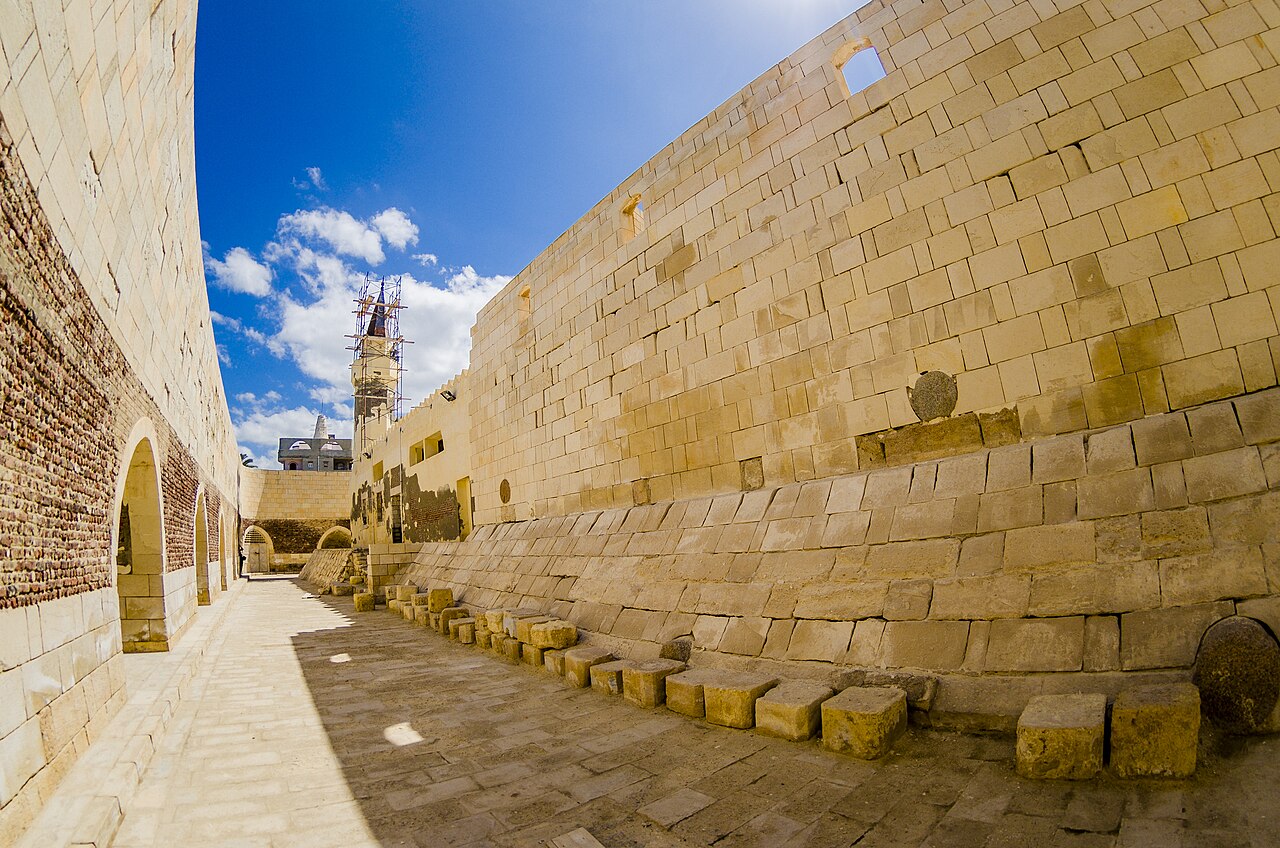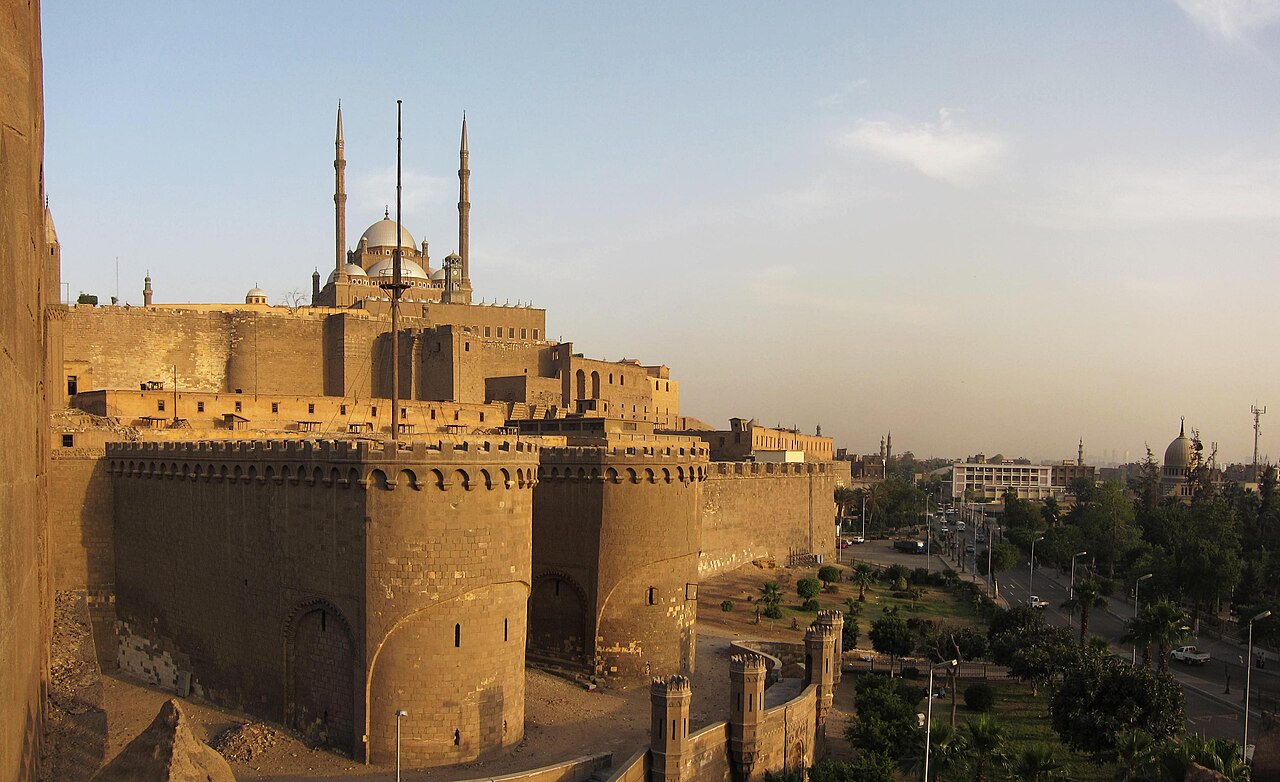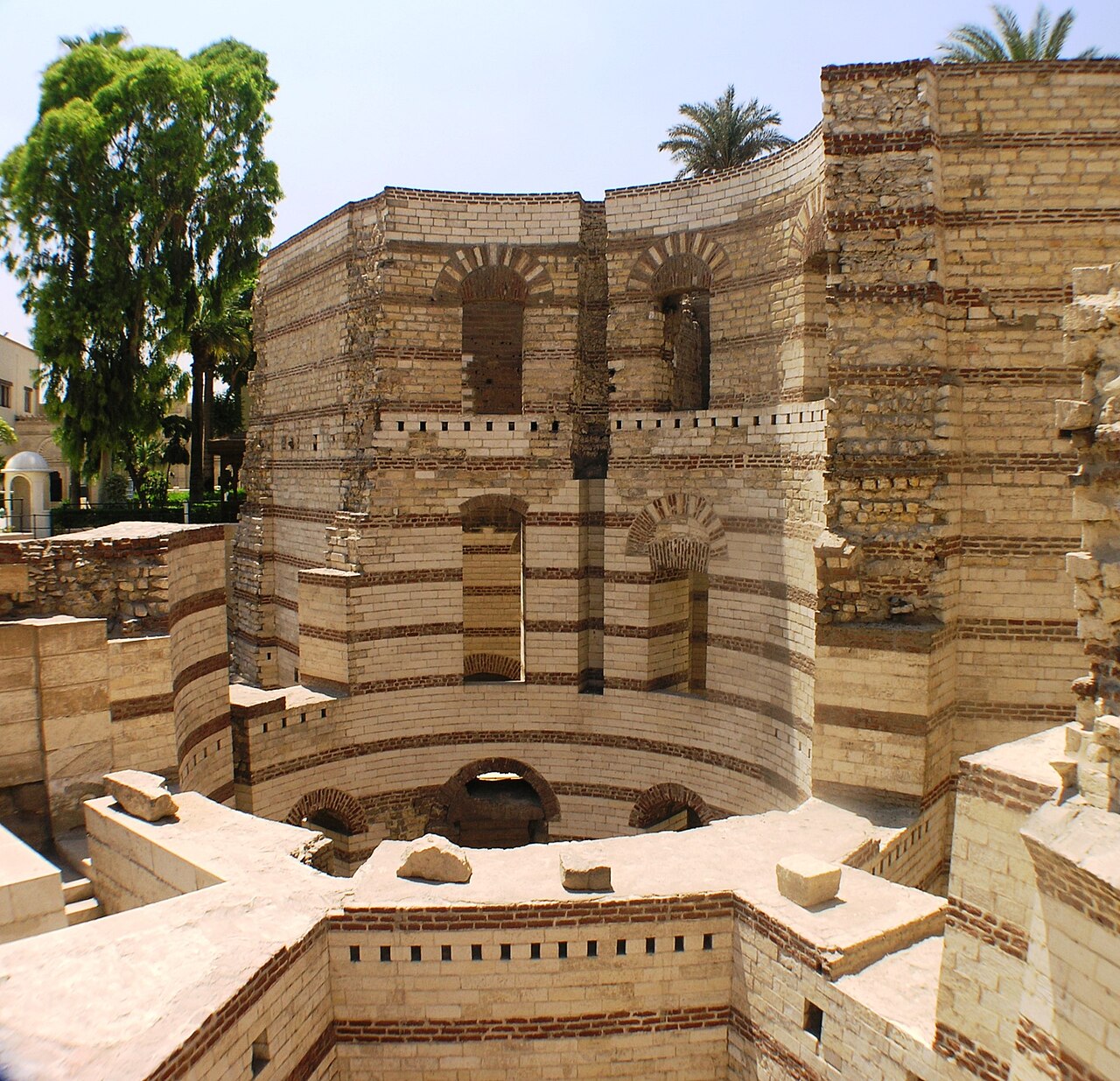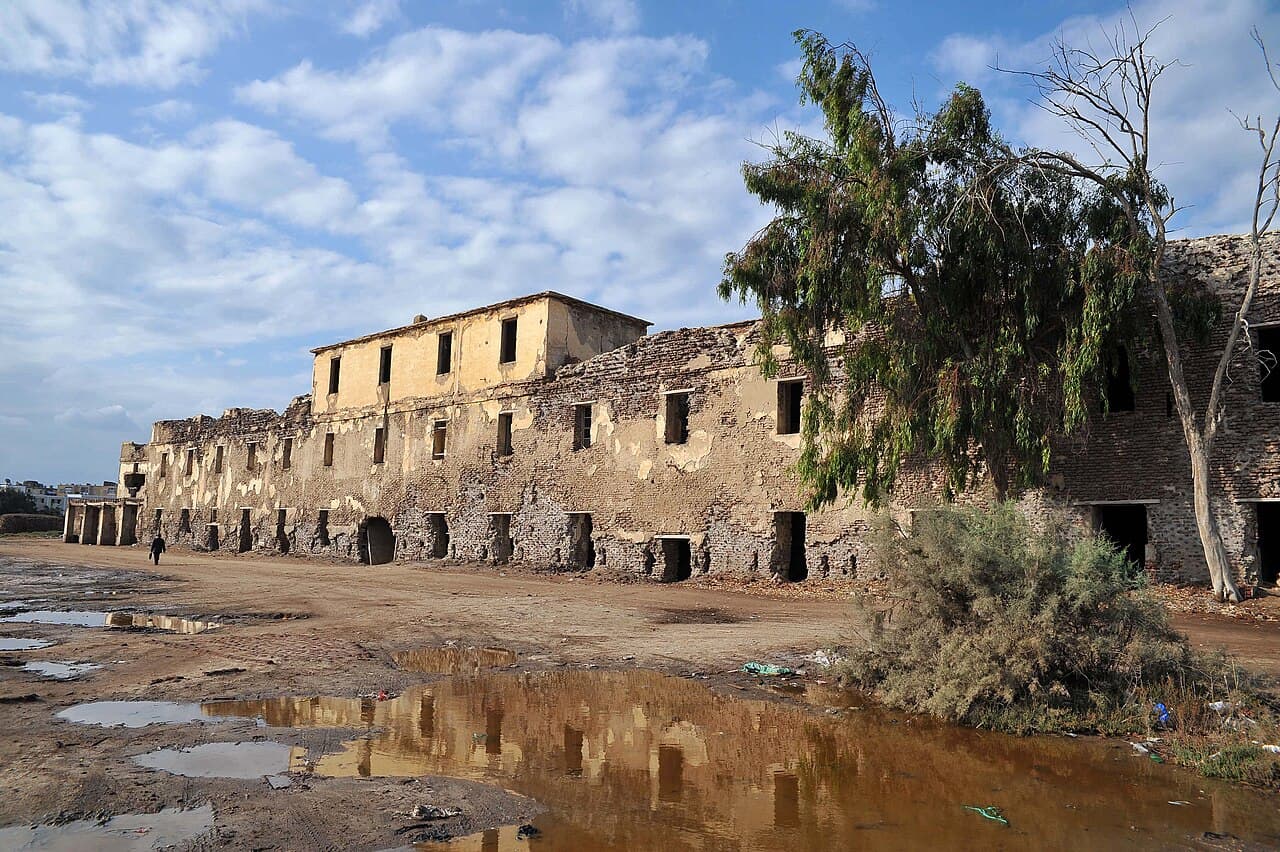
Urabi Fortress is a notable example of a bastioned fortress located in Egypt, reflecting the military architectural advancements of its time. This fortress was constructed with the primary purpose of defense, characterized by its robust bastions designed to withstand artillery attacks and provide strategic vantage points for defenders.
Historical context and significance
The fortress is named after Ahmed Urabi (also spelled Orabi), an Egyptian nationalist and military officer who led a revolt against the Khedive and foreign influence in Egypt in the late 19th century. The construction of the fortress is tied to the turbulent period of Egyptian history marked by nationalist uprisings and the struggle for sovereignty. Although specific details about the exact date of construction and the architect remain scarce, the fortress embodies the military strategies and architectural styles prevalent in the late 19th century.
Architectural features and design
As a bastioned fortress, Urabi Fortress features angular bastions projecting outward from the main walls. These bastions were designed to eliminate blind spots and allow defenders to cover adjacent walls with crossfire, a significant improvement over earlier medieval fortifications. The walls are thick and constructed to absorb cannon fire, reflecting the evolution of military architecture in response to gunpowder weaponry.
The fortress likely includes features typical of bastioned designs such as ravelins (detached triangular fortifications), curtains (walls connecting bastions), and possibly a dry moat or ditch to hinder attackers. The layout emphasizes both defense and control of the surrounding terrain, which was crucial for maintaining military dominance in the region.
Strategic location and military role
Situated in Egypt, Urabi Fortress was strategically positioned to protect key routes and maintain control over the surrounding area during periods of conflict. Its location would have been chosen to maximize defensive advantage, overseeing important transportation or communication lines, and serving as a military stronghold during the Urabi Revolt and subsequent events.
Preservation and current status
The current condition of Urabi Fortress is not extensively documented, but bastioned fortresses of this era often face challenges due to urban development and neglect. Preservation efforts, if any, would focus on maintaining the structural integrity of the bastions and walls while highlighting the fortress's historical significance in Egypt's nationalist history.
Legacy and cultural importance
Urabi Fortress stands as a symbol of Egypt's resistance against foreign domination and the assertion of national identity in the late 19th century. It represents the adaptation of European military architectural principles within an Egyptian context, blending strategic design with local historical narratives. Today, it serves as a point of interest for historians, architects, and visitors interested in Egypt's military past and nationalist movements.
Frequently asked questions (FAQ)
- What is the historical significance of Urabi Fortress?
- Urabi Fortress is linked to the late 19th-century nationalist movement in Egypt led by Ahmed Urabi, symbolizing resistance against foreign control.
- What architectural style characterizes Urabi Fortress?
- The fortress features bastioned military architecture designed to withstand artillery attacks, typical of post-Renaissance fortifications.
- Can visitors access Urabi Fortress today?
- Information about public access to Urabi Fortress is limited; potential visitors should check local sources for current visiting options.
- Where is Urabi Fortress located?
- Urabi Fortress is located in Egypt, although the precise city or town is not well documented.
- Why were bastioned fortresses important in military history?
- Bastioned fortresses allowed defenders to cover all approaches with crossfire, improving defense against artillery and infantry assaults.
Photo gallery

Information
Loading map...
Visitor reviews
No reviews yet. Been here? Write the first review and help other travelers!
Write the first reviewVisited this castle? Share your experience
Your review helps other travelers and adds first-hand knowledge to our encyclopedia.