Qalat el-Gindi — Egypt castle

Qalat el-Gindi

Qalat el-Gindi fortress in the Sinai Peninsula
High Medieval (11th–13th c.)
Ruins

Qalat el-Gindi Fortress, also known as El-Gendi Fortress, is a significant 12th-century military structure located in the southern part of the Sinai Peninsula, Egypt. Commissioned by the renowned Muslim leader Saladin in 1183 AD, this fortress was strategically designed to control the vital trade and military routes crossing the Sinai desert. Its location was critical for protecting Egypt's eastern frontier during the High Medieval period.

Architectural features and design

The fortress is a notable example of medieval Islamic military architecture. It comprises a complex of defensive towers, mosques, and residential buildings enclosed within fortified walls. The walls are reinforced with multiple towers that served both as lookout points and defensive strongholds against invaders. Surrounding the fortress are extensive defensive ditches or moats, which added an extra layer of protection by hindering enemy advances.

The construction techniques reflect the military engineering knowledge of the period, combining solid stone masonry with strategic placement to maximize defense. The fortress's layout demonstrates a careful balance between military utility and the needs of its inhabitants, including spaces for worship and daily living.

Historical context and significance

Built during the reign of Saladin, a key figure in the Crusades, Qalat el-Gindi played a crucial role in the defense of Egypt and the broader Islamic territories against Crusader incursions. The fortress was part of a network of fortifications established to secure the region and maintain control over important caravan routes.

Its construction in the late 12th century coincided with a period of intense military activity in the Levant and Egypt, where Saladin consolidated his power and sought to repel Crusader forces. The fortress not only served military purposes but also symbolized Saladin's authority and the Islamic presence in the region.

Current state and preservation efforts

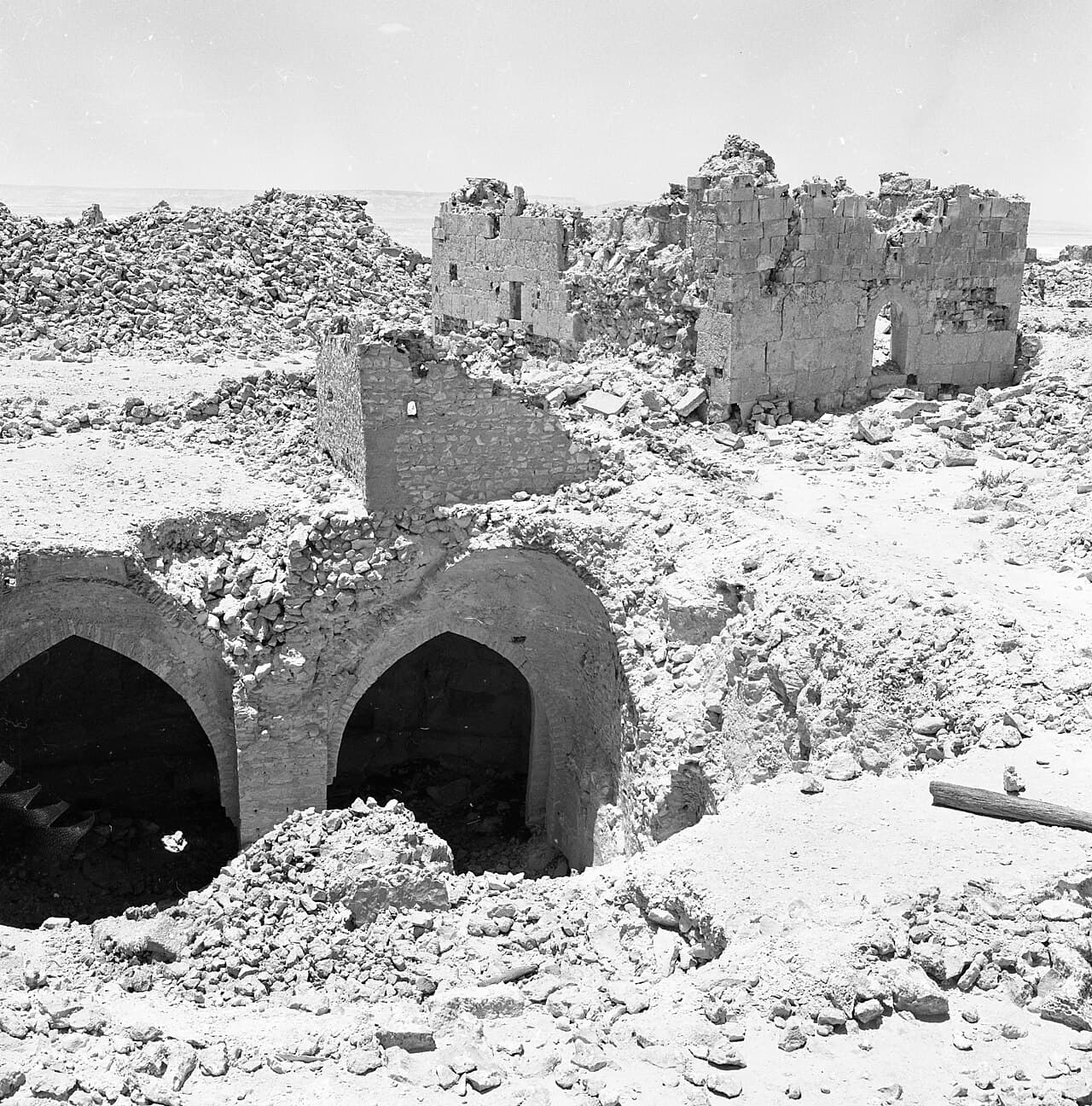
Today, Qalat el-Gindi stands as archaeological ruins that provide valuable insights into medieval military architecture in Egypt. The site includes remnants of its original towers, walls, and other structures, although much of it has been affected by the passage of time and environmental conditions.

There are ongoing discussions and efforts to protect and preserve the fortress, including its consideration for inclusion on the UNESCO World Heritage list due to its outstanding universal value. Preservation aims to safeguard the site for future generations and to promote understanding of the region's historical and cultural heritage.

Visiting Qalat el-Gindi

Access to the fortress is limited due to its remote location in the southern Sinai Peninsula. Visitors interested in exploring the site should prepare for travel in a desert environment and seek guidance from local authorities or tour operators specializing in historical and archaeological tours.

While the fortress is in ruins, its dramatic setting and historical significance make it a fascinating destination for those interested in medieval history and Islamic military architecture.

Frequently asked questions (FAQ)

What is Qalat el-Gindi?
Qalat el-Gindi is a historic castle located in Egypt, known for its strategic position and architectural significance. It served as a military fortress during various periods in Egyptian history and offers a glimpse into the region's past.
When was Qalat el-Gindi built?
Qalat el-Gindi was constructed during the medieval period, with origins tracing back to the 12th century. It was built to protect the region and has witnessed many historical events over the centuries.
How do I get to Qalat el-Gindi?
Visitors can reach Qalat el-Gindi by car or public transport from major cities in Egypt. It is advisable to check local transport schedules to ensure a smooth journey.
What are the opening hours for Qalat el-Gindi?
Qalat el-Gindi is typically open to visitors from 9 AM to 5 PM, but it is recommended to check ahead for any seasonal changes in hours. Always verify the current schedule before planning your visit.
Can I take guided tours of Qalat el-Gindi?
Yes, guided tours of Qalat el-Gindi are available and are highly recommended for a deeper understanding of its history and architecture. Tour guides can provide valuable insights and share fascinating stories about the castle.
Is Qalat el-Gindi accessible to visitors with disabilities?
Accessibility at Qalat el-Gindi may vary; some areas might be challenging due to the castle's historical structure. It is advisable to contact the site in advance to inquire about specific accommodations for visitors with disabilities.
What is the best time to visit Qalat el-Gindi?
The best time to visit Qalat el-Gindi is during the cooler months, from October to March, when temperatures are more pleasant for exploring. Early mornings or late afternoons can also provide a more enjoyable experience with fewer crowds.
Are there nearby attractions to visit after Qalat el-Gindi?
Yes, there are several nearby attractions worth exploring, including ancient ruins and local markets. Visitors can enjoy the rich cultural heritage of the area by combining their trip to Qalat el-Gindi with visits to these nearby sites.
What are the ticket prices for visiting Qalat el-Gindi?
Ticket prices for Qalat el-Gindi are generally affordable, but it is best to check the official website or local tourism sources for the most current pricing information. Discounts may be available for students and large groups.

Photo gallery

Qalat el-Gindi
Click to view

Photo by Benno Rothenberg•CC BY 4.0

1 photo • Click any image to view in full screen

Information

Archaeological Site / Ruins

Loading map...

Visitor reviews

No reviews yet. Been here? Write the first review and help other travelers!

Write the first review

Visited this castle? Share your experience

Your review helps other travelers and adds first-hand knowledge to our encyclopedia.
Write a review

(5/5)

0/2000 characters

Your review will be visible after admin approval

Nearby castles

59.7 km
An-Nekhel Fortress — Egypt castle

An-Nekhel Fortress

Nekhel Municipality, Egypt

The Fortress of an-Nekhel stands prominently in the Sinai Peninsula of Egypt, marking the strategic heart of the peninsula. This bastioned fortress was constructed in the 16th century during the Renaissance period, reflecting military architectural advances of the time. It occupies a commanding position along historic caravan routes that connected Egypt with the Arabian Peninsula, serving as a critical waypoint and defensive stronghold. Historical significance and strategic location Located in what is now the Nekhel Municipality, the fortress's site has been of importance since Ancient Egyptian times, as archaeological excavations have uncovered remains dating back to that era. Its position at the exact center of the Sinai Peninsula made it a natural hub for controlling movement across the desert, especially for caravans and military expeditions. During the Islamic era, an-Nekhel fortress gained additional prominence as a vital staging ground for Muslim pilgrims undertaking the Hajj or Umra. Pilgrims traveling from Egypt and North Africa to the holy cities of Mecca and Medina often stopped here to rest and resupply. The fortress thus played a dual role as both a military bastion and a crucial support point for religious journeys. Architectural features and construction The fortress is classified as a bastioned fortress, a style that emerged in the Renaissance with the advent of gunpowder artillery. Its design includes thick defensive walls and angular bastions that allowed defenders to cover all approaches with crossfire, reducing blind spots and improving protection against cannon fire. Constructed primarily from local stone, an-Nekhel fortress features a roughly rectangular layout with bastions projecting from the corners and midpoints of the walls. The walls are punctuated by narrow gunports and embrasures for artillery. The main gate is fortified, often with additional defensive elements such as a barbican or a drawbridge, though specific details about these features at an-Nekhel are limited. Inside, the fortress likely contained barracks, storage rooms for food and ammunition, and water cisterns to sustain occupants during sieges or long periods of isolation. The presence of a central courtyard would have facilitated movement and organization within the fortress. Role in regional defense and trade Throughout its history, an-Nekhel fortress served as a key military outpost guarding the desert approaches to Egypt. It was part of a network of fortifications that protected trade routes and pilgrimage paths from raids by hostile tribes or foreign invaders. Its bastioned design reflects the evolving military technology of the Renaissance, adapted to the challenges of desert warfare. The fortress also functioned as a customs and control point, regulating the flow of goods and people across the Sinai. This role was essential for maintaining the security and economic stability of the region. Archaeological findings and preservation Excavations at the site have revealed layers of occupation, including artifacts and structural remains from Ancient Egypt through the Islamic period. These findings highlight the continuous strategic importance of the location over millennia. Today, an-Nekhel fortress remains a partially preserved historic site. Its ruins provide valuable insights into the military architecture of the Renaissance adapted for desert conditions and the cultural exchanges along the pilgrimage routes. Visiting an-Nekhel fortress While the fortress is not as widely known or visited as other Egyptian monuments, it attracts historians, archaeologists, and adventurous travelers interested in the intersection of military history and Islamic pilgrimage traditions. Visitors should prepare for desert conditions and limited facilities. The site offers a unique glimpse into the Renaissance-era bastioned fortress architecture in a desert environment and its role in safeguarding one of the world's oldest pilgrimage routes.

Renaissance (15th–17th c.)
Details
155.1 km
Arish castle — Egypt castle

Arish castle

, Egypt

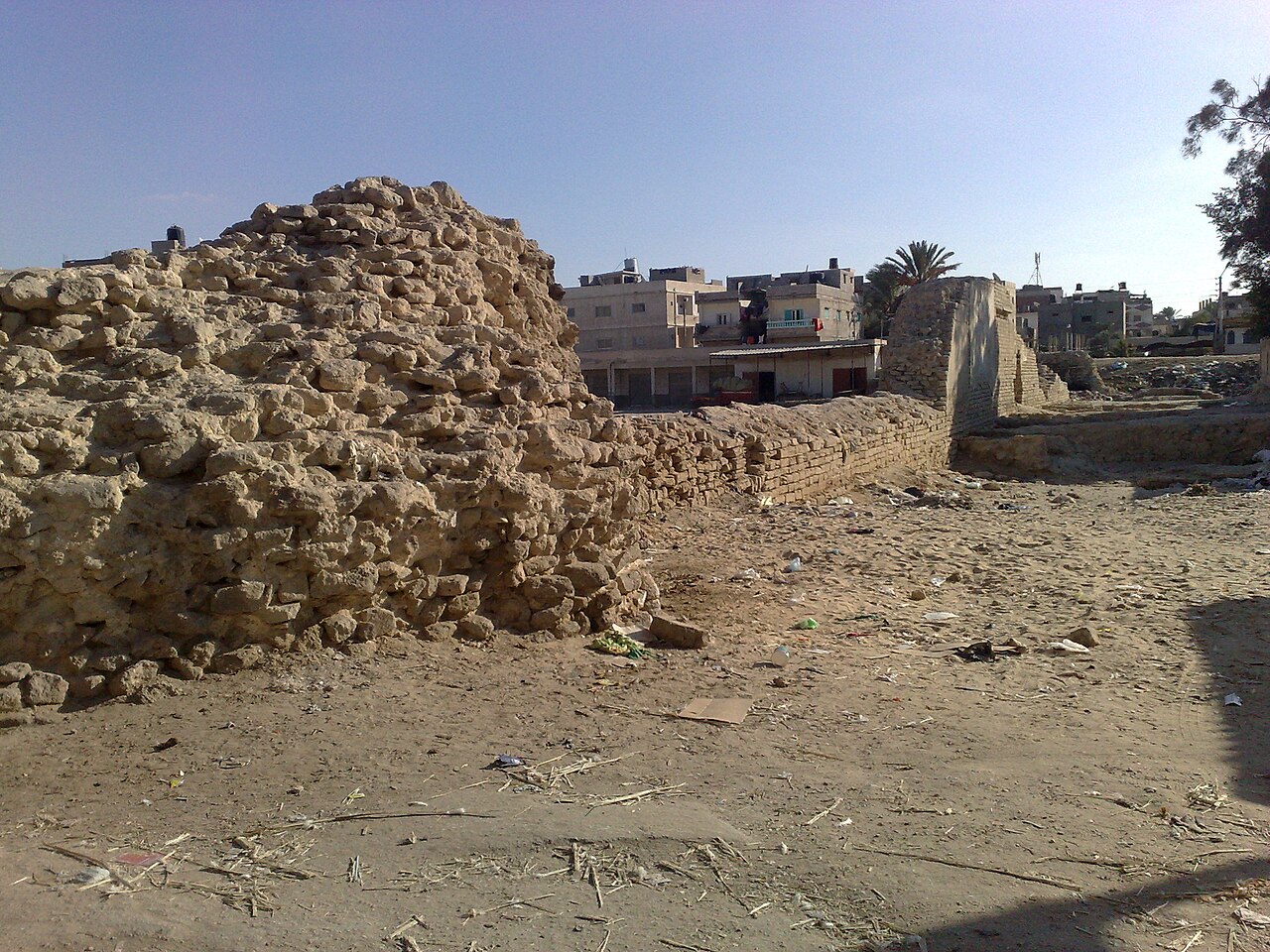
Arish castle is a notable historic fortress located in Egypt, recognized primarily as a hill castle due to its elevated strategic position. This castle played a significant role in the military and political history of the region, serving as a defensive stronghold against various invasions and conflicts throughout the medieval period. Historical context and significance Arish castle's origins trace back to the medieval era, where it was constructed to oversee and protect the surrounding region. Although the exact date of its construction remains uncertain, its architectural features and strategic placement align with fortifications built during the High Medieval period. The castle's location in the Sinai Peninsula made it a vital point of control for trade routes and military campaigns connecting Egypt with the Levant and the broader Middle East. Architectural features and layout The castle is characterized by its elevated position on a hill, which provided natural defense advantages and extensive visibility over the surrounding landscape. Its design includes robust stone walls and defensive structures typical of medieval fortifications. The castle likely featured towers and battlements that allowed defenders to monitor and repel attackers effectively. The use of local stone materials contributed to its durability and integration into the natural terrain. Defensive structures Key defensive elements of Arish castle would have included thick curtain walls, a fortified gatehouse, and possibly a moat or ditch to hinder enemy approach. The elevated position itself served as a formidable barrier, enhancing the castle's defensive capabilities. These features reflect common medieval military architectural practices aimed at maximizing protection and control. Role in regional conflicts Throughout its history, Arish castle was involved in various military engagements due to its strategic importance. It served as a defensive bastion during periods of conflict between regional powers vying for control of the Sinai and surrounding areas. The castle's presence helped secure trade routes and served as a military outpost for controlling movement across the region. Current condition and preservation Today, Arish castle stands as a partially preserved historical site. While some sections of the original structure remain intact, others have suffered from the passage of time and environmental factors. Efforts to preserve and study the castle contribute to understanding its historical significance and architectural characteristics. Visitors to the site can observe the remnants of its defensive walls and appreciate its commanding location. Visiting Arish castle Though not widely known as a major tourist destination, Arish castle offers valuable insights into medieval military architecture in Egypt. Its hilltop setting provides panoramic views of the surrounding landscape, making it an interesting site for history enthusiasts and researchers. Accessibility may be limited due to its location, but the castle remains an important cultural heritage site within the region. Frequently asked questions about Arish castle When was Arish castle built? The exact construction date is uncertain, but it likely dates back to the High Medieval period, reflecting typical medieval military architecture. What is the architectural style of Arish castle? The castle features medieval fortification elements common in hill castles, including thick stone walls and defensive towers. Is Arish castle open to visitors? The castle is accessible, though it is not a major tourist site. Visitors interested in medieval architecture and history can explore the partially preserved ruins. Where is Arish castle located? It is situated in the Sinai region of Egypt, strategically placed on a hill overlooking key trade and military routes. What is the current condition of the castle? Arish castle is partially preserved, with some original structures intact while others are in ruins.

High Medieval (11th–13th c.)
Details
172.6 km
Salah El-Din Castle — Egypt castle

Salah El-Din Castle

, Egypt

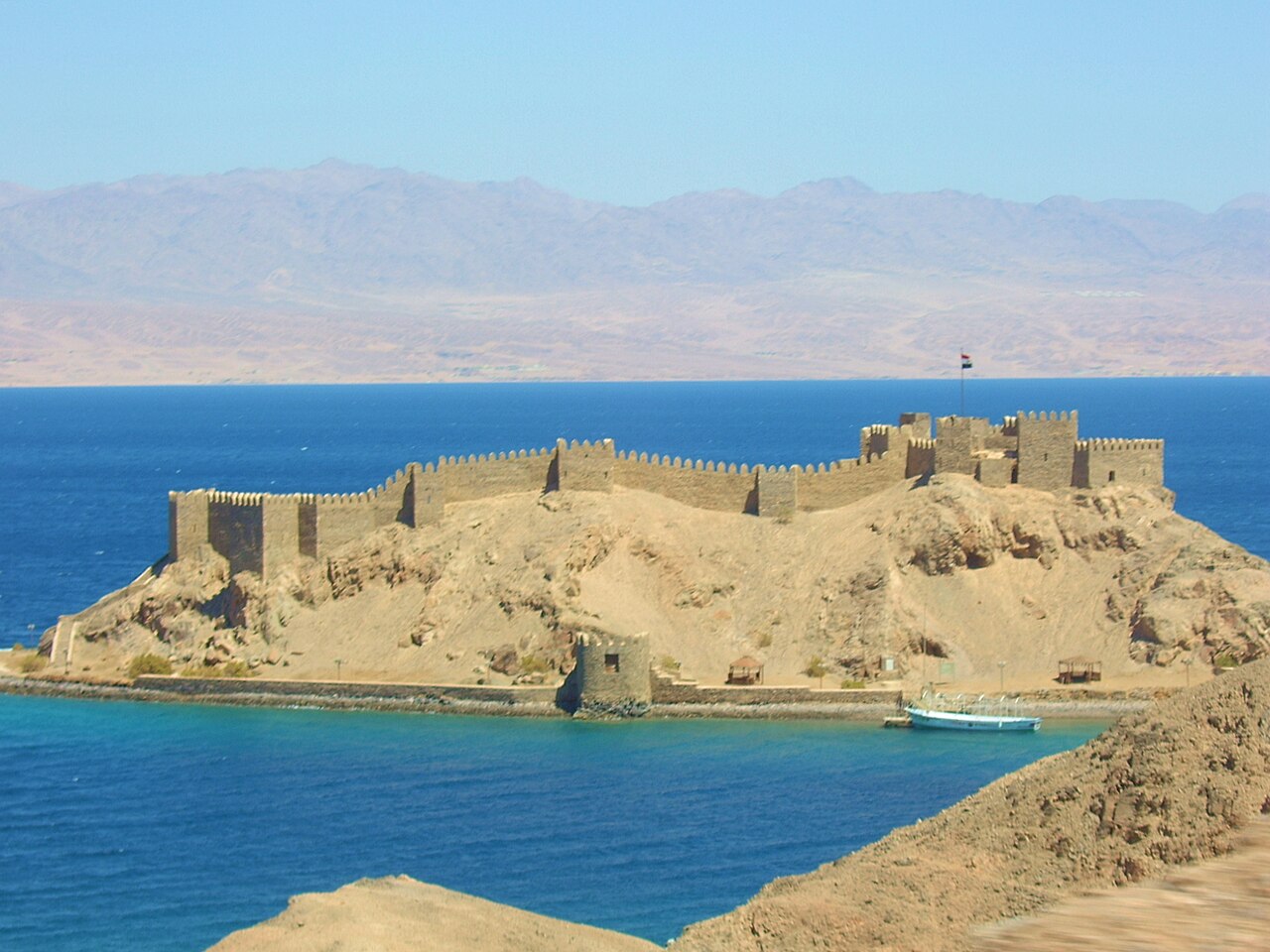
Salah El-Din Castle, located on Pharaoh's Island in the northwestern tip of the Gulf of Aqaba, Egypt, is a significant medieval fortress with a rich history tied to the Crusades and Islamic military architecture. This 12th-century hill castle was strategically built to control maritime routes and protect the region from Crusader incursions. The castle complex is divided into two main sections: the northern and southern parts, each featuring distinct defensive and residential structures. Geographical and historical context Pharaoh's Island (Arabic: جَزِيْرَةُ فِرعَون Jazīratu Firʽawn), also known as Coral Island, is a small island situated approximately 250 meters east off the shore of Egypt's eastern Sinai Peninsula. Its location in the northern Gulf of Aqaba made it a critical point for controlling trade and military passage between the Red Sea and the Mediterranean. Some scholars associate the island with the biblical port of Ezion-Geber, highlighting its long-standing strategic importance. Architectural features and layout The castle's design reflects typical High Medieval military architecture with adaptations to the island's rocky terrain. The hill castle is built on elevated ground to maximize visibility and defense against naval and land attacks. The fortress includes thick curtain walls, battlements, and towers that provided vantage points for archers and lookouts. The northern section primarily served as the main defensive stronghold, housing the keep and watchtowers. The southern section contained living quarters, storage facilities, and cisterns for water supply, essential for withstanding sieges. The castle's layout also incorporated gatehouses and narrow passageways to control access and enhance security. Historical significance and military role Salah El-Din Castle was constructed during the reign of Salah ad-Din (Saladin), the famous Muslim leader who fought against the Crusaders in the 12th century. The fortress formed part of a network of defensive positions designed to secure the Red Sea trade routes and prevent Crusader expansion into Muslim-held territories. The castle witnessed several conflicts and changes of control during the Crusades and later periods. Its position allowed it to monitor naval traffic and serve as a base for military operations in the region. Despite its strategic importance, the castle eventually fell into disuse and ruin, but its remains still provide valuable insights into medieval fortification techniques. Current condition and preservation Today, Salah El-Din Castle stands as ruins on Pharaoh's Island. The remains include substantial portions of the original walls, towers, and foundations, though much of the superstructure has deteriorated over centuries of exposure to the elements. The site offers visitors a glimpse into the island's medieval past and the military architecture of the High Medieval period. Efforts to preserve and study the castle continue, emphasizing its cultural and historical value as a heritage site in Egypt. The island and castle attract historians, archaeologists, and tourists interested in Crusader-era fortifications and Islamic military history. Visiting Salah El-Din Castle Access to Pharaoh's Island is typically by boat from the nearby Sinai coast. Visitors to the castle can explore the ruins and enjoy panoramic views of the Gulf of Aqaba and surrounding landscapes. The site is an important destination for those interested in medieval history, archaeology, and Egypt's diverse heritage beyond its ancient pharaonic monuments. Architectural highlights Thick defensive walls adapted to the island's rocky terrain Watchtowers and battlements for surveillance and defense Gatehouses controlling access points Cisterns for water storage, crucial for siege endurance Residential quarters and storage areas within the southern section Historical context Built in the 12th century during the reign of Salah ad-Din Part of a strategic network defending the Red Sea and Gulf of Aqaba Linked to the Crusades and Islamic military campaigns in the region Associated with biblical port Ezion-Geber by some scholars

High Medieval (11th–13th c.)
Details