Cairo Citadel
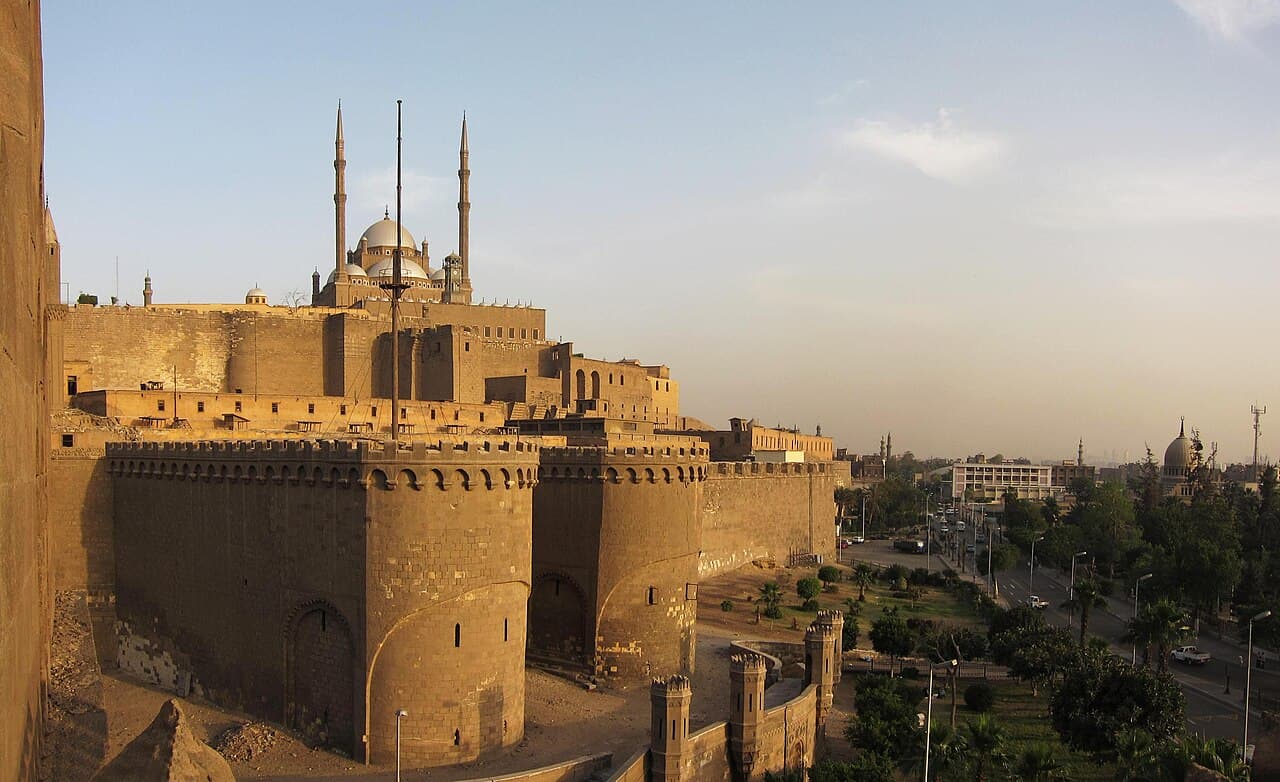
The Cairo Citadel, also known as the Citadel of Saladin (Qalaʿat Salāḥ ad-Dīn), is a monumental medieval Islamic fortification located on a commanding promontory of the Mokattam hills near the center of Cairo, Egypt. Its strategic position overlooks the city and dominates the skyline, reflecting its original purpose as a military stronghold and seat of power.
Construction of the Citadel began in 1176 under the direction of the famed military leader Salah ad-Din (Saladin), founder of the Ayyubid dynasty. This ambitious project was designed to fortify Cairo against the Crusaders and rival factions, making it one of the most impressive military fortifications of the 12th century. The Citadel's design incorporates massive bastioned walls, towers, and gates that exemplify the military architecture of the High Medieval period.
Architectural evolution and expansions
Following its initial construction, the Citadel underwent significant expansion and renovation during the Mamluk Sultanate, which succeeded the Ayyubids. The 14th century marked a period of extensive development under Sultan al-Nasir Muhammad, who added palatial structures, mosques, and enhanced fortifications, contributing to the Citadel's grandeur and complexity.
In the 19th century, the Ottoman-Egyptian ruler Muhammad Ali Pasha initiated a major transformation by demolishing many of the older buildings and erecting new palaces and monuments. His architectural contributions introduced elements of Ottoman and early modern styles, while maintaining the fortress's defensive character. These changes largely shaped the Citadel's current appearance.
Historical significance and role
For nearly 700 years, from the 13th century until the construction of Abdeen Palace in the 19th century, the Citadel served as the seat of government and residence of Egyptian rulers. It was a center of political power and military command, witnessing numerous historical events and regime changes.
During the British occupation of Egypt in the 20th century, the Citadel was used as a military garrison. Later, it served the Egyptian Army until it was opened to the public in 1983, becoming a significant cultural and tourist site.
Notable architectural features
The Citadel complex includes several mosques, palaces, and museums. Among the most famous is the Muhammad Ali Mosque, also known as the Alabaster Mosque, which dominates the skyline with its large dome and twin minarets. This mosque, built in the early 19th century, is a prime example of Ottoman architecture within the fortress.
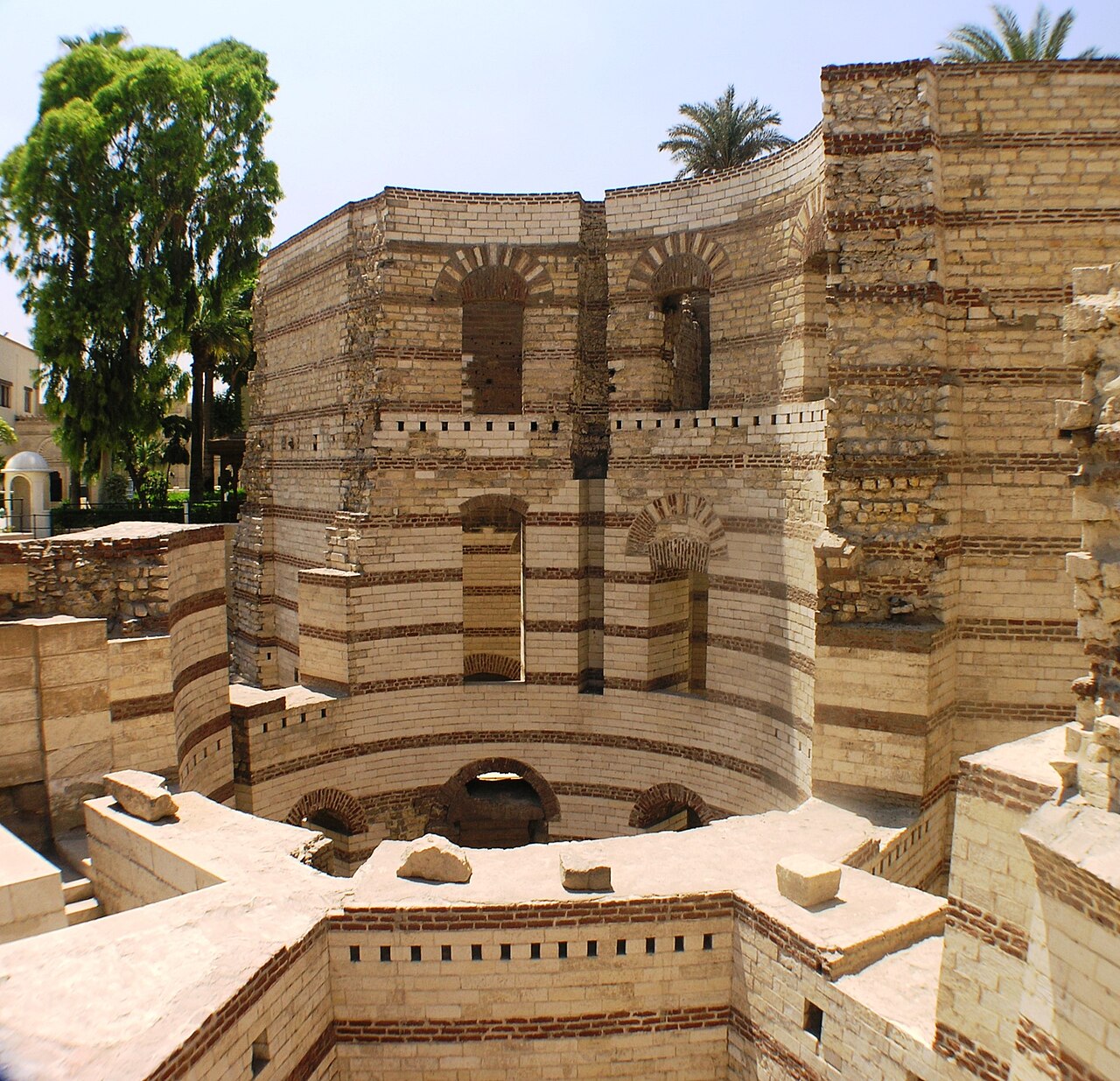
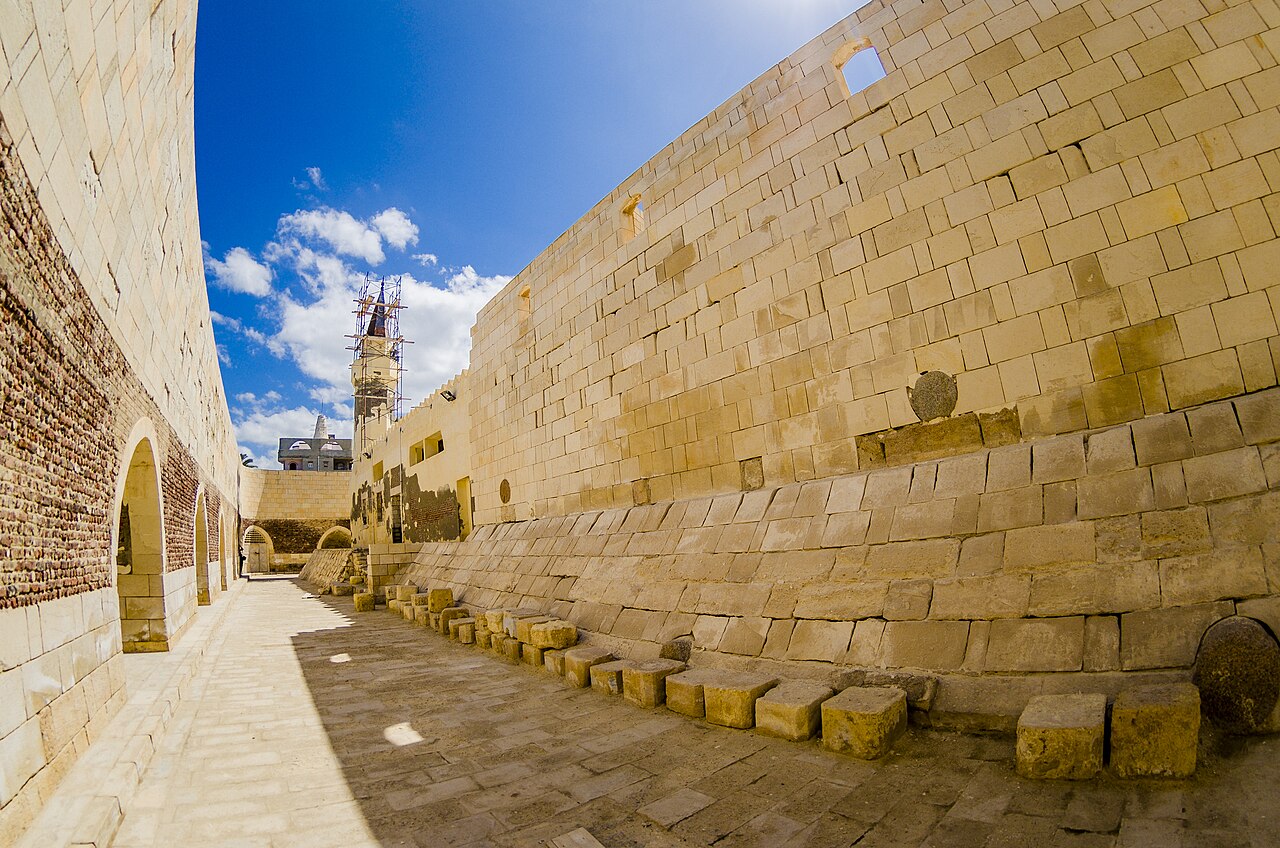
The fortress's bastioned walls and defensive towers showcase the military architectural advances of the medieval Islamic world. The layout includes courtyards, gates such as Bab al-Azab, and various chambers that served administrative and residential functions.
Cultural heritage and preservation
In 1979, the Cairo Citadel was designated as part of the UNESCO World Heritage Site known as Historic Cairo (Islamic Cairo). This recognition highlights the Citadel's importance as a cultural and historical landmark, representing the golden age of Islamic civilization in the 14th century.
Today, the site is preserved as a historic monument and a museum complex, attracting visitors interested in Egypt's medieval history, Islamic architecture, and military fortifications. Its well-maintained structures provide insight into the evolution of fortress design and the political history of Egypt.
Frequently asked questions (FAQ)
- How do I get to the Cairo Citadel?
- The Cairo Citadel is located in the Mokattam hills area of Cairo and is accessible by taxi or public transportation from central Cairo. It is well-signposted and a popular tourist destination.
- What is the historical significance of the Cairo Citadel?
- The Citadel served as the seat of government and residence of Egyptian rulers for nearly 700 years, from the 13th to the 19th century, and is a major example of medieval Islamic military architecture.
- Can I visit the Muhammad Ali Mosque inside the Citadel?
- Yes, the Muhammad Ali Mosque is open to visitors and is one of the main attractions within the Citadel complex, known for its impressive Ottoman architecture.
- When is the best time to visit the Cairo Citadel?
- The best time to visit is during the cooler months from October to April to avoid the intense summer heat. Early mornings are less crowded and offer better lighting for photography.
- Are there guided tours available at the Citadel?
- Yes, guided tours are available and recommended to fully appreciate the historical and architectural significance of the site. Many tours include visits to the mosques, palaces, and museums within the Citadel.
Photo gallery

Information
Opening hours
9:00-17:00 daily
Ticket prices
EGP 180 adult, EGP 90 child
Current owner
Egyptian government
Loading map...
Visitor reviews
No reviews yet. Been here? Write the first review and help other travelers!
Write the first reviewVisited this castle? Share your experience
Your review helps other travelers and adds first-hand knowledge to our encyclopedia.