
Indonesia
Castle heritage in Indonesia: an introduction
Indonesia's rich history is often celebrated for its diverse cultures, ancient temples, and sprawling archipelagos. However, its heritage of castles and historical fortifications also plays a crucial role in understanding the country's past. Unlike the traditional European castles that served as noble residences, many Indonesian fortifications were primarily military structures built during periods of foreign influence and regional conflicts. These fortifications reflect a blend of indigenous and colonial architectural styles, shaped by centuries of trade, warfare, and power struggles.
The strategic location of Indonesia as a maritime crossroads attracted various foreign powers, including the Portuguese, Dutch, and British, who constructed forts to secure their interests. At the same time, local kingdoms developed their defensive structures to protect their territories. This complex interplay resulted in a distinctive heritage of fortresses and defensive walls scattered across the archipelago, each with its unique story and architectural character.
Continue reading below — scroll for the full article.
Castles in Indonesia
Discover 28 magnificent castles across the country
Historical background and medieval period
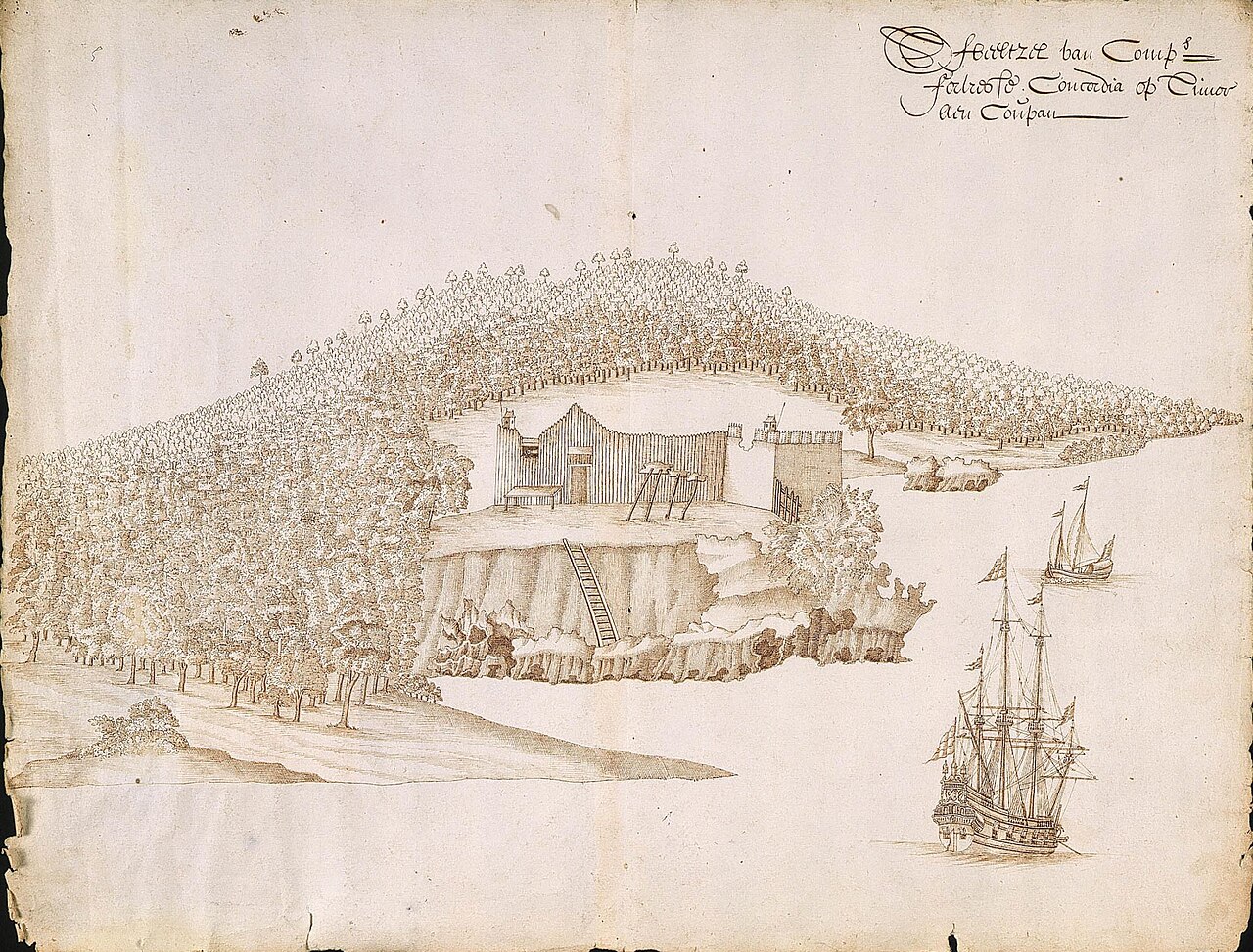
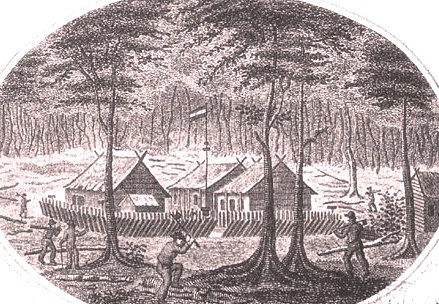
The concept of castles or fortified structures in Indonesia differs from the traditional European medieval castles. Indigenous kingdoms such as Majapahit, Srivijaya, and Mataram developed fortified palaces and city walls primarily to protect against rival kingdoms and pirate attacks. These early fortifications were often constructed with natural materials like wood and earth, adapted to the tropical climate and available resources.
During the medieval period, the rise of powerful maritime kingdoms increased the need for robust defenses. Coastal forts and fortified ports became essential for controlling trade routes. The arrival of European colonial powers in the 16th century introduced new military architecture techniques, including stone and brick construction, bastions, and cannon emplacements. This period marked a significant transformation in Indonesian fortification heritage, blending indigenous and European influences.
Types of fortifications in Indonesia
Traditional fortified settlements and palaces
Many indigenous communities built fortified settlements, often called karaton or kraton in Javanese, which functioned as royal palaces with defensive walls. These structures were both political centers and military strongholds, surrounded by moats, earthen ramparts, or wooden palisades. Examples include the Mataram Sultanate's fortified palaces, which used strategic positioning and natural barriers for defense.
Colonial forts and bastions
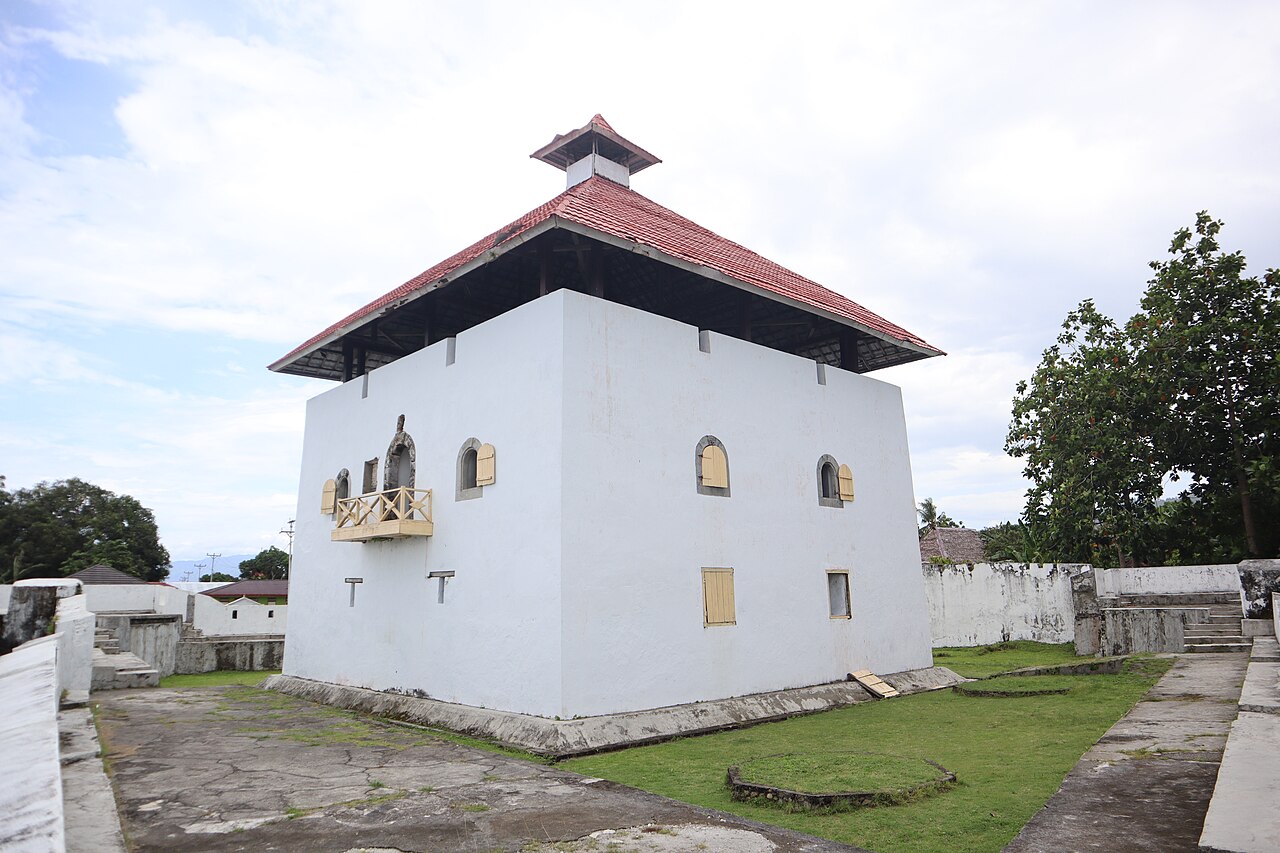
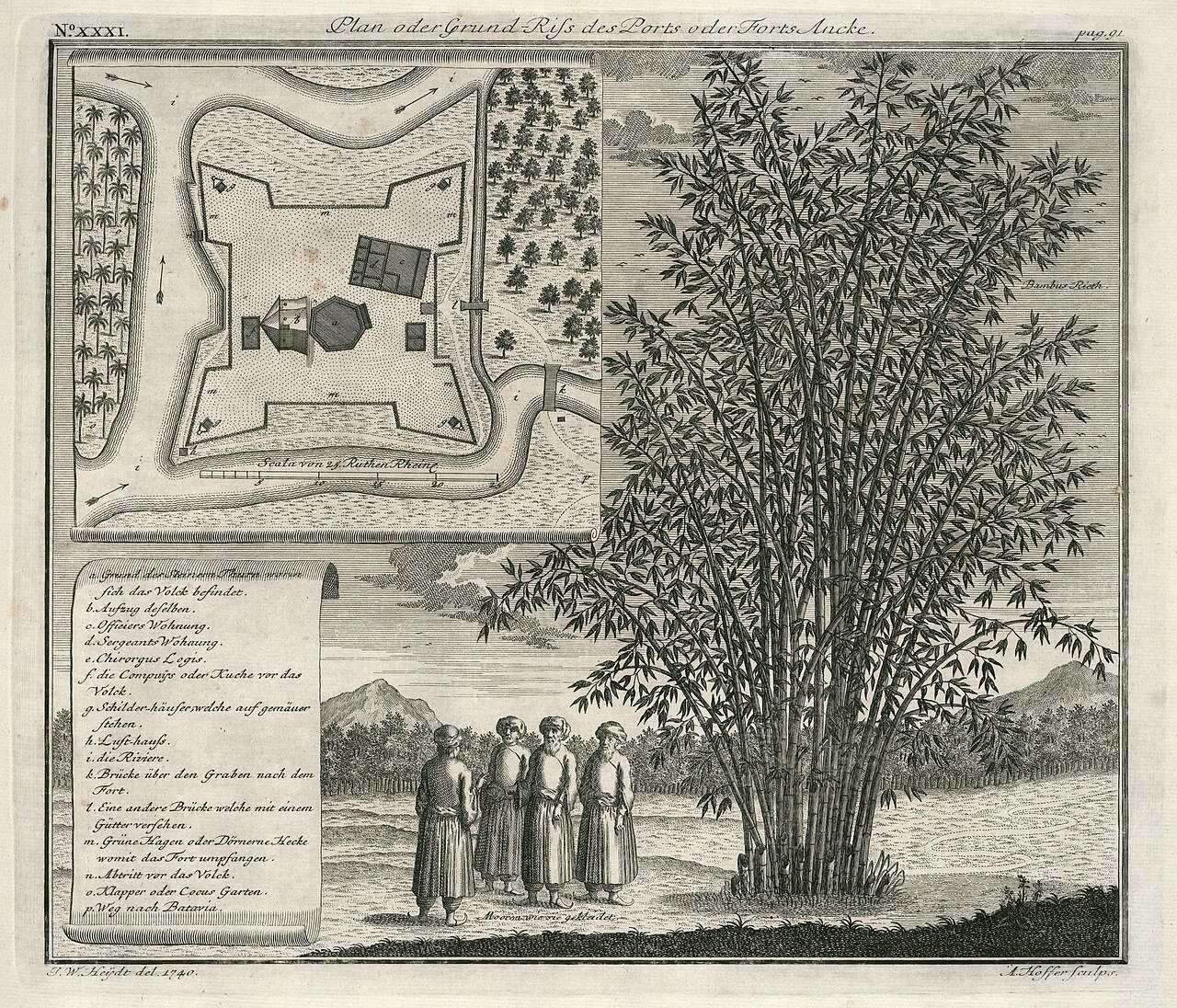
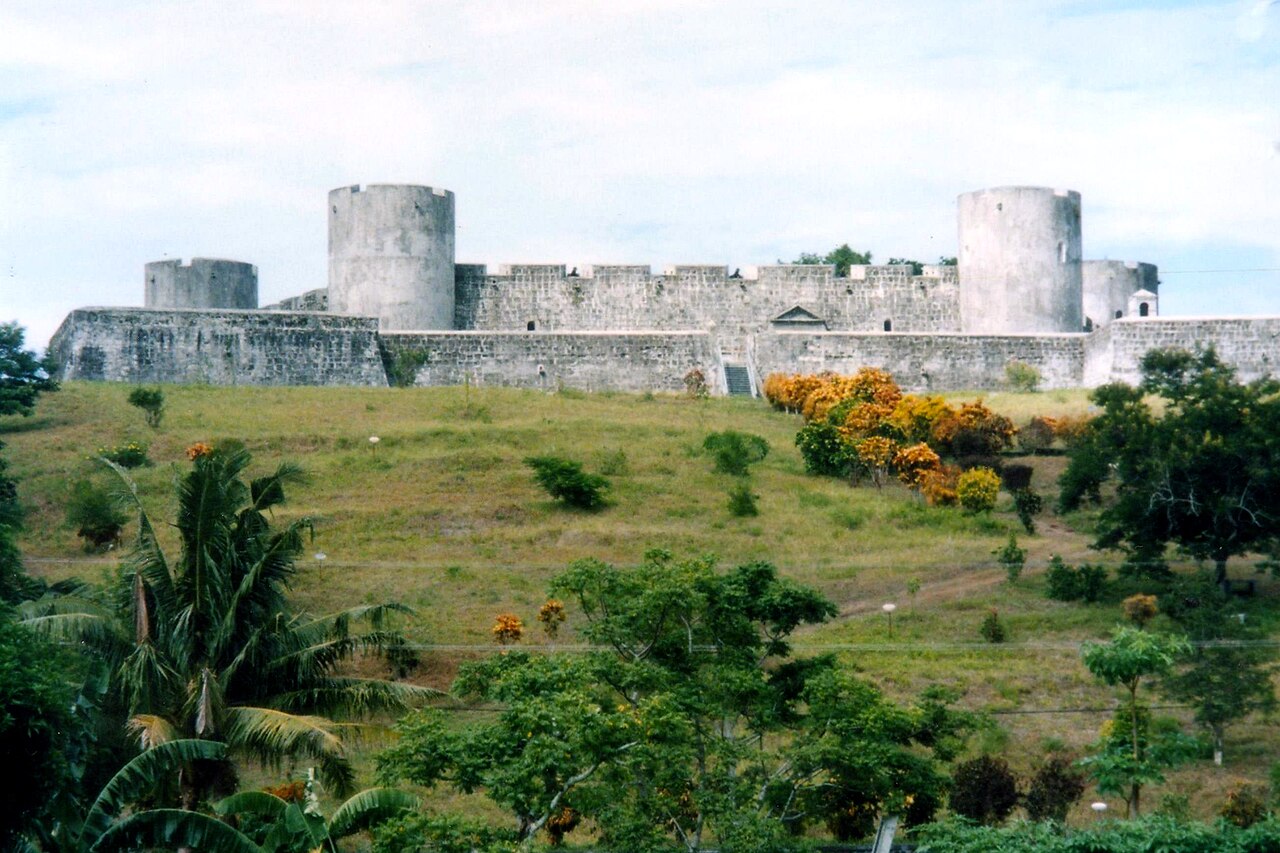
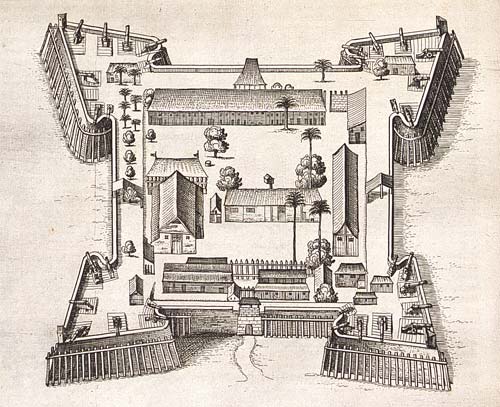
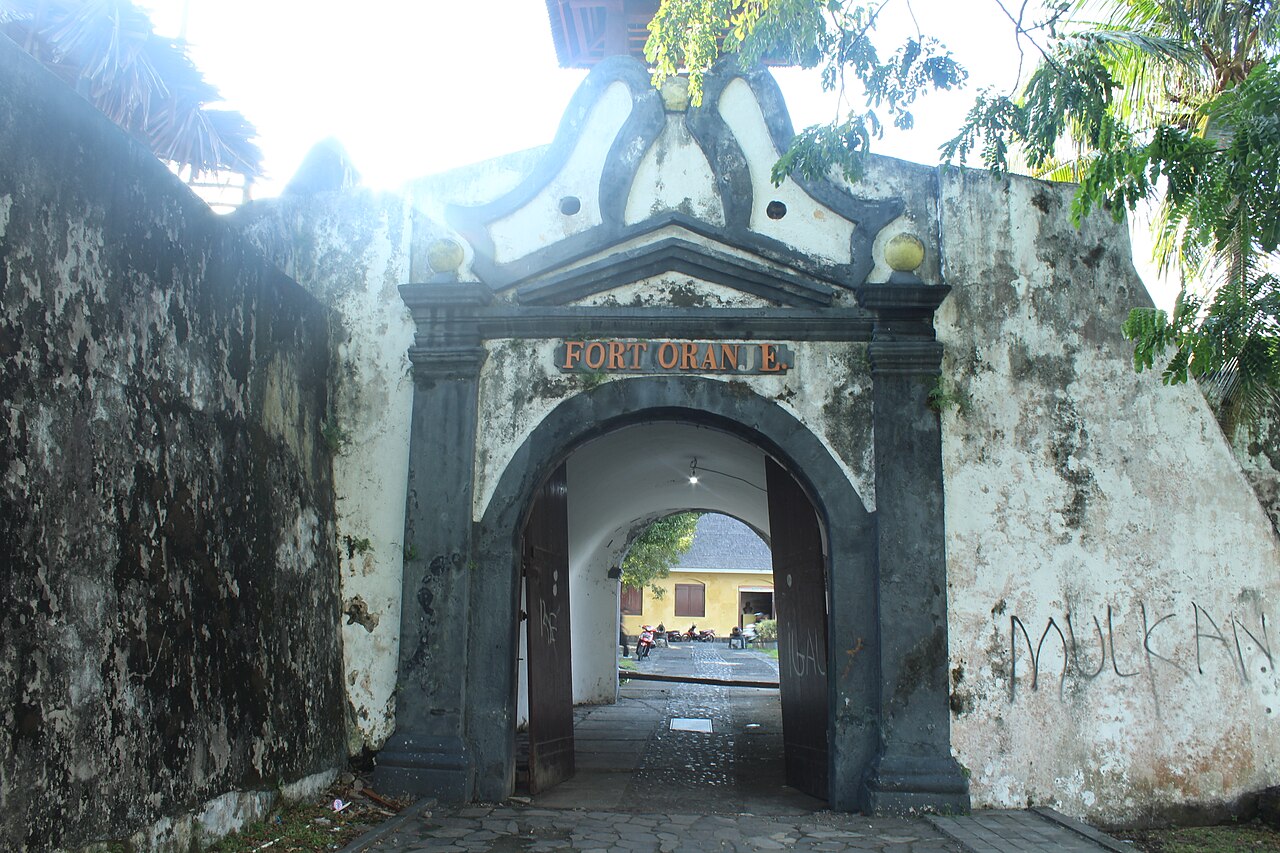
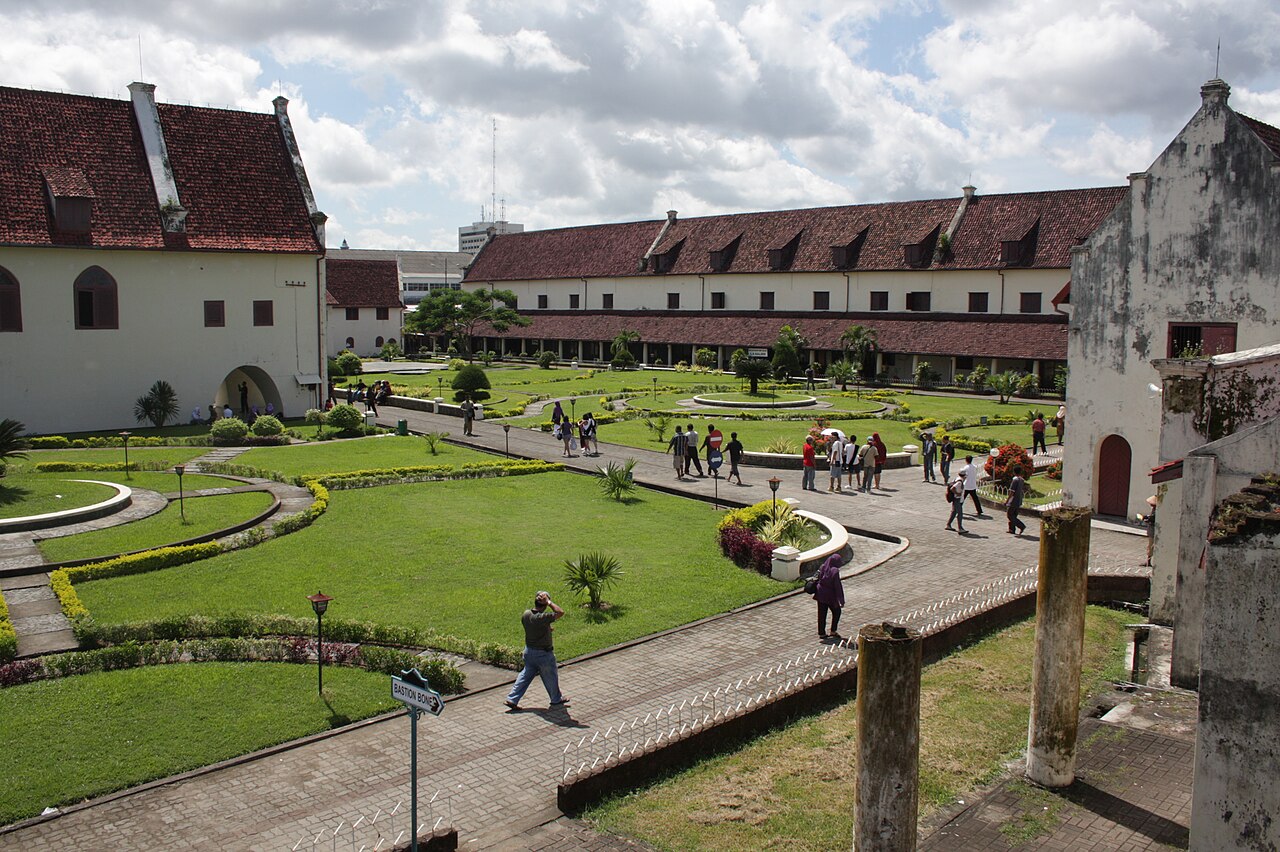
European colonial powers constructed numerous stone forts across Indonesia to control strategic ports and trade routes. The Portuguese built some of the earliest forts, but the Dutch East India Company (VOC) was the most prolific builder, establishing forts such as Fort Rotterdam in Makassar and Fort Vredeburg in Yogyakarta. These forts typically featured thick walls, bastions for cannons, and internal barracks, reflecting contemporary European military engineering adapted to tropical conditions.
City walls and defensive barriers
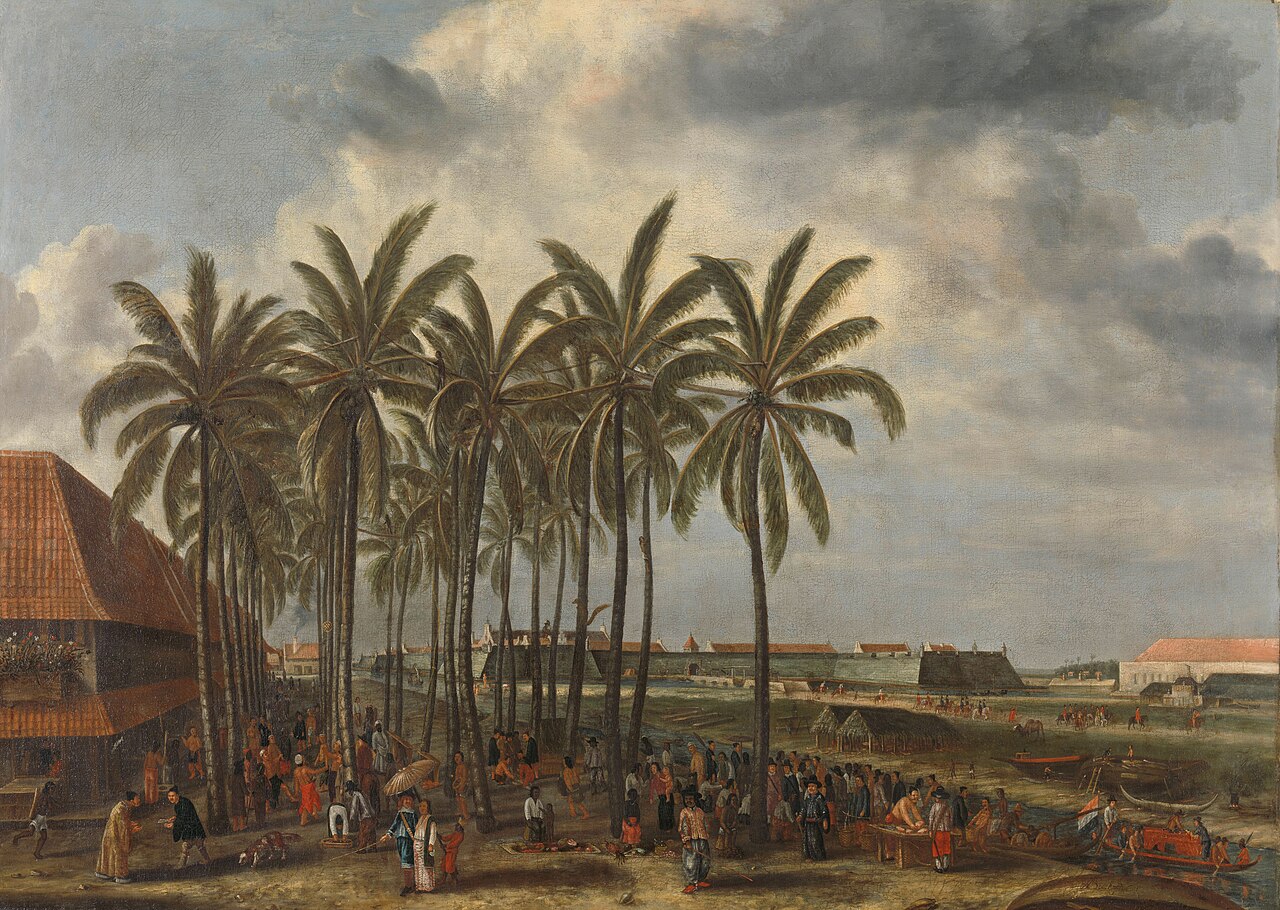
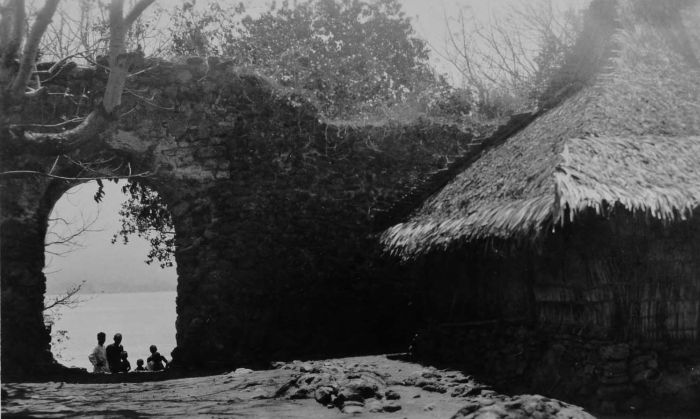
Some cities, particularly in Java, had defensive walls and gates to protect against invasions and raids. The walls of Surabaya and the old city fortifications of Batavia (modern Jakarta) provided layers of defense. While many of these walls have not survived intact, their remnants highlight the urban defensive strategies of the time.
Architectural styles and influences
Indonesian fortifications exhibit a unique fusion of local and foreign architectural styles. Indigenous designs often emphasized harmony with the environment, using organic forms and local materials such as wood, bamboo, and laterite stone. Defensive structures were integrated with natural landscapes, including rivers, hills, and dense forests.
European colonial architecture introduced stone masonry, geometric bastions, and advanced artillery fortifications. For instance, Fort Rotterdam showcases Dutch Renaissance military architecture with its star-shaped layout and thick defensive walls. Meanwhile, Fort Vredeburg combines Dutch design with Javanese cultural motifs, illustrating the syncretic architectural approach.
Islamic architectural elements also influenced some fortifications, especially in the sultanates of Java and Sumatra, where mosques and palaces within fortified complexes reflected religious and political power.
Regional variations in fortifications
Java and bali
Java, being the political and cultural center of many kingdoms, has the most extensive remains of fortifications. Forts and palaces in Java often feature a blend of Hindu-Buddhist, Islamic, and colonial styles. The fortified palaces of Yogyakarta and Surakarta, alongside Dutch forts like Vredeburg, offer a layered historical narrative.
Bali's fortifications, though fewer, include hilltop strongholds and fortified villages designed to withstand both external invasions and internal conflicts. The Balinese approach emphasizes natural defense complemented by stone walls and watchtowers.
Sumatra and maluku
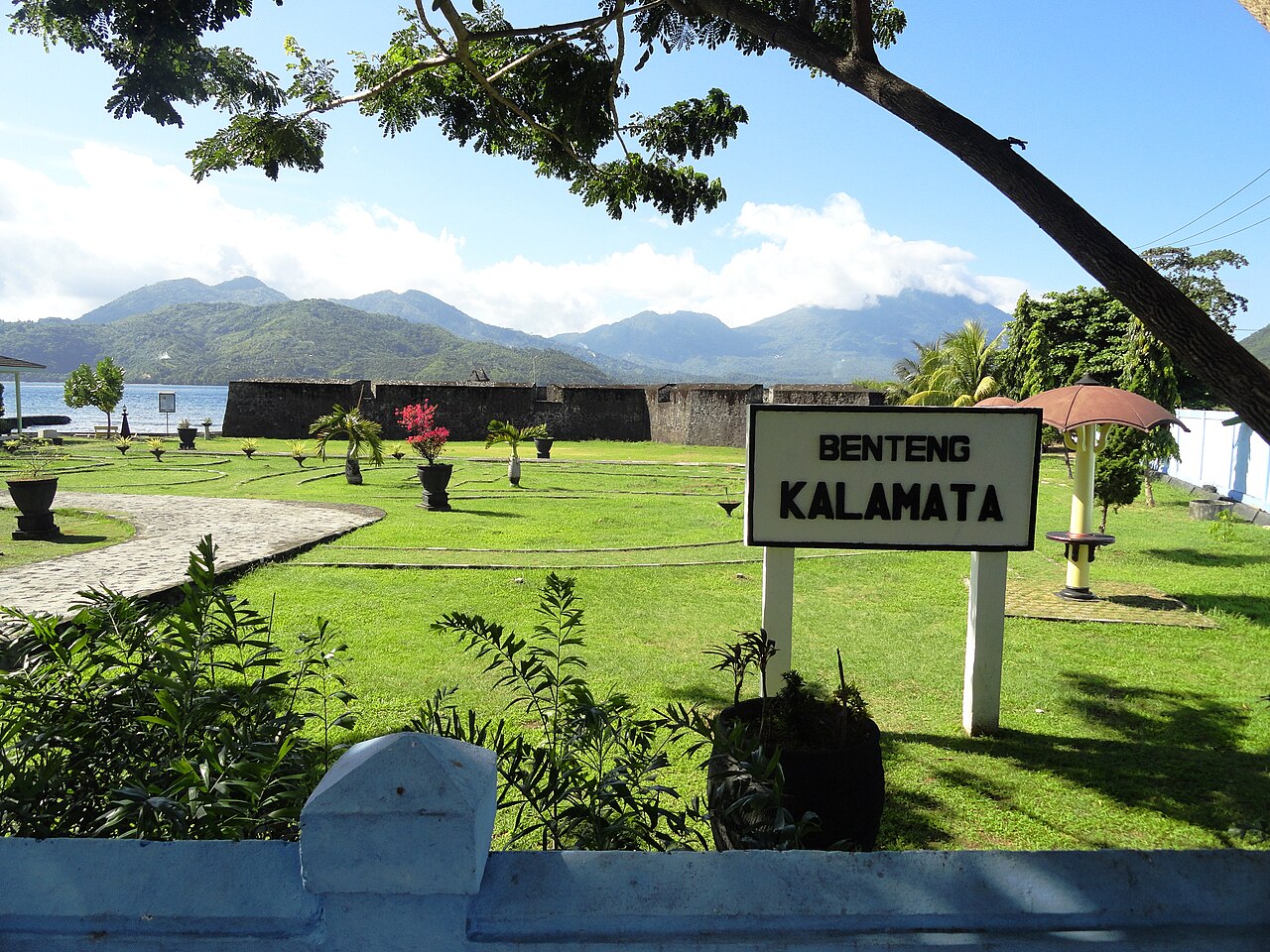
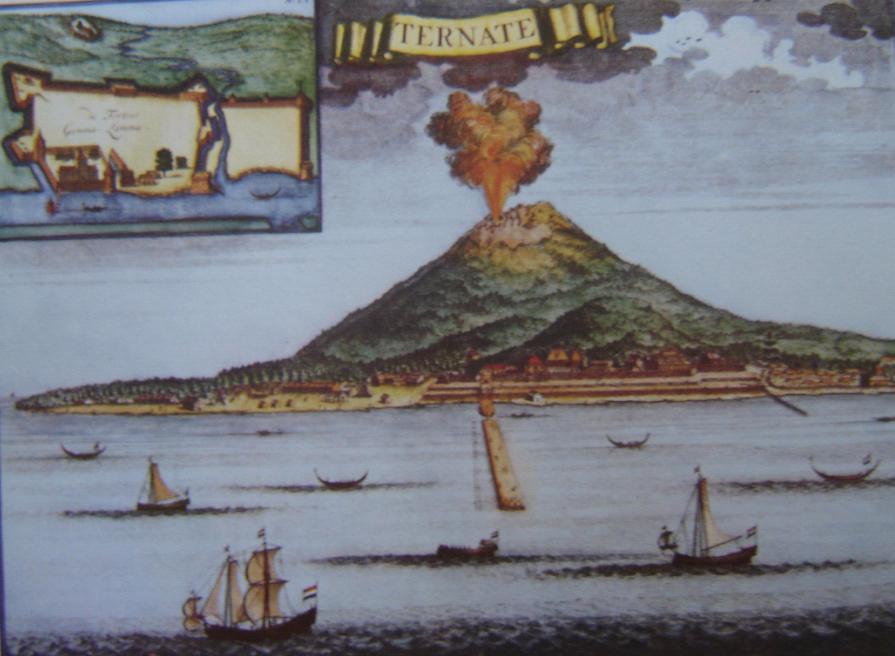
Sumatra's fortifications reflect the influence of Islamic sultanates and European colonizers. The fortress of Kota Raja in Banda Aceh, although largely destroyed, was once a significant fortified city. The Maluku Islands, known as the Spice Islands, hosted several European forts such as Fort Belgica on Ternate, highlighting the intense competition for control of the spice trade.
Kalimantan and sulawesi
In Kalimantan, fortifications were often modest, focusing on riverine defense due to the dense jungle environment. Sulawesi features notable forts like Fort Rotterdam, which served as a critical base for Dutch colonial administration and military control in eastern Indonesia.
Notable periods of castle construction
The most significant era of castle and fort construction in Indonesia spans from the 16th to the 19th centuries. This period corresponds with the arrival of European colonial powers seeking to dominate trade routes and territories. The Portuguese initiated fort-building efforts in the early 1500s, followed by the Dutch and British, who expanded and modernized these structures.
Simultaneously, local kingdoms reinforced their defenses to resist foreign incursions and internal rivalries. The Mataram Sultanate in Java, for example, built fortified palaces and city walls during the 17th century to consolidate power. The Dutch continued fortifying their holdings well into the 19th century, reflecting ongoing military and administrative needs.
Preservation and current state of fortifications
Many Indonesian fortifications have suffered from neglect, natural decay, and urban development. However, several key sites have been preserved and restored to showcase the country’s rich heritage. Fort Rotterdam is among the best-preserved forts, now functioning as a cultural and historical museum. Similarly, Fort Vredeburg in Yogyakarta serves as a museum highlighting Indonesia’s struggle for independence.
Other forts, especially those in remote areas or smaller islands, face challenges from environmental degradation and limited resources for conservation. Efforts by government agencies and heritage organizations seek to protect these sites, often emphasizing their historical and educational value.
Castle tourism and accessibility
Fortifications like Fort Rotterdam and Fort Vredeburg attract significant tourist interest due to their historical importance and accessibility. These sites offer guided tours, exhibitions, and cultural events that engage visitors with Indonesia’s colonial and indigenous history.
Tourism to less accessible forts, such as those in Maluku or remote parts of Sumatra, is more limited but growing with increased infrastructure development. Promoting these forts within broader cultural and heritage tourism circuits helps raise awareness of Indonesia’s diverse castle heritage.
Cultural significance and heritage
Indonesian castles and fortifications symbolize the complex history of power, resistance, and cultural exchange. They represent not only military defense but also centers of political authority and cultural identity. Forts like Fort Rotterdam stand as reminders of colonial encounters, while indigenous fortified palaces reflect local traditions and governance.
These structures contribute to national identity by preserving stories of past conflicts, diplomacy, and cultural synthesis. Their continued preservation and interpretation play an essential role in educating future generations about Indonesia’s multifaceted heritage.
Castle Locations in Indonesia
Explore all castle locations on an interactive map
Loading castle locations...