Fort Kastella
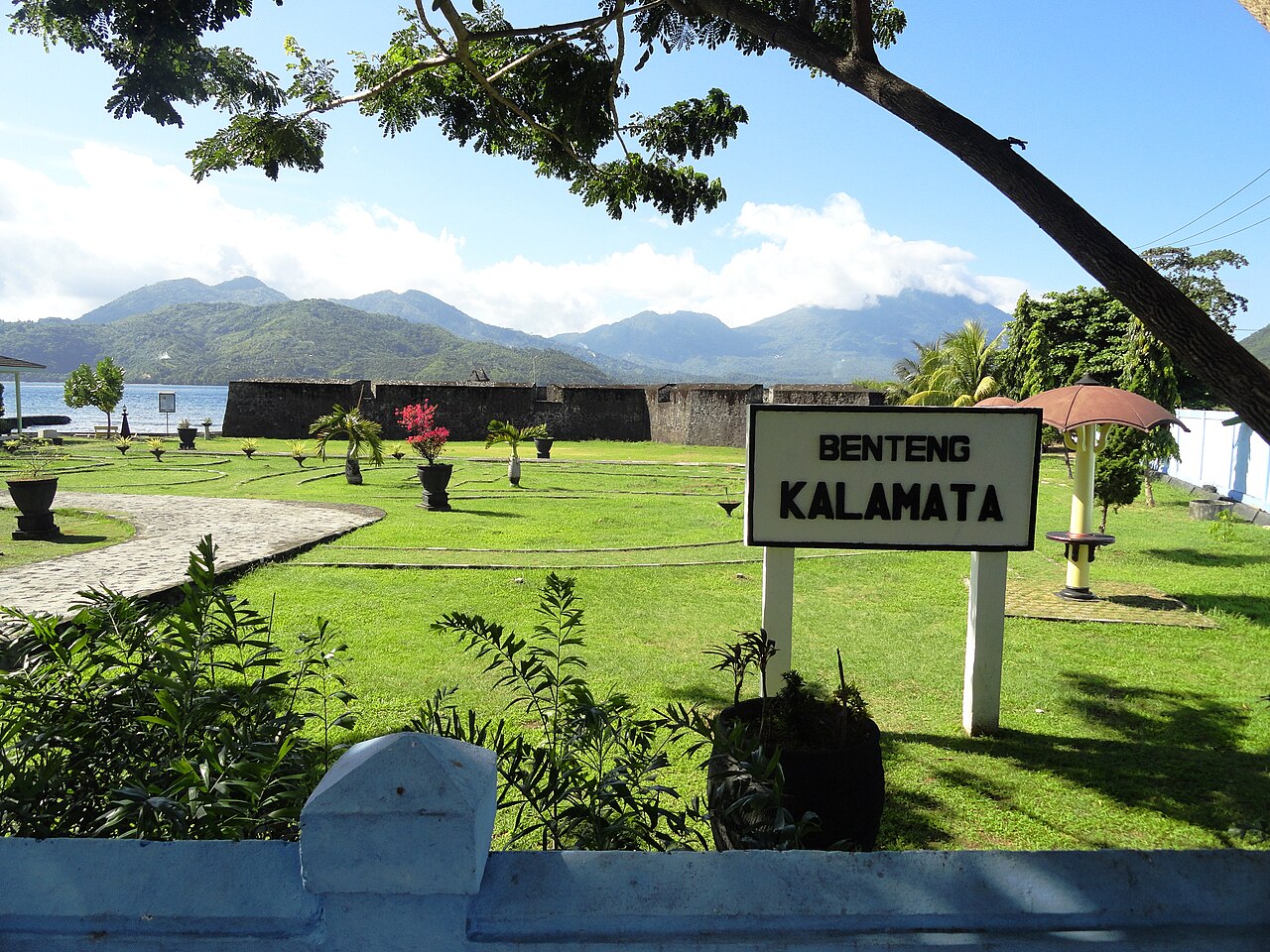
Fort Kastela (Indonesian: Benteng Kastela) is a significant historical ruin situated on the southwest coast of Ternate, an island in the Maluku archipelago of Indonesia. Constructed in 1522 by the Portuguese, it holds the distinction of being the earliest European colonial fortification in the Spice Islands, a region famed for its valuable cloves and nutmeg that attracted global powers during the Age of Exploration.
The fortress is known by various names reflecting its multicultural history: São João Baptista de Ternate and Fortaleza de Ternate in Portuguese, Ciudad del Rosario in Spanish, and Gammalamma in the local Ternatean and Dutch traditions. The local Indonesian name, Kastella, is derived from the Spanish region of Castile, emphasizing the Spanish influence during a later period of control.
Historical context and strategic importance
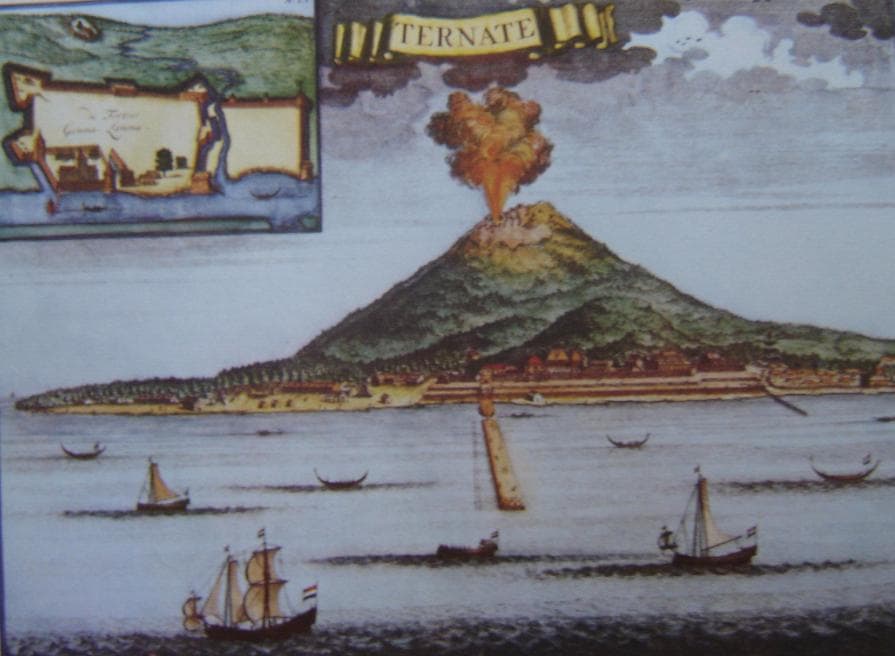
The construction of Fort Kastela was part of the Portuguese Crown's efforts to establish a foothold in the lucrative spice trade during the early 16th century. The Maluku Islands, also known as the Spice Islands, were the world's only source of cloves and nutmeg at the time, commodities that were highly prized in Europe and Asia. The Portuguese sought to control the trade routes and protect their commercial interests from competing European powers and local sultanates.
Fort Kastela was built on a strategic coastal location that allowed control over the surrounding waters and access to the island's interior. Its position enabled the Portuguese to monitor shipping lanes and defend against rival powers, including the indigenous Sultanate of Ternate and later the Dutch East India Company.
Architectural features and construction
The fortress was constructed primarily of coral stone and bricks, materials readily available in the region. Its design reflects typical 16th-century Portuguese military architecture, adapted to the tropical environment and local conditions. The fort originally featured thick defensive walls, bastions at key points for artillery placement, and a moat to deter attackers.
The layout included a central courtyard surrounded by living quarters, storage rooms, a chapel, and a powder magazine. The walls were equipped with embrasures for cannons and small arms, enabling defenders to repel assaults effectively. Although much of the structure now lies in ruins, remnants of the walls and bastions remain visible, providing insight into the fort's original scale and defensive capabilities.
Later history and decline
Following the Portuguese period, Fort Kastela came under Spanish control during the Iberian Union (1580–1640), when Spain and Portugal were united under one crown. The Spanish renamed it Ciudad del Rosario and made modifications to strengthen the fortifications. However, the fort's strategic importance diminished over time as the Dutch East India Company expanded its influence in the region.
The Dutch captured the fort in the early 17th century and eventually built their own fortifications nearby, leading to Fort Kastela's gradual abandonment. Over the centuries, tropical weather, neglect, and conflicts contributed to the fort's deterioration. Today, it stands as an archaeological site with ruins that reflect the complex colonial history of the Maluku Islands.
Current status and cultural significance
Fort Kastela is classified as an archaeological ruin and is an important cultural heritage site in Indonesia. It attracts historians, archaeologists, and tourists interested in the early colonial history of Southeast Asia and the global spice trade. Preservation efforts focus on protecting the remaining structures and promoting awareness of the fort's historical role.
The site offers visitors a tangible connection to the 16th-century maritime empires and the intense competition for control of the Spice Islands. Its ruins provide valuable insights into Portuguese military architecture adapted for tropical island conditions and the shifting colonial powers that shaped the region's history.
Visiting Fort Kastela
Visitors to Ternate can explore the ruins of Fort Kastela, which are accessible from the island's main settlements. The site provides panoramic views of the surrounding sea and landscape, illustrating the strategic considerations behind its location. Informational signage and local guides help contextualize the fort's history and significance.
While the fort is in a ruined state, it remains a compelling destination for those interested in colonial history, military architecture, and Indonesian heritage. Its preservation as an archaeological site ensures that Fort Kastela continues to be a source of knowledge and cultural identity for future generations.
Frequently asked questions (FAQ)
- What is the historical significance of Fort Kastella?
- Fort Kastella, built in the 16th century, is a testament to Indonesia's colonial history and the strategic importance of the region during the spice trade era. It served as a defensive stronghold against rival powers and played a crucial role in the protection of trade routes. Today, it stands as a symbol of Indonesia's rich cultural heritage and attracts history enthusiasts from around the world.
- When is the best time to visit Fort Kastella?
- The best time to visit Fort Kastella is during the dry season, which typically runs from April to October. During these months, visitors can enjoy pleasant weather and explore the fort without the hindrance of rain. Additionally, local festivals and events may enhance your experience, so it's worth checking the calendar before planning your visit.
- Can I access Fort Kastella with public transportation?
- Yes, Fort Kastella is accessible via public transportation, including buses and local taxis, which connect the site to major cities and towns in the area. Once you arrive, the fort is within walking distance from the nearest public transport stops. However, it’s advisable to check local schedules and plan your route in advance for a smooth visit.
- What are the opening hours of Fort Kastella?
- Fort Kastella is open to visitors daily from 9 AM to 5 PM. It's recommended to arrive earlier in the day to fully enjoy the historical exhibits and the scenic views of the surrounding area. Note that hours may vary during public holidays, so checking in advance is a good idea.
- Is it possible to take guided tours of Fort Kastella?
- Yes, guided tours are available at Fort Kastella and can greatly enhance your understanding of the site's history and architecture. Knowledgeable guides provide insights into the fort's past, architectural features, and significance. It's advisable to book a tour in advance, especially during peak tourist seasons.
- What are the ticket prices for entering Fort Kastella?
- The ticket prices for Fort Kastella are quite affordable, typically around IDR 20,000 for adults and IDR 10,000 for children. This small fee contributes to the maintenance and preservation of the fort. Discounts may be available for groups or students, so it's worth inquiring at the ticket counter.
- Are there any nearby attractions to visit after Fort Kastella?
- Yes, there are several nearby attractions to explore after visiting Fort Kastella, including local markets, beaches, and other historic sites. The vibrant culture and natural beauty of the surrounding area make it easy to spend a full day of exploration. Be sure to ask local guides for recommendations on the best spots to visit nearby.
- What type of architecture can I expect to see at Fort Kastella?
- Fort Kastella features a blend of traditional Indonesian and colonial architectural styles, showcasing its historical significance. The fort's sturdy walls, bastions, and watchtowers reflect its military purpose, while intricate carvings and decorative elements highlight local artistry. Visitors will appreciate the unique design that tells the story of its era.
Photo gallery

Photo by Unknown authorUnknown author•Public domain
Information
Loading map...
Visitor reviews
No reviews yet. Been here? Write the first review and help other travelers!
Write the first reviewVisited this castle? Share your experience
Your review helps other travelers and adds first-hand knowledge to our encyclopedia.