Fort Rotterdam
Fort Rotterdam is a 17th-century bastioned fortress located in Makassar on the island of Sulawesi, Indonesia. Originally constructed atop a fort belonging to the Gowa Kingdom, it represents a significant example of Renaissance military architecture adapted to the tropical Indonesian context. The fort's history reflects the complex colonial and local power dynamics of the 17th century in Southeast Asia.
Origins and early construction
The site initially hosted a fort built by a local sultan around 1634 as a defensive measure against increasing Dutch influence and encroachment. This original fortification was part of the Gowa Kingdom's efforts to maintain sovereignty and resist colonial expansion. However, following the Treaty of Bongaya in 1667, the fort was ceded to the Dutch East India Company (VOC), marking a turning point in the region's colonial history.
Reconstruction and architectural features
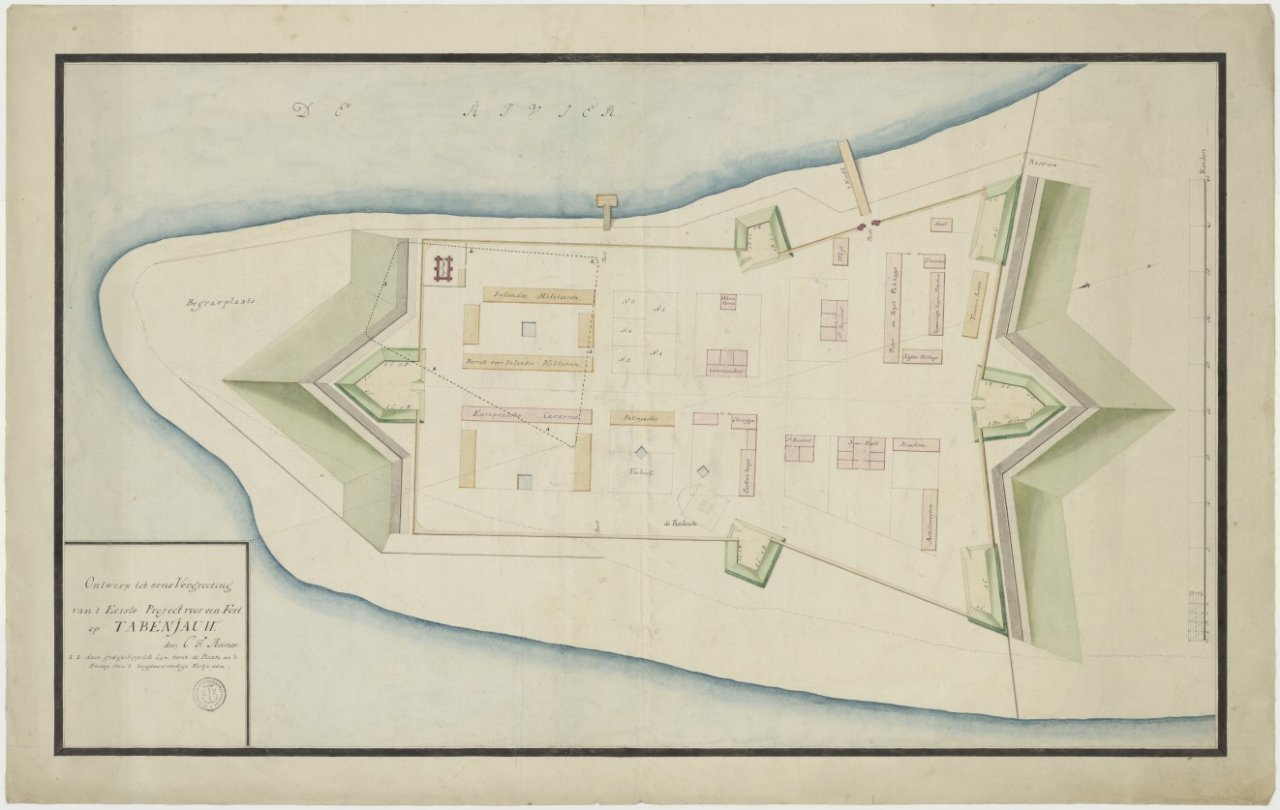
Between 1673 and 1679, the Dutch undertook a comprehensive rebuilding of the fort, transforming it into a bastioned fortress designed to withstand contemporary military threats. The fort's layout includes five bastions and a ravelin, strategic elements characteristic of Renaissance fortification design. These bastions provided overlapping fields of fire, enhancing the fort's defensive capabilities against both land and sea attacks.
The fort is enclosed by a seven-meter-high rampart, constructed from coral and limestone, materials commonly used in the region. Surrounding the rampart is a two-meter-deep moat, which served as an additional obstacle to potential attackers. The combination of these features exemplifies the European military engineering principles of the time, adapted to local conditions.
Interior structures and layout
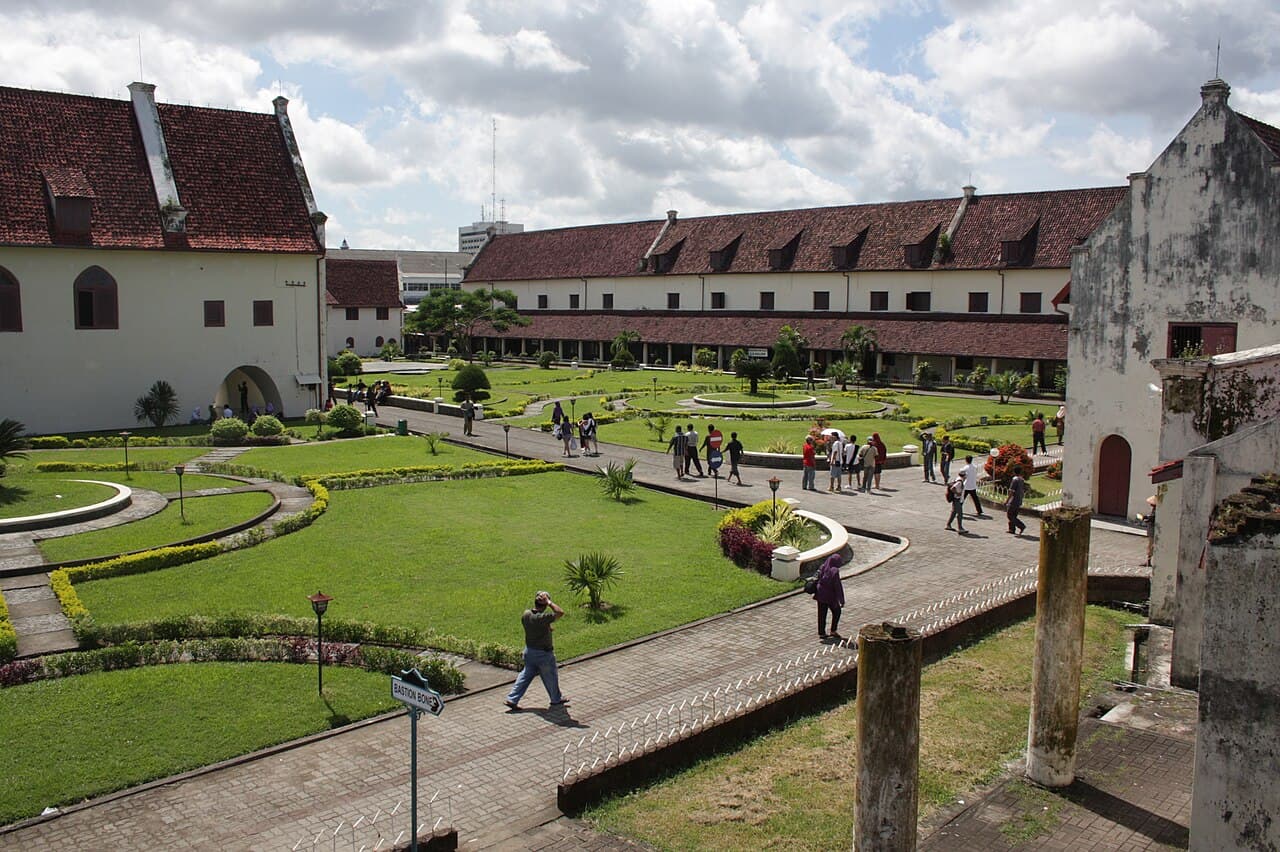
Inside the fort, the Dutch established various buildings to serve military, administrative, and residential purposes. These include barracks, warehouses, a church, and officers' quarters. The layout was planned to support the fort's role as the Dutch regional military and governmental headquarters, facilitating control over the surrounding territory.
Historical significance and use
Fort Rotterdam served as the Dutch military and administrative center in the region until the 1930s. It played a crucial role in maintaining Dutch colonial control over Sulawesi and the broader eastern Indonesian archipelago. The fort witnessed numerous historical events, including conflicts with local kingdoms and the shifting tides of colonial power in Southeast Asia.
Preservation and modern use
After its military use declined, the fort fell into disrepair but was extensively restored during the 1970s. Restoration efforts focused on preserving the original architectural elements and structural integrity, allowing the fort to serve new cultural and educational functions.
Today, Fort Rotterdam is a prominent cultural landmark in Makassar. It functions as a cultural and educational center, hosting music and dance events that celebrate local traditions and history. The fort is also a popular tourist destination, offering visitors insight into Indonesia's colonial past and architectural heritage.
Visitor experience
Visitors to Fort Rotterdam can explore the well-preserved bastions and ramparts, walk along the moat, and visit the interior buildings that have been repurposed as museums and exhibition spaces. The site provides educational programs and cultural performances, making it a vibrant center for both locals and tourists interested in history and the arts.
Frequently asked questions (FAQ)
- What is the historical significance of Fort Rotterdam?
- Fort Rotterdam, built in the 17th century, is a prominent symbol of Makassar's colonial history. It served as a key military fortress for the Dutch East India Company and played a vital role in trade and defense in the region. Today, it stands as a testament to Indonesia's rich cultural heritage and colonial past.
- When was Fort Rotterdam built?
- Construction of Fort Rotterdam began in 1667 and was completed in 1671. This well-preserved fortification reflects Dutch military architecture and has undergone several renovations over the centuries, maintaining its historical integrity for visitors to explore.
- What are the opening hours for Fort Rotterdam?
- Fort Rotterdam is open to visitors daily from 8:00 AM to 6:00 PM. It's advisable to check for any special closures or events that may affect visiting hours, especially during public holidays.
- Can I take photographs inside Fort Rotterdam?
- Yes, photography is permitted inside Fort Rotterdam, making it a fantastic opportunity to capture the stunning architecture and scenic views. However, it's essential to be respectful of other visitors and the site's historical significance while taking photos.
- Is Fort Rotterdam accessible for visitors with disabilities?
- Fort Rotterdam has made efforts to improve accessibility for all visitors, including those with disabilities. While some areas may have uneven surfaces, staff are available to assist and ensure a comfortable visit for everyone.
- What is the ticket price for entering Fort Rotterdam?
- The entrance fee for Fort Rotterdam is quite affordable, typically around IDR 5,000 for domestic visitors and IDR 10,000 for international tourists. This nominal fee helps maintain the site and provides access to its historical exhibits and beautiful surroundings.
- When is the best time to visit Fort Rotterdam?
- The best time to visit Fort Rotterdam is during the dry season, from May to September, when the weather is pleasant for outdoor exploration. Early mornings or late afternoons are ideal to avoid the heat and enjoy the fort's beauty in softer light.
- What nearby attractions can I explore after visiting Fort Rotterdam?
- After exploring Fort Rotterdam, you can visit the nearby Trans Studio Makassar, an indoor amusement park, or take a stroll along the Losari Beach promenade. Both locations offer unique experiences and are perfect for extending your day of sightseeing in Makassar.
Photo gallery

Information
Loading map...
Visitor reviews
No reviews yet. Been here? Write the first review and help other travelers!
Write the first reviewVisited this castle? Share your experience
Your review helps other travelers and adds first-hand knowledge to our encyclopedia.