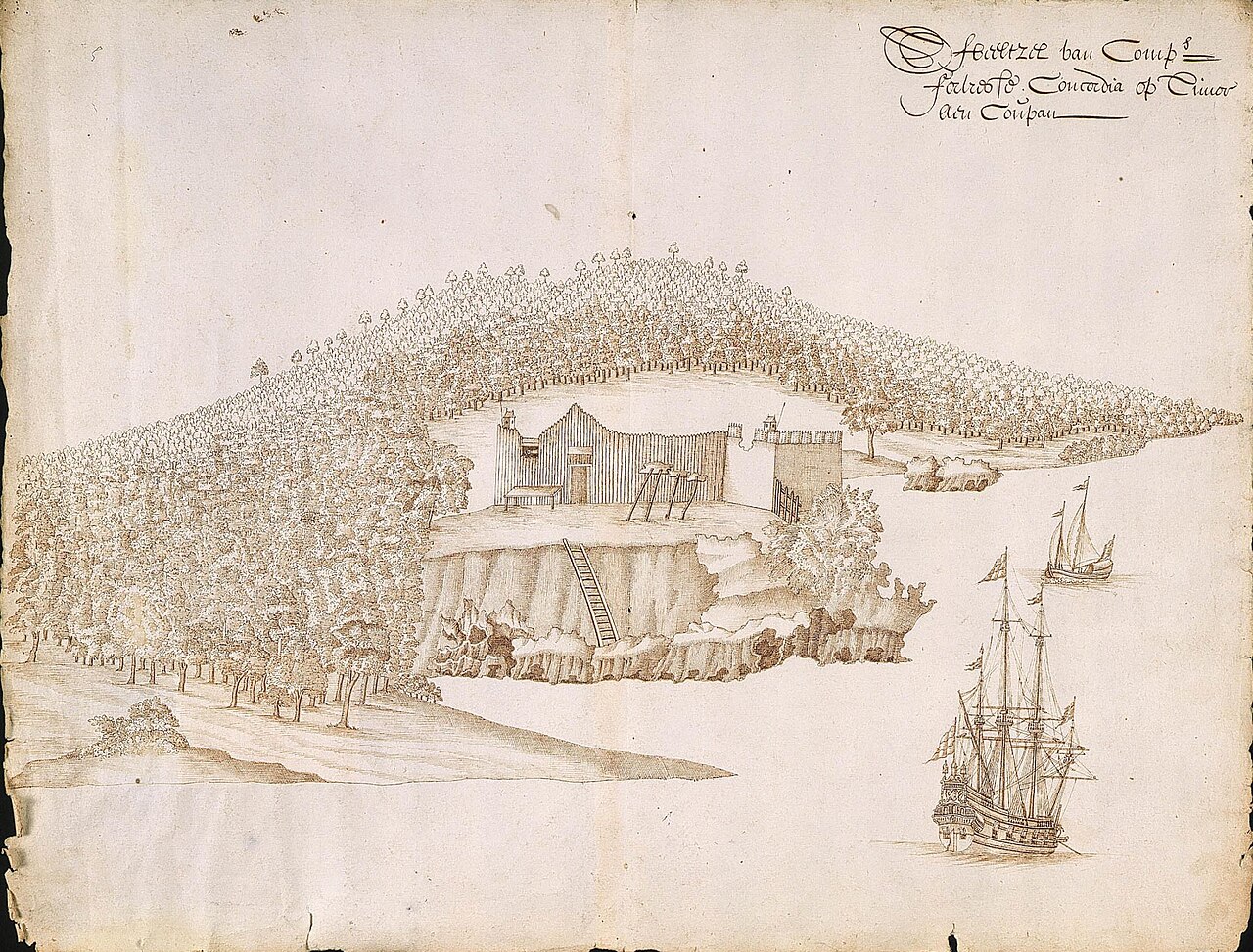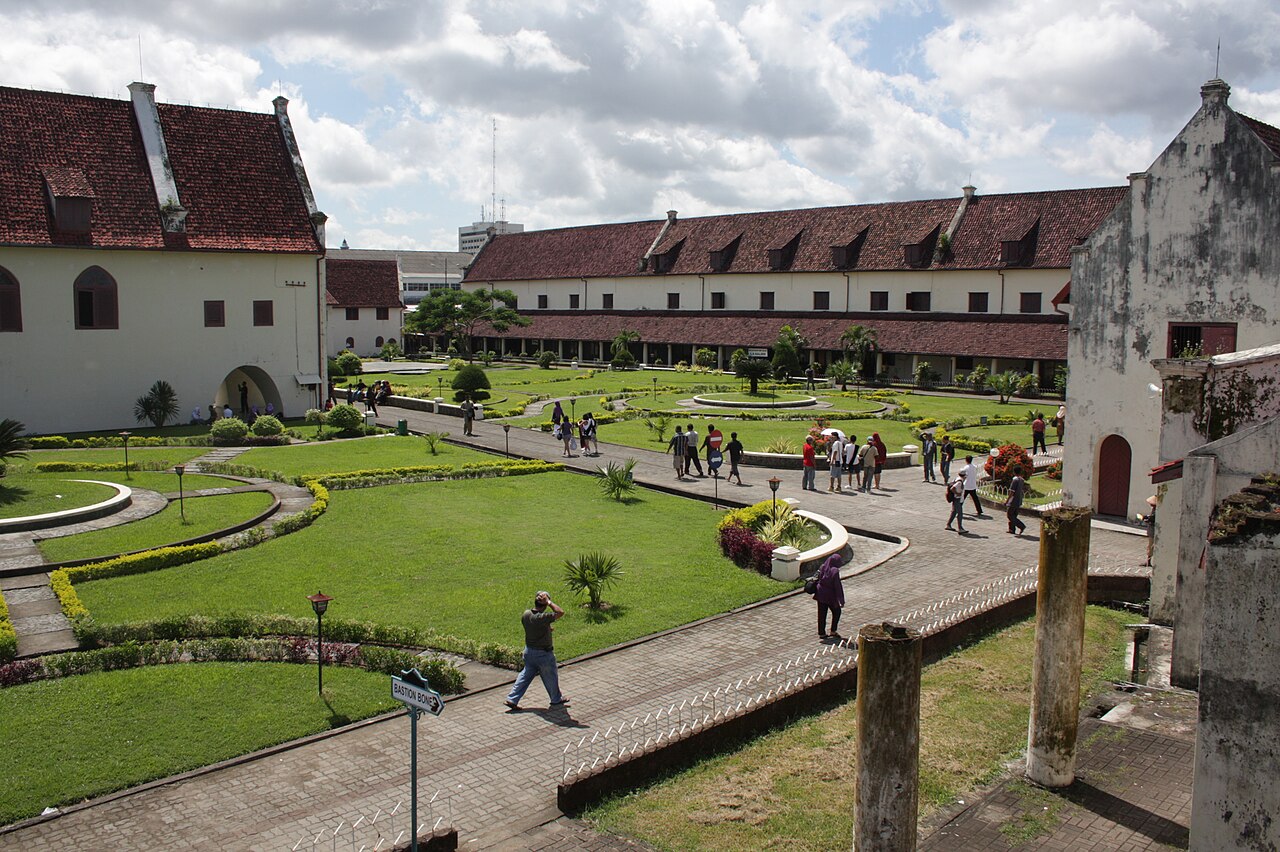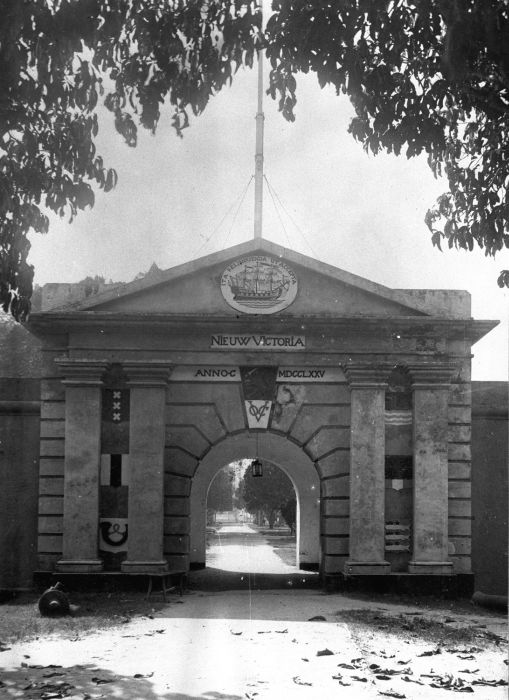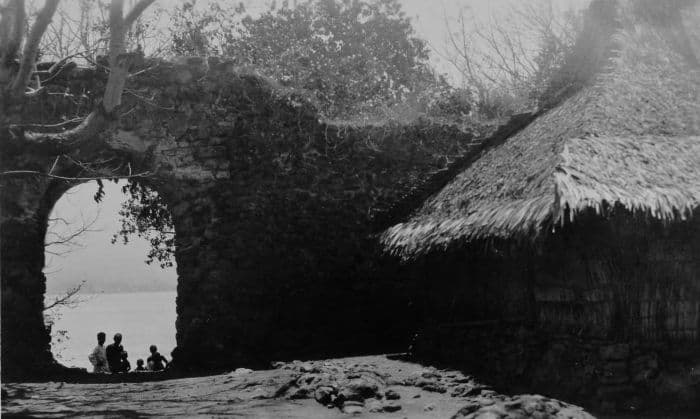
Fort Solor is a prominent example of a bastioned fortress located in Indonesia, reflecting the strategic military architecture employed during the colonial period in Southeast Asia. This fortress was constructed to serve as a key defensive stronghold, protecting important trade routes and coastal areas from naval attacks and invasions. Its design incorporates the characteristic angular bastions that allowed defenders to cover all approaches with overlapping fields of fire, a military innovation that emerged in response to the increased use of artillery in warfare.
Historical context and construction
The origins of Fort Solor date back to the era of European colonial expansion in the Indonesian archipelago, particularly during the 17th and 18th centuries when the Dutch East India Company (VOC) and other colonial powers established fortified posts to control trade and territory. While the exact date of construction is uncertain, the fortress exhibits features typical of bastioned fortresses built in this period, such as thick stone walls, angular bastions, and a layout optimized for artillery defense.
Its location on the coast was strategically chosen to oversee and protect maritime routes critical for commerce and military movements. The fortress likely played a role in regional conflicts and served as a base for colonial administration and military operations.
Architectural features
Bastions and walls
The defining feature of Fort Solor is its bastioned design, which includes several protruding bastions at the corners of the fortress walls. These bastions are designed to eliminate blind spots and enable defenders to fire along the walls, creating a crossfire zone that was difficult for attackers to breach. The walls themselves are robust, constructed from local stone and mortar, designed to withstand cannon fire.
Interior structures and layout
Within the fortress, the layout would have included barracks, storage rooms for ammunition and provisions, and command centers. The internal arrangement was planned to support sustained defense and accommodate a garrison of soldiers. Although detailed records of the interior structures are limited, bastioned fortresses typically featured a parade ground and reinforced gates with defensive mechanisms.
Strategic significance and legacy
Fort Solor served as a critical military installation in the defense of the region during periods of colonial conflict. Its bastioned design represents the adaptation of European military engineering principles to the Southeast Asian environment. The fortress is a tangible reminder of the colonial history of Indonesia and the military strategies employed to control key maritime territories.
Today, the condition of Fort Solor varies, with some parts preserved and others in a state of disrepair, reflecting the challenges of maintaining historic military structures in tropical climates. It remains an important cultural heritage site, attracting interest from historians, architects, and tourists who seek to understand the region's colonial past and military architecture.
Visiting fort solor
Visitors to Fort Solor can explore the remnants of the fortress and gain insight into its historical role. The site offers views of the surrounding coastline, emphasizing its strategic placement. While facilities may be limited, the fortress provides a valuable educational experience about colonial fortifications and their impact on Indonesian history.
Due to its location and condition, visitors are advised to prepare accordingly and check local access regulations. Guided tours may be available through local heritage organizations, providing deeper context and interpretation of the fortress's features and history.
Frequently asked questions (FAQ)
- What is Fort Solor and where is it located?
- Fort Solor is a bastioned fortress located in Indonesia, built to protect strategic coastal areas during the colonial period.
- What architectural features define Fort Solor?
- Fort Solor features angular bastions and thick stone walls designed to withstand artillery attacks, typical of bastioned fortresses.
- Can visitors tour Fort Solor?
- Visitors can explore Fort Solor's remains and learn about its history, though facilities may be limited and access should be checked locally.
- Why was Fort Solor built?
- The fortress was constructed to defend important maritime trade routes and serve as a military base during colonial conflicts in Indonesia.
- What is the historical significance of Fort Solor?
- Fort Solor exemplifies European military engineering adapted to Southeast Asia and reflects the colonial history of Indonesia.
Photo gallery

Information
Loading map...
Visitor reviews
No reviews yet. Been here? Write the first review and help other travelers!
Write the first reviewVisited this castle? Share your experience
Your review helps other travelers and adds first-hand knowledge to our encyclopedia.