Fort Concordia
Fort Concordia is a notable example of a bastioned fortress located in Indonesia, reflecting the strategic military architecture introduced during the colonial period. Although the exact city location is not specified, the fortress represents an important part of Indonesia's colonial heritage, illustrating the defensive needs and architectural styles adapted by European powers in Southeast Asia.
Historical context and significance
Constructed during the era when European colonial powers sought to establish and defend their trading posts and territories in the Indonesian archipelago, Fort Concordia served as a critical military installation. Bastioned fortresses were designed to withstand artillery sieges and provide overlapping fields of fire, a significant advancement over earlier medieval castles. This type of fortification became widespread in the 16th to 18th centuries, coinciding with the rise of gunpowder warfare.
The fortress likely played a role in controlling local trade routes and protecting colonial interests from rival European powers as well as local resistance. Its construction reflects the adaptation of European military engineering principles to the tropical environment of Indonesia, incorporating thick walls and bastions to maximize defense capabilities.
Architectural features of a bastioned fortress
Bastioned fortresses are characterized by angular bastions projecting from the main walls, allowing defenders to cover adjacent walls with gunfire and eliminate blind spots. This design was a response to the increasing effectiveness of cannon fire, which rendered traditional high-walled castles vulnerable.
Fort Concordia would have included:
- Thick, sloped walls constructed to absorb and deflect cannonballs.
- Angular bastions positioned at corners for optimal defensive coverage.
- Moats or ditches surrounding the fortress to hinder attackers.
- Internal courtyards and barracks to accommodate troops.
- Gun platforms and embrasures for artillery placement.
The fortress's layout was likely designed to maximize defensive strength while allowing for efficient troop movement and supply storage within the walls.
Construction period and style
While the exact construction date of Fort Concordia is not specified, bastioned fortresses in Indonesia typically date from the 16th to 18th centuries, aligning with the period of European colonial expansion in the region. The architectural style is primarily functional, focusing on military engineering principles rather than ornamental design. It reflects the post-medieval evolution of fortifications, emphasizing the use of gunpowder artillery and the need for angled bastions to counter artillery attacks.
Current condition and preservation
The current condition of Fort Concordia is not detailed, but many such colonial-era fortresses in Indonesia vary from well-preserved to ruins. Preservation efforts often depend on local and national heritage initiatives. If accessible, Fort Concordia would offer valuable insights into the colonial military architecture and historical conflicts in the region.
Visiting Fort Concordia
Information on visiting hours, ticket prices, and accessibility is not available. Visitors interested in colonial military history or Indonesian heritage may find Fort Concordia a significant site, if accessible. It is advisable to consult local tourism authorities for up-to-date visitor information.
Frequently asked questions about Fort Concordia
- What is Fort Concordia?
Fort Concordia is a bastioned fortress in Indonesia built during the colonial period to protect strategic interests. - When was Fort Concordia built?
It likely dates from the 16th to 18th centuries, during European colonial expansion in Indonesia. - What architectural style does Fort Concordia represent?
It exemplifies the bastioned fortress style, designed for defense against artillery. - Can I visit Fort Concordia?
Visitor information is limited; checking with local tourism offices is recommended. - Why was a bastioned fortress design used?
The design allowed defenders to cover all approaches with cannon fire, improving defense against sieges.
Frequently asked questions (FAQ)
- What is the historical significance of Fort Concordia?
- Fort Concordia is a pivotal historical site in Indonesia, dating back to the 17th century. It served as a strategic military fortress during colonial times, reflecting the architectural and cultural influences of that era. The fort stands as a testament to Indonesia's rich history and the various colonial powers that once occupied the region.
- When was Fort Concordia built?
- Fort Concordia was constructed in 1678, making it one of the oldest surviving structures in Indonesia. Its construction marked an important phase in the defense strategies employed during the colonial period. Over the years, it has been preserved to showcase its historical and architectural significance.
- How do I get to Fort Concordia?
- Fort Concordia is accessible by public transport and private vehicles from major cities in Indonesia. Visitors can take local buses or taxis to reach the fort, which is situated in a scenic area that offers stunning views. It's advisable to check local travel routes for the most convenient options.
- Is it possible to take guided tours of Fort Concordia?
- Yes, guided tours are available at Fort Concordia, providing visitors with in-depth knowledge of the fort's history and architecture. These tours are led by knowledgeable guides who can share fascinating stories and insights about the site. It's recommended to book a tour in advance, especially during peak tourist seasons.
- What are the opening hours of Fort Concordia?
- Fort Concordia is open to visitors from 9 AM to 5 PM daily. It's best to arrive early to fully explore the site without crowds. Keep in mind that hours may vary on public holidays, so it’s a good idea to check ahead before your visit.
- Can I take photographs at Fort Concordia?
- Yes, photography is allowed at Fort Concordia, and visitors often capture stunning images of the fort's architecture and surrounding landscape. Be respectful of other visitors and the site's rules regarding photography. This is a great way to preserve your memories of this historical landmark.
- What is the best time to visit Fort Concordia?
- The best time to visit Fort Concordia is during the dry season, which runs from April to October. This period offers pleasant weather with less rainfall, making it ideal for outdoor exploration. Visiting during weekdays can also help avoid larger crowds.
- What are the ticket prices for Fort Concordia?
- Ticket prices for Fort Concordia are quite affordable, typically ranging from IDR 20,000 to IDR 50,000 for adults. Children and students may receive discounted rates. It's advisable to check for any special promotions or packages that may enhance your visit.
- Are there any nearby attractions to explore after visiting Fort Concordia?
- Yes, there are several nearby attractions, including local markets, museums, and beautiful beaches. Visitors can explore the cultural offerings of the surrounding area, enhancing their experience. It's a perfect opportunity to immerse yourself in the local culture and history.
Photo gallery

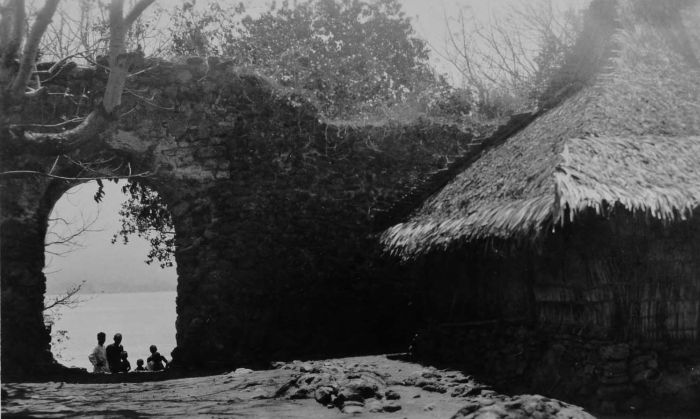
Photo by Anoniem / Anonymous•Public domain
Information
Loading map...
Visitor reviews
No reviews yet. Been here? Write the first review and help other travelers!
Write the first reviewVisited this castle? Share your experience
Your review helps other travelers and adds first-hand knowledge to our encyclopedia.