Scotland has more castles than you can see in a week. So you need a plan. This Scotland castle road trip starts in Edinburgh and runs through Stirling, Argyll, Glencoe and the north-west Highlands. It ends in Perthshire, then returns to Edinburgh. Eilean Donan sits at the centre of the route.
Every stop earns its place. Some castles are medieval survivors. One is a Georgian showpiece. One is a 20th-century rebuild. I will tell you which is which. Knowing the real story makes every castle look better.
Plan on seven days, a rental car and a flexible mind. Scottish weather changes by the hour.
Plan your castle route before you book
Scotland drives on the left. The Highlands have many single-track roads with passing places. If the passing place is on your left, pull in. If it is on your right, stop opposite it. Wave to the driver who waits for you.
Season matters more than most people expect. Late spring to early autumn is the best time for a Scotland road trip. Several castles on this route run seasonal hours. Inveraray, Cawdor, Dunvegan and Castle Stalker all close for part of the year. Even Dunstaffnage cuts its winter opening days. Check each official website before you set off.
Book an automatic car early. They sell out first. Trains reach Edinburgh, Stirling and Inverness, but no train reaches Kilchurn or Castle Stalker.
Historic Environment Scotland (HES) looks after Edinburgh, Stirling, Doune, Urquhart and Dunstaffnage. Its membership and Explorer Pass cover those ticketed sites. Compare the pass price with single tickets for your own dates. Private castles like Eilean Donan, Inveraray, Cawdor and Blair sell their own tickets.
All drive times below are approximate. Add time for photo stops. You will need it.
Day 1: Edinburgh Castle and the Royal Mile
Drive: none. Explore on foot.
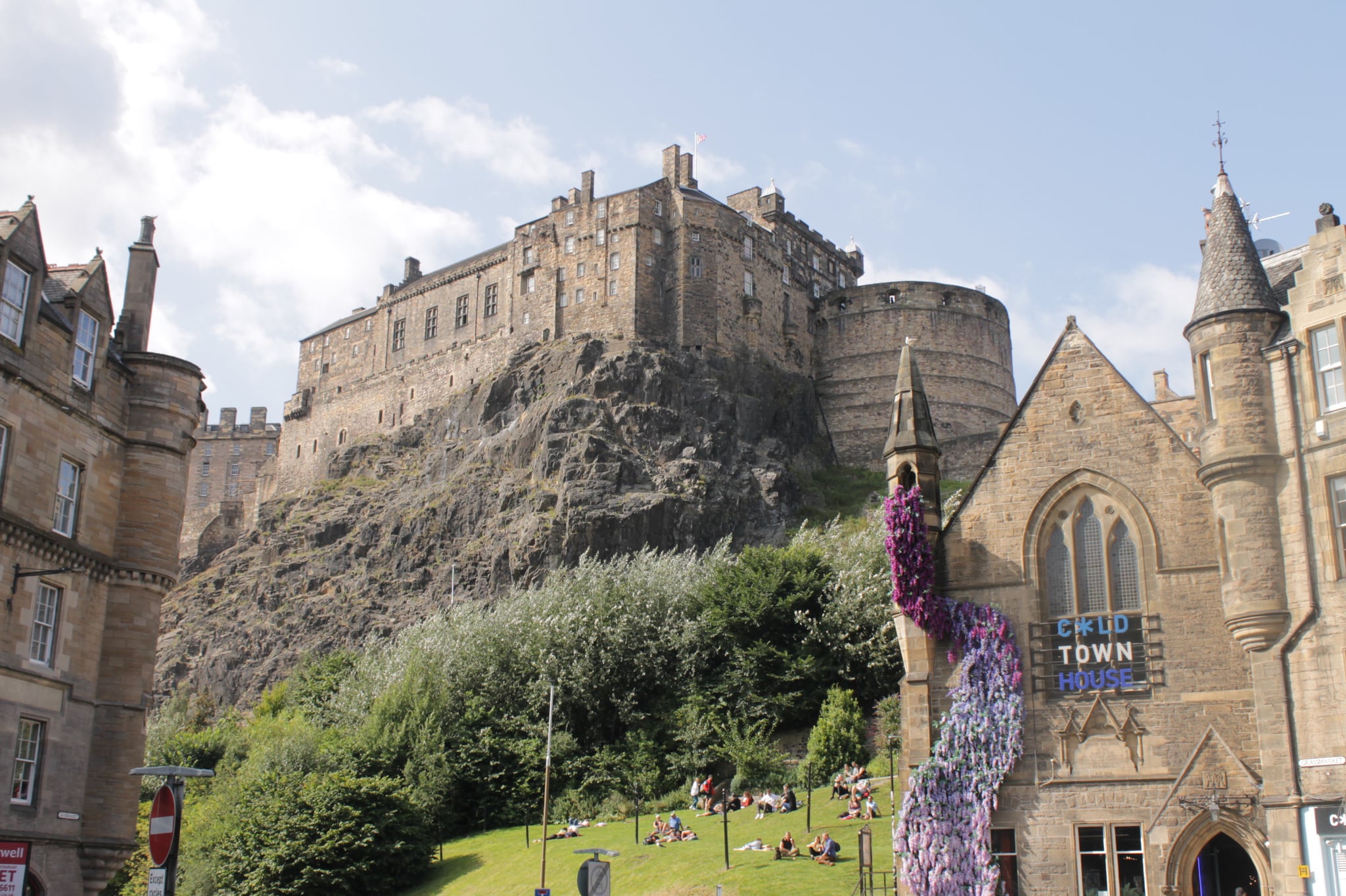
Your first day belongs to Edinburgh Castle. It stands on Castle Rock, an extinct volcanic plug. Book a timed ticket and arrive at opening. The queues grow fast.
Inside, look for four things. The Honours of Scotland are among the oldest surviving crown jewels in Europe. St Margaret’s Chapel, from around 1130, is the oldest surviving building in Edinburgh. Mons Meg is a giant siege gun built in 1449 at Mons, in modern Belgium. The One O’Clock Gun has fired since 1861. It skips Sundays, Christmas Day and Good Friday.
Here is a reality check. Many older guidebooks still send you to see the Stone of Destiny in the Crown Room. It moved to Perth Museum in March 2024. You will see it on Day 7. The castle itself is also a patchwork. The Royal Palace dates from the 15th and 16th centuries, and the military buildings are younger still.
Walk down the Royal Mile after lunch. Sleep in Edinburgh.
Day 2: Stirling Castle and Doune Castle
Drive: about 36 miles to Stirling, then about nine miles to Doune.
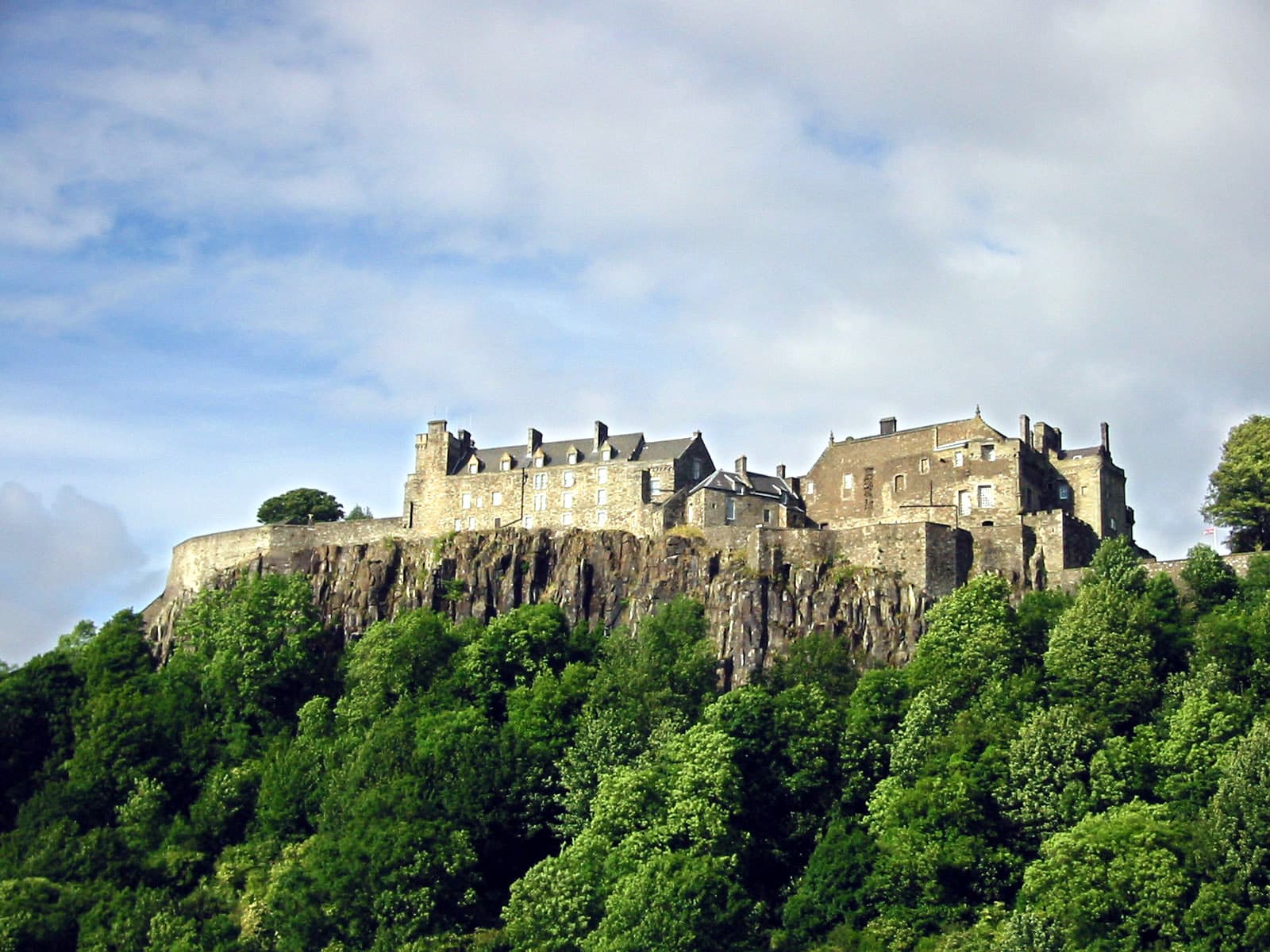
Stirling Castle comes first. Many visitors rank it above Edinburgh. The rock guards the old crossing of the River Forth. Whoever held Stirling controlled the route between Lowlands and Highlands. William Wallace won at Stirling Bridge in 1297. Robert the Bruce won at Bannockburn in 1314. Both battles took place within sight of these walls.
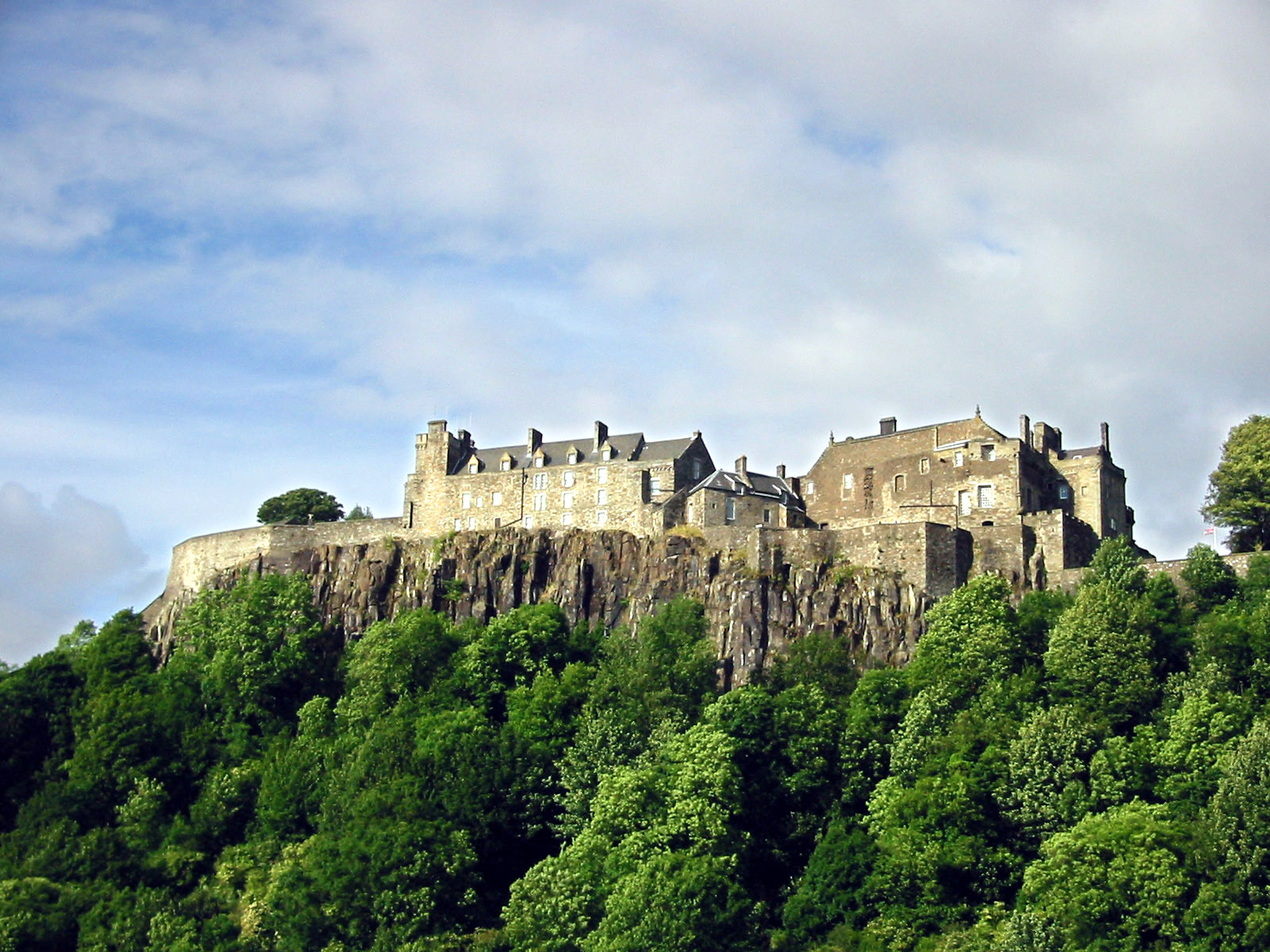
The Royal Palace was built for James V around 1540. A £12 million project reopened it in June 2011, with rooms furnished as they looked in the 16th century. Visit the gallery of the Stirling Heads. These carved oak roundels once decorated the palace ceilings. The ceilings came down in 1777. Mary, Queen of Scots, spent her childhood here and was crowned at Stirling in 1543.
In the afternoon, drive to Doune Castle. Robert Stewart, Duke of Albany, built it around 1400. HES calls him “Scotland’s uncrowned king,” and for good reason. He ruled the country for decades as regent. Doune is the best-preserved medieval courtyard castle on this route.
You may know Doune from the screen. It appears in Monty Python and the Holy Grail, in the Game of Thrones pilot and in Outlander as Castle Leoch. The HES audio guide comes with your ticket. Terry Jones of Monty Python narrates it. Bring a charged phone and headphones, since the guide runs on your own device.
Sleep near Callander or Loch Lomond.
Day 3: Inveraray Castle and Kilchurn Castle
Drive: about two hours to Inveraray, then about 25 miles to Kilchurn.
Head west past Loch Lomond. Today is a driving day with two castles as the reward.
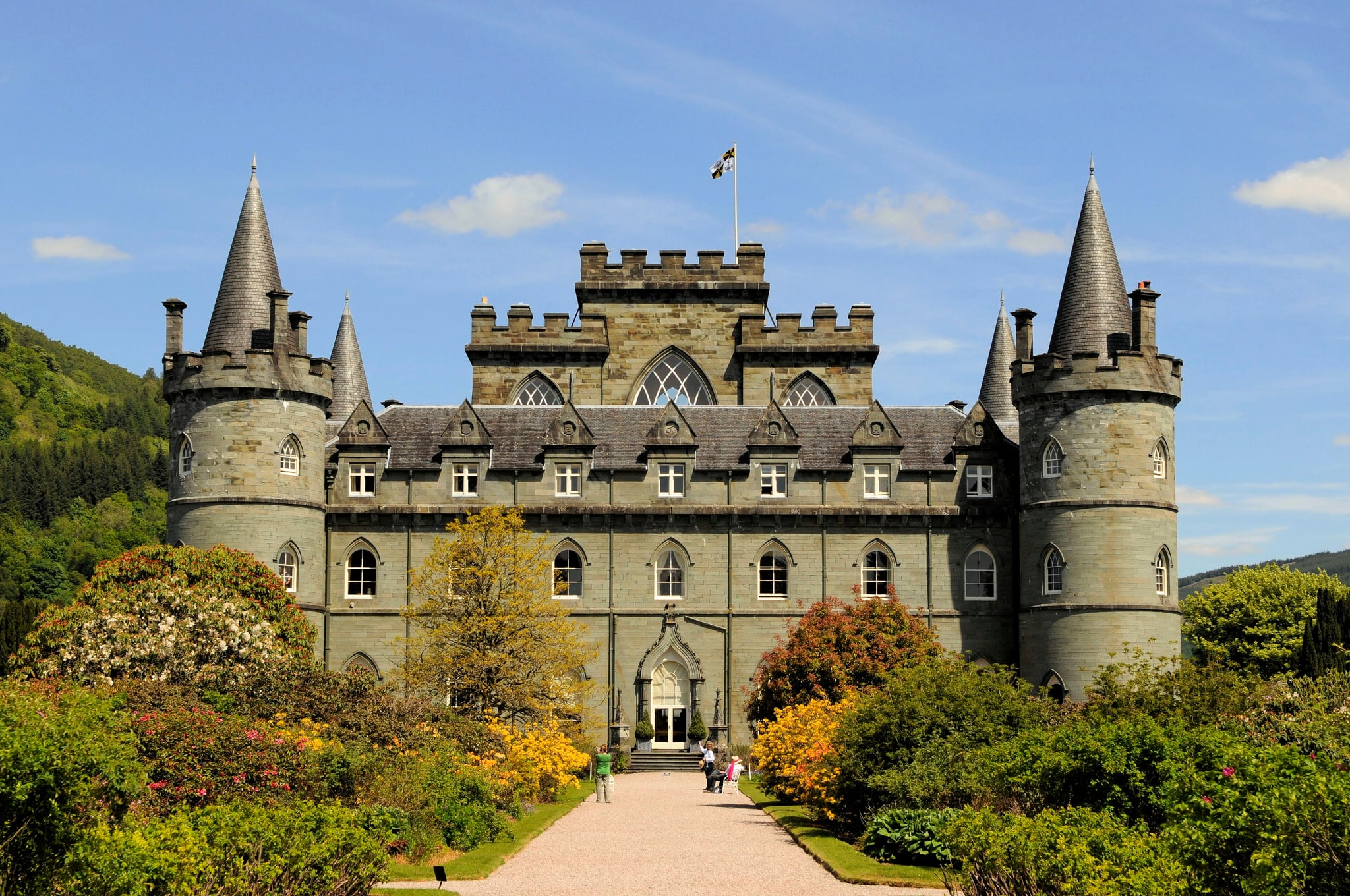
Inveraray Castle looks medieval, but it is not. Roger Morris designed it in 1745 for the 3rd Duke of Argyll, and building began in 1746. It replaced an older Campbell fortress. Inside, the Armoury Hall rises 21 metres, the tallest ceiling in Scotland. Downton Abbey fans know the hall well. The 2012 Christmas special filmed here, and Inveraray played the fictional Duneagle Castle.
Kilchurn Castle stands on Loch Awe. Sir Colin Campbell of Glenorchy built it around 1450. In the 1690s the Campbells converted it into barracks for 200 troops. Lightning damaged it around 1760, and the family abandoned it. Wordsworth wrote a poem about the ruin in 1803. Access depends on season and loch level. People walk in from the A85 near Dalmally or take a boat from Lochawe pier. Check current access before you go.
Sleep in Oban. Order the seafood.
Day 4: Dunstaffnage, Castle Stalker and Glencoe
Drive: three miles to Dunstaffnage, about 25 miles to Castle Stalker, then on through Glencoe to Fort William.
Start at Dunstaffnage Castle, three miles north of Oban. Duncan MacDougall built it before 1240. HES says its curtain wall is one of the oldest standing castle remains in Scotland. Flora MacDonald spent time here as a prisoner in 1746, after she helped Bonnie Prince Charlie escape.

Drive north to Castle Stalker. This four-storey tower house stands on a tidal islet in Loch Laich. The Stewarts built it in its present form in the 1440s. It closes the film Monty Python and the Holy Grail as the castle with the rude French guards. A private family owns it, so you cannot just walk in. Tours run in summer by prior booking. Most visitors photograph it from the roadside viewpoint.
Then drive through Glencoe. This is no castle stop, but skipping it would be a mistake. Government soldiers killed members of Clan MacDonald here in February 1692. Park at a viewpoint and stay quiet for a minute.
Sleep in or near Fort William.
Day 5: Eilean Donan Castle
Drive: around 70 miles from Fort William to Eilean Donan, then about an hour and a quarter to Drumnadrochit.
Leave early. Arrive before the coach tours do. The light is better and the car park is calmer.
Eilean Donan Castle stands on an island where Loch Duich, Loch Long and Loch Alsh meet. A stone causeway links it to the shore. It starred in Highlander (1986) and served as MI6’s Scottish headquarters in The World Is Not Enough (1999). It is the most photographed castle in the country.
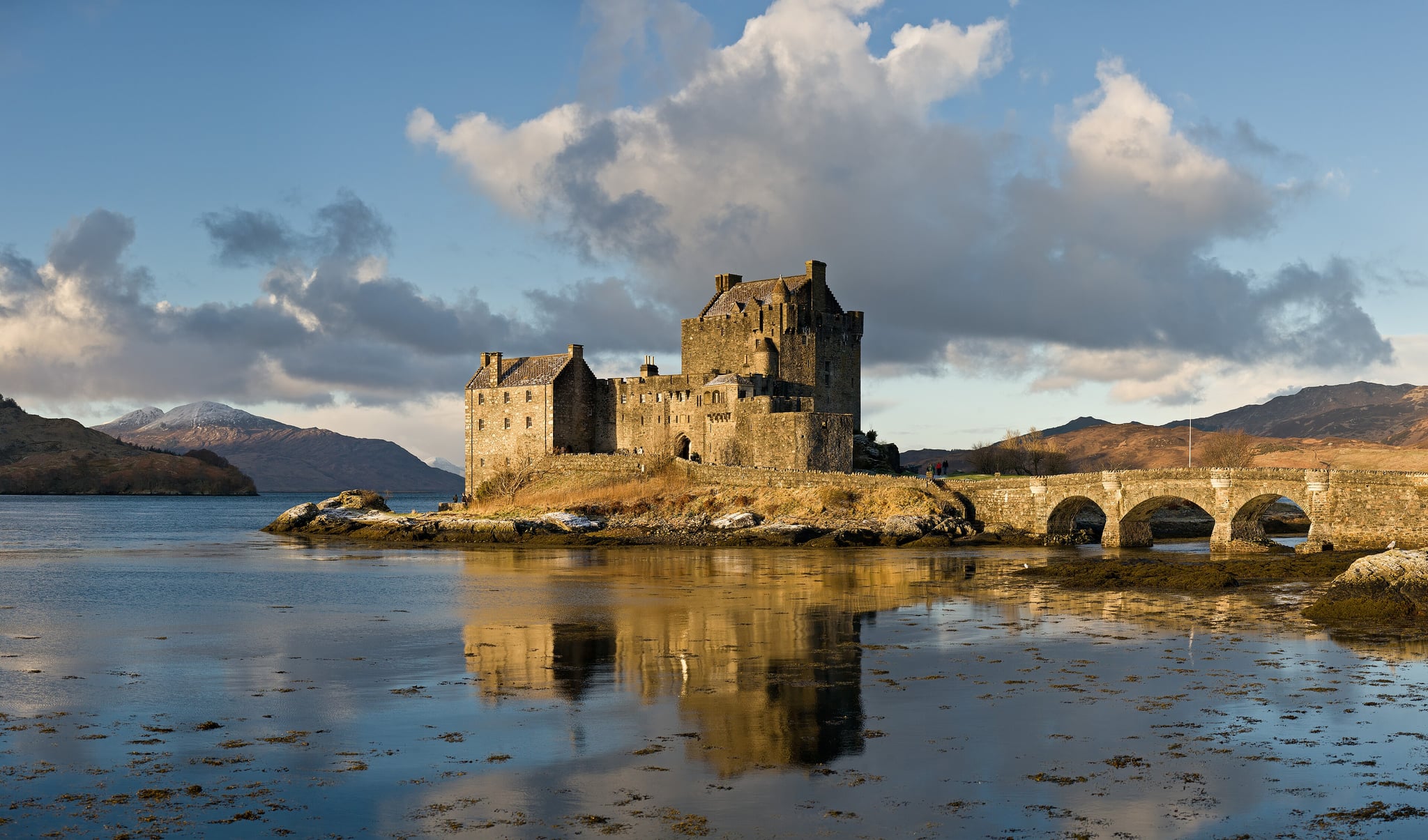
Now the truth. Eilean Donan is mostly a 20th-century rebuild. In 1719 the castle held Spanish troops during a Jacobite rising. Three Royal Navy frigates bombarded it, and it fell into ruin. It stayed a ruin for around two centuries. Lieutenant-Colonel John MacRae-Gilstrap bought the island in 1911. The rebuilding ran from 1912 to 1932, and the causeway opened that year. The national heritage record, Canmore, describes the result as a romantic revival that takes plenty of creative licence.
Is it fake? No. It is a sincere reconstruction on a genuine medieval site. You just need to know what you are looking at.
Skye’s Dunvegan Castle needs its own day, so I left it off this route. The MacLeod chiefs have lived there for around 800 years. The clan calls it the oldest continuously inhabited castle in Scotland. The famous Fairy Flag is on display inside. Note that the castle you see today was remodelled in the 19th century.
Sleep near Loch Ness. Drumnadrochit works well.
Day 6: Urquhart Castle and Cawdor Castle
Drive: a few minutes to Urquhart, then about an hour to Cawdor, then about two hours to Blair Atholl or Pitlochry.
Begin at Urquhart Castle on a headland above Loch Ness. Look for the Grant Tower, the best-preserved part of the site. In 1332 Urquhart was the only Highland castle to hold out against the English. In 1692 the retreating government garrison blew up the gatehouse. They wanted to keep Jacobites from using it. You can still see fallen masonry beside the ruin.
Yes, you will scan the water for a monster. HES points out that the oldest report is far older than the tourist trade. A biography of St Columba, written by Adomnan, describes the saint meeting a creature in the loch. The castle passed into state care in 1913.
Drive east to Cawdor Castle. Many visitors arrive expecting Macbeth’s home. They will not find it. In the play, Duncan says of Macbeth’s castle at Inverness:
“This castle hath a pleasant seat...”
— King Duncan, Macbeth (William Shakespeare), Act 1, Scene 6
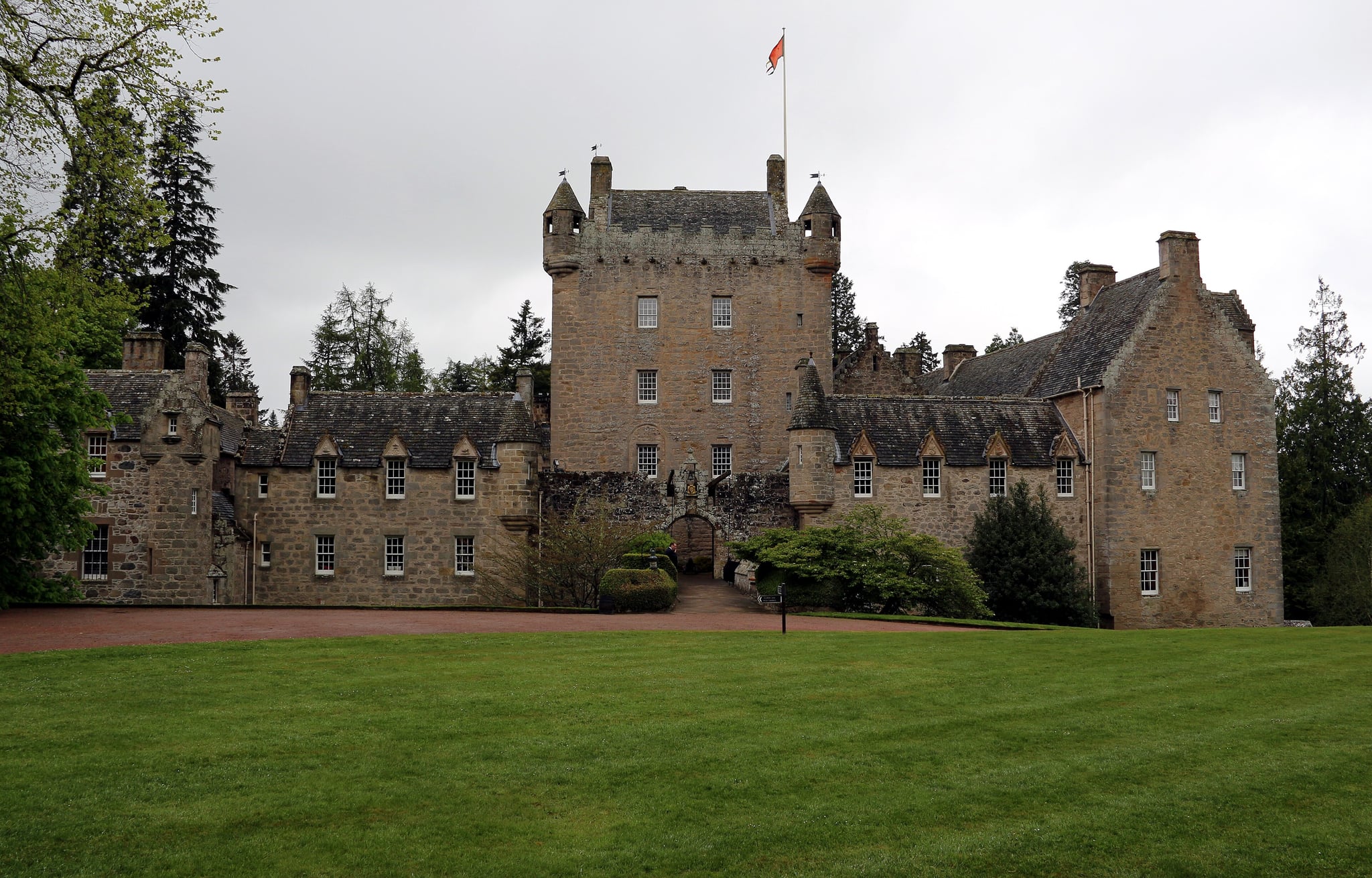
Duncan is about to be murdered there, so the line is cruel irony. The real Macbeth died in 1057. Cawdor’s first documented date is 1454, when William Calder received a licence to fortify his tower. The oldest stonework is dated around 1380. Macbeth was also never Thane of Cawdor. That title comes from the writer Hector Boece, who invented it in the 15th century.
Cawdor has better stories of its own. Legend says a donkey loaded with gold chose the building site by lying down under a tree. The dead trunk still stands in the tower’s lowest level. Tests show it is a holly, not a hawthorn, and the wood dates to around 1372. The Campbell family still lives in the castle. Opening runs from spring to early autumn, so check the dates.
Sleep near Blair Atholl or Pitlochry.
Day 7: Blair Castle, the Stone of Destiny
Drive: short hop to Blair Castle, then about an hour to Perth, then about an hour to Edinburgh.
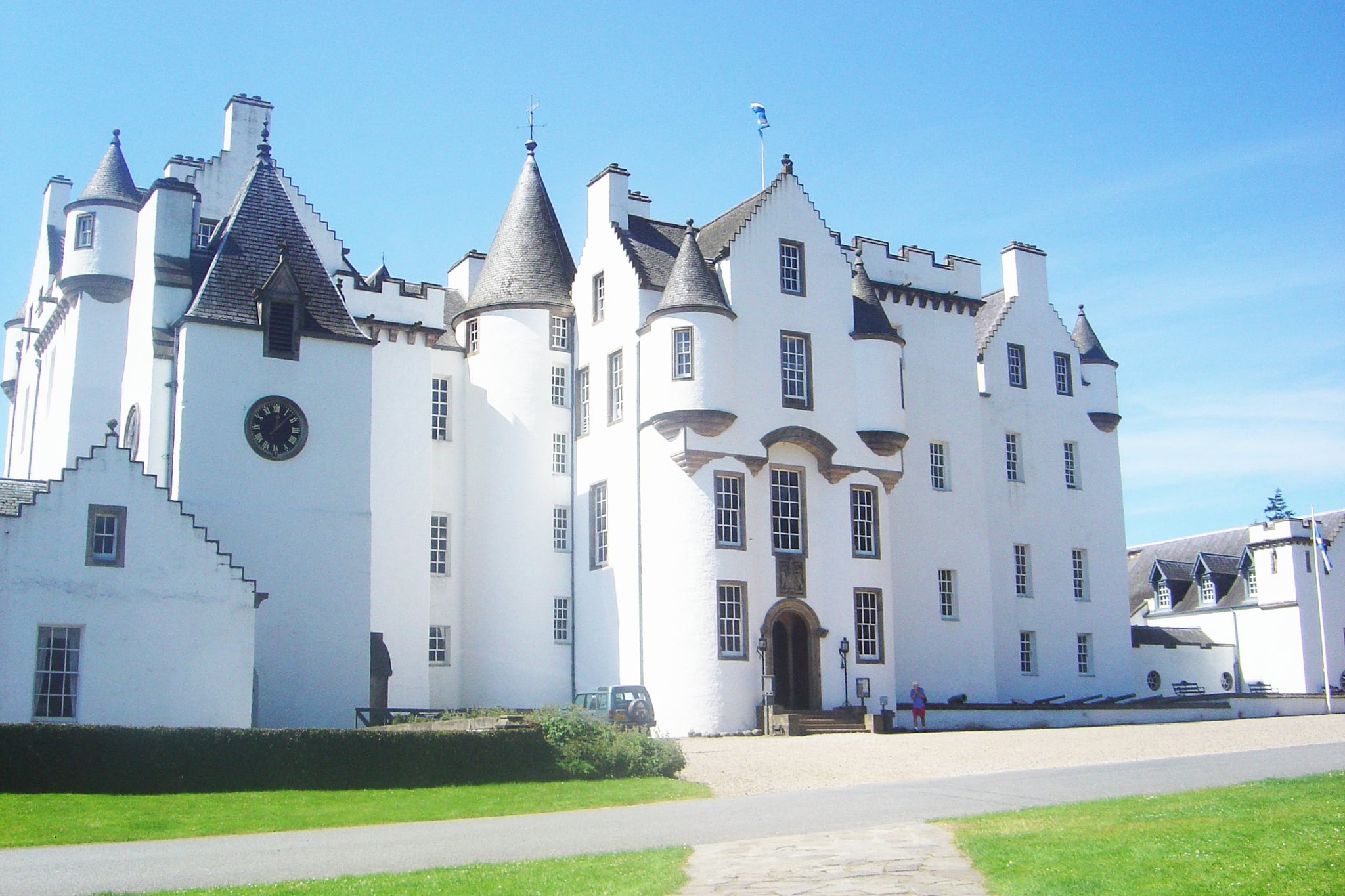
Visit Blair Castle in the morning. The oldest part, Cumming’s Tower, dates from 1269. John Comyn started building it while the Earl of Atholl was away in England. The Earl returned and absorbed the tower into his own castle. The 2nd Duke began turning it into a Georgian mansion in 1740, and Victorian turrets came later.
Blair is home to the Atholl Highlanders, often called the only legal private army in Europe. Queen Victoria stayed at Blair in 1844. The regiment guarded her, and she presented it with colours. The army still parades at the castle.
Make one detour on the road south. Perth Museum holds the Stone of Destiny, which moved there from Edinburgh in 2024. Free entry applied when the museum opened, so check current terms. Then finish the drive to Edinburgh.
Castle fact versus castle fantasy
Scotland loves a good story. Some stories are true. Some are costume. Walter Scott, who did more than anyone to romanticise the country, wrote the following lines in Marmion:
“O what a tangled web we weave, / When first we practise to deceive!”
— Sir Walter Scott, Marmion (1808), Canto VI
Scott meant human lies, not castles. The warning still fits. Here is the honest summary of this route:
- Edinburgh Castle: real and ancient, but rebuilt many times, and the Stone of Destiny no longer sits there.
- Stirling Castle: genuine and strategic, with a restored Renaissance palace.
- Doune Castle: authentic and well preserved, built around 1400.
- Inveraray Castle: an 18th-century Gothic house, not a medieval fortress.
- Kilchurn Castle: a real 15th-century ruin.
- Eilean Donan Castle: a 20th-century reconstruction on a medieval site.
- Cawdor Castle: real, but unrelated to the historical Macbeth.
- Blair Castle: medieval core, Georgian and Victorian shell.
Practical tips before you leave
Do not overpack your days. Two or three castles seen properly beat five seen in a rush. Build slack into every drive. Sheep, roadworks and single-track queues will use it.
Book rooms early for Skye, Glencoe and Fort William in summer. Download offline maps, since mobile signal drops in the glens. Fill your tank whenever a remote station appears. Pack a waterproof jacket, whatever the forecast says.
Have more time? Add Dunnottar Castle near Stonehaven, where the Honours of Scotland were hidden in the 1650s. Add Culloden Battlefield near Inverness for the Jacobite story.
Is a Scotland castle road trip worth it?
Yes. Seven days gives you volcanic rock, royal palaces, ruined lochside towers and a Highland icon. You will drive some of Europe’s best roads. You will probably get wet.
Most of all, you will meet the people behind the stones. Kings, clan chiefs, rebels and rebuilders shaped every castle on this list. Learn which parts are old and which parts are new. Then enjoy all of it.