
Iraq
Castle heritage of iraq: an introduction
Iraq, located at the crossroads of ancient Mesopotamia, is home to a rich heritage of castles and fortifications that reflect its complex history and strategic significance. The country’s landscape is dotted with impressive defensive structures that served as military strongholds, administrative centers, and symbols of power across various empires and periods. From the early Islamic era through the medieval period, fortifications in Iraq reveal layers of cultural and architectural evolution shaped by diverse influences.
The significance of Iraq's castles extends beyond their military function. They embody the architectural ingenuity and historical narratives of civilizations that dominated the region, such as the Abbasids, Seljuks, and later Ottoman rulers. Despite the ravages of time and conflict, many of these fortifications remain standing, offering invaluable insight into the defensive strategies and architectural styles of their eras. Exploring Iraq’s castles allows for a deeper understanding of its role as a pivotal arena in the history of the Middle East.
Continue reading below — scroll for the full article.
Best castles to visit in Iraq
Our editors' picks and the castles visitors save most, ranked. See all 12 castles
- 1
- 2
- 3
- 4
- 5
- 6
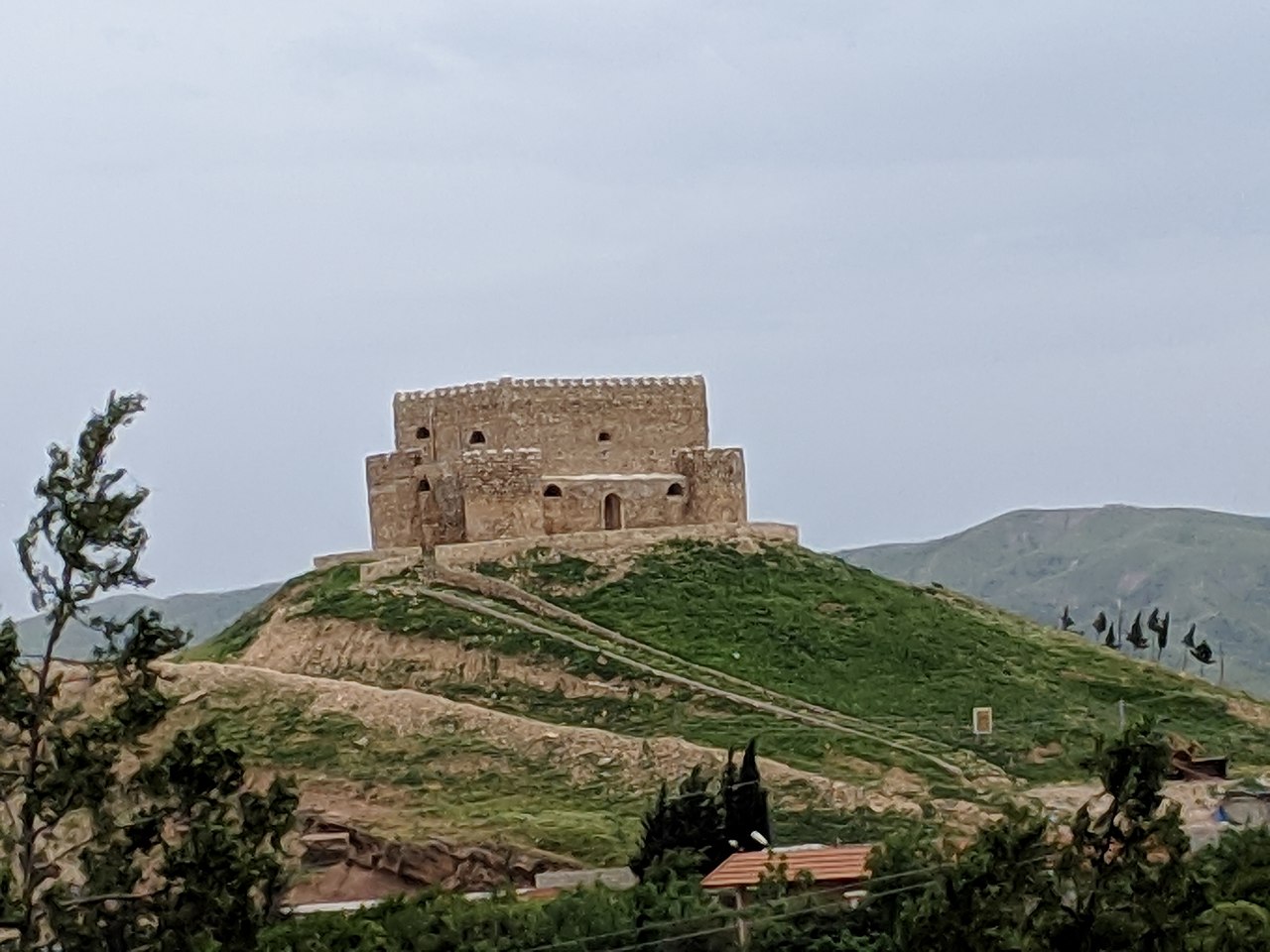
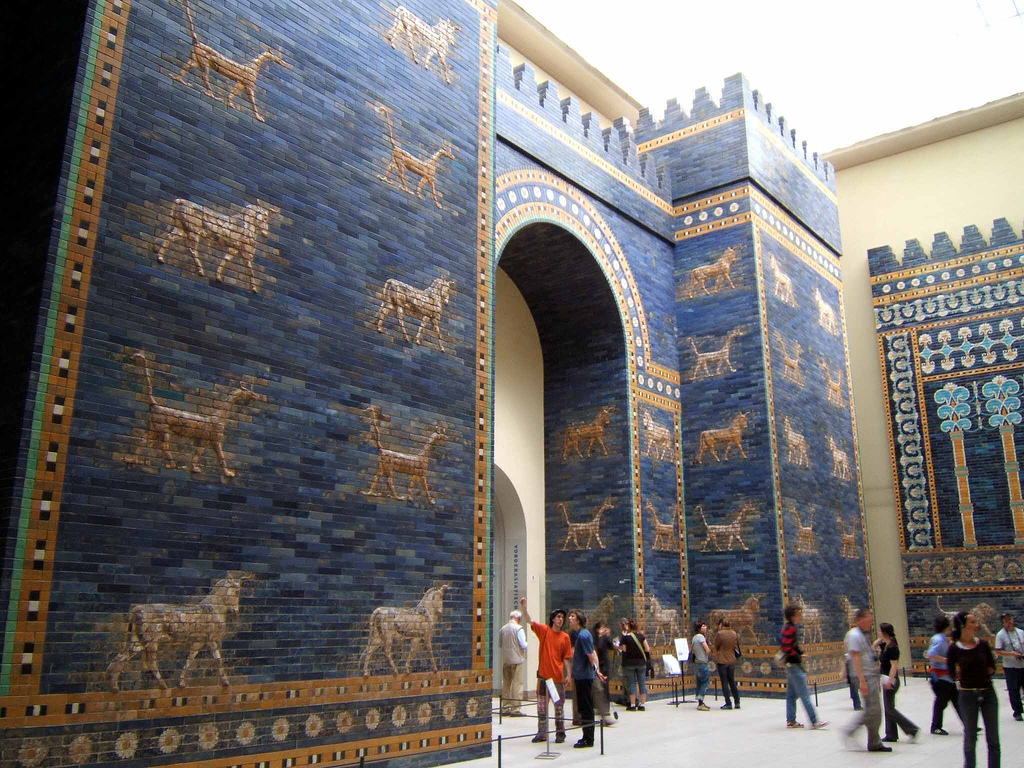
Historical background and medieval period
The medieval period in Iraq, roughly spanning from the 7th century through the 15th century, was characterized by frequent political shifts and military conflicts that necessitated the construction and reinforcement of fortifications. After the Islamic conquests, Iraq became the heartland of the Abbasid Caliphate, with Baghdad emerging as a major political and cultural center. This era saw significant investment in defensive structures to protect cities and trade routes from rival factions and invading armies.
During the Seljuk period in the 11th and 12th centuries, castle building evolved to meet the demands of increasingly sophisticated warfare. Fortresses were often built to secure key positions along the Tigris and Euphrates rivers, vital arteries for commerce and communication. The Mongol invasions in the 13th century also impacted castle construction, prompting the reinforcement of existing structures and the establishment of new fortifications designed to resist siege tactics.
Types of fortifications in iraq
Iraq’s defensive architecture encompasses several types of fortifications, each serving distinct roles in military strategy and governance. These include castles, fortresses, city walls, and smaller fortified outposts.
Castles and fortresses
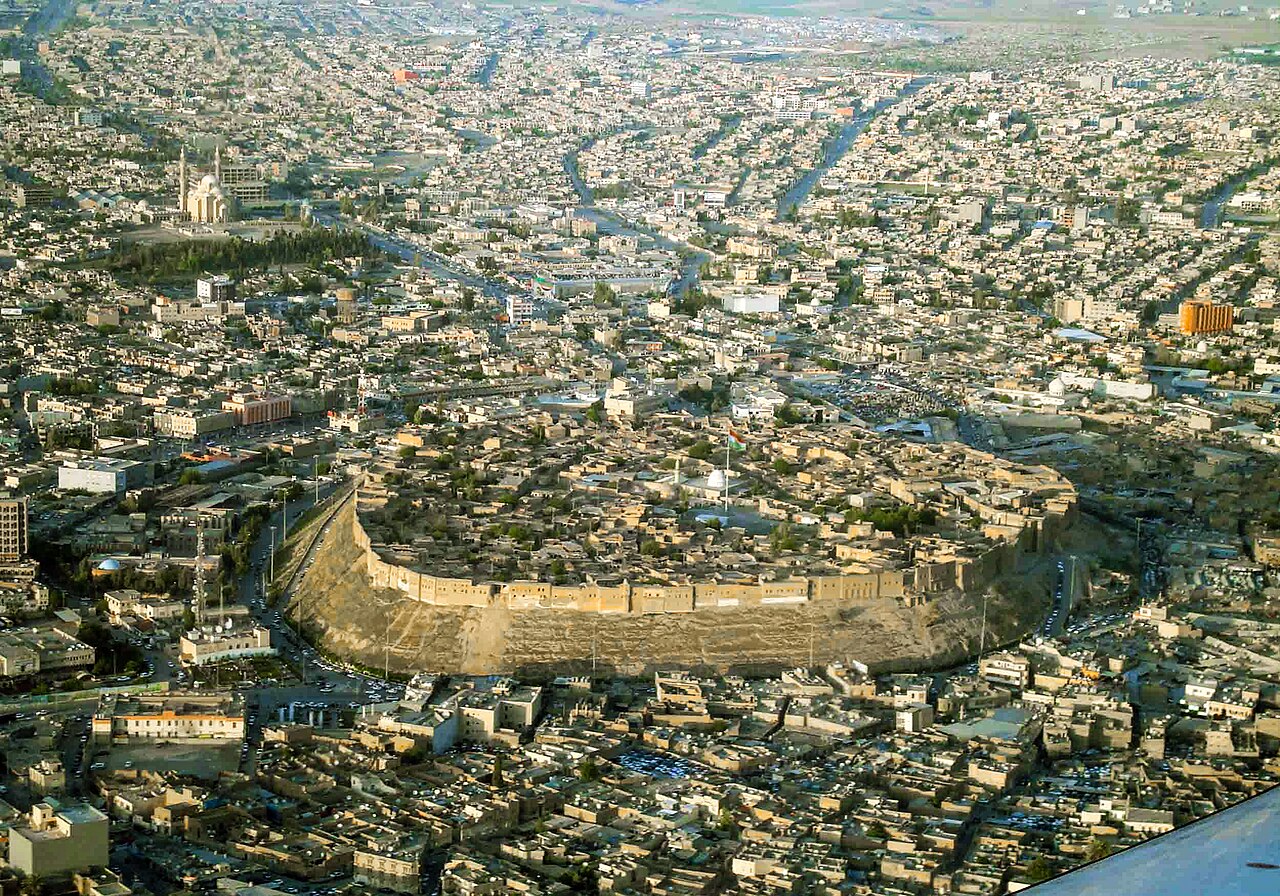
Castles in Iraq were typically built as fortified residences for rulers or military commanders, combining defensive features with administrative functions. Fortresses, on the other hand, often served as purely military installations designed to control strategic points and protect trade routes. The Citadel of Erbil, one of the oldest continuously inhabited settlements in the world, exemplifies a fortress that functioned as both a stronghold and a hub of governance.
Defensive walls and city fortifications
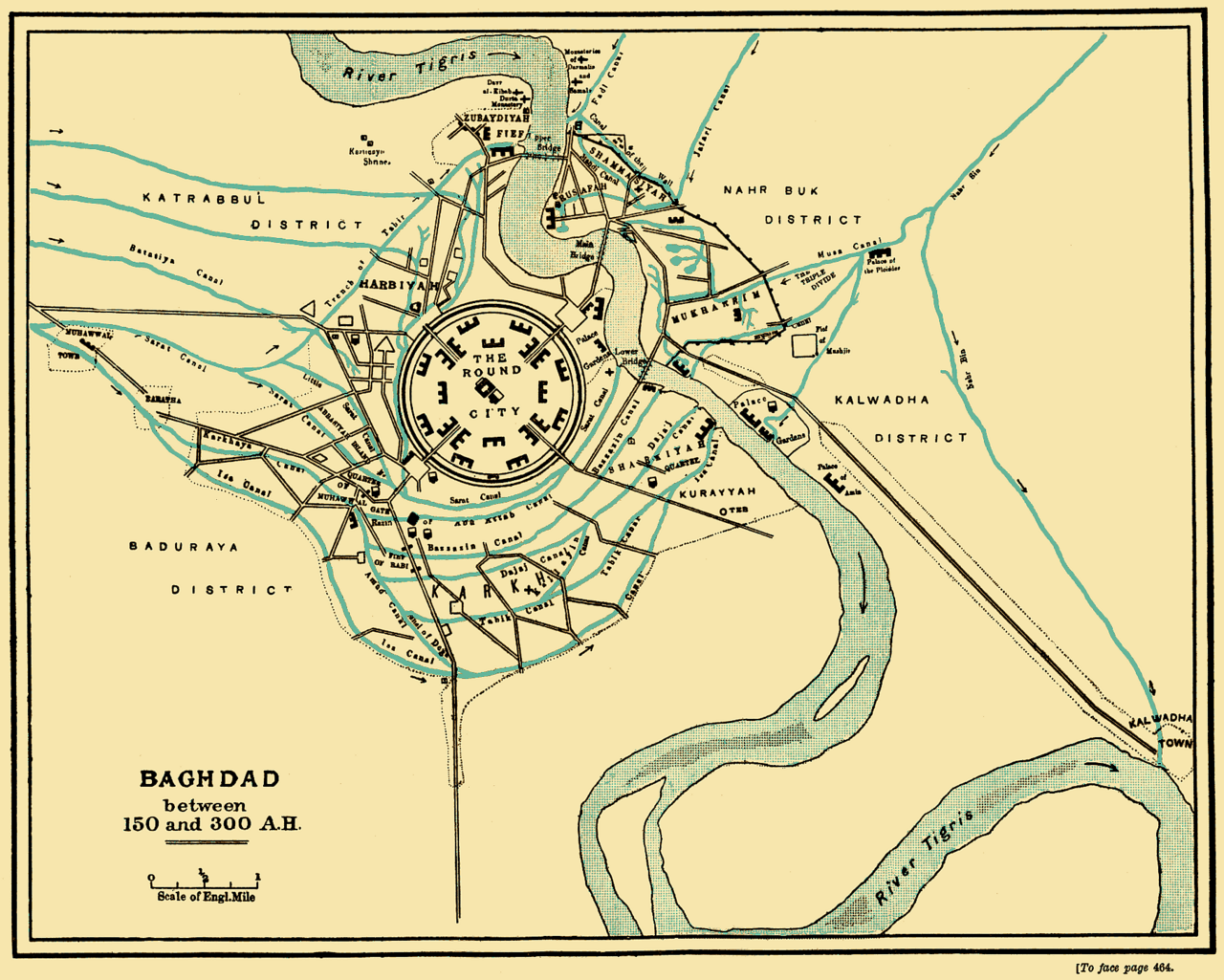
Many Iraqi cities were encircled by defensive walls, constructed to protect inhabitants from external threats. Baghdad, during its peak under the Abbasids, was surrounded by massive walls with multiple gates and watchtowers. These walls were not only military defenses but also symbols of the city’s prestige and importance.
Smaller fortifications and watchtowers
Alongside major castles and city walls, smaller fortifications such as watchtowers and outposts were common. These structures provided early warning of approaching enemies and secured less accessible or remote areas. Their presence underscores the layered nature of Iraq’s defensive network.
Architectural styles and influences
The architecture of Iraq’s castles and fortifications reflects a blend of indigenous Mesopotamian traditions and external influences brought by successive empires. The use of mudbrick and stone was common, adapted to local materials and climatic conditions. Defensive features such as thick walls, rounded towers, and battlements became standard elements in castle design.
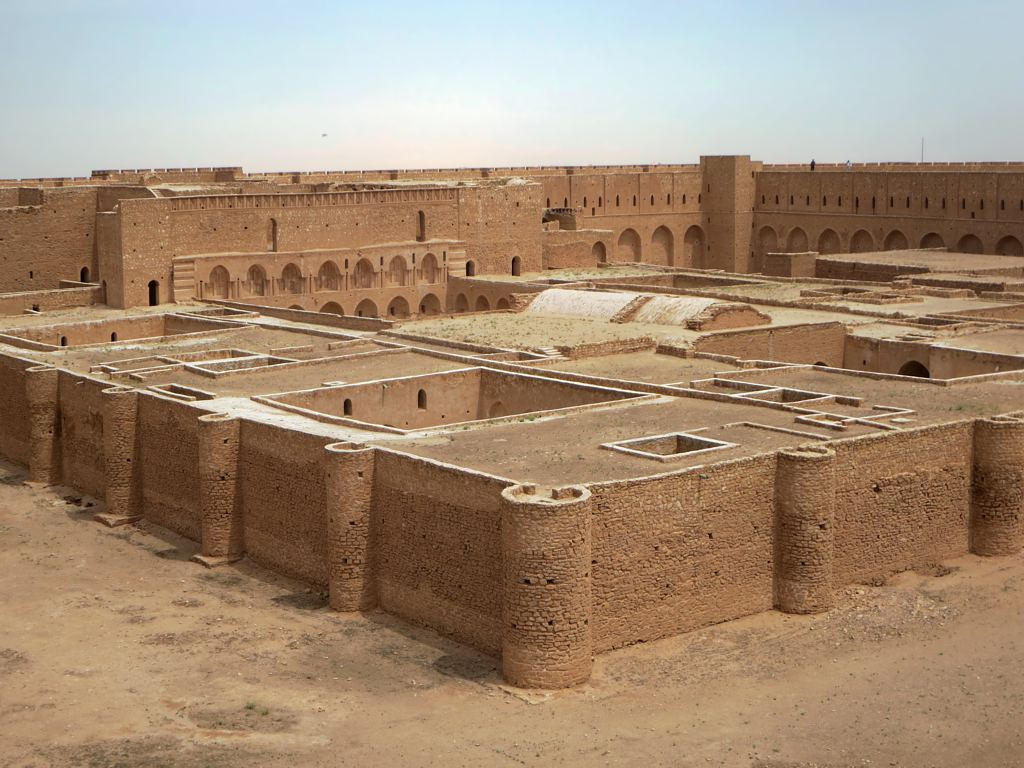
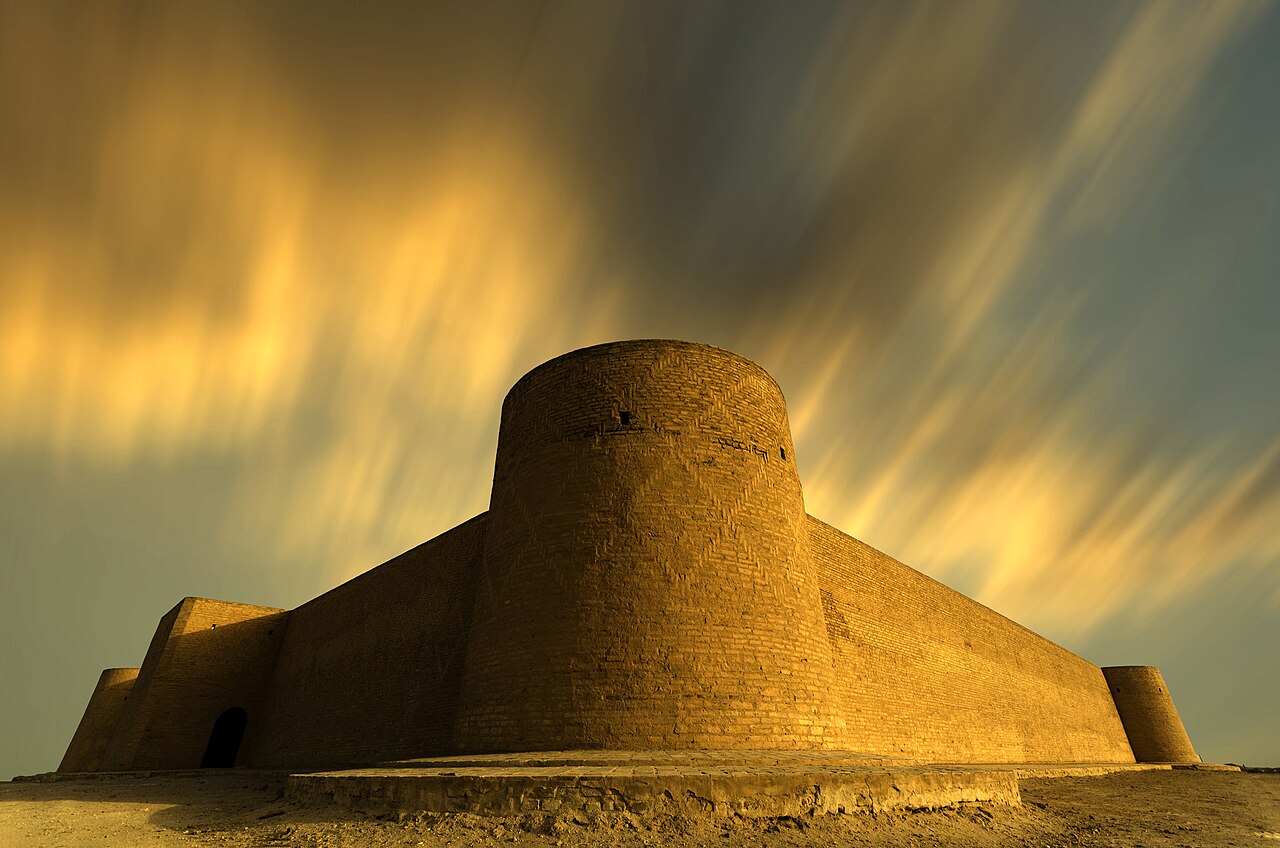
Islamic architectural principles introduced during the Abbasid era emphasized functionality combined with aesthetic refinement. Structures often incorporated intricate brickwork patterns and geometric designs, visible in the Citadel of Erbil and the fortress of Al-Ukhaidir. Seljuk influences introduced innovations such as pointed arches and vaulted chambers, enhancing both the strength and visual impact of fortifications.
Later Ottoman modifications often included the addition of gunpowder-era bastions and reinforced ramparts, adapting older castles to the evolving demands of warfare. These layers of architectural styles demonstrate Iraq’s role as a nexus of cultural and military exchange.
Regional variations in castle heritage
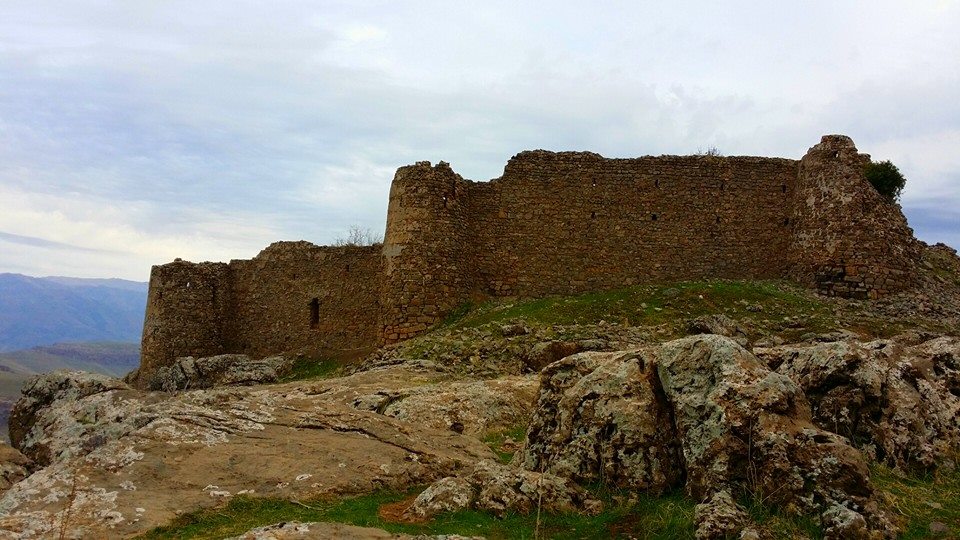
Iraq’s diverse geography has influenced regional differences in castle construction and design. Northern Iraq, with its mountainous terrain, features fortifications built to exploit natural elevations, such as the rugged hilltop Citadel of Erbil. These castles often have irregular shapes conforming to the topography, providing natural defensive advantages.
In central and southern Iraq, where the landscape is dominated by river plains and marshlands, fortifications tend to be more linear and incorporate water defenses. The fortress of Al-Ukhaidir, located in the desert south of Baghdad, showcases a unique layout with large courtyards and massive enclosing walls that reflect both defensive needs and the region’s climatic conditions.
The proximity to trade routes also influenced castle placement and design. Fortresses near the Silk Road or along the Euphrates were equipped to serve as customs posts and protection points for caravans, integrating military and economic functions.
Notable periods of castle construction
Castle building in Iraq peaked during certain historical intervals aligned with political stability and military threats. The Abbasid Caliphate (8th to 13th centuries) initiated many large urban fortifications, including the walls of Baghdad and the establishment of citadels across the region. This period emphasized the integration of defensive structures within the urban fabric.
The Seljuk era (11th to 12th centuries) witnessed a surge in castle construction, driven by the need to consolidate power and defend against Crusader and Mongol incursions. Castles from this time often combined military robustness with architectural sophistication.
The Mongol invasions in the 13th century caused widespread destruction but also led to the rebuilding and reinforcement of existing fortifications to adapt to new siege technologies. Later, during Ottoman rule, many castles were refurbished to incorporate artillery defenses, marking a transition into early modern fortification techniques.
Preservation and current state of iraqi castles
Many of Iraq’s historic castles have endured centuries of conflict, natural decay, and neglect. The Citadel of Erbil remains one of the best-preserved examples, continuously inhabited and recognized as a UNESCO World Heritage site. It serves as a testament to the resilience of Iraqi heritage.
Other castles, such as Al-Ukhaidir Fortress, are in varying states of preservation. Some have been partially restored, while others suffer from erosion and damage caused by warfare and urban encroachment. Efforts by local authorities and international organizations aim to protect and rehabilitate these sites, though challenges remain due to political instability and limited resources.
Castle tourism and accessibility in iraq
Castle tourism in Iraq offers a unique opportunity to explore ancient history and architectural marvels. The Citadel of Erbil attracts visitors interested in its impressive fortifications and cultural significance. Tourist infrastructure is gradually improving, with guided tours and informational resources enhancing visitor experiences.
Access to other sites, such as Al-Ukhaidir Fortress, can be more limited due to their remote locations and security concerns. Nevertheless, increased awareness of Iraq’s castle heritage encourages both domestic and international tourism, contributing to cultural preservation and economic development.
Cultural significance and heritage of iraqi fortifications
Iraq’s castles and fortifications are more than military relics; they are living symbols of the country’s rich and diverse history. They embody the confluence of civilizations, each leaving a distinct imprint on the landscape and culture. These structures have inspired local folklore, literature, and art, underscoring their enduring place in Iraqi identity.
Preserving these castles is crucial for understanding the historical dynamics of the Middle East and for educating future generations about Iraq’s role as a cradle of civilization. Their heritage fosters national pride and offers a tangible connection to the past amidst the complexities of the present.
Castles in Iraq
Discover 12 magnificent castles across the country
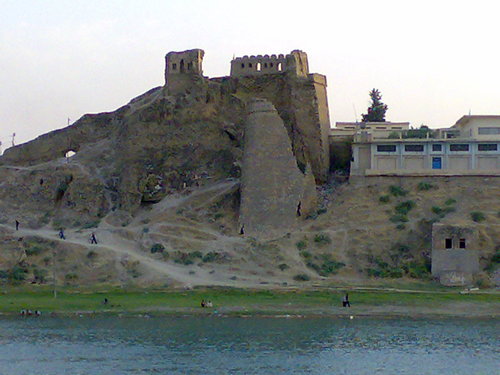


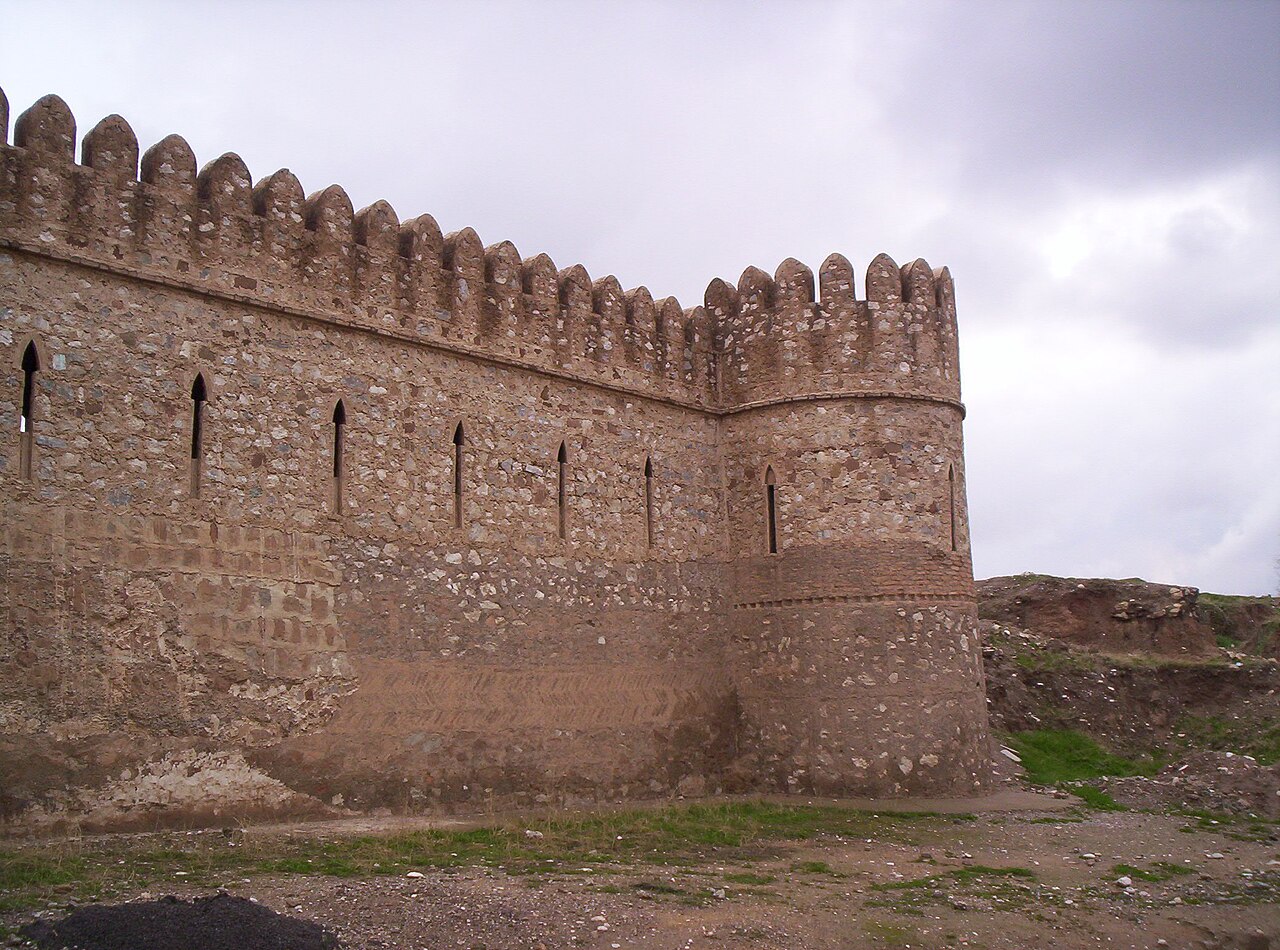
Castle Locations in Iraq
Explore all castle locations on an interactive map
Loading castle locations...