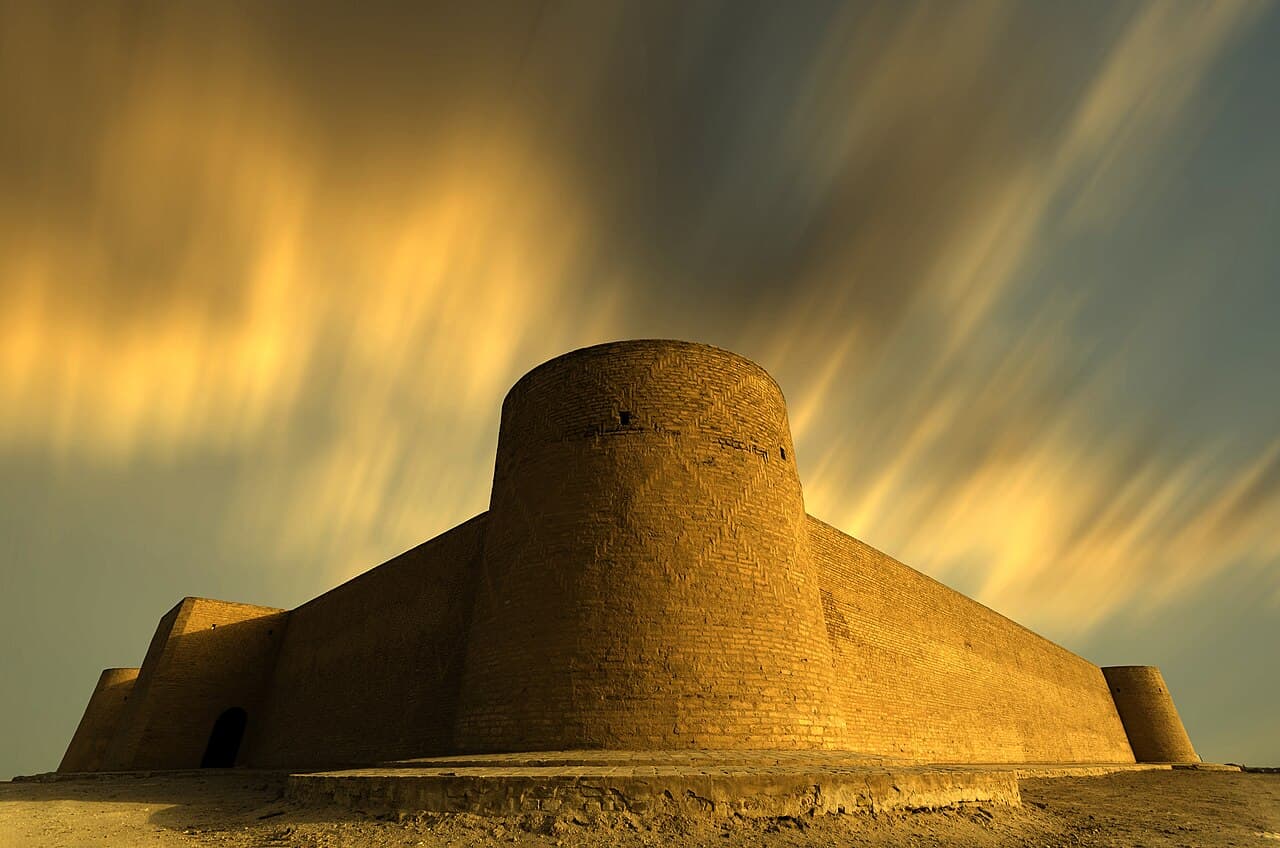
Zarb Castle is an ancient fortress located in Iraq, classified as a hill castle due to its strategic position atop elevated terrain. This placement allowed it to serve as a formidable defensive stronghold, overseeing the surrounding landscape and controlling key routes. While specific details about its founding and history remain limited, its architectural form and location reflect common military strategies employed in the region throughout antiquity and the medieval period.
Location and strategic importance
Situated on a prominent hill, Zarb Castle commands expansive views of the surrounding area, a typical feature of hill castles designed to provide early warning against approaching enemies. The elevated position not only enhanced its defensive capabilities but also symbolized authority and control over the nearby lands. Castles like Zarb were often vital in controlling trade routes and local settlements, contributing to regional security and governance.
Architectural features and construction
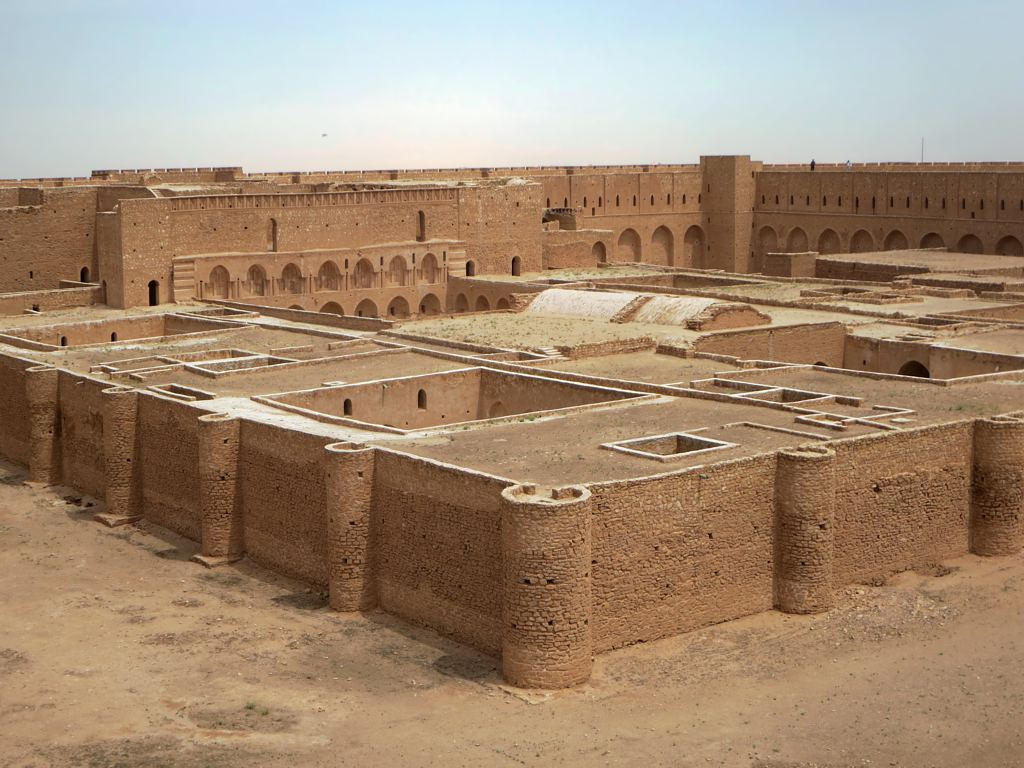
The castle's construction likely incorporates traditional defensive elements such as thick stone walls, battlements, and possibly towers or keeps, although detailed archaeological studies are scarce. The use of local stone materials would have been common, providing durability and blending the structure with its natural environment. The layout probably includes a central courtyard, surrounded by fortified walls, with access points designed to be easily defensible.
Defensive structures
Zarb Castle would have featured key defensive components such as curtain walls and possibly a gatehouse to control entry. The hilltop location itself acts as a natural defense, making direct assaults difficult. Defensive towers or bastions may have been placed at strategic points along the walls to allow archers and guards to monitor and repel attackers effectively.
Historical context and significance
While specific historical records about Zarb Castle are limited, castles of this type in Iraq often date back to periods ranging from the early medieval era to later centuries, reflecting the region's complex history of conflict and cultural exchange. Such fortifications were crucial during times of political instability, invasions, and local power struggles. They served not only military purposes but also as administrative centers and symbols of ruling authority.
Current condition and preservation
The present condition of Zarb Castle is not extensively documented, but like many ancient fortresses in the region, it may be in a state of partial preservation or ruin. Environmental factors, historical conflicts, and limited restoration efforts can affect the integrity of such sites. Preservation of these castles is important for understanding the architectural and historical heritage of Iraq.
Visiting Zarb Castle
Due to limited public information, visiting details such as access, opening hours, and facilities at Zarb Castle are not well established. Potential visitors interested in historical architecture and ancient fortifications should seek updated local sources or guides when planning a visit.
Frequently asked questions (FAQ)
- Where is Zarb Castle located?
- Zarb Castle is located in Iraq on a hilltop, providing strategic views of the surrounding area.
- What type of castle is Zarb Castle?
- Zarb Castle is classified as a hill castle, built on elevated terrain for defensive advantage.
- Can I visit Zarb Castle?
- Visiting information for Zarb Castle is limited, so it is recommended to check local sources for access details.
- What architectural features does Zarb Castle have?
- Zarb Castle likely features thick stone walls, battlements, and defensive towers typical of hill castles in the region.
Photo gallery

Information
Loading map...
Visitor reviews
No reviews yet. Been here? Write the first review and help other travelers!
Write the first reviewVisited this castle? Share your experience
Your review helps other travelers and adds first-hand knowledge to our encyclopedia.