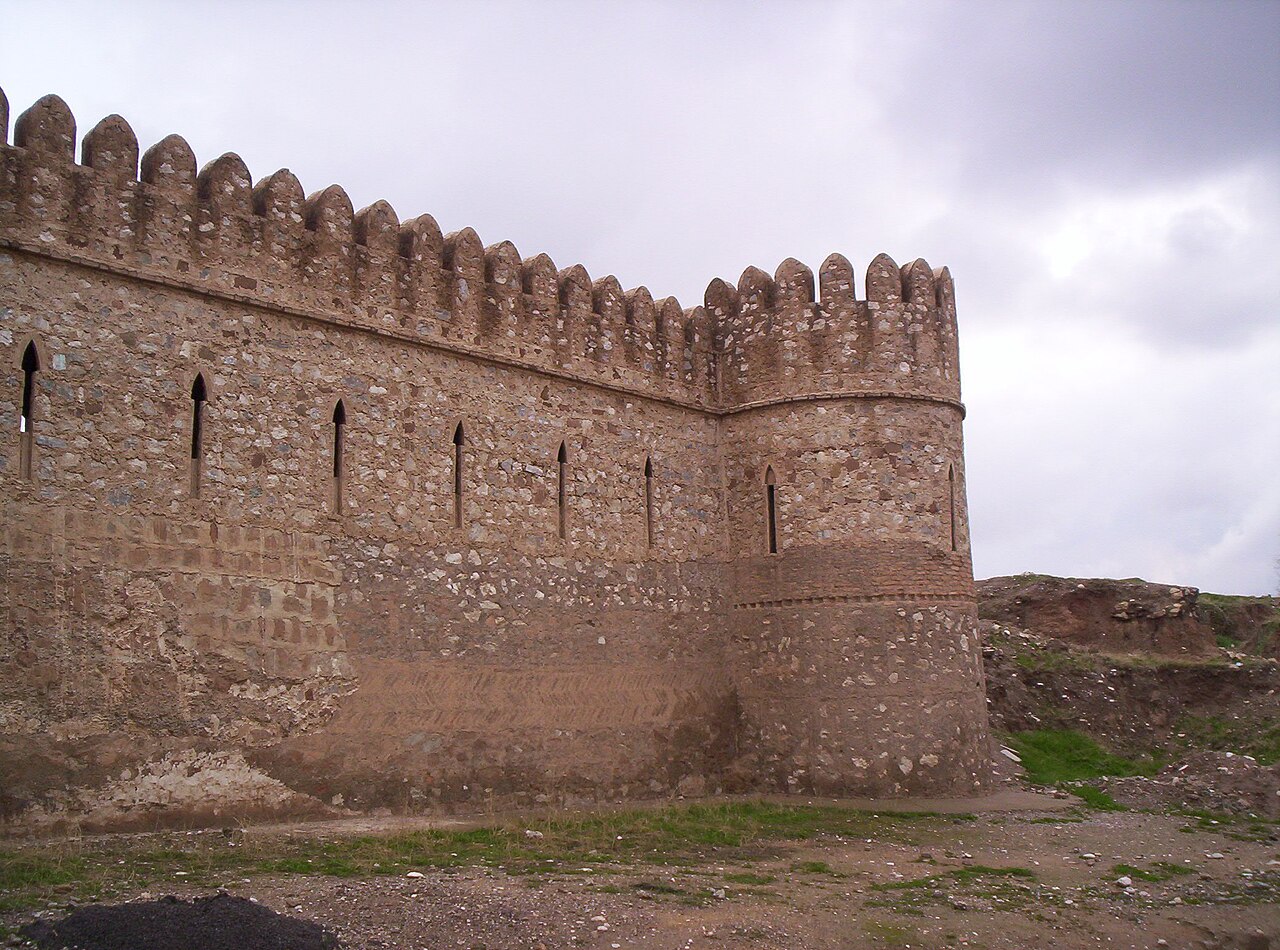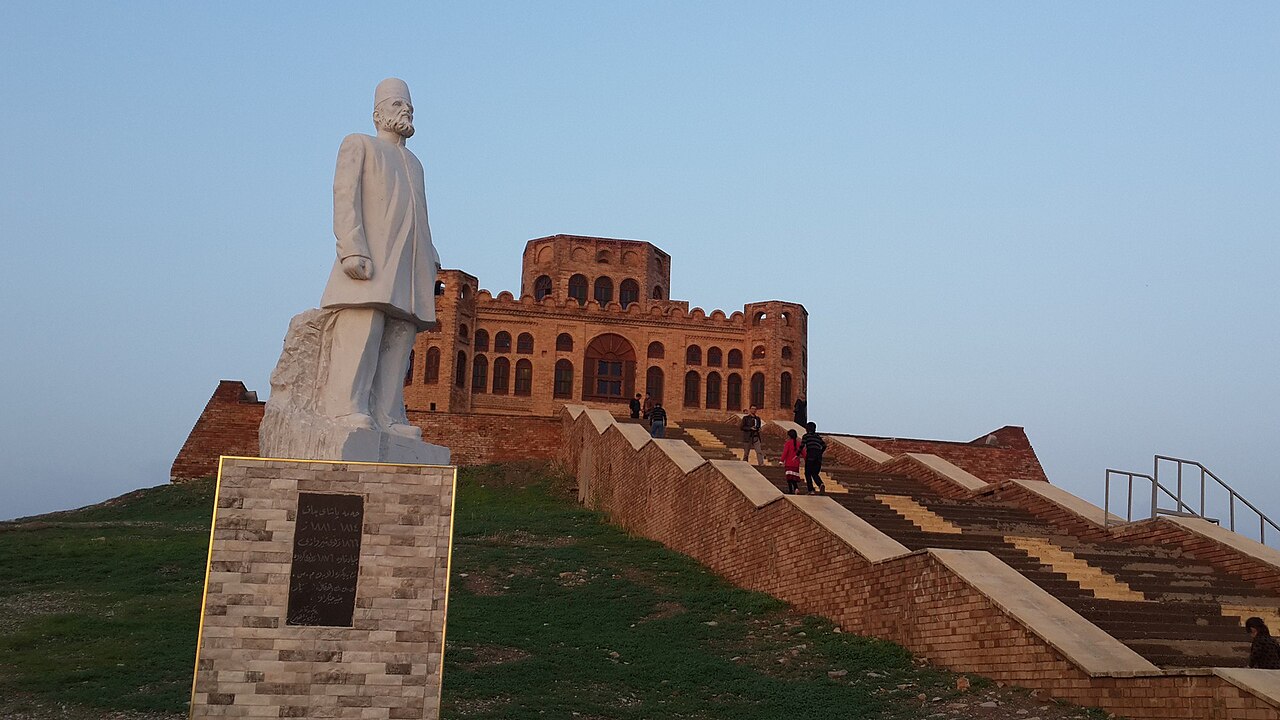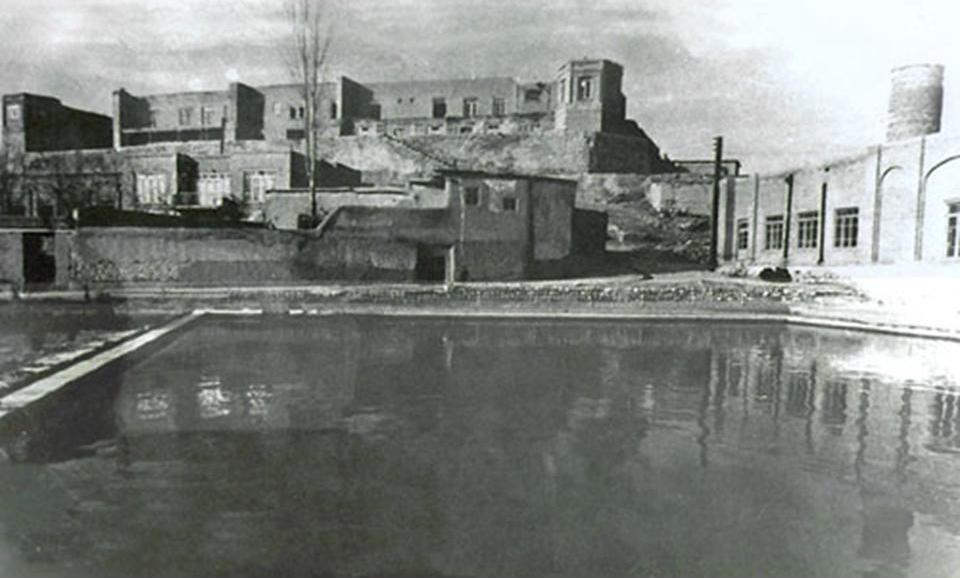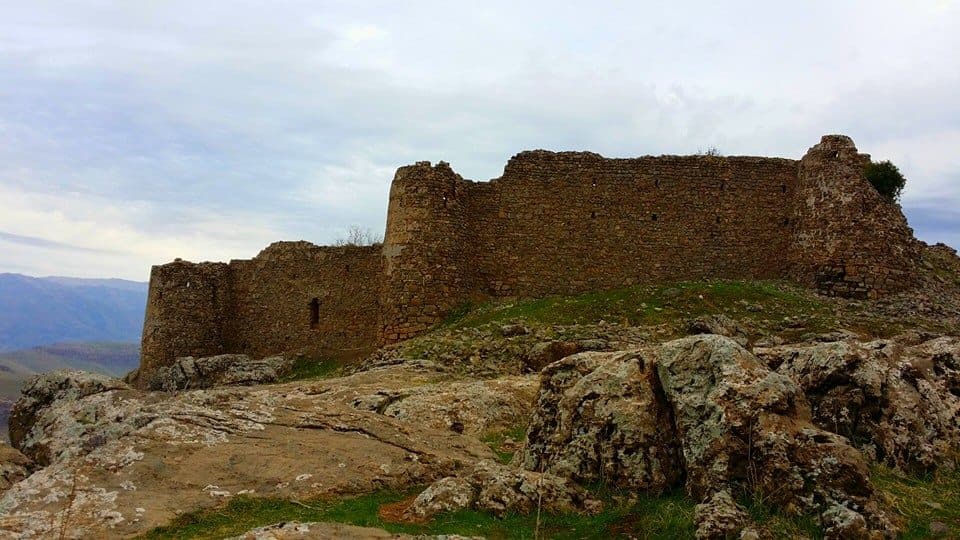
Sarvjak Castle, locally known as "Stone and Lime Castle," is a significant archaeological site located in the Kurdistan Region of Iraq. Perched prominently on a hill, this ruined castle offers valuable insight into the region's medieval defensive architecture and historical governance. The castle's strategic hilltop position provided natural fortification, making it a formidable stronghold in its time.
The castle's most notable historical role was serving as a prison during the rule of the Baban dynasty, a Kurdish principality that governed parts of the region from the 17th to the 19th centuries. This use reflects the castle's adaptation from a military fortress to a center of administrative control and incarceration.
Architectural features and layout
While much of Sarvjak Castle remains in ruins, archaeological surveys reveal the remnants of stone and lime masonry construction, which was typical for fortifications in the region. The use of locally sourced stone and lime mortar contributed to the castle's durability and the preservation of its remains.
The castle's hilltop location allowed for a commanding view of the surrounding landscape, providing early warning against approaching enemies. Defensive features likely included thick walls, battlements, and possibly towers or lookout posts, although detailed structural elements are difficult to discern due to the ruinous state.
Defensive advantages of the hilltop site
The elevation of the castle on a hill gave it a significant tactical advantage, as attackers would have to ascend steep slopes under defensive fire. This natural defense was augmented by man-made fortifications, enhancing the castle's role as a secure prison and military site.
Historical context and significance
The Baban dynasty, which utilized Sarvjak Castle as a prison, was an influential Kurdish ruling family that played a key role in the political landscape of the region. The castle's use during their rule highlights its importance not only as a military installation but also as a center for maintaining law and order.
Although the exact date of construction is uncertain, the castle's architectural style and materials suggest a medieval origin, consistent with other regional fortifications built between the late medieval and early modern periods.
Current condition and archaeological importance
Today, Sarvjak Castle stands as ruins, with only fragments of its original structure surviving. Despite this, it remains an important cultural heritage site within the Kurdistan Region, attracting interest from historians and archaeologists studying Kurdish history and medieval fortifications.
Preservation efforts are limited, but the site continues to offer valuable opportunities for research into the construction techniques and historical uses of hilltop castles in northern Iraq.
Visiting Sarvjak Castle
Access to the castle may be challenging due to its remote location and the ruinous state of the structure. Visitors interested in exploring the site should prepare for a hike up the hill and take necessary precautions for safety. The castle provides a unique glimpse into the region's past and the legacy of the Baban dynasty.
Frequently asked questions (FAQ)
- How do I get to Sarvjak Castle?
- Sarvjak Castle is located in Iraq, and the best way to reach it is by car or local transport. It is situated near the city of Erbil, making it accessible for visitors traveling from there. Make sure to check local travel advisories and routes before your visit.
- What is the historical significance of Sarvjak Castle?
- Sarvjak Castle has a rich history that dates back to the medieval period, serving as a strategic military fortress. It played a key role in the defense of the surrounding region and has witnessed numerous historical events. Today, it stands as a testament to the architectural and cultural heritage of Iraq.
- When was Sarvjak Castle built?
- Sarvjak Castle was originally constructed in the 12th century, showcasing the architectural styles of that era. Over the centuries, it has undergone various renovations and restorations, preserving its historical importance. The castle reflects the evolution of military architecture in the region throughout history.
- Can I visit Sarvjak Castle year-round?
- Yes, Sarvjak Castle is open to visitors year-round, although some accessibility may vary with weather conditions. The best time to visit is during the spring and autumn months when the weather is pleasant. Always check local conditions before planning your trip.
- Why is Sarvjak Castle considered an architectural marvel?
- Sarvjak Castle is renowned for its impressive fortifications and unique design that blends with the surrounding landscape. Its thick walls and strategic layout illustrate the military ingenuity of the time. Visitors often admire the craftsmanship that has stood the test of time.
- Is it possible to take guided tours of Sarvjak Castle?
- Yes, guided tours of Sarvjak Castle are available, offering visitors insightful information about its history and architecture. These tours often include knowledgeable guides who can enhance your understanding of the site. Booking in advance is recommended to ensure a spot on the tour.
- What are the opening hours for Sarvjak Castle?
- Sarvjak Castle typically opens at 9 AM and closes at 5 PM, but these hours may vary seasonally. It is advisable to check the official website or local tourist information for the most current opening hours before your visit. Arriving early can help you avoid crowds and enjoy the site more fully.
- Are there any ticket prices for visiting Sarvjak Castle?
- Yes, there is a nominal entrance fee to visit Sarvjak Castle, which helps support its maintenance and preservation. Ticket prices may vary for locals and international visitors, so be sure to check before your visit. Discounts may be available for groups or students.
- What nearby attractions can I visit while at Sarvjak Castle?
- While visiting Sarvjak Castle, you can also explore other historical sites in the area, such as the Erbil Citadel and the Kurdish Heritage Museum. Additionally, the lush landscapes surrounding the castle offer opportunities for hiking and photography. Make a day of it by enjoying the rich culture and history of the region.
Photo gallery

Information
Loading map...
Visitor reviews
No reviews yet. Been here? Write the first review and help other travelers!
Write the first reviewVisited this castle? Share your experience
Your review helps other travelers and adds first-hand knowledge to our encyclopedia.