Kirkuk Citadel
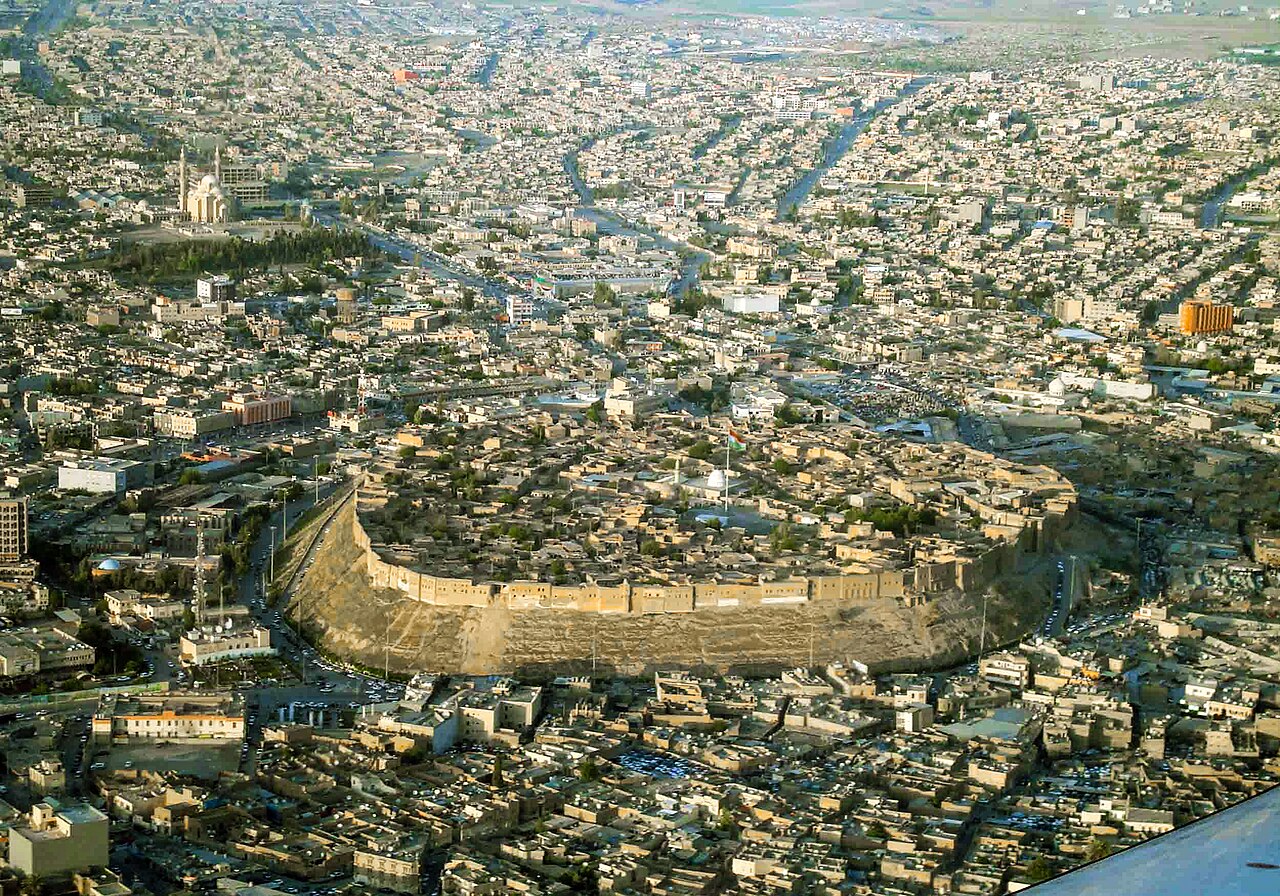
The Kirkuk Citadel (Arabic: قلعة كركوك; Kurdish: قەڵای کەرکووک; Turkish: Kerkük Kalesi) is a prominent archaeological site and the oldest part of the city of Kirkuk, Iraq. This ancient fortress stands atop a 40-metre-high tell on a plateau overlooking the Khasa River, marking it as a strategic and historically significant location. The citadel's origins date back to the 8th century BC, making it one of the oldest continuously inhabited sites in the region.
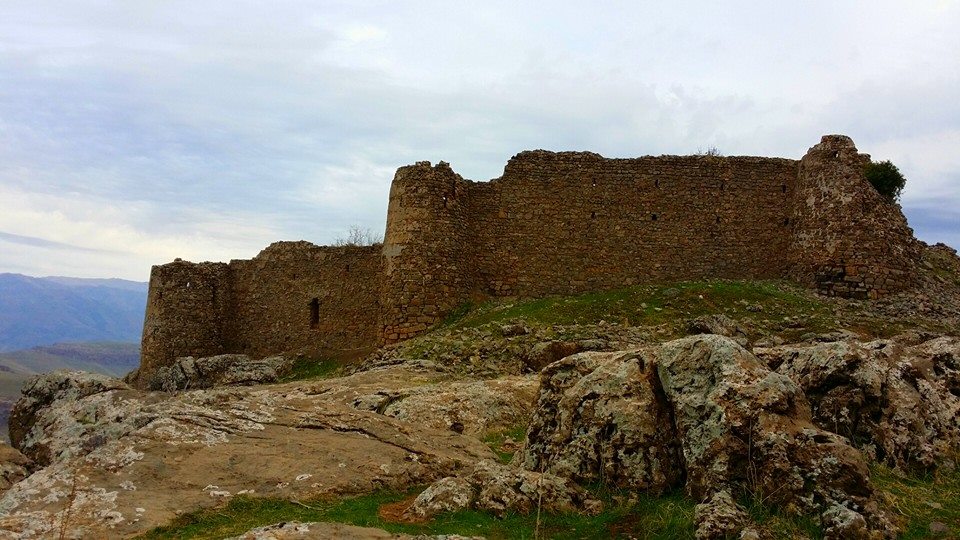
Although much of the original structure has been lost or demolished over time, the citadel still retains several important elements, including mosques, tombs, and traditional houses that reflect its rich cultural and religious history. The site exemplifies the layers of human settlement and architectural evolution spanning from ancient Mesopotamian civilizations through the Islamic Golden Age and into more recent centuries.
Historical significance and cultural diversity
Kirkuk has historically been a multicultural city with a majority Turcoman population alongside Kurds, Arabs, Christians, and Jews. The citadel itself was a hub of religious, economic, and social activity for centuries. It housed numerous markets and mosques, some dating back to the Islamic Golden Age, bearing the names of prominent local figures and patrons.
The citadel was also a center for Sufi religious orders, particularly the Qadiriyya Order, which influenced the area through several takiyya (Sufi monasteries or lodges). These establishments served as spiritual centers and places of learning. Additionally, the citadel contains sites dedicated to Christian and Jewish worship, illustrating the area's religious plurality.
The tomb of the prophet Daniel
Among the notable religious sites within the citadel is a shrine claimed to be the burial place of the Abrahamic prophet Daniel. This claim adds to the citadel's religious and cultural significance, attracting pilgrims and visitors interested in the shared heritage of Judaism, Christianity, and Islam.
Architectural features and urban fabric
The citadel's position on a high tell provided natural defensive advantages, typical of early medieval fortifications in Mesopotamia. The remnants of the citadel reveal a complex urban fabric with narrow streets, residential quarters, and public buildings arranged within the defensive walls.
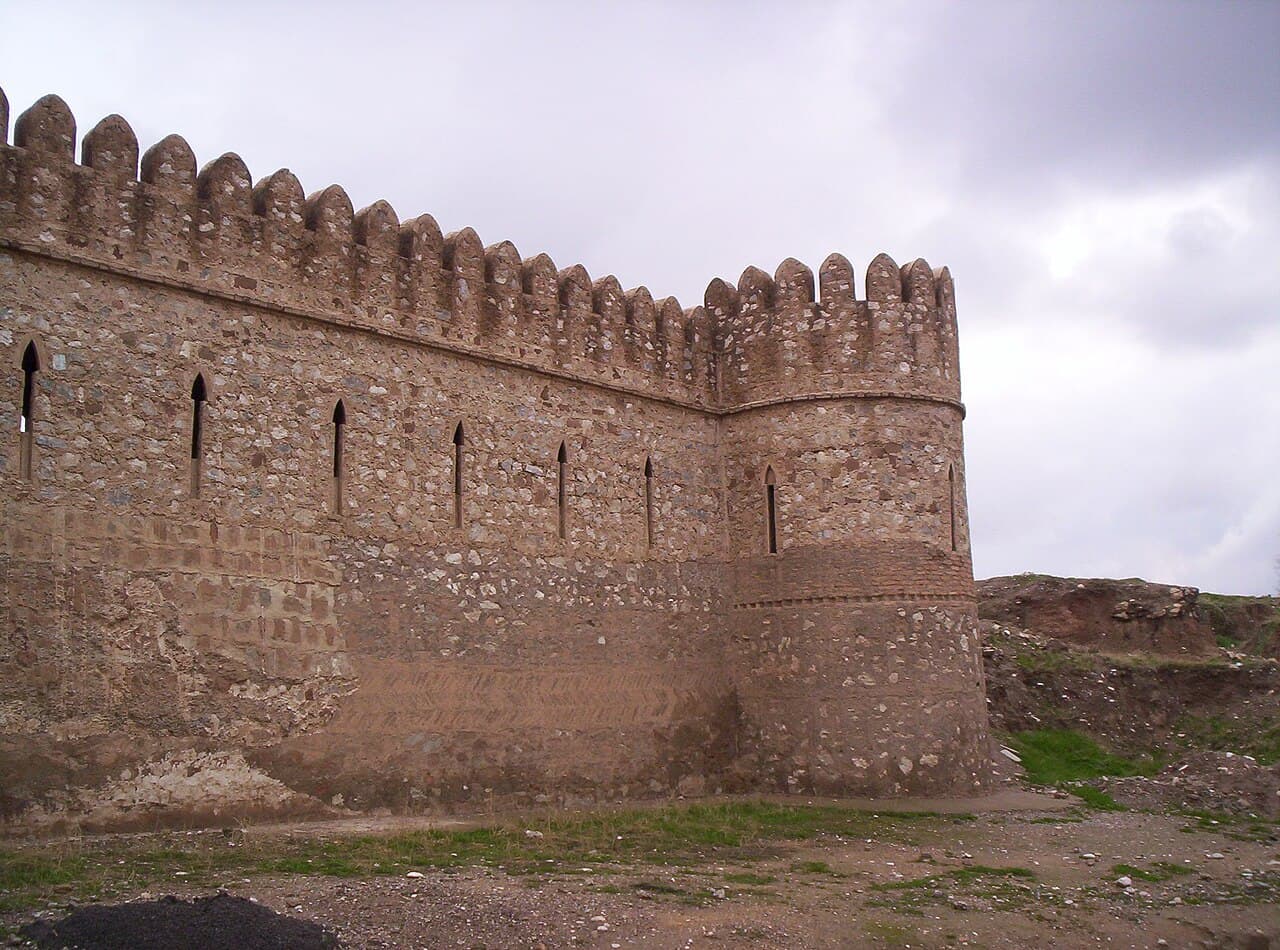
Key architectural elements include the remains of fortification walls, gateways, and the foundations of various public and religious buildings. The surviving mosques exhibit architectural styles from different periods, reflecting the evolution of Islamic architecture in the region.
Preservation and current condition
Today, the Kirkuk Citadel is classified as archaeological ruins with much of its original structure in a state of ruin. Efforts to preserve and study the site have increased in recent years, especially following its addition to the UNESCO tentative list in April 2021. The designation highlights the citadel's authentic ancient urban fabric and its social and historical value.
Despite the challenges posed by urban development and conflict in the region, the citadel remains a key symbol of Kirkuk's historical identity and cultural heritage. Preservation initiatives aim to protect the remaining structures and promote awareness of the site's importance.
UNESCO tentative listing and heritage recognition
The inclusion of the Kirkuk Citadel on the UNESCO tentative list underscores its significance as a cultural landmark. Covering an area of approximately 42.5 hectares (105 acres), the site is recognized for its continuous habitation, its role as a cultural crossroads, and its well-preserved ancient urban layout.
This recognition opens opportunities for international cooperation in conservation, research, and sustainable tourism development, which are vital for the citadel's future protection and appreciation.
Visiting the citadel
Visitors to the Kirkuk Citadel can explore its remaining structures and experience the layered history of this ancient city. The site offers insights into the diverse religious traditions and architectural styles that have shaped Kirkuk over millennia.
While much of the citadel is in ruins, the surviving mosques, tombs, and houses provide tangible connections to the past. The citadel's location on a high plateau offers panoramic views of Kirkuk and the surrounding landscape, enhancing the visitor experience.
Frequently asked questions (FAQ)
- What is the historical significance of Kirkuk Citadel?
- Kirkuk Citadel is a prominent historical site that dates back to ancient times, serving as a fortress and administrative center. Its strategic location has made it a focal point for various civilizations, including the Assyrians, Babylonians, and Ottomans, reflecting the rich cultural history of the region.
- When was Kirkuk Citadel built?
- The origins of Kirkuk Citadel can be traced back to the 8th century BC, although it has undergone numerous renovations and expansions over the centuries. The structure we see today showcases a blend of architectural styles that have evolved through different periods of occupation and influence.
- Can I visit Kirkuk Citadel?
- Yes, visitors are welcome to explore Kirkuk Citadel, which offers stunning views of the surrounding area and insight into its historical significance. It’s advisable to check local guidelines and any travel advisories before planning your visit for the best experience.
- What are the opening hours of Kirkuk Citadel?
- Kirkuk Citadel is typically open to visitors from 9 AM to 5 PM daily, but hours may vary depending on the season or local holidays. It’s a good idea to verify current hours before your visit to ensure you have ample time to explore.
- Is it accessible for visitors with disabilities?
- Kirkuk Citadel has some accessibility features, but due to its historical nature and the terrain, certain areas may not be fully accessible for individuals with mobility challenges. It’s recommended to check in advance and plan your visit accordingly.
- What is the best time to visit Kirkuk Citadel?
- The best time to visit Kirkuk Citadel is during the spring (March to May) and autumn (September to November) when the weather is mild and pleasant for exploration. Summer can be quite hot, while winter may bring cooler temperatures, so plan accordingly.
- Are there any nearby attractions to explore?
- Yes, there are several nearby attractions, including the Kirkuk Museum, which showcases artifacts from the region's rich history. Additionally, the nearby Al-Qushla building and the local bazaars provide a deeper insight into the culture and daily life of Kirkuk.
- What are the ticket prices for visiting Kirkuk Citadel?
- Ticket prices for Kirkuk Citadel are quite affordable, with general admission often costing just a few dollars. It’s advisable to check for any updated pricing or special discounts for groups or students before your visit.
Photo gallery

Photo by Chad.r.hill at English Wikipedia•Public domain
Information
Current owner
Municipality of Kirkuk
Loading map...
Visitor reviews
No reviews yet. Been here? Write the first review and help other travelers!
Write the first reviewVisited this castle? Share your experience
Your review helps other travelers and adds first-hand knowledge to our encyclopedia.