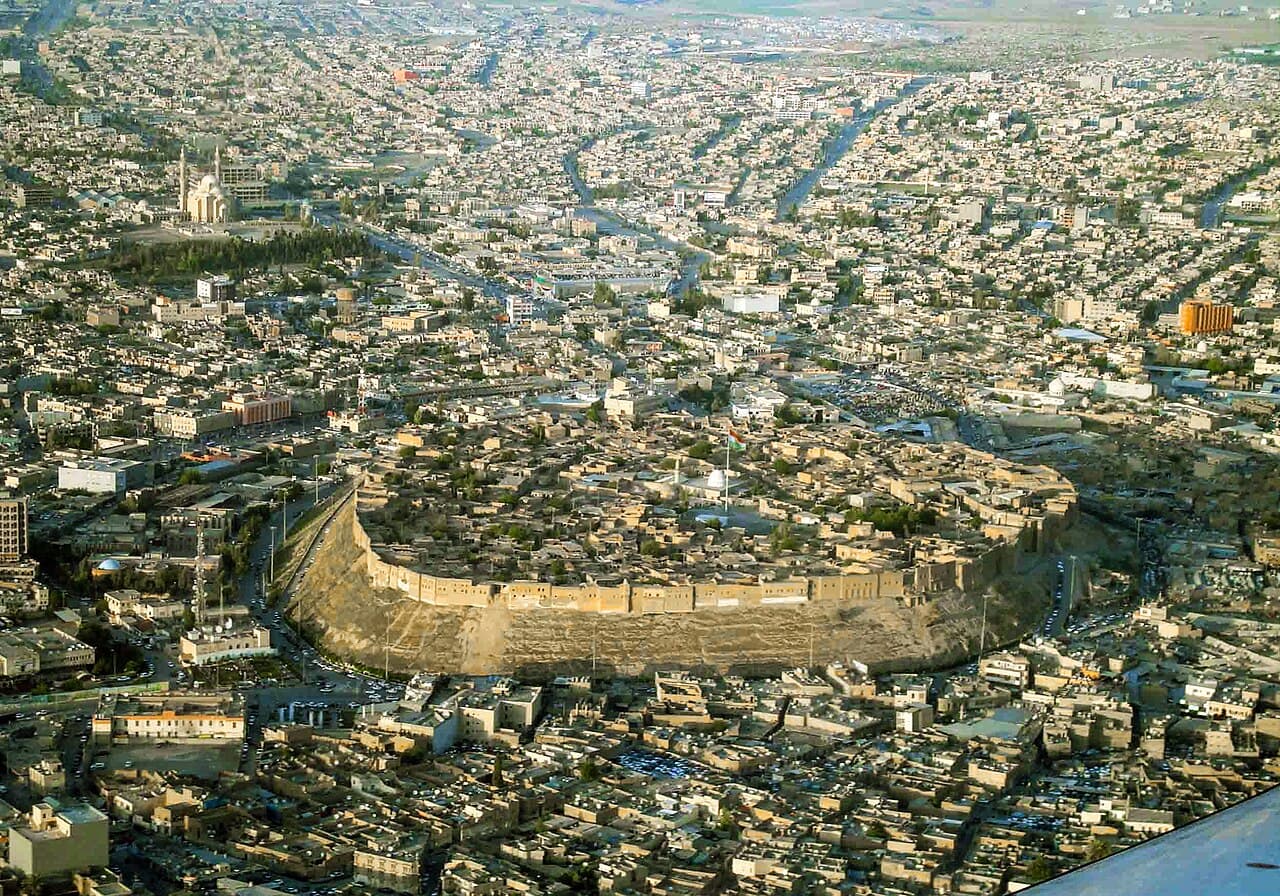
The Citadel of Erbil, also known locally as Qellat, is a prominent bastioned fortress situated on an ancient tell or occupied mound in the heart of Erbil, the capital of the Kurdistan Region in Iraq. Recognized as a UNESCO World Heritage Site since 2014, this citadel is one of the oldest continuously inhabited settlements in the world, with archaeological evidence tracing human occupation back to the 5th millennium BC or earlier.
The citadel's strategic location atop a mound rising between 25 and 32 metres above the surrounding plain has historically provided defensive advantages. The roughly oval-shaped area it covers measures approximately 430 by 340 metres, encompassing around 102,000 square metres. This elevated position allowed the citadel to serve as the historical city centre of Erbil for millennia, shaping the urban and cultural development of the region.
Early history and archaeological significance
The earliest documented references to the Citadel of Erbil appear in the Ebla tablets from around 2000 BC, highlighting its importance during the Bronze Age. However, archaeological findings indicate that the site was inhabited long before this period, with layers of settlement dating back to the Neolithic era. The mound itself is a classic example of a tell, formed by successive layers of human habitation accumulated over thousands of years.
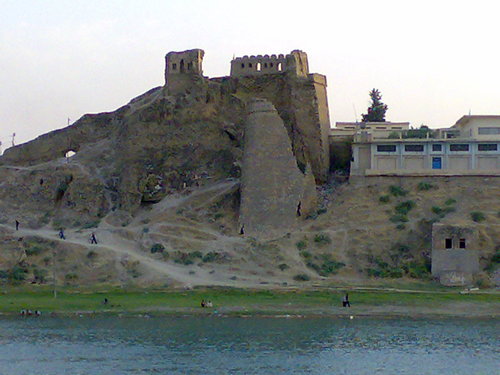
Throughout the Neo-Assyrian period, the citadel gained significant prominence as a fortified administrative and military center. Its robust defensive structures, including thick walls and bastions, reflect the architectural and strategic priorities of the time. The citadel's role evolved through successive empires, serving as a critical stronghold in the region.
Medieval period and religious importance
During the Sassanian period and later under the Abbasid Caliphate, Erbil became an important center for Christianity, with the citadel housing religious communities and structures. Although most of these early religious buildings have not survived, the citadel's historical role as a religious and cultural hub is well documented.
The Mongol conquest in 1258 marked a turning point for the citadel and the city of Erbil. The Mongols captured the fortress, leading to a decline in the city's regional importance. Despite this, the citadel continued to be inhabited and maintained its status as a significant urban site.
Architectural features and urban structure
The citadel's architecture is characterized by its bastioned defensive walls and the compact arrangement of buildings atop the mound. The urban fabric consists of narrow streets and densely packed houses, many of which were constructed or modified during the 20th century. Unfortunately, this period also saw the destruction of several historic houses and public buildings as part of urban restructuring efforts.
Today, the only surviving religious structure within the citadel is the Mulla Afandi Mosque, which continues to serve the local community. The citadel's elevated position and fortified walls remain prominent features, providing insight into its defensive and residential functions over the centuries.
Conservation and cultural heritage
Since its designation as a World Heritage Site, efforts have been made to preserve and restore the Citadel of Erbil. Conservation projects focus on stabilizing the ancient mound, protecting the remaining structures, and promoting the site's cultural significance. The citadel remains a symbol of Erbil's long history and its role as a crossroads of civilizations in Mesopotamia.
Visitors to the citadel can explore its historic streets, view the architectural remnants, and gain an understanding of the complex layers of human settlement that have shaped this unique site. The Citadel of Erbil stands as a testament to the enduring legacy of urban life in the region, reflecting thousands of years of continuous habitation and cultural evolution.
Frequently asked questions (FAQ)
- When was the Citadel of Erbil first occupied?
- Archaeological evidence shows the Citadel of Erbil has been occupied since the 5th millennium BC, making it one of the oldest continuously inhabited sites in the world.
- What is the architectural style of the Citadel of Erbil?
- The citadel features bastioned fortress architecture typical of ancient fortified tells, with thick defensive walls and compact urban structures adapted over millennia.
- Can visitors explore the Citadel of Erbil?
- Yes, visitors can explore the historic streets and buildings of the Citadel of Erbil, experiencing its rich history and cultural significance as a World Heritage Site.
- Why is the Citadel of Erbil significant?
- The Citadel of Erbil is significant for its continuous habitation since ancient times, its role as a historic city center, and its status as a UNESCO World Heritage Site.
- What remains of religious structures within the citadel?
- The only surviving religious building within the citadel is the Mulla Afandi Mosque, which still serves the local community.
Photo gallery

Information
Loading map...
Visitor reviews
No reviews yet. Been here? Write the first review and help other travelers!
Write the first reviewVisited this castle? Share your experience
Your review helps other travelers and adds first-hand knowledge to our encyclopedia.