
Saudi Arabia
Historical background and medieval period
Saudi Arabia's castle heritage is deeply intertwined with its strategic geographic position at the crossroads of ancient trade routes and its role as a cultural melting pot in the Arabian Peninsula. The region's fortifications reflect centuries of military, political, and social developments, shaped by indigenous Arabian traditions and external influences from neighboring empires.
During the medieval period, the Arabian Peninsula saw the rise of fortified settlements and strongholds designed to protect vital trade routes and important urban centers. These structures were often built by local rulers, tribal leaders, and emerging Islamic states to assert control and defend against rival factions or foreign incursions. Castles and forts served not only as military bastions but also as administrative hubs and symbols of power.
The strategic importance of locations such as Al-Ula, Najran, and the Hijaz region resulted in the construction of numerous fortifications. These sites played key roles in safeguarding the pilgrimage routes to Mecca and Medina, underscoring the intertwined nature of religious and military history in Saudi Arabia’s castle heritage.
Continue reading below — scroll for the full article.
Castles in Saudi Arabia
Discover 24 magnificent castles across the country
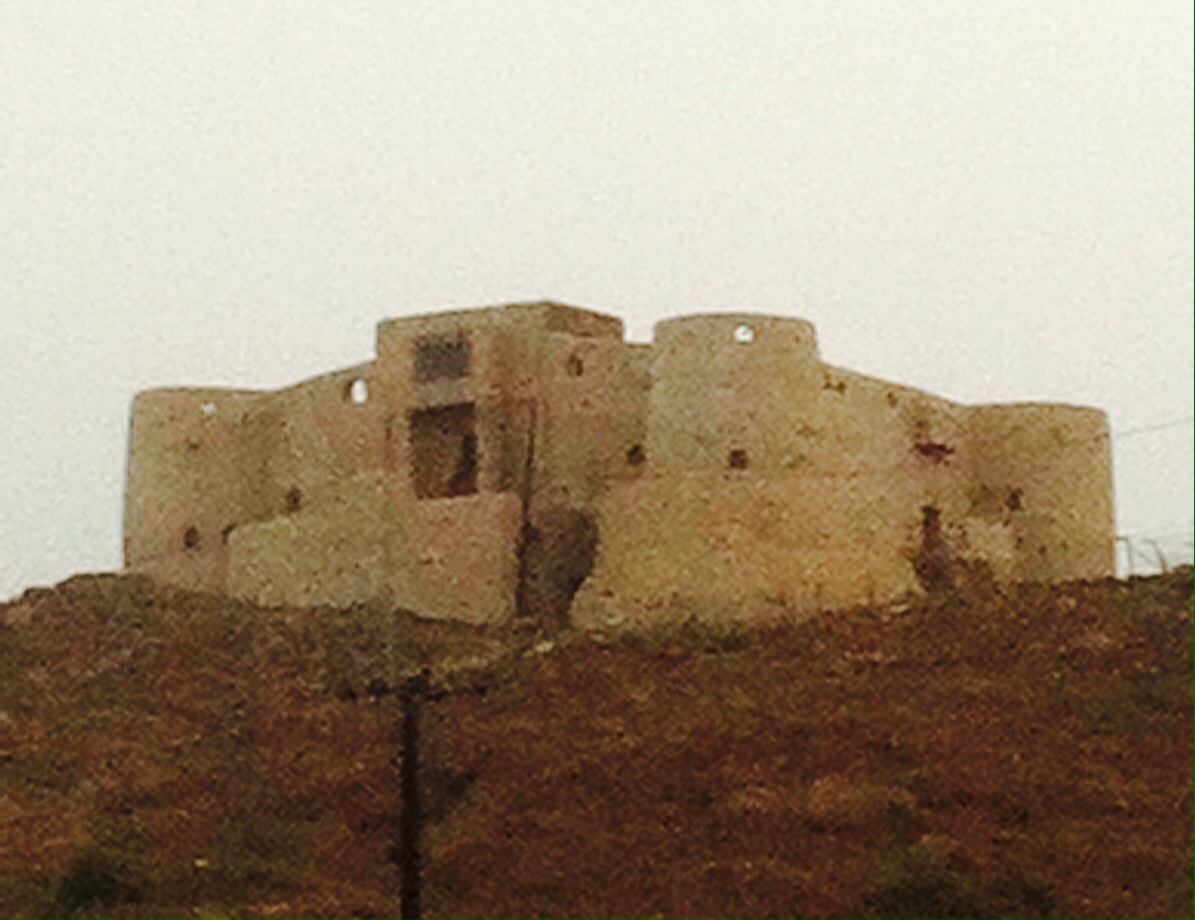
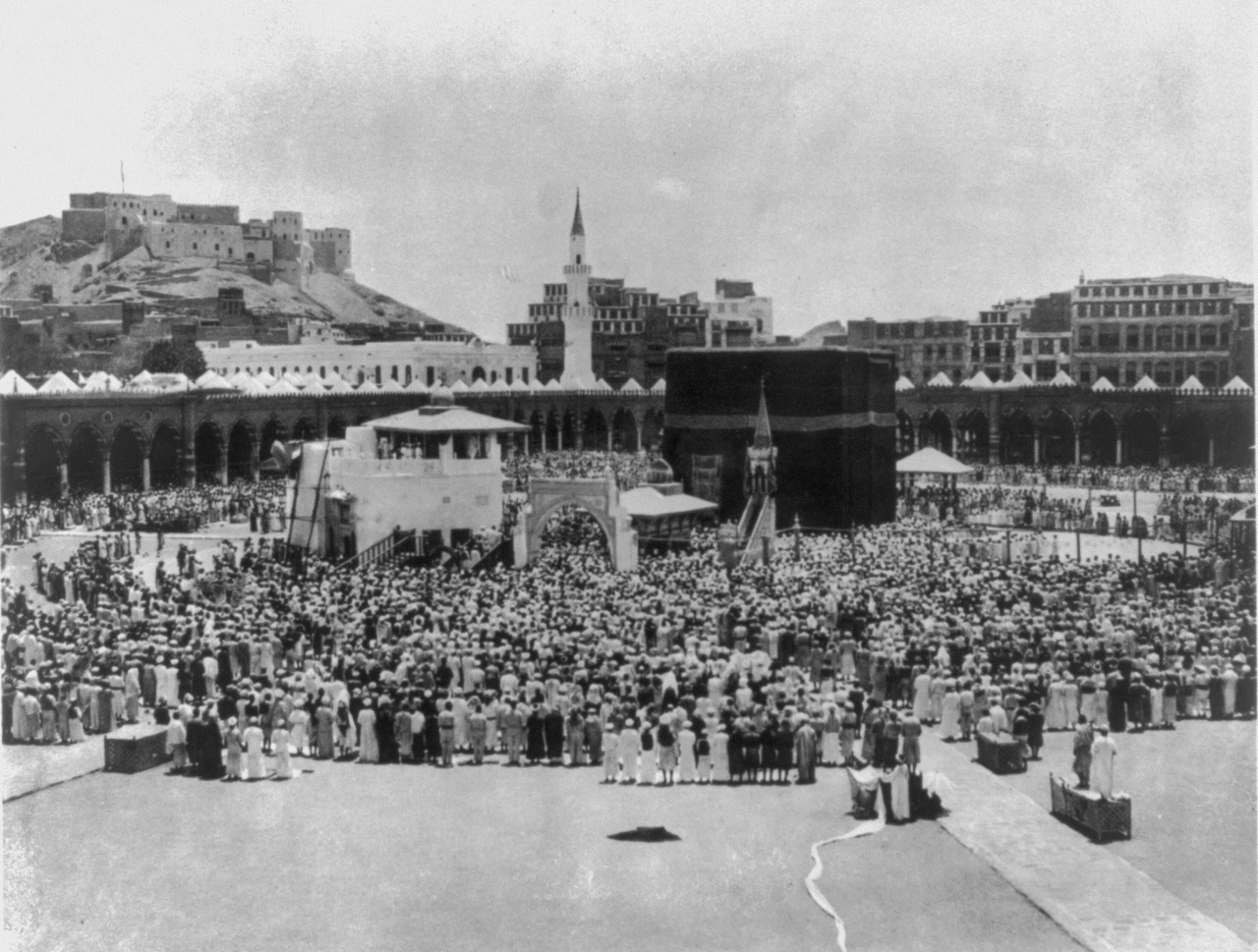



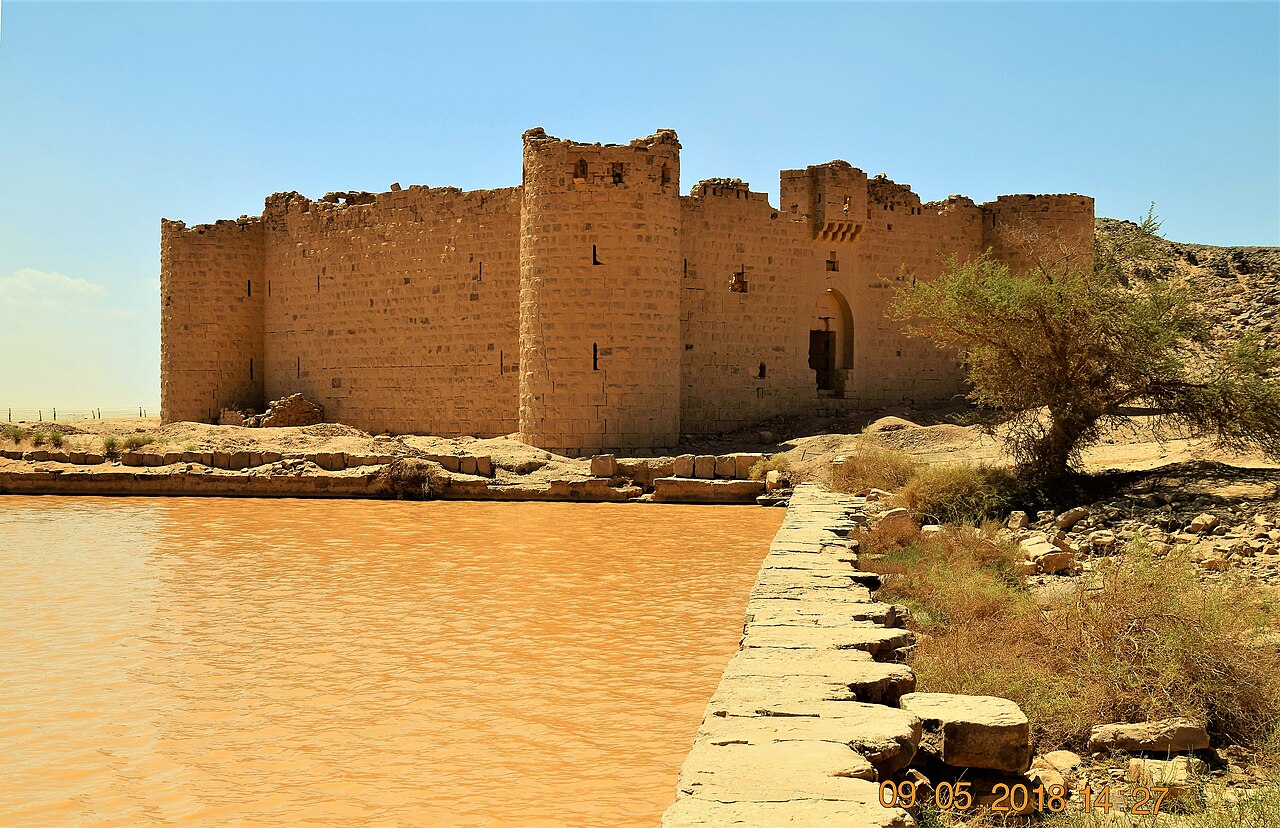

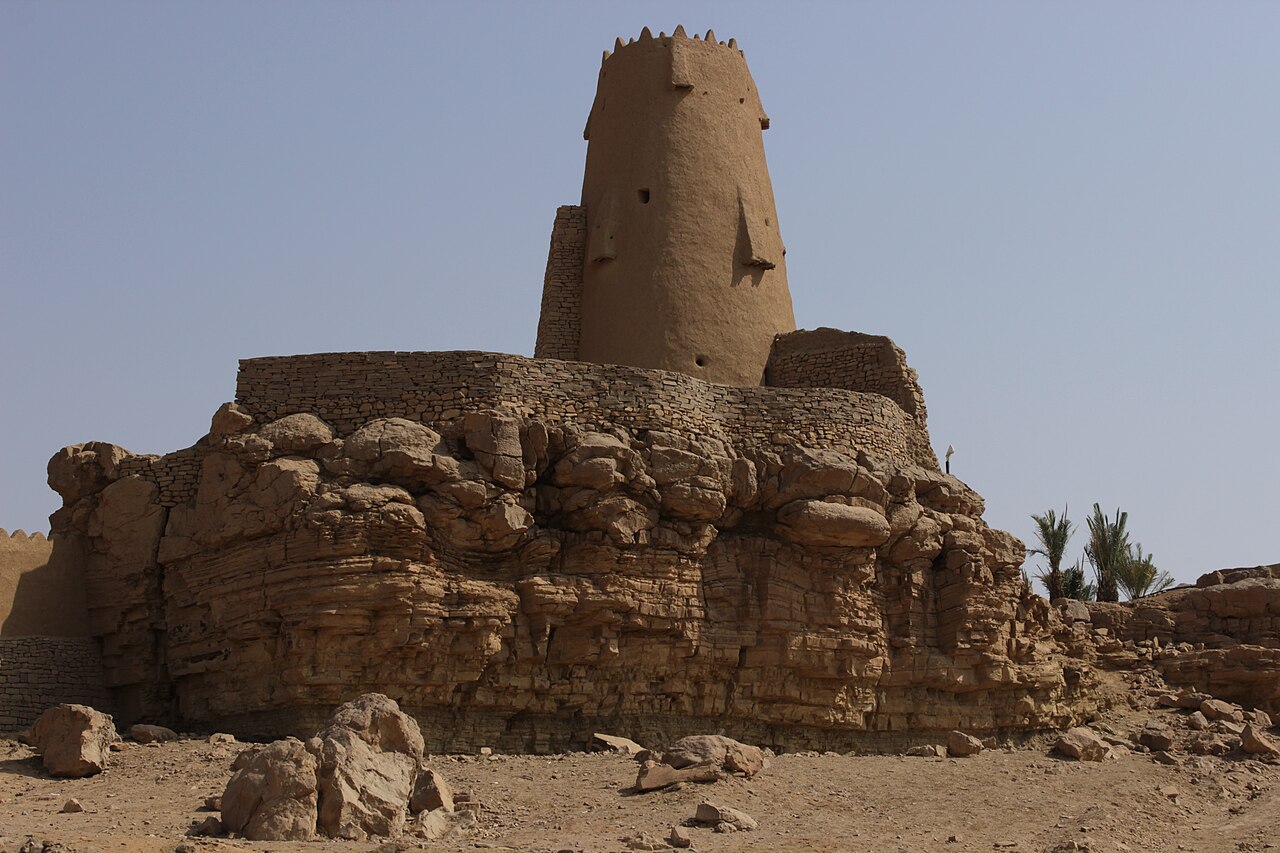
Types of fortifications
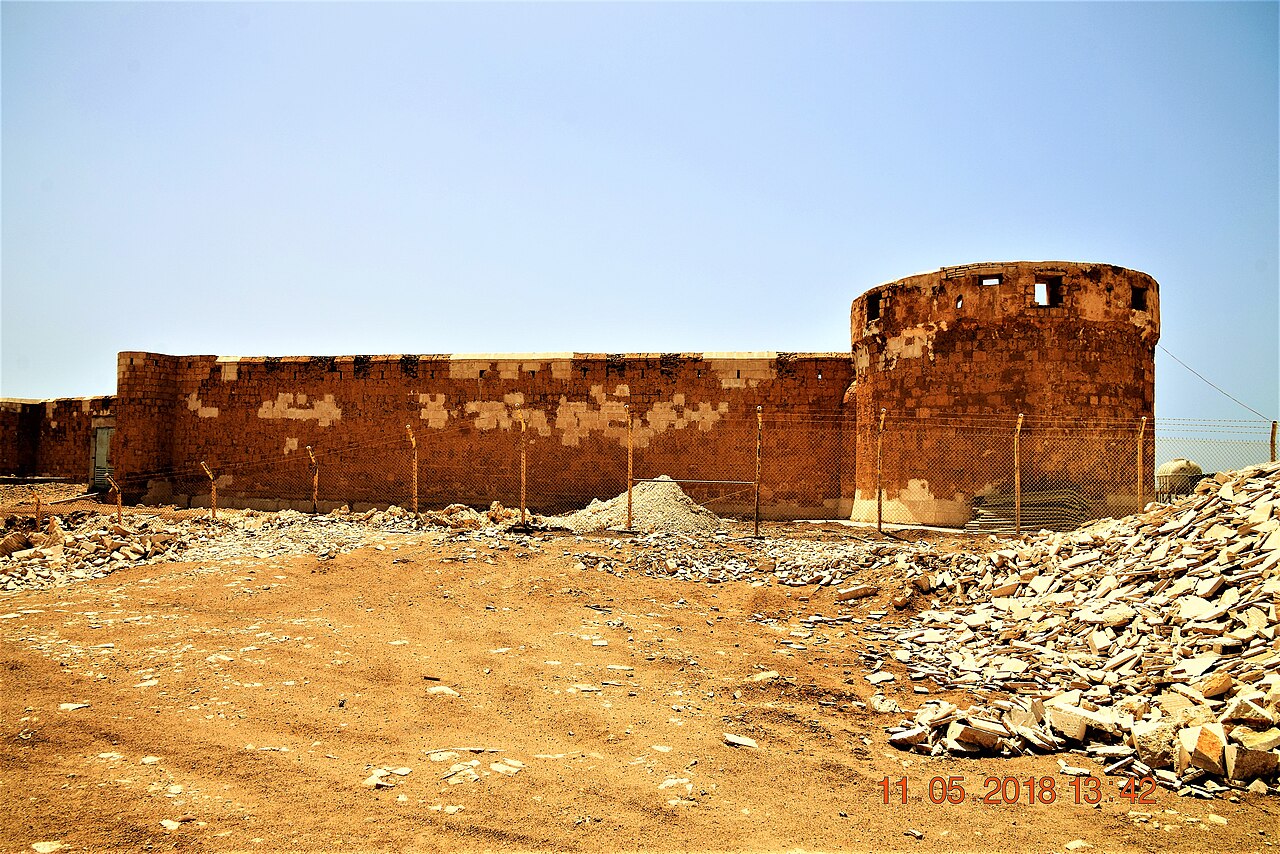
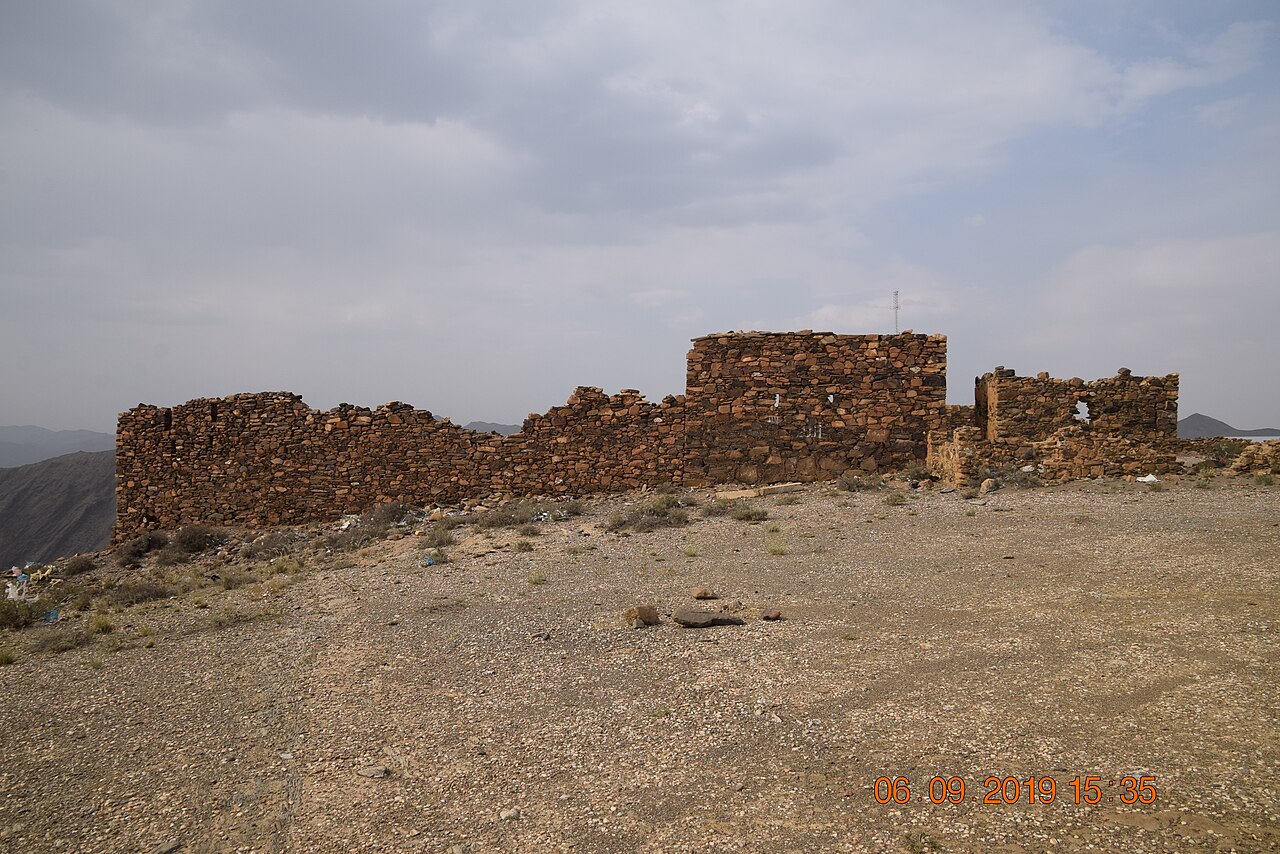
Saudi Arabia's fortifications encompass a variety of forms, including castles, fortresses, watchtowers, and defensive walls. Each served distinct functions based on geographic location and the specific threats faced by communities throughout history.
Castles and fortresses
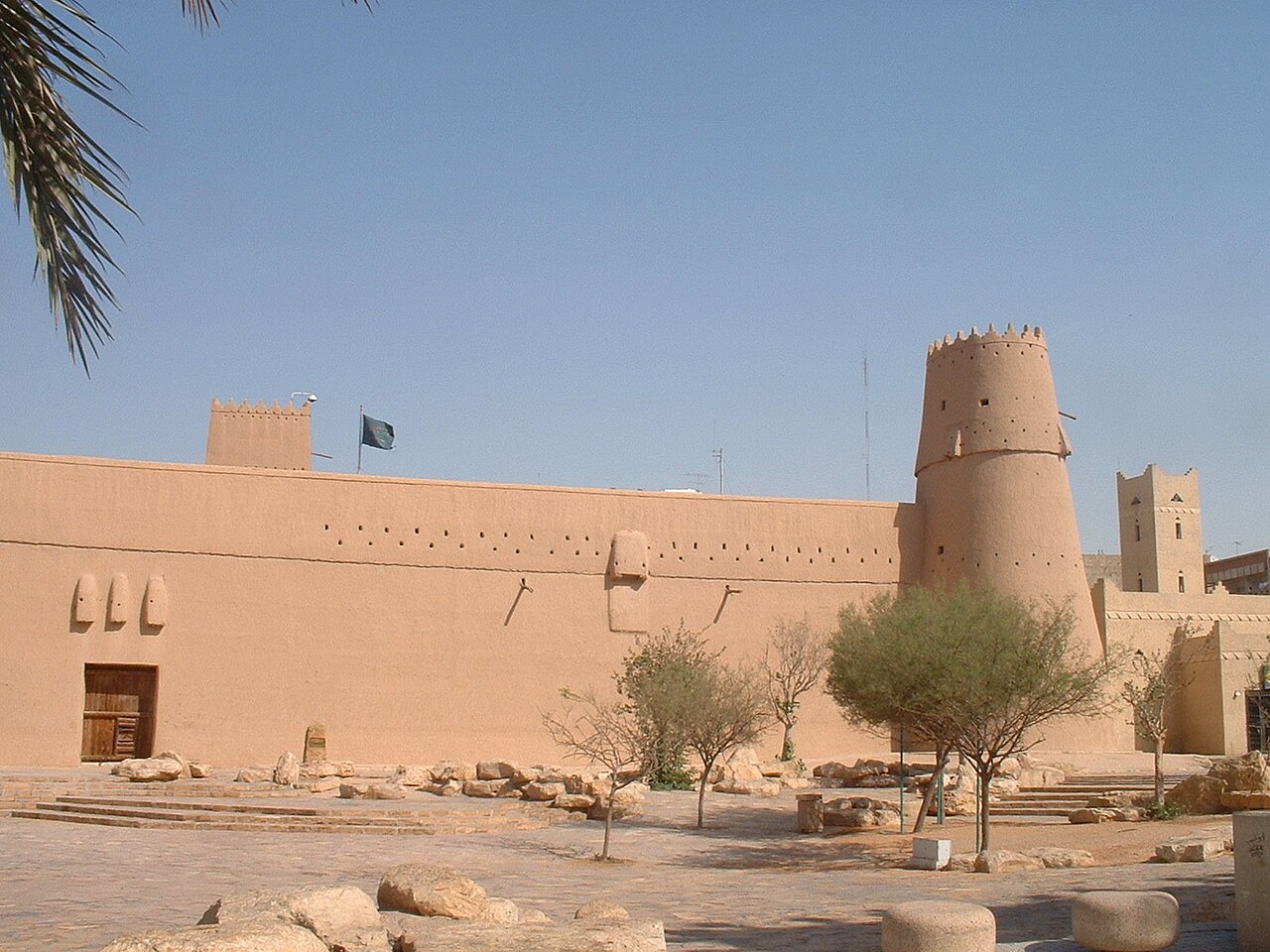
Castles in Saudi Arabia often functioned as fortified residences for tribal leaders or rulers. These structures typically featured thick stone walls, crenellations, and defensive towers. Fortresses, on the other hand, were larger military complexes designed to accommodate garrisons and store supplies. Examples such as Masmak Fortress in Riyadh highlight the dual role of these buildings as both defensive strongholds and centers of political power.
Watchtowers and defensive walls
Watchtowers were common along trade routes and borders, providing early warning against raids or invasions. These towers were usually tall, slim structures with narrow windows for observation. Defensive walls often surrounded key urban areas or castles to create a controlled perimeter. The Diriyah walls around the old Saudi capital demonstrate the use of fortifications to protect a burgeoning political center.
Architectural styles and influences
The architecture of Saudi Arabia’s castles and fortifications is marked by a blend of indigenous Arabian design and influences from Persian, Ottoman, and Islamic architectural trends. Local materials such as sandstone, mudbrick, and coral stone were commonly used, reflecting adaptation to the harsh desert environment.
Indigenous arabian architectural elements
Many Saudi castles feature simple yet effective defensive elements such as high walls with battlements, narrow slit windows for archers, and thick gates reinforced with wood and metal. The use of courtyards and inner sanctums provided secure spaces within the fortress walls. The Qasr Marid in Dumat Al-Jandal showcases traditional Arabian fortress design with its robust walls and watchtowers.
External stylistic influences
During periods of Ottoman dominance and increased trade contact, architectural motifs such as pointed arches, decorative stone carving, and geometric patterns were incorporated into fortress design. Islamic art and calligraphy sometimes adorned the interiors, blending functionality with aesthetic expression. This fusion is evident in the detailed stonework of the Masmak Fortress, where Ottoman and local styles converge.
Regional variations
The diversity of Saudi Arabia’s landscape—from desert plains to mountainous regions—has led to regional variations in castle construction and fortification strategies. These differences reflect local climate, available materials, and historical context.
Northern region
In the northern areas, such as Al-Jawf and Al-Ula, castles often utilized large stone blocks due to the availability of rocky terrain. Fortresses like the ancient Qasr Marid feature imposing stone walls and towers adapted to the rugged environment. These structures served both military and administrative functions, often controlling caravan routes.
Western region (Hijaz)
The Hijaz region, home to the holy cities of Mecca and Medina, contains fortifications primarily focused on protecting religious sites and pilgrimage routes. The Masmak Fortress in Riyadh, though centrally located, represents architectural principles that also influenced fortifications in the Hijaz. Here, defensive structures balanced military needs with the protection of sacred spaces.
Southern region
In the southern provinces, such as Asir and Najran, castles often incorporated mudbrick and timber, adapted to the slightly more temperate climate and mountainous terrain. These fortifications sometimes featured terraced designs to accommodate steep slopes, enhancing their defensive capabilities.
Notable periods of castle construction
The construction of castles and fortifications in Saudi Arabia occurred in several key historical periods, each influenced by political changes and external threats.
Pre-islamic and early islamic era
Some of the earliest fortifications date back to the pre-Islamic era, serving tribal communities and early kingdoms. These early strongholds laid the foundation for later Islamic architectural developments and were often situated along trade routes.
Ottoman period
The Ottoman Empire’s influence from the 16th to early 20th centuries brought renewed interest in fortification construction and maintenance. The Ottomans reinforced existing castles and built new fortresses to solidify control over the Arabian Peninsula. The Masmak Fortress underwent significant reconstruction during this era, reflecting Ottoman military architecture.
Early saudi state and unification period
The emergence of the first Saudi state in the 18th century and the subsequent unification of Saudi Arabia in the early 20th century saw fortifications used as centers of power and symbols of sovereignty. The Diriyah walls represent this period, illustrating the importance of fortified cities in the consolidation of Saudi rule.
Preservation and current state
Many of Saudi Arabia’s historic castles and fortifications have undergone preservation efforts to safeguard their cultural heritage. The government and local organizations have invested in restoration projects, recognizing the importance of these sites as links to the nation’s past.
Structures like the Masmak Fortress have been carefully restored and converted into museums, providing insight into the country’s architectural and political history. However, some remote castles face challenges due to environmental exposure and limited access, requiring ongoing conservation attention.
Modern urban development also presents threats, making the balance between preservation and modernization a critical issue in Saudi heritage management.
Castle tourism and accessibility
Saudi Arabia has increasingly promoted its castle heritage as part of broader efforts to develop cultural tourism. Key sites such as the Masmak Fortress in Riyadh and the ancient fortresses in Al-Ula attract both domestic and international visitors interested in the kingdom’s rich history.
Tourism infrastructure improvements, including visitor centers and guided tours, have enhanced accessibility to several castles. The inclusion of these sites in heritage trails and cultural festivals helps raise awareness and appreciation among tourists and locals alike.
While some castles remain remote and less accessible, ongoing initiatives aim to open more heritage sites to the public, fostering sustainable tourism linked to historical preservation.
Cultural significance and heritage
Castles and fortifications in Saudi Arabia hold profound cultural and historical significance. Beyond their military functions, these structures symbolize the resilience, identity, and governance of various tribes and states throughout the Arabian Peninsula’s history.
The Masmak Fortress, for example, is a national icon representing the foundation of the modern Saudi state and the unification of the kingdom under Abdulaziz Al Saud. Castles serve as tangible links to the past, connecting contemporary Saudi society with its ancestral heritage.
These fortifications are also important educational resources, illustrating traditional Arabian architecture, construction techniques, and the socio-political landscape of medieval and early modern Arabia. Preserving and interpreting these sites fosters a deeper understanding of the region’s complex history and cultural evolution.
Castle Locations in Saudi Arabia
Explore all castle locations on an interactive map
Loading castle locations...