Adosareyah Castle
Adosareyah Castle stands as a significant historical fortress located in the municipality of Jazan in southwestern Saudi Arabia. Constructed during the Ottoman period in the 19th century CE (13th century AH), this hill castle served as the residence of the Turkish governor who administered the region. Its strategic position atop the highest peak of Jazan mountain, approximately 150 meters above sea level, provided commanding views over the Red Sea, underscoring its military and administrative importance.
Historical significance and roles through eras
Before the Ottoman control, the site of Adosareyah Castle was already in use during the era of Idrisid rule, demonstrating its longstanding strategic and administrative relevance in southern Arabia. The castle's military and political importance persisted through various epochs, adapting to the needs of different ruling powers.
During the Ottoman era, the castle functioned as a fortified residence and military stronghold for the Turkish governor overseeing the Jazan region. This period saw the construction of the main fortress structures, reflecting typical Ottoman military architecture of the time. Following the Ottoman period, the castle continued to play a pivotal role under the Saudi kingdom, particularly during the reigns of King Abdulaziz and King Saud. It was not only a military bastion but also a center for education and cultural dissemination, especially under the guidance of Sheikh Abdullah Al-Qaraawi, who used the site to promote knowledge and learning.
In more recent times, the fortress was utilized by the Saudi Ministry of Defense, highlighting its continued strategic value in national security matters. The castle's name, Adosareyah, is subject to historical debate. It may derive from “Dosar,” a term referring to a military unit, or be linked to the Dosar army led by Sheikh Prince Abdullah bin Daraan. This association reflects the castle's military and tribal significance across different historical periods.
Architectural features and layout
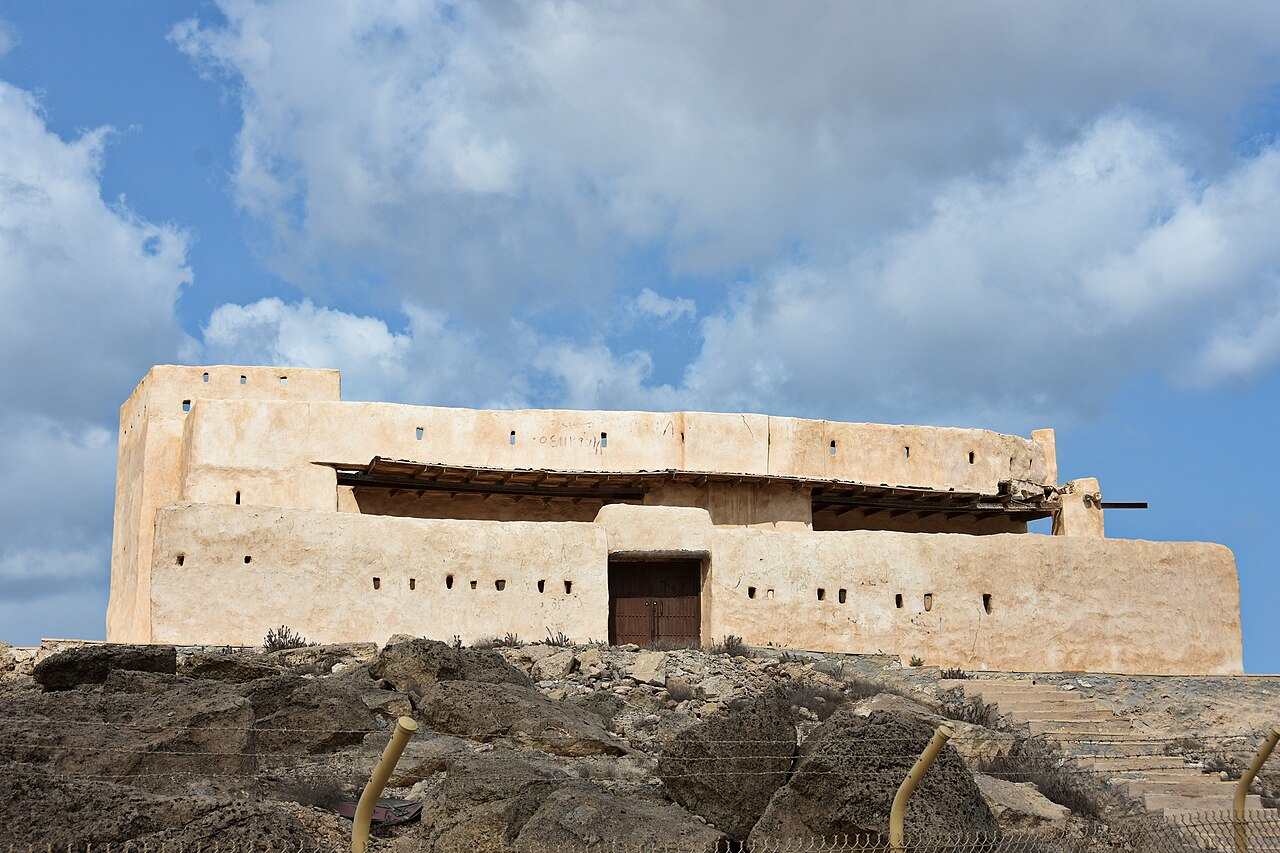
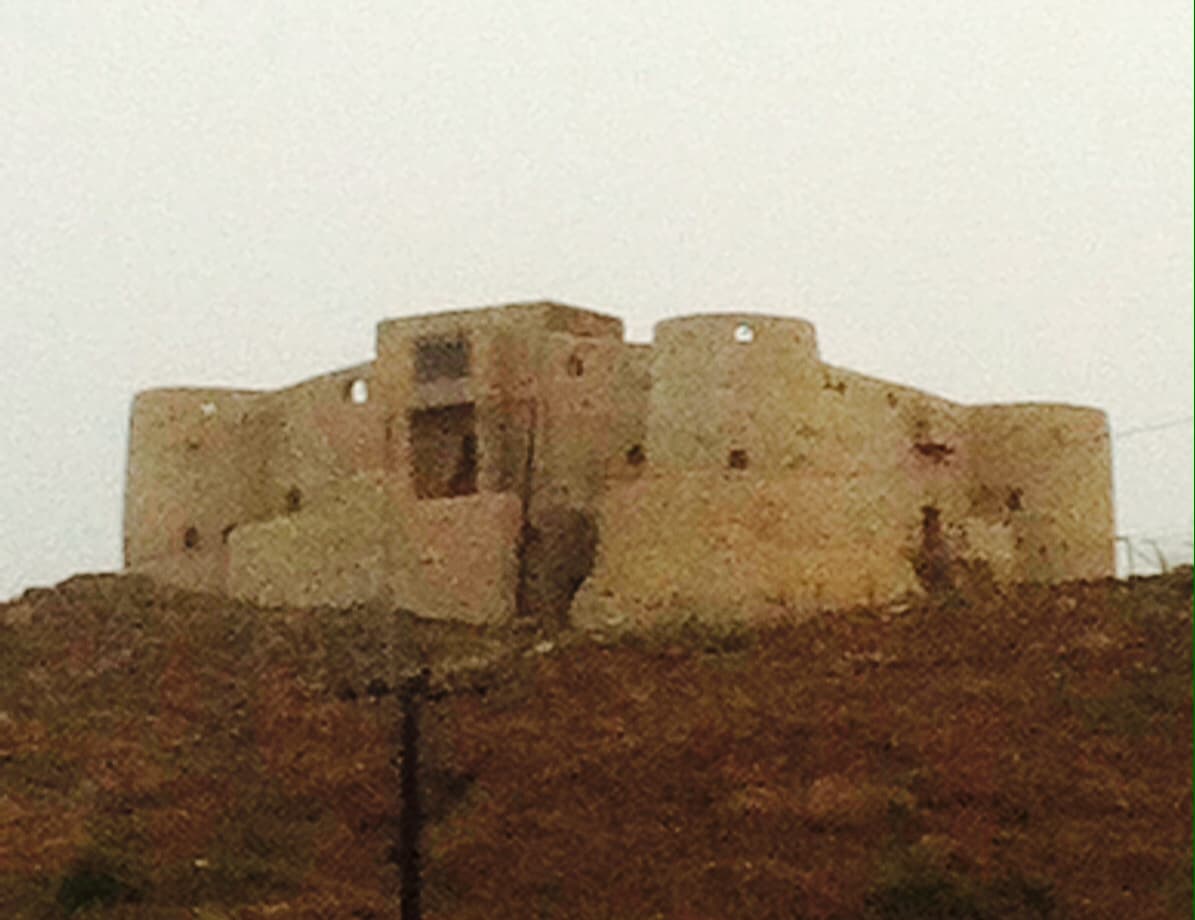
Adosareyah Castle occupies an area of roughly 900 square meters on the summit of Jazan mountain. Its square layout is fortified by four substantial towers positioned at each corner, providing a strong defensive framework typical of hill castles designed to withstand sieges and attacks. The elevated position allowed defenders to monitor the surrounding terrain and the Red Sea coastline, offering early warning against approaching threats.
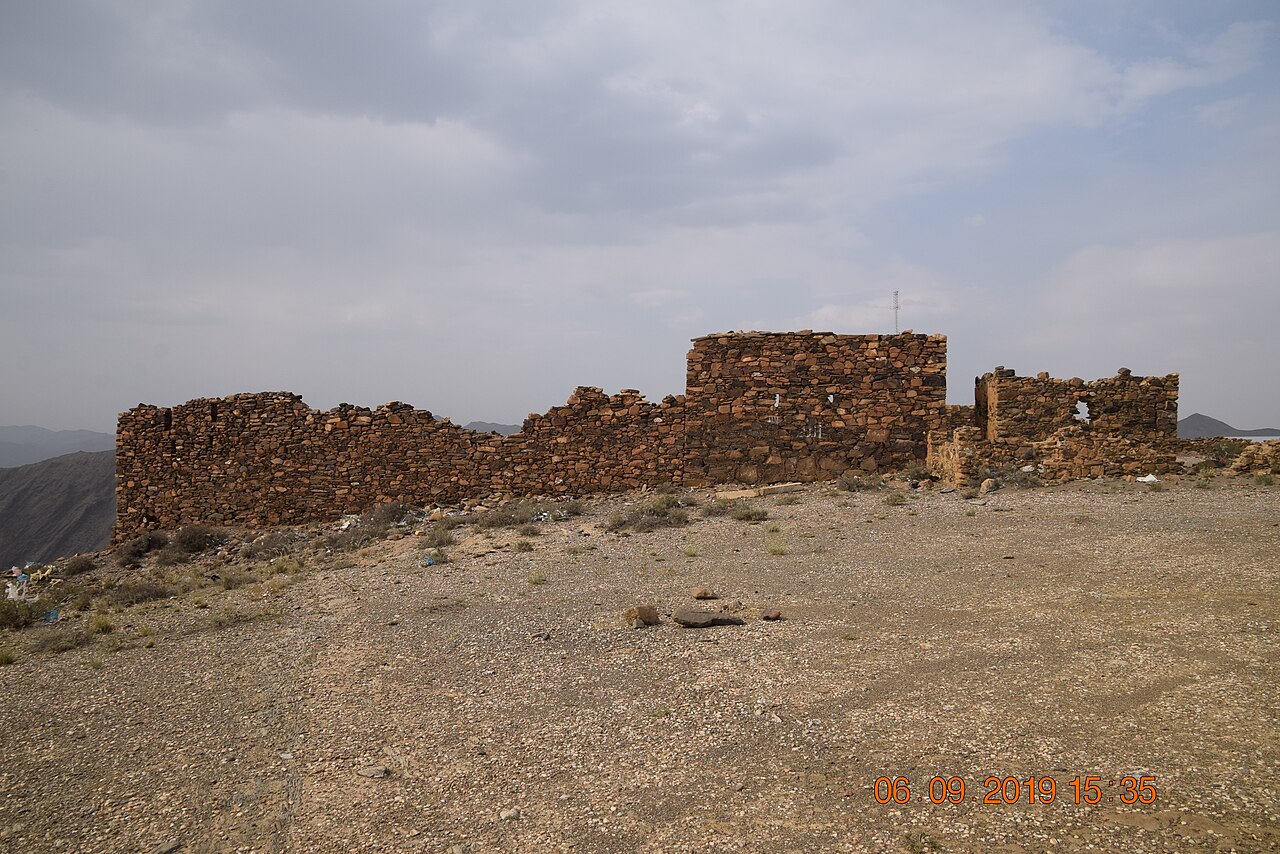
The castle's main entrance is prominently defined, historically serving as the primary access point. The structure's robust walls and towers remain largely intact, reflecting both the original Ottoman military architectural style and the effects of subsequent restoration efforts. While detailed records about specific building materials or interior decorative features are limited, the fortress's construction demonstrates the use of durable local materials suited to the harsh climate and defensive requirements.
Preservation and current status
Today, Adosareyah Castle is in a well-preserved condition, a testament to ongoing conservation efforts that have maintained its structural integrity and historical character. The fortress has been adapted for use as a museum space, allowing visitors to explore its military architecture and learn about its varied history. The preservation of its towers, walls, and entrance enhances the visitor experience, providing tangible insights into the castle's defensive capabilities and administrative functions.
Despite the lack of extensive archaeological or decorative detail in public records, the castle's overall state offers a valuable window into the military and cultural history of the Jazan region. Its commanding location and enduring presence make it a notable landmark reflecting the complex history of southern Saudi Arabia from the Idrisid era through Ottoman rule and into the modern Saudi state.
Adosareyah castle’s role in regional defense and administration
The castle's strategic placement on a hilltop was crucial for regional defense, allowing control over key routes and coastal approaches. Its robust fortifications and towers were designed to repel invasions and maintain order during turbulent periods. As a residence of the Ottoman governor, it also functioned as an administrative center, consolidating political authority in the area.
During the Saudi kingdom's early years, the castle's military function was complemented by its educational role, reflecting a blend of governance and cultural leadership. This dual purpose highlights the castle's importance beyond mere military defense, serving as a hub for knowledge dissemination and community leadership under figures like Sheikh Abdullah Al-Qaraawi.
Visiting Adosareyah castle
Visitors to Adosareyah Castle can appreciate its commanding views of the Red Sea and the surrounding landscape, which underscore its historical defensive advantages. The castle's well-preserved towers and walls offer a direct connection to the region's Ottoman and Saudi heritage. While detailed visitor information such as opening hours and ticket prices is not widely published, the castle's status as a museum space suggests it is accessible for educational and cultural tourism.
The site provides an opportunity to explore the military architecture of a hill castle in a unique Arabian context, combining natural landscape advantages with historical construction techniques. Its continued preservation ensures that Adosareyah Castle remains a significant cultural and historical asset in Saudi Arabia.
Frequently asked questions (FAQ)
- When was Adosareyah Castle built and by whom?
- Adosareyah Castle was constructed during the 19th century Ottoman period and served as the residence of the Turkish governor in the Jazan region.
- What is the architectural layout of Adosareyah Castle?
- The castle features a square layout fortified by four substantial towers at each corner, typical of hill castles designed for defense and surveillance.
- Can visitors access Adosareyah Castle today?
- Yes, Adosareyah Castle is well-preserved and has been converted into a museum space, allowing visitors to explore its historical and architectural significance.
- What historical roles did Adosareyah Castle serve?
- Throughout its history, the castle functioned as a military stronghold, administrative center, and educational hub under various rulers including the Ottomans and Saudi kings.
- Why is the castle named Adosareyah?
- The name Adosareyah may derive from “Dosar,” a military unit, or relate to the Dosar army led by Sheikh Prince Abdullah bin Daraan, reflecting its military and tribal importance.
Photo gallery

Information
Loading map...
Visitor reviews
No reviews yet. Been here? Write the first review and help other travelers!
Write the first reviewVisited this castle? Share your experience
Your review helps other travelers and adds first-hand knowledge to our encyclopedia.