Ajyad Fortress
The Ajyad Fortress (Ottoman Turkish: قلعهٔ اجیاد, Turkish: Ecyad Kalesi; Arabic: قلعة أجياد) was a significant Ottoman-era citadel constructed in the late 18th century on a strategic hill overlooking the Grand Mosque of Mecca in present-day Saudi Arabia. Its location provided a commanding view of the holy site, underscoring its military and symbolic importance during the Ottoman period. The fortress was built to protect the sacred city and maintain Ottoman control over this critical religious and political center.
Historical context and significance
Constructed during the post-Renaissance period in the 18th century, the Ajyad Fortress represented the Ottoman Empire's efforts to fortify and secure Mecca, one of Islam's holiest cities. The fortress played a defensive role, guarding against potential threats to the city, including tribal conflicts and external invasions. Its presence was a physical assertion of Ottoman sovereignty in the Arabian Peninsula during a time of regional instability and shifting power dynamics.
The fortress was named after the Ajyad district of Mecca where it stood. It was an important military installation throughout Ottoman rule, symbolizing the empire's commitment to protecting the Islamic holy sites and pilgrims visiting the Grand Mosque.
Architectural features and design
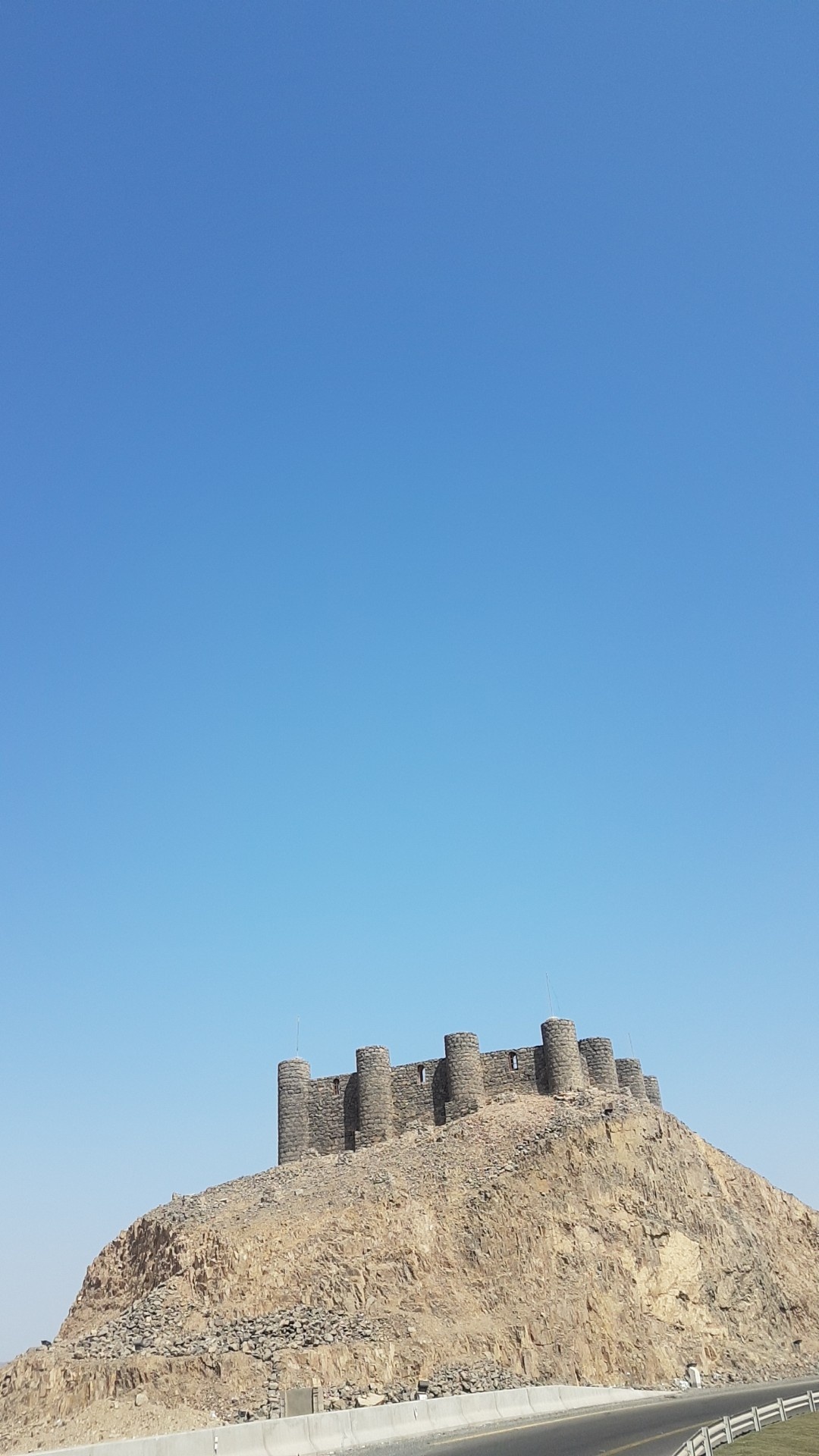
The Ajyad Fortress was a classic example of Ottoman military architecture adapted to the local terrain and climate. It was constructed primarily from stone and mortar, featuring thick defensive walls designed to withstand artillery attacks common in the 18th century. The fortress included battlements, watchtowers, and a central courtyard, typical of Ottoman fortifications of the era.
Its elevated position on a hill provided strategic advantages, allowing defenders to monitor and control access routes to the Grand Mosque and surrounding areas. The fortress's design balanced functionality with the need to integrate into the urban fabric of Mecca, respecting the religious significance of its surroundings.
Demolition and controversy
Despite its historical and cultural significance, the Ajyad Fortress was demolished in 2002 by the Saudi government to make way for the Abraj Al Bait commercial development project. This decision sparked widespread protests, particularly from Turkey, which viewed the fortress as an important symbol of Ottoman heritage and Islamic history.
The demolition raised concerns among Muslims worldwide about the preservation of Islamic architectural heritage and the impact of rapid urban development in Mecca. The removal of the fortress erased a tangible link to the city's Ottoman past, igniting debates about heritage conservation versus modernization in one of Islam's most sacred locations.
Legacy and cultural memory
Though the Ajyad Fortress no longer stands, it remains a potent symbol of the Ottoman Empire's historical presence in the Arabian Peninsula and its role in safeguarding Islamic holy sites. It is remembered through historical records, photographs, and the collective memory of those concerned with preserving Islamic cultural heritage.
The fortress's story highlights the tensions between heritage preservation and urban development in rapidly growing religious cities. It also underscores the importance of balancing modernization with respect for historical landmarks that embody religious, cultural, and political identities.
Frequently asked questions (FAQ)
- What is Ajyad Fortress?
- Ajyad Fortress is a historical fort located in Mecca, Saudi Arabia, known for its strategic significance during the early days of Islam. Built in the late 18th century, the fortress was used to defend the holy city and its pilgrims, reflecting the architectural style of the period.
- When was Ajyad Fortress built?
- Ajyad Fortress was constructed in 1780 under the order of the Ottoman Sultan Abdulhamid I. It served as a military installation to protect the Kaaba and was pivotal during various conflicts throughout its history.
- Is it possible to visit Ajyad Fortress?
- Visiting Ajyad Fortress is currently restricted as the site has undergone significant changes and renovations over the years. However, visitors can explore the surrounding areas and view the fortress from a distance.
- What are the opening hours for Ajyad Fortress?
- Due to the ongoing renovations and the fortress's historical status, specific opening hours are not available. It’s advisable to check local resources or tourism offices for updates on access to the area.
- Can I take photographs at Ajyad Fortress?
- Photography of the Ajyad Fortress from the surrounding areas is generally allowed, but it’s important to respect any signage or regulations in place. Always be considerate of the local customs and the privacy of others when visiting.
- What is the best time to visit Mecca and Ajyad Fortress?
- The best time to visit Mecca is during the cooler months, from October to March, when the weather is more pleasant for exploring. However, be mindful of busy pilgrimage seasons like Hajj and Ramadan, which can affect accessibility and accommodation.
- Are there any nearby attractions to Ajyad Fortress?
- Yes, nearby attractions include the Masjid al-Haram, which houses the Kaaba, and various shopping districts. Visitors can also explore historical sites like the Abraj Al Bait Towers, which are just a short distance away.
- What are the ticket prices for visiting Ajyad Fortress?
- Currently, there are no ticket prices for visiting Ajyad Fortress as direct access is limited. However, exploring the surrounding area is free and provides a glimpse of the fortress’s historical significance.
- How do I get to Ajyad Fortress?
- Ajyad Fortress is located in Mecca, easily accessible by taxi or on foot from major landmarks like Masjid al-Haram. It’s advisable to use local transport services or guided tours for convenience and to enhance your experience.
Photo gallery
Photo by ʻAbd al-Ghaffār, al-Sayyid, Physician of Mecca, photographer•Public domain
Information
Loading map...
Visitor reviews
No reviews yet. Been here? Write the first review and help other travelers!
Write the first reviewVisited this castle? Share your experience
Your review helps other travelers and adds first-hand knowledge to our encyclopedia.