Marid Castle
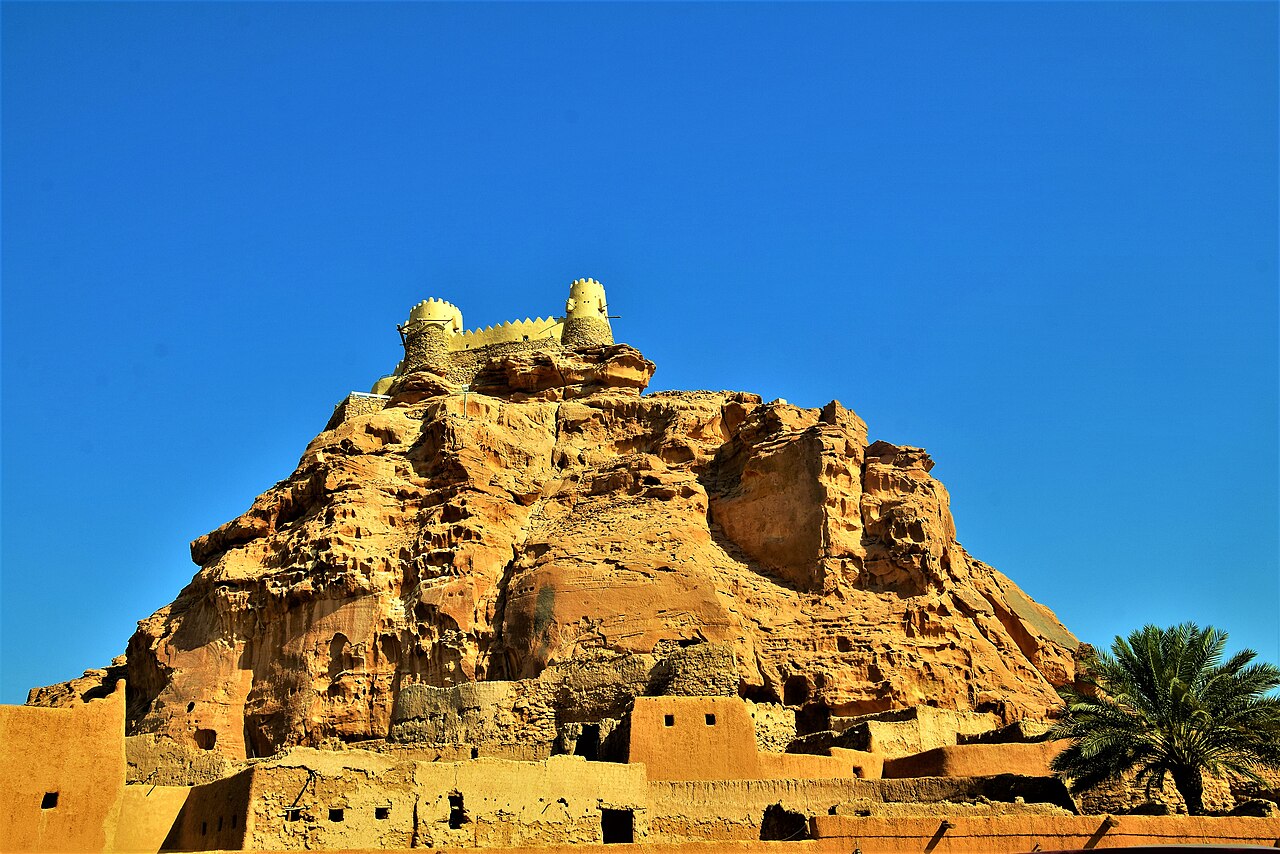
Marid Castle stands as a monumental testament to the rich history and architectural ingenuity of ancient Arabia. Located in the municipality of Dumat al-Jandal in modern-day Saudi Arabia, this hill castle rises approximately 620 meters above sea level, commanding a strategic vantage point over the surrounding landscape. Its origins trace back to the 1st century AD, when it was originally constructed by the Nabataeans, a prominent ancient Arab people renowned for their extensive trading networks across the Arabian Peninsula.
The castle's earliest historical mention dates from the 3rd century AD during the reign of Queen Zenobia of Palmyra (circa 267–274 AD). Zenobia launched military campaigns targeting key regional centers, including Dumat al-Jandal and Tayma. Historical accounts describe her forces' unsuccessful attempts to seize Marid Castle, which she notably characterized as a rebellious and strong fortress. This recognition underscores the castle's formidable defensive reputation during antiquity.
Architectural features and construction phases
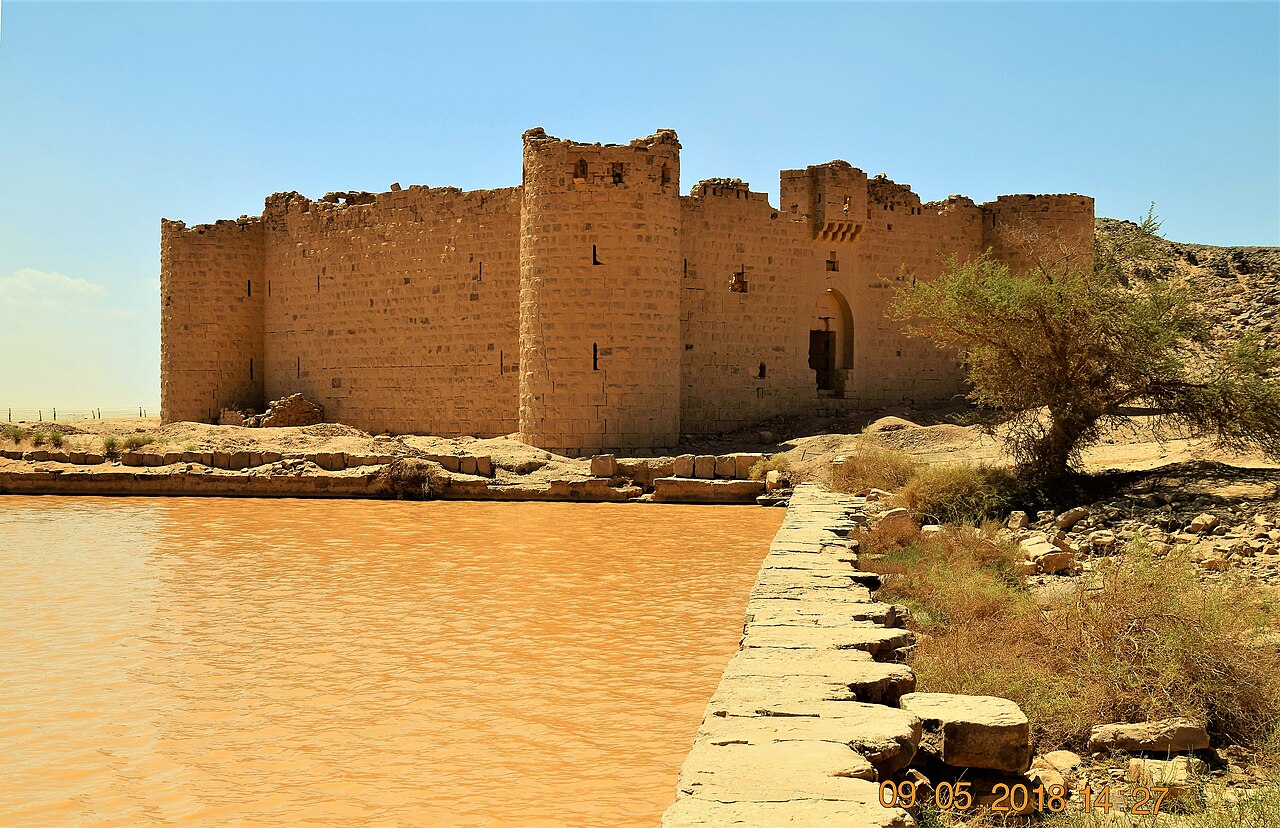
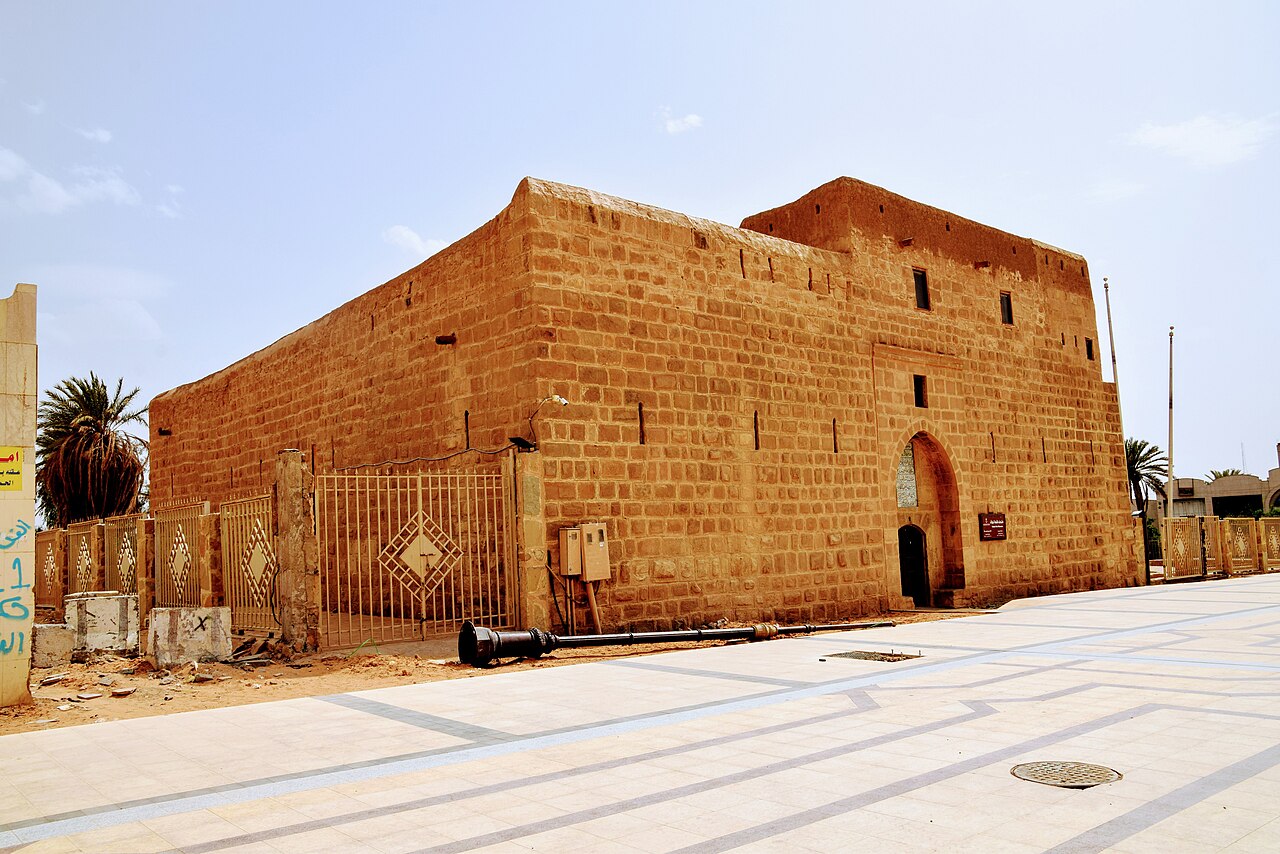
Marid Castle exhibits a complex architectural evolution reflecting multiple construction phases and material adaptations across centuries. Originally designed with a rectangular plan, the fortress now appears more oval due to structural modifications and natural wear over time. The castle is composed of two main floors, each demonstrating distinct building techniques and materials.
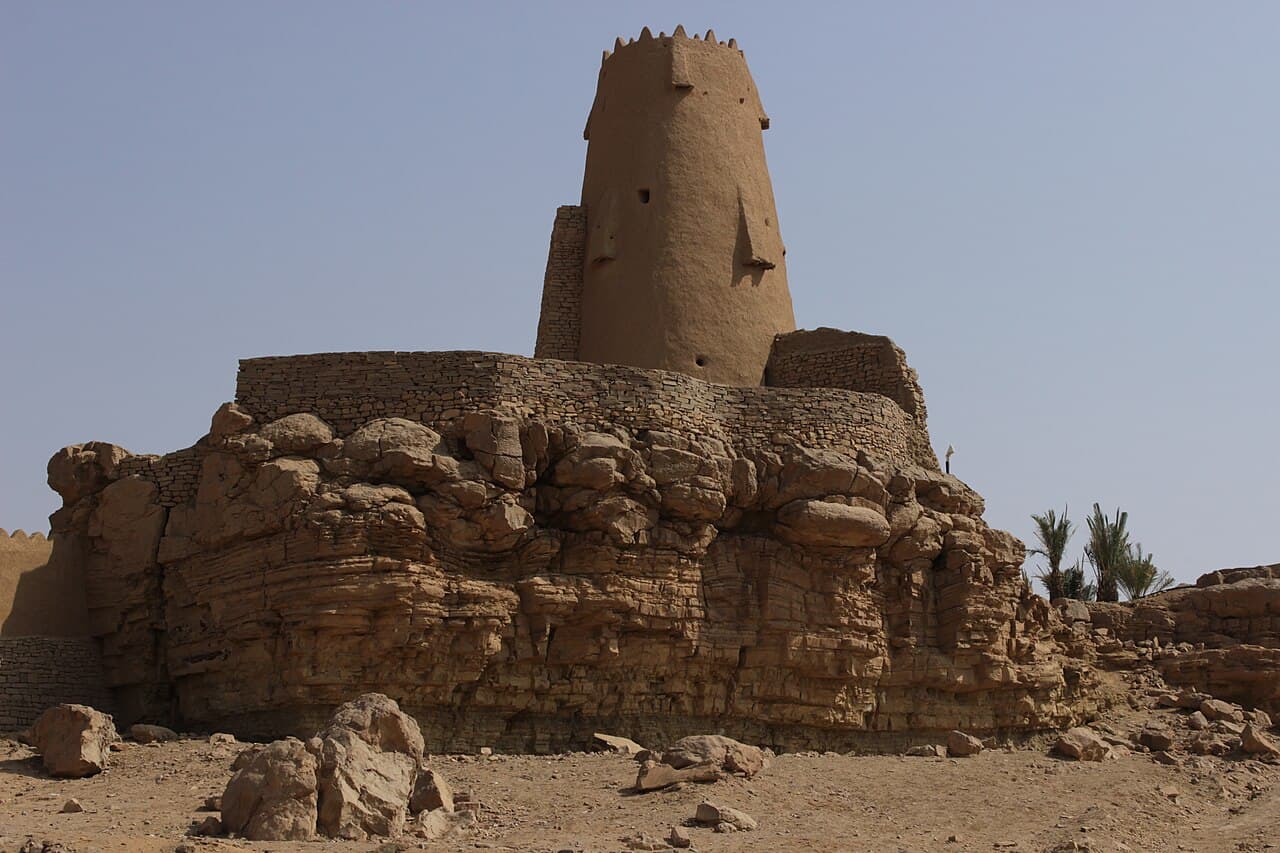
The lower floor is constructed from locally quarried "jandal" stone, a durable material that provides a solid and enduring foundation. This stonework is indicative of early construction phases, likely dating back to Nabataean times. The upper floor, by contrast, utilizes mudbrick construction, a material introduced during later periods to facilitate repairs and expansions. This combination of stone and mudbrick reflects adaptive architectural strategies to meet evolving defensive and residential needs.
The fortress is fortified by four conical towers, each approximately 12 meters in height, strategically positioned to enhance surveillance and defense. These towers were built at different times, illustrating the castle's long-term military significance and continuous upgrades. The castle's two primary entrances are located on the southern and northern sides, with the northern gate notably flanked by one of the conical towers, reinforcing its defensive strength.
Within the castle's interior, there are two wells that historically ensured a reliable water supply during sieges, underscoring the fortress's preparedness for prolonged defense. Multiple rooms served specific military functions, including quarters for guards and archers, as well as observation posts. The surrounding stone curtain walls are equipped with numerous observation openings and are aligned with the main gates, facilitating comprehensive surveillance and protection.
Courtyard and ancillary structures
The castle's courtyard contains clusters of mudbrick buildings on the northeastern and southeastern sides. These structures are recognized as later additions, reflecting the castle's continuous occupation and adaptation. On the northwestern side of the courtyard stands a two-story stone building, representing another phase of construction and possibly serving administrative or residential purposes.
The use of mudbrick extends to upper sections of the walls and staircases, indicating ongoing maintenance and architectural evolution. Visitors today can ascend a winding staircase of approximately 1,000 steps to reach the castle's peak, highlighting the fortress's elevated position and its strategic advantage for observation and defense.
Historical significance and military role
Marid Castle has played a pivotal role in the military and political history of northern Arabia. Following its Nabataean origins, the fortress gained prominence during the early Islamic conquests. In 633 CE, the renowned Arab general Khalid ibn al-Walid incorporated Dumat al-Jandal and its fortress into the expanding Islamic empire, cementing its strategic importance as a military and administrative center.
Throughout the centuries, Marid Castle remained a focal point in regional power struggles. In the 19th century, it witnessed significant military action, including the 1853 bombardment by Talal Ibn Rashid who employed cannons to attack the fortress. Later, in 1909, a prolonged siege led by Nawwaf Ibn Sha’lan lasted ten months before the castle was successfully captured. These events illustrate the castle's enduring strategic value well into the modern era.
Archaeological discoveries and restoration efforts
Archaeological excavations conducted in the late 20th century revealed critical insights into the castle's long history. Findings included Nabataean and Roman-era ceramics dating to the 1st and 2nd centuries AD, confirming the site's early occupation and prosperity. Additionally, mass graves and multiple cultural layers attributed to the Nabataeans were uncovered in the surrounding area, providing valuable context for the region's historical narrative.
After a period of neglect, comprehensive restoration efforts began in the mid-1990s and continued into the early 2000s. These projects focused on rebuilding sections of the castle and adjacent mosque structures, aiming to preserve the site's architectural integrity and cultural heritage. Further repairs and enhancements were initiated in 2018 by the Saudi Commission for Tourism and National Heritage, ensuring ongoing conservation and facilitating visitor access.
Cultural and touristic importance
Today, Marid Castle is recognized as a significant cultural landmark in Saudi Arabia. Its commanding hilltop location, combined with well-preserved architectural elements, offers visitors a tangible connection to the region's ancient and medieval past. The castle's extensive history, from its Nabataean origins through Islamic and modern periods, makes it a vital site for understanding the historical dynamics of northern Arabia.
Visitors can explore the castle's diverse architectural features, including its towers, gates, walls, and internal rooms, while enjoying panoramic views of Dumat al-Jandal and the surrounding desert landscape. The site also serves as an educational resource, illustrating the evolution of military architecture and regional history over nearly two millennia.
Marid Castle's preservation and ongoing archaeological research continue to enrich knowledge of Arabian heritage, making it a cornerstone of Saudi Arabia's cultural tourism and historical scholarship.
Frequently asked questions (FAQ)
- How do I get to Marid Castle?
- Marid Castle is located in Dumat al-Jandal, Saudi Arabia, easily accessible by road. Visitors can reach the castle by car or taxi from nearby cities, with clear signage directing the way. It's advisable to use a GPS or map application for the best route.
- What is the historical significance of Marid Castle?
- Marid Castle dates back to the pre-Islamic era and has played a crucial role in the region's history. It served as a defensive fortress and a strategic location for controlling trade routes. The castle is a testament to the architectural and cultural heritage of Saudi Arabia.
- When was Marid Castle built?
- Marid Castle was constructed in the 3rd century AD, making it one of the oldest fortifications in the area. Its architecture reflects the historical influences and construction techniques of that era. The castle has undergone various restorations to preserve its structure over the centuries.
- Can I take photographs at Marid Castle?
- Yes, visitors are welcome to take photographs within the castle grounds. The stunning architecture and scenic views provide excellent opportunities for photography enthusiasts. However, it's recommended to respect any specific guidelines or restrictions that may be in place.
- Why is Marid Castle a popular tourist destination?
- Marid Castle attracts visitors due to its rich history and impressive architecture. The site offers a glimpse into Saudi Arabia's past and is a perfect spot for history buffs and tourists alike. Additionally, the scenic surroundings enhance the overall experience, making it a must-visit location.
- Is it possible to explore the interior of the castle?
- Yes, visitors can explore the interior areas of Marid Castle, where they can learn about its historical significance and architectural features. Guided tours may also be available, providing in-depth information about the castle's history. Always check for any restrictions or areas that may be closed for maintenance.
- What are the opening hours of Marid Castle?
- Marid Castle is typically open from 8 AM to 6 PM, allowing ample time for visitors to explore the site. It's advisable to check for any seasonal changes or special events that might affect these hours. Planning your visit during the morning or late afternoon can help avoid the midday heat.
- What are the ticket prices for visiting Marid Castle?
- Entry to Marid Castle is usually free, making it an accessible attraction for all visitors. However, some guided tours or special events may have associated fees. Always verify current pricing details before your visit to ensure a smooth experience.
- When is the best time to visit Marid Castle?
- The best time to visit Marid Castle is during the cooler months, from October to March, when temperatures are more comfortable for exploring. Early mornings or late afternoons are ideal for avoiding the heat and enjoying the scenery. Special cultural events may also take place during this period, enhancing your visit.
- Are there any nearby attractions to Marid Castle?
- Yes, there are several nearby attractions, including the ancient ruins of Dumat al-Jandal and Al-Far'a archaeological site. These sites offer additional insights into the region's history and culture. Visitors can easily plan a full day of exploration in the area.
Photo gallery

Information
Loading map...
Visitor reviews
No reviews yet. Been here? Write the first review and help other travelers!
Write the first reviewVisited this castle? Share your experience
Your review helps other travelers and adds first-hand knowledge to our encyclopedia.