Dar Anassir Castel
Dar Anassir Castel stands as a notable example of Ottoman military architecture in the southwestern region of Saudi Arabia. Located in the municipality of Abu Arish, this fortress was strategically positioned on a hill to oversee and control the surrounding area, serving as a defensive bastion during a period marked by regional conflicts and Ottoman expansion. Its construction dates back approximately 200 to 300 years, situating it firmly within the Ottoman era influence along the Red Sea coast.
The castle's historical significance is underscored by references in the Yemeni chronicle Al-‘Aqiq Al-Yamani, composed in the late 16th to early 17th century (around 989-991 AH), which mention Dar Anassir as an established stronghold. This indicates the fortress was already a key military installation well before the 18th century. Throughout its active years, the castle played a crucial role in regional defense, particularly during military campaigns involving Ottoman princes such as Jaafar and Ahmed bin Isa Al-Tabi. The siege led by Ahmed inflicted damage on the fortress, prompting repairs by the Ottoman governor of Jazan in 991 AH, which allowed the castle to remain operational through the first Ottoman period until 1036 AH.
Architectural design and construction
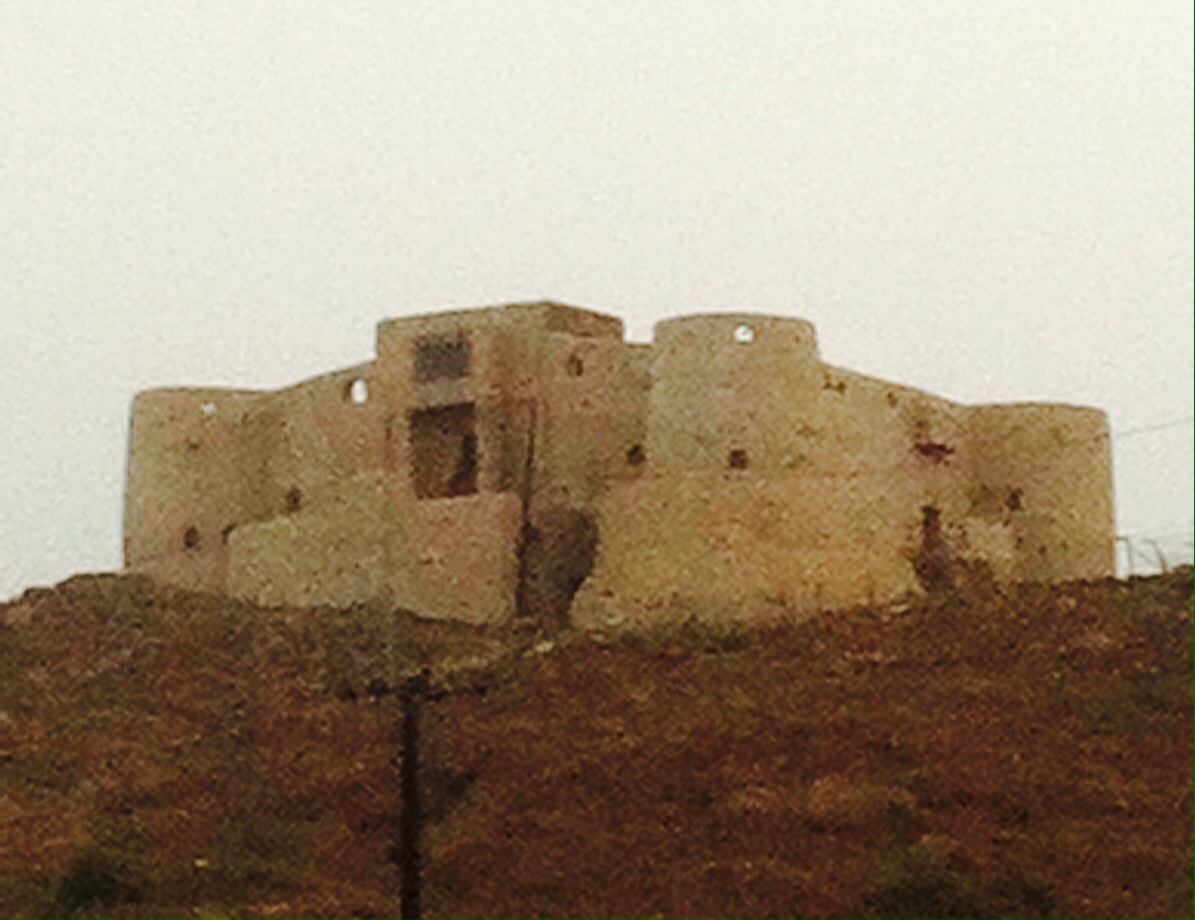
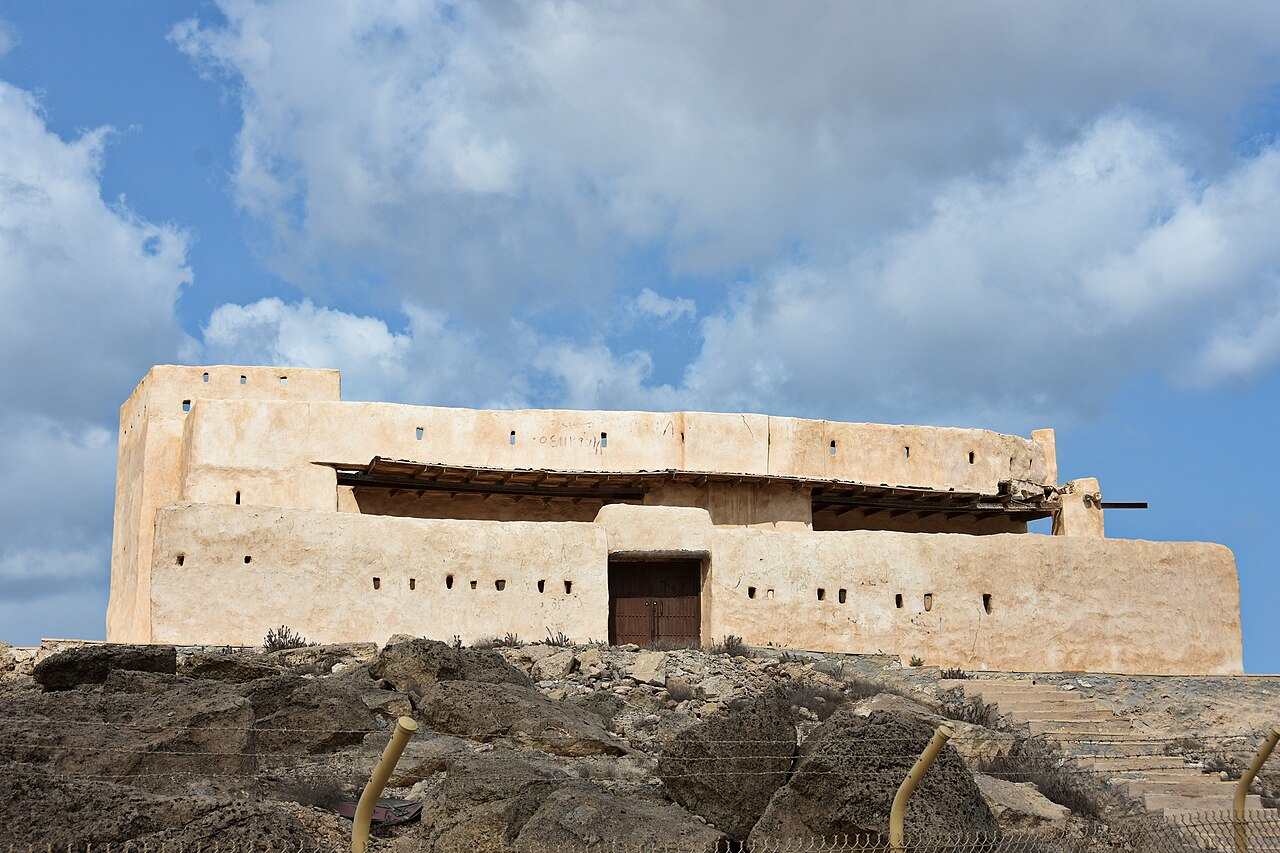
Dar Anassir Castel is constructed on a square plan, with each side measuring approximately 40 meters. The fortress is reinforced by circular towers at each of its four corners, a typical feature of Ottoman military fortifications designed to provide defensive coverage and eliminate blind spots. These towers are built primarily from stone, lending the structure considerable strength and resistance to siege tactics common in the region.
The walls and main body of the castle are composed predominantly of burnt bricks, each measuring roughly 25 by 15 by 10 centimeters. These bricks are bonded with a layer of mortar, demonstrating the skilled craftsmanship of local builders who combined traditional materials with Ottoman construction techniques. The roof structures incorporate Doum palm trunks, a native resource abundant in the Jazan valley, reflecting the adaptation of local materials for structural support.
Defensive features
Strategically placed along the upper sections of the external walls are small defensive openings or loopholes. These apertures allowed defenders to observe approaching enemies and to fire projectiles while remaining protected. The fortress's design is distinctly utilitarian, emphasizing defense over aesthetic embellishment. Decorative elements are minimal or absent, consistent with its primary function as a military installation rather than a noble residence or ceremonial site.
Historical context and military role
The castle's origins are intertwined with the broader history of Ottoman presence in the Arabian Peninsula, particularly in the Red Sea region. It served as a military outpost to secure Ottoman interests and to protect the surrounding territories from rival factions and external threats. The siege by Ahmed bin Isa Al-Tabi is a notable episode, illustrating the fortress's strategic importance and the turbulent nature of regional power struggles during that era.
Following the siege, the castle underwent repairs under the direction of the Ottoman governor of Jazan, which helped maintain its defensive role through the first Ottoman period until the early 17th century. Later restoration attempts, such as those initiated by Sheikh Abdullah Qadi in 1354 AH, were only partially completed, and the castle gradually fell into decline. The collapse of the main entrance gate around 1391 AH (circa 1971 CE) marked a significant point in its physical deterioration.
Current condition and preservation
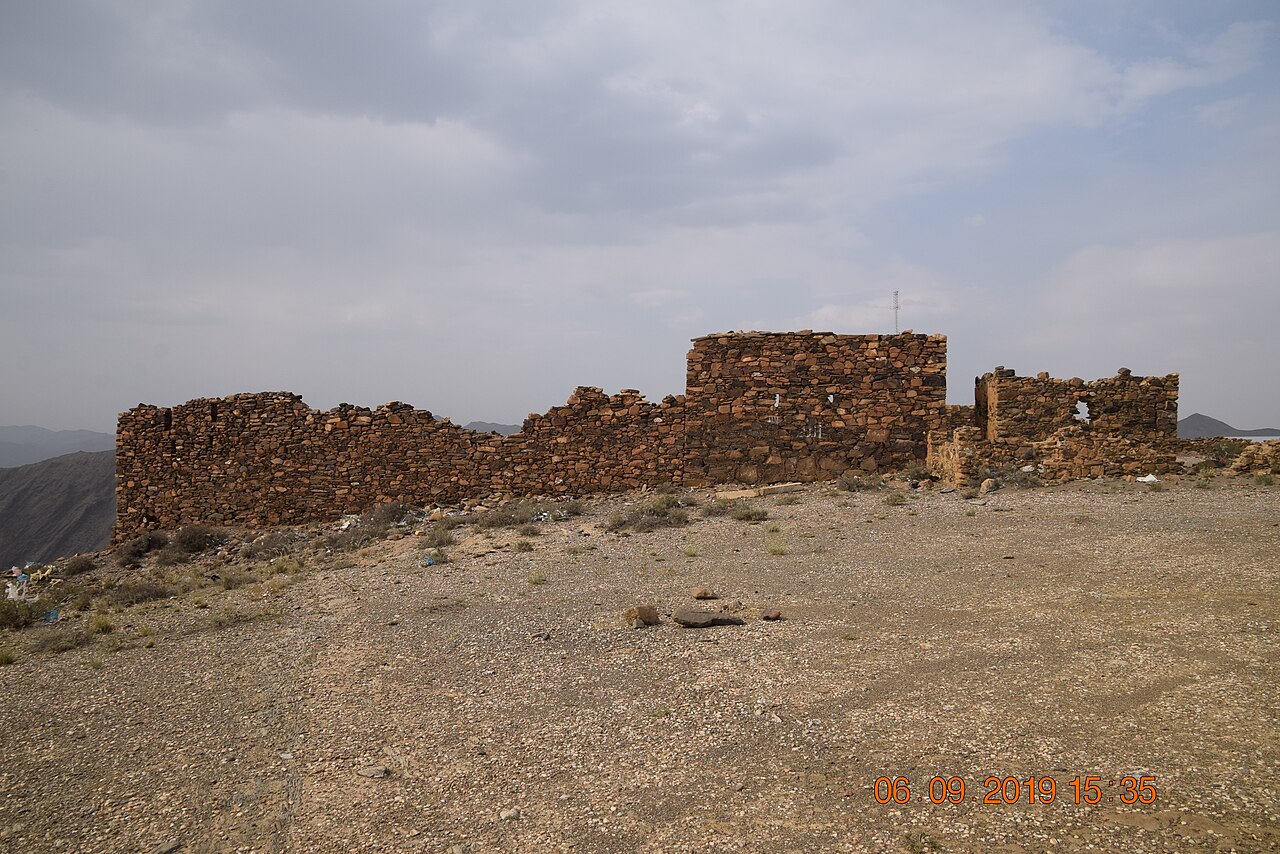
Today, Dar Anassir Castel remains as a partially preserved hill castle. While much of the structure still stands, including the corner towers and portions of the outer walls, it suffers from significant damage due to centuries of neglect, natural decay, and the impact of past conflicts. The main gate's collapse is one of the most visible signs of this deterioration.
Despite this, the castle retains key architectural elements that offer insight into Ottoman military fortification techniques adapted for the Arabian environment. The use of local materials like burnt bricks and Doum palm trunks illustrates the blending of imperial design with regional resources. The fortress continues to attract interest for its historical and architectural value, representing a tangible link to the Ottoman period in Saudi Arabia.
Cultural and regional significance
Dar Anassir Castel holds cultural importance as a symbol of the Ottoman legacy in the Arabian Peninsula. It reflects the military strategies and architectural practices employed to maintain control over key territories along the Red Sea coast. The castle also serves as a reminder of the complex history of the Jazan region, marked by shifting political powers and conflicts.
Efforts to preserve and study the site contribute to a broader understanding of Saudi Arabia's historical landscape and the role of fortifications in regional security. As a hill castle, Dar Anassir offers valuable insights into the defensive priorities of its era and the adaptation of Ottoman fortification principles to local conditions.
Visitor information and accessibility
While detailed visitor information is limited, those interested in military architecture and Ottoman history may find visiting Dar Anassir Castel rewarding. The site’s remote location and partial ruin status mean that access may be challenging, and visitors should prepare accordingly. Preservation efforts and potential future restorations could enhance accessibility and educational opportunities.
Frequently asked questions (FAQ)
- What is the historical significance of Dar Anassir Castel?
- Dar Anassir Castel is a military fortress dating back to the Ottoman period, playing a key role in regional defense and control in southwestern Saudi Arabia.
- When was Dar Anassir Castel built?
- The castle was constructed approximately 200 to 300 years ago, placing its origins in the 18th century during Ottoman rule.
- What are the main architectural features of Dar Anassir Castel?
- The fortress features a square plan with circular stone towers at each corner, burnt brick walls bonded with mortar, and roofs supported by Doum palm trunks.
- Can visitors access Dar Anassir Castel easily?
- Access may be limited due to its remote location and partial ruin condition; visitors should prepare accordingly and check local guidance.
- Why does Dar Anassir Castel lack decorative elements?
- The castle was designed primarily as a military defense post, focusing on functionality and protection rather than decoration.
Information
Loading map...
Visitor reviews
No reviews yet. Been here? Write the first review and help other travelers!
Write the first reviewVisited this castle? Share your experience
Your review helps other travelers and adds first-hand knowledge to our encyclopedia.