Castle of the Sorcerers

Castle of the sorcerers near taif, saudi arabia
Post-Renaissance (17th–18th c.)
Partially Preserved

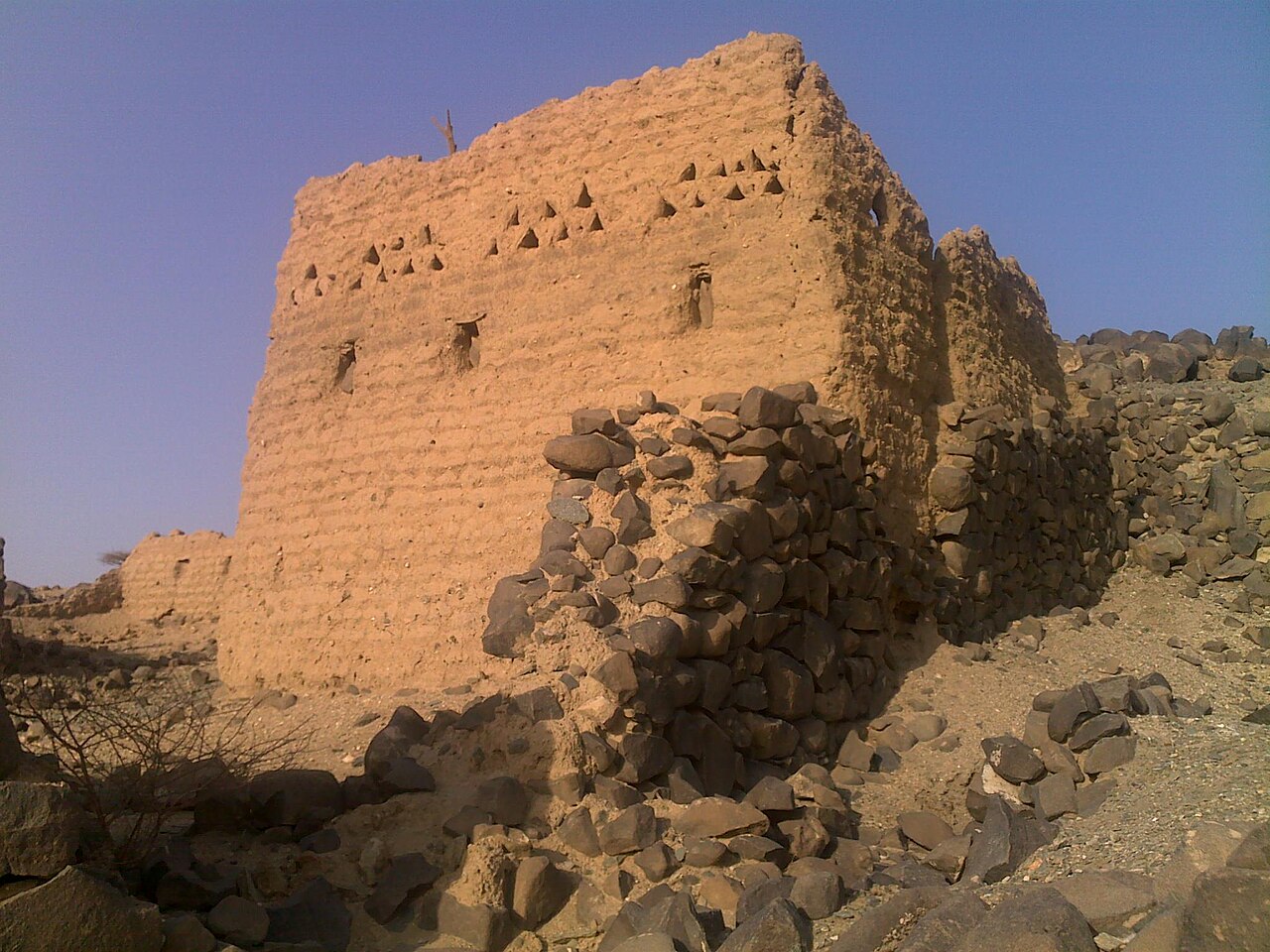
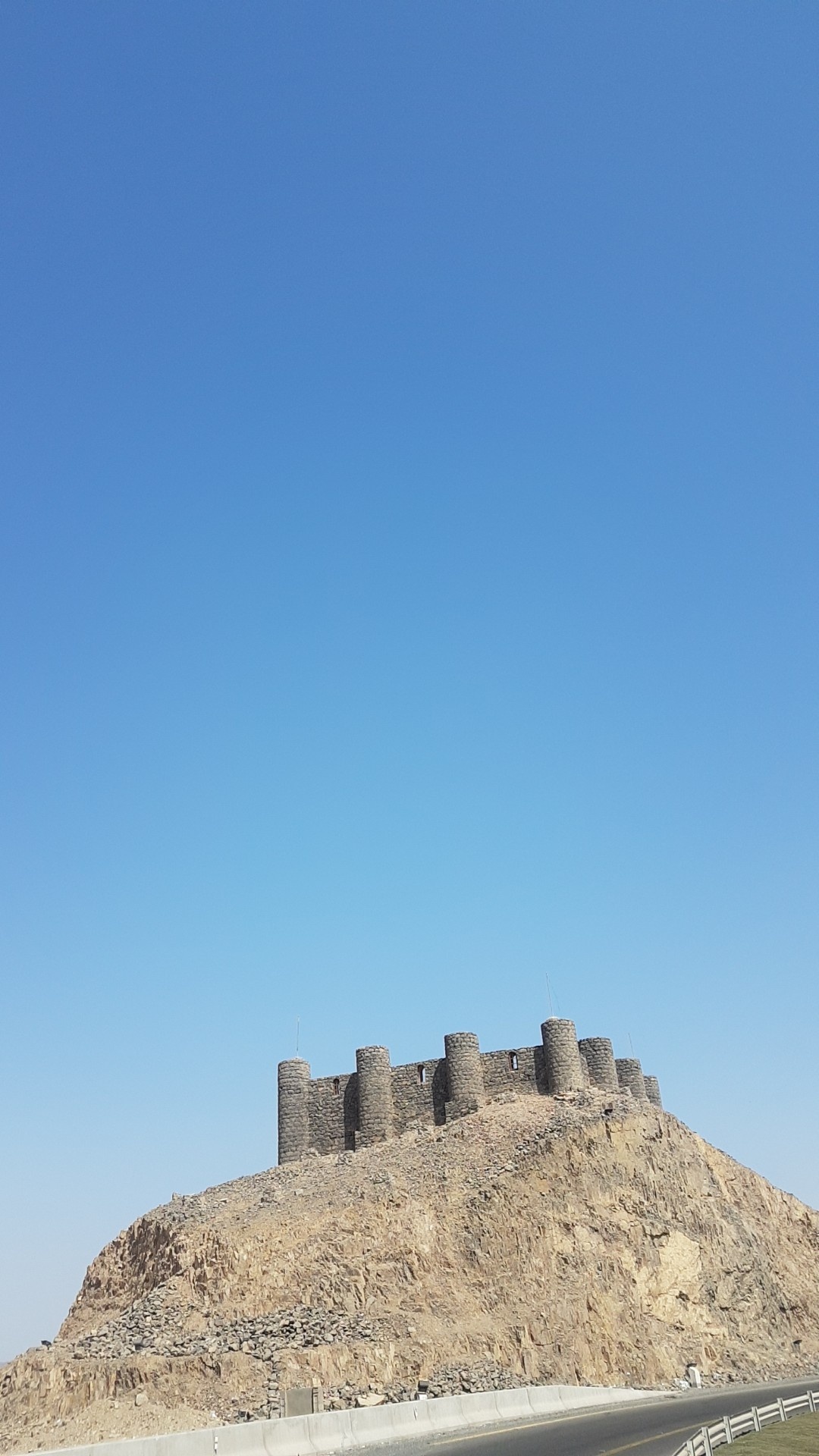
The Castle of the Sorcerers, located near Taif city in Saudi Arabia, is a historic fortress built by architects of the Abbasid civilization. Positioned on the northwestern slope of Mount Al-Arf, this elevated site has earned the castle several alternative names, including Mount Al-Arf Castle, Shaiq Castle, and Al-Sharif Castle. Its strategic location on a hillside provided natural defensive advantages and commanding views of the surrounding landscape, which was crucial for surveillance and protection during its active use.

Historical and archaeological evidence suggests that the castle was constructed in the late 13th century Hijri, corresponding to the 19th century CE. However, some sources, such as the Saudi Encyclopedia, propose an earlier origin dating back to the 12th century Hijri. The architectural style of the castle aligns with Abbasid design traditions, reflecting the cultural and political influences of the Islamic world during that era. The fortress likely served both defensive and administrative roles, leveraging its robust construction and reliable water supply system to sustain occupants during sieges or extended isolation.

Architectural design and construction techniques

The castle is built on a rectangular plan and rises to three stories in height, demonstrating a sophisticated adaptation to the mountainous terrain. The ground floor is constructed from sturdy materials designed to support the upper levels, while the second and third floors utilize mud-based materials to reduce the structural load on the foundation. This method illustrates the builders' understanding of weight distribution and durability, ensuring the fortress's stability over time.

Two prominent watchtowers are located at the northwest and southeast corners of the castle. These towers are notable for their decorative triangular patterns made from bright white marble, which stand out against the earthy tones of the mud walls. Their placement was strategic, providing extensive views for monitoring potential threats and controlling access routes to the fortress.

Water management and defensive features

Within the castle, several wells were carved to supply fresh water to the inhabitants, an essential feature for sustaining life during sieges. This water management system highlights the fortress's design focus on long-term defense and self-sufficiency. The presence of these wells indicates that the castle was intended for prolonged occupancy rather than temporary military use.

Cultural and historical significance of inscriptions

An exceptional aspect of the Castle of the Sorcerers is the presence of ancient inscriptions etched into its walls. These include scripts in Thamudic and Madani, which are among the earliest known writing systems in the Arabian Peninsula. Alongside these inscriptions, numerous animal and human figurative drawings have been discovered, suggesting the site held religious, cultural, or communicative importance beyond its military function.

The coexistence of these inscriptions with the later Abbasid architectural elements indicates a layering of historical significance, reflecting the castle's role as a symbol of continuity and cultural heritage in the region. These markings provide valuable insights into the diverse peoples and traditions that have occupied or influenced the site over centuries.

Historical context and strategic importance

Situated in the mountainous region near Taif, the Castle of the Sorcerers occupied a key position within the broader network of fortifications in the Arabian Peninsula. Its elevated location allowed control over important trade routes and regional communication lines. The castle's construction in the 19th century coincided with a period of political shifts and local power struggles, during which such fortresses played vital roles in territorial defense and administration.

The fortress's solid construction, combined with its water supply and watchtowers, suggests it was designed to withstand prolonged conflict and provide refuge for local leaders or military forces. Its enduring presence contributes to understanding the military architecture and historical dynamics of the late Islamic period in Saudi Arabia.

Preservation and current condition

Today, the Castle of the Sorcerers remains a significant archaeological and cultural site. Although some parts have deteriorated over time, the castle's main structural elements, including the watchtowers and foundational walls, are still visible and provide a valuable window into its original form. The site continues to attract researchers and visitors interested in the rich history and architectural heritage of the region.

Efforts to study and preserve the castle focus on maintaining its unique features, such as the ancient inscriptions and the distinctive marble decorations. These elements contribute to the castle's recognition as a monument of historical and cultural importance within Saudi Arabia.

Frequently asked questions (FAQ)

How do I get to the Castle of the Sorcerers from Taif city?
The Castle of the Sorcerers is located on the northwestern slope of Mount Al-Arf, near Taif city. Visitors can reach the site by car or taxi, with a short drive from the city center. The route involves mountainous roads, so it is advisable to use a suitable vehicle and check local guidance before traveling.
What is the historical significance of the ancient inscriptions at the castle?
The ancient inscriptions in Thamudic and Madani scripts found on the castle walls are among the earliest writing forms in the Arabian Peninsula. They indicate the site's long-standing cultural and religious importance, reflecting a continuity of occupation and symbolic meaning beyond the castle's Abbasid architectural phase.
Is the castle accessible for visitors year-round?
Yes, the Castle of the Sorcerers is open daily from 9:00 to 17:00. The site is accessible throughout the year, but visitors should consider weather conditions, especially during the hotter months, when mountainous terrain may be more challenging to navigate.
Are there guided tours available at the castle?
Currently, the castle does not offer official guided tours, but informational signage is available on-site to help visitors understand its history and architectural features. Local guides may be hired in Taif for a more detailed exploration of the region's historical sites.
What architectural features distinguish the Castle of the Sorcerers?
The castle is notable for its rectangular plan, three-story structure, and the use of mud materials on upper floors to reduce weight. Its watchtowers feature distinctive triangular marble patterns, and the castle includes carved wells for water supply, all reflecting a blend of Abbasid architectural traditions and local adaptations.

Information

Hill Castle

Opening hours

9:00-17:00, daily

Ticket prices

Free

Current owner

State museum

Loading map...

Visitor reviews

No reviews yet. Been here? Write the first review and help other travelers!

Write the first review

Visited this castle? Share your experience

Your review helps other travelers and adds first-hand knowledge to our encyclopedia.
Write a review

(5/5)

0/2000 characters

Your review will be visible after admin approval

Nearby castles

80.1 km
Ajyad Fortress — Saudi Arabia castle

Ajyad Fortress

Mecca, Saudi Arabia

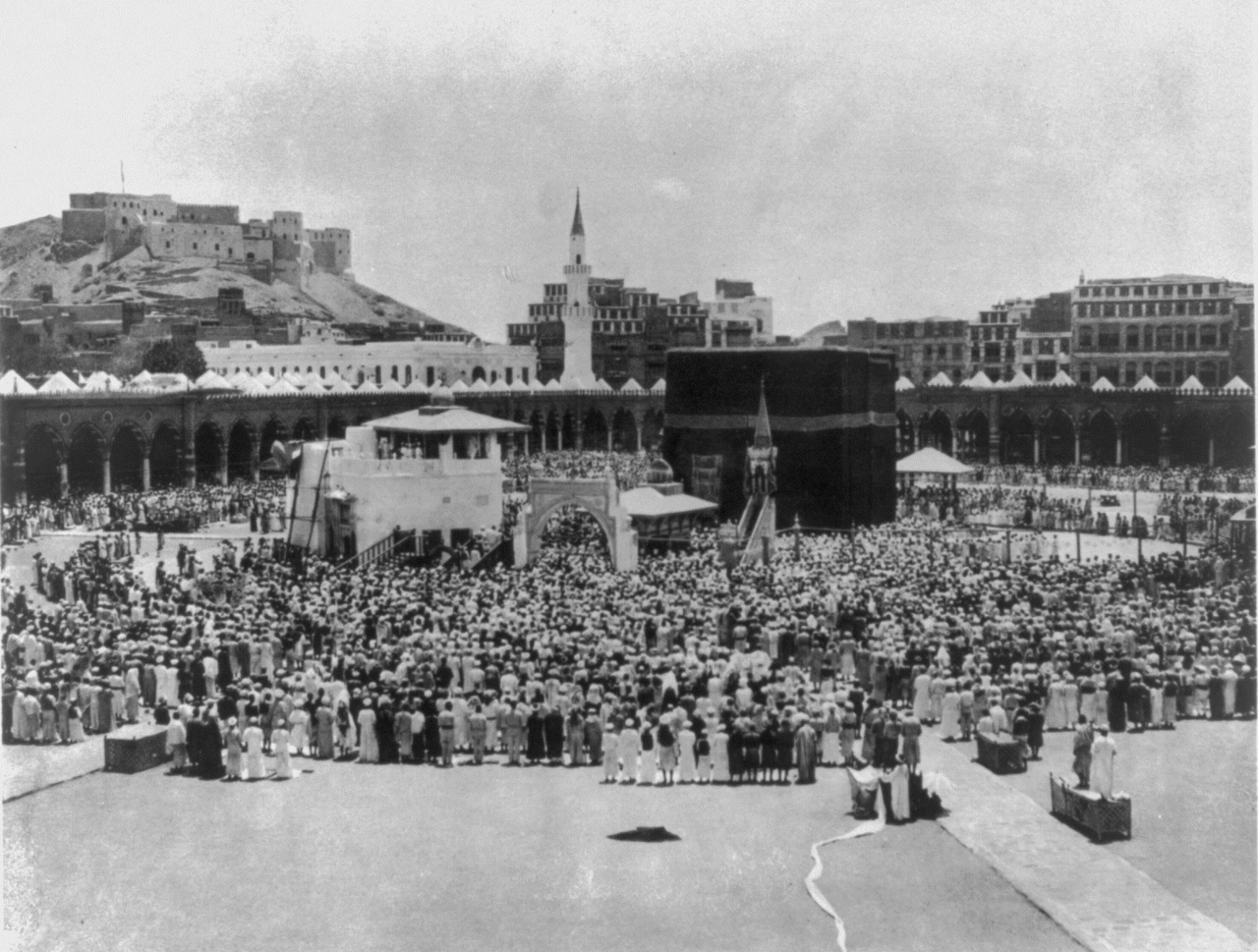
The Ajyad Fortress (Ottoman Turkish: قلعهٔ اجیاد, Turkish: Ecyad Kalesi; Arabic: قلعة أجياد) was a significant Ottoman-era citadel constructed in the late 18th century on a strategic hill overlooking the Grand Mosque of Mecca in present-day Saudi Arabia. Its location provided a commanding view of the holy site, underscoring its military and symbolic importance during the Ottoman period. The fortress was built to protect the sacred city and maintain Ottoman control over this critical religious and political center. Historical context and significance Constructed during the post-Renaissance period in the 18th century, the Ajyad Fortress represented the Ottoman Empire's efforts to fortify and secure Mecca, one of Islam's holiest cities. The fortress played a defensive role, guarding against potential threats to the city, including tribal conflicts and external invasions. Its presence was a physical assertion of Ottoman sovereignty in the Arabian Peninsula during a time of regional instability and shifting power dynamics. The fortress was named after the Ajyad district of Mecca where it stood. It was an important military installation throughout Ottoman rule, symbolizing the empire's commitment to protecting the Islamic holy sites and pilgrims visiting the Grand Mosque. Architectural features and design The Ajyad Fortress was a classic example of Ottoman military architecture adapted to the local terrain and climate. It was constructed primarily from stone and mortar, featuring thick defensive walls designed to withstand artillery attacks common in the 18th century. The fortress included battlements, watchtowers, and a central courtyard, typical of Ottoman fortifications of the era. Its elevated position on a hill provided strategic advantages, allowing defenders to monitor and control access routes to the Grand Mosque and surrounding areas. The fortress's design balanced functionality with the need to integrate into the urban fabric of Mecca, respecting the religious significance of its surroundings. Demolition and controversy Despite its historical and cultural significance, the Ajyad Fortress was demolished in 2002 by the Saudi government to make way for the Abraj Al Bait commercial development project. This decision sparked widespread protests, particularly from Turkey, which viewed the fortress as an important symbol of Ottoman heritage and Islamic history. The demolition raised concerns among Muslims worldwide about the preservation of Islamic architectural heritage and the impact of rapid urban development in Mecca. The removal of the fortress erased a tangible link to the city's Ottoman past, igniting debates about heritage conservation versus modernization in one of Islam's most sacred locations. Legacy and cultural memory Though the Ajyad Fortress no longer stands, it remains a potent symbol of the Ottoman Empire's historical presence in the Arabian Peninsula and its role in safeguarding Islamic holy sites. It is remembered through historical records, photographs, and the collective memory of those concerned with preserving Islamic cultural heritage. The fortress's story highlights the tensions between heritage preservation and urban development in rapidly growing religious cities. It also underscores the importance of balancing modernization with respect for historical landmarks that embody religious, cultural, and political identities.

Post-Renaissance (17th–18th c.)
Details
115.4 km
Shanqal Fort — Saudi Arabia castle

Shanqal Fort

Turubah, Saudi Arabia

Shanqal Fort (Arabic: قلعة شنقل) stands as a notable ruined fortification located near the city of Turubah in the Makkah Region of Saudi Arabia. The fort is situated in the village of Al-Labt, positioned to the east of the Turubah valley. It occupies a strategic position on a rocky slope that marks the northwestern boundary of the territory historically inhabited by the Al-Baqum tribe. The fort's elevation reaches approximately 1133 meters above sea level, providing commanding views over the surrounding landscape. Historical background and tribal significance Shanqal Fort is believed to have been constructed in the early 18th century, with historians dating its establishment to around 1729. This timing places the fort's construction within the post-medieval period of Arabian history, during which tribal leaders fortified their domains for both defense and residence. The fort is attributed to a wealthy prince from the Al-Baqum tribe, a significant tribal group in the region. According to historian Muhammad bin Ghanam, the fort likely served as the residence of the prince, possibly Sheikh Abdurrahman bin Sultan al-Badri, a prominent figure associated with the tribe. Architectural features and location The fort's location on a rocky slope was a deliberate choice, enhancing its defensive capabilities by utilizing natural terrain. Although now in a ruined state, Shanqal Fort originally would have included typical features of tribal fortifications of the time, such as thick stone walls to withstand attacks, battlements for surveillance and defense, and possibly watchtowers to monitor the surrounding valleys and approaches. The elevation of the fort at over 1100 meters above sea level not only provided a strategic military advantage but also symbolized the authority and control of the Al-Baqum tribe over this border area. The fort's proximity to the Turubah valley meant it could oversee important routes and act as a stronghold for the tribe's territorial claims. Cultural and historical importance Shanqal Fort holds cultural significance as a symbol of tribal power and heritage in the region. It reflects the social and political structures of the time, where tribal leaders established fortified residences to assert dominance and protect their communities. The fort is a physical reminder of the history of the Al-Baqum tribe and their role in the Makkah Region's historical landscape. Current condition and archaeological status Today, Shanqal Fort exists as archaeological ruins, with much of its original structure having deteriorated over time. The fort's remains offer valuable insights into the construction techniques and defensive strategies employed by tribal fortifications in 18th-century Arabia. Preservation efforts have been limited, and the site remains an important focus for archaeological study and heritage conservation within Saudi Arabia. Visiting shanqal fort Visitors to Shanqal Fort can explore the ruins and gain an appreciation for the historical and architectural legacy of the site. Its location near Turubah makes it accessible for those interested in the cultural history of the Makkah Region and the tribal heritage of Saudi Arabia. While facilities may be minimal due to its status as a ruin, the fort offers a unique glimpse into the past and the strategic importance of such fortifications in the Arabian Peninsula.

Post-Renaissance (17th–18th c.)
Details
137.1 km
Qishla of Asfan — Saudi Arabia castle

Qishla of Asfan

Jeddah, Saudi Arabia

The Qishla of Asfan stands as a significant Ottoman military fortress located near the village of Asfan within the municipality of Jeddah, Saudi Arabia. Constructed in the 18th century, this fortress was a crucial part of the Ottoman Empire's defensive network designed to secure vital trade and pilgrimage routes in the region, particularly the road connecting Mecca and Medina. Its strategic position on a basaltic hilltop allowed for comprehensive surveillance over the surrounding terrain, including the adjacent valleys and the main caravan route used by pilgrims traveling from the port city of Jeddah to Medina. Historical background and strategic significance The origins of the Qishla of Asfan likely extend back much earlier than the Ottoman reconstruction, possibly to the Abbasid period, although precise dating remains uncertain. Historical Muslim travelers such as Ibn Jubayr in the 12th century and Ibn Battuta in the 14th century mention fortifications in this area, underscoring the long-standing strategic importance of the site. While it is unclear whether these early references correspond directly to the current fortress, they indicate that the location served as a key military and protective installation along pilgrimage and trade pathways for centuries. During the Ottoman era, the fortress was either rebuilt or significantly enhanced to function as a garrison overseeing the critical road between Mecca and Medina. This route was essential for the safety of pilgrims undertaking the Hajj pilgrimage, making the Qishla a vital military outpost for protecting caravans and ensuring secure passage. Although the fortress served as a barracks and defensive position, there is no documented evidence of its direct involvement in major conflicts such as the Ottoman-Saudi (Wahhabi) War from 1811 to 1818. Architectural design and construction materials The fortress is characterized by its square-shaped layout featuring twelve strategically positioned towers. Four towers anchor each corner of the square, while two additional towers are placed along each wall, providing extensive coverage for surveillance and defense. This arrangement reflects the fortress's primary function as a military surveillance post. Construction materials include dark volcanic basalt stones sourced from the nearby mountainous terrain, chosen for their durability and availability. The fortress sits atop a hill composed of basaltic rock near the eastern edge of the Harrat lava field, with the Wadi al-Hamran valley forming a natural boundary to the northwest. These natural features enhanced the fortress's defensive capabilities and its control over the surrounding landscape. Internal layout and defensive features Inside the fortress, there are multiple chambers designed for garrison accommodations and ammunition storage. The structure also includes designated positions for light artillery, consistent with its role as a military outpost or Qishla—the Ottoman term for a barracks or fort. Some internal chambers were supported by columns at entranceways, portions of which collapsed over time but have been reconstructed in recent restoration efforts. Preservation, damage, and restoration efforts Modern infrastructure developments, particularly the construction of the Hijra highway, have impacted the fortress's surroundings and caused partial damage to the site. Portions of the hill supporting the fortress were removed during road construction, leaving parts of the structure precariously close to the cliff edge. The entrance to the lower chambers remains damaged, with ongoing conservation efforts required to prevent further deterioration. Restoration work initiated by the local municipality in 2015 aimed to stabilize the ruins and improve accessibility. These efforts included reconstructing collapsed columns and reinforcing walls and towers that remain in a stable and visible condition. Despite these interventions, some sections of the fortress continue to show the effects of environmental exposure and human activity. Cultural and historical importance Although no inscriptions or written dedications have been found at the site, the fortress's location and architectural features underscore its role in securing one of the most important pilgrimage routes in the Islamic world. As a military barracks and surveillance post, the Qishla of Asfan contributed to the protection of pilgrims and trade caravans traveling between Jeddah, Mecca, and Medina. Its preservation offers valuable insights into Ottoman military architecture and the strategic measures employed to safeguard critical routes in the Arabian Peninsula. Today, the Qishla of Asfan remains a testament to the region's layered history, reflecting the military, cultural, and religious significance of the site. Visitors and scholars alike recognize the fortress as an important heritage landmark that encapsulates centuries of defensive architecture and the enduring importance of pilgrimage pathways in Saudi Arabia.

Post-Renaissance (17th–18th c.)
Details