Masmak Fort
Masmak Fort, also known as Al Masmak Palace, is a significant historic bastioned fortress located in the ad-Dirah neighborhood of Riyadh, Saudi Arabia. Constructed primarily of clay and mudbrick, this fortress stands as a durable example of traditional Arabian defensive architecture from the late 19th century. It lies near the al-Hukm Palace in the Qasr al-Hukm District, a historically important area within the city.
Construction and architectural features
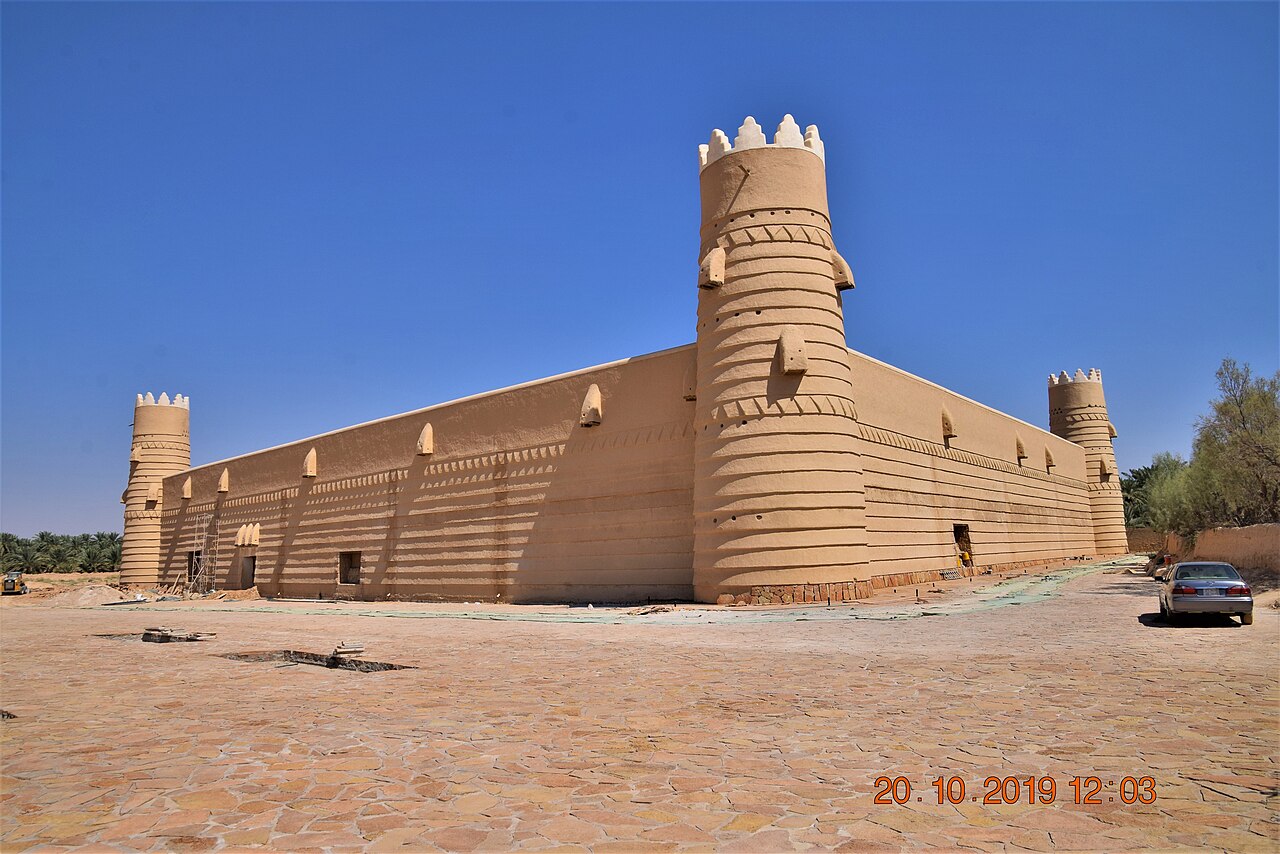
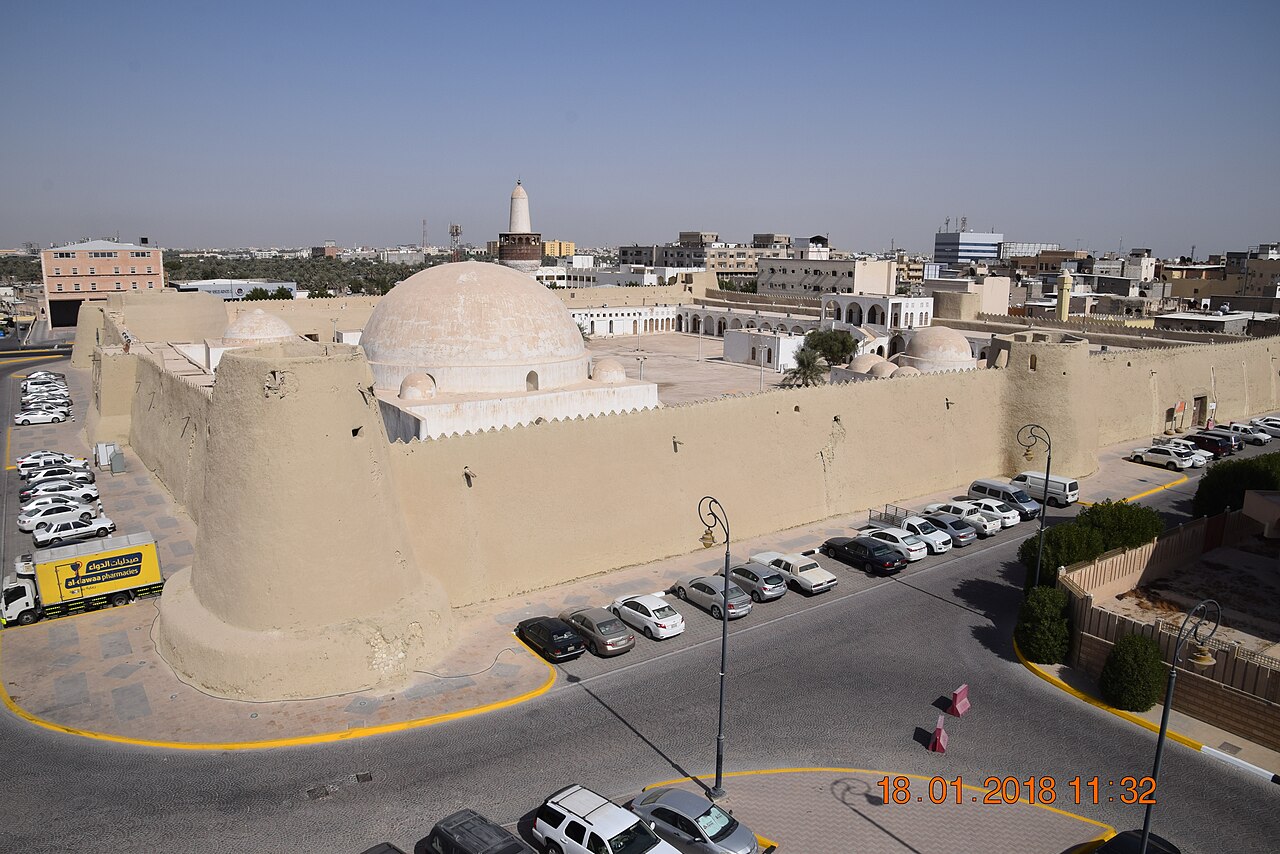
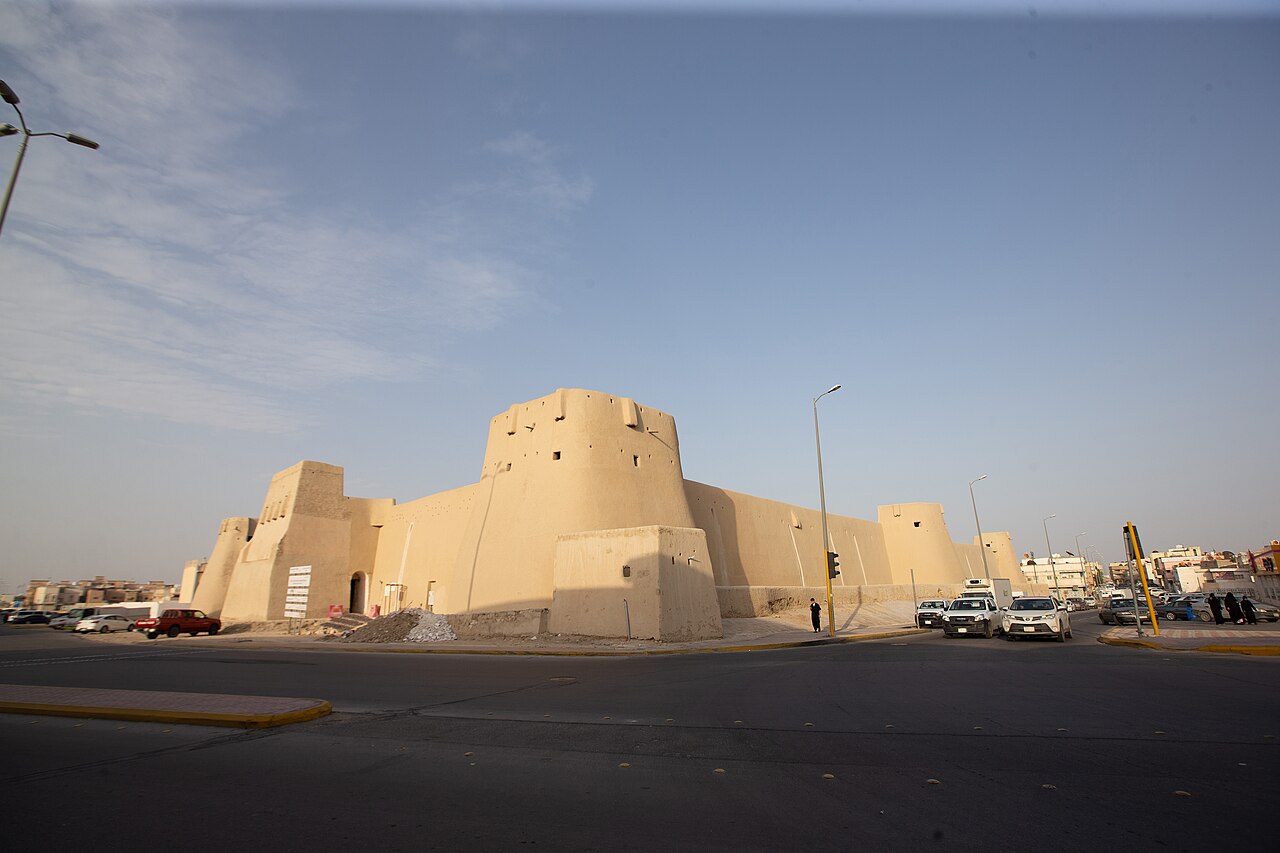
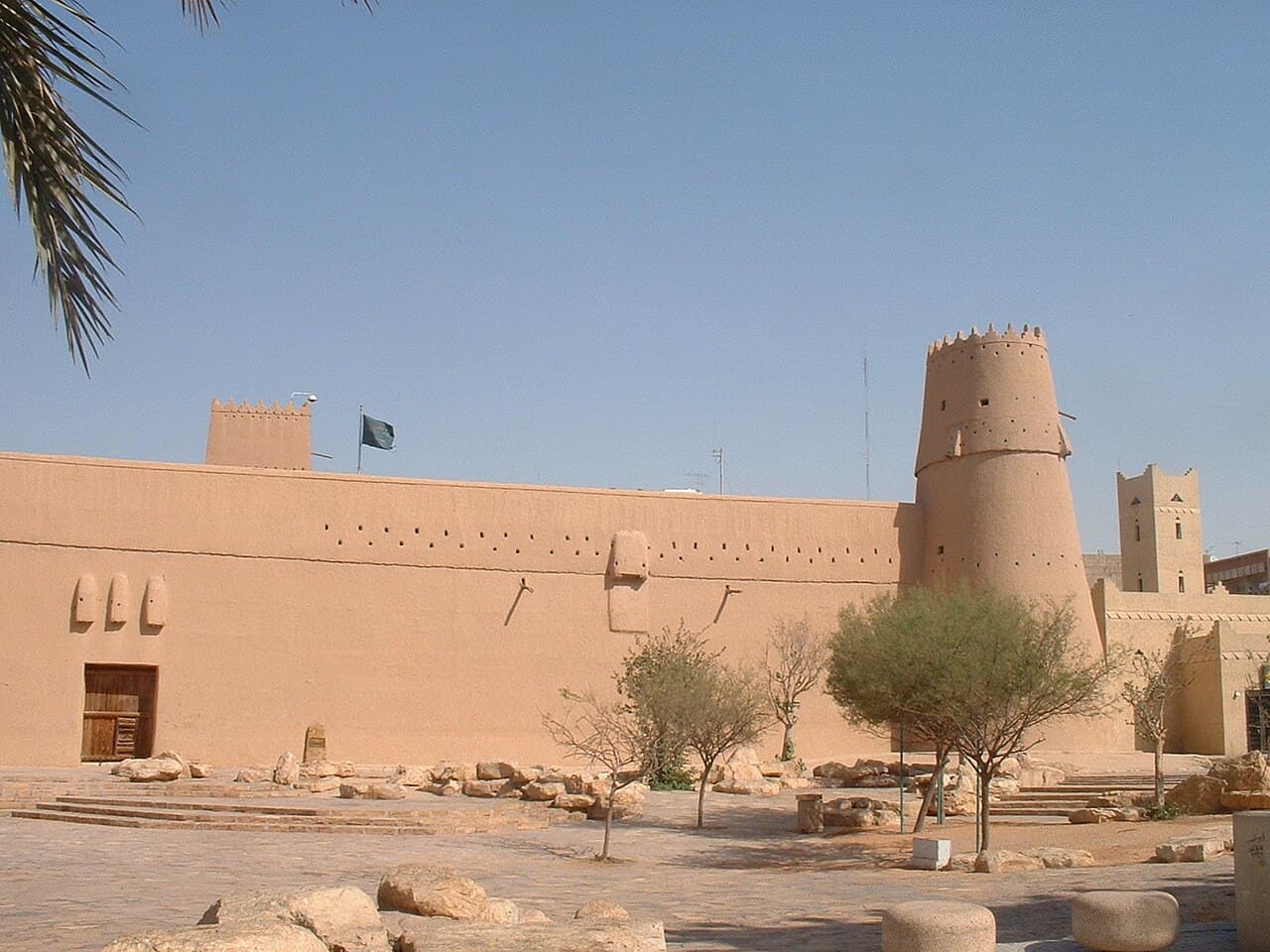
The fort was commissioned in 1865 by Abdullah bin Faisal Al Saud and completed around 1895, during a period of regional power struggles. Its design reflects the practical needs of defense and control, featuring thick mudbrick walls that rise approximately 8 to 14 meters high, and a footprint roughly 43 by 46 meters. The fortress is characterized by its bastioned corners, which provided vantage points for guards to monitor and defend the surrounding area.
Masmak Fort’s main entrance is a large, heavy wooden door reinforced with iron spikes, designed to withstand attacks. Inside, the fort contains a central courtyard surrounded by various chambers, including storage rooms, living quarters, and a mosque. The thick walls and small windows were typical defensive features intended to protect inhabitants from sieges and raids.
Historical significance and the battle of riyadh
Masmak Fort holds a pivotal place in the history of Saudi Arabia due to its role in the Battle of Riyadh in 1902. This battle was a decisive moment when Ibn Saud led a small force to recapture Riyadh from the rival Rashidi dynasty. The successful assault on the fortress marked the beginning of the unification of Saudi Arabia under the House of Saud.
The fort’s strategic location and robust construction made it a key military asset. After the battle, it continued to serve as a symbol of Saudi sovereignty and resilience. Its capture was not only a military victory but also a significant morale boost for Ibn Saud’s campaign to consolidate power across the Arabian Peninsula.
Conversion to museum and cultural importance
In 1995, Masmak Fort was converted into a museum and opened to the public, allowing visitors to explore its historical rooms and learn about its role in Saudi history. The museum displays artifacts related to the fort’s military past, including traditional weapons, photographs, and documents detailing the Battle of Riyadh and the early years of the Saudi state.
Today, Masmak Fort is an important cultural landmark in Riyadh, attracting tourists and locals interested in the heritage of Saudi Arabia. It also serves as an educational site, illustrating the architectural techniques and defensive strategies of the late 19th century in the Arabian Peninsula.
Architectural style and preservation
The fort exemplifies traditional mudbrick architecture common in the region during the late 19th century. Its bastioned fortress design incorporates elements suited to the desert environment, such as thick walls for insulation and minimal openings to reduce heat and exposure.
Despite its age, Masmak Fort is well preserved, with ongoing maintenance ensuring the stability of its clay and mudbrick walls. Restoration efforts have focused on preserving the original materials and construction methods, maintaining the fort’s authentic appearance and structural integrity.
Location and visitor information
Masmak Fort is situated in the heart of Riyadh’s old city, making it accessible for visitors interested in exploring the historical core of the capital. It is located near other significant sites such as the al-Hukm Palace, enhancing its appeal as part of a cultural and historical tour of Riyadh.
The museum is typically open daily, with guided tours available to provide deeper insights into the fort’s history and architecture. Visitors can experience the blend of military history and traditional Arabian architecture firsthand, gaining a comprehensive understanding of the fort’s role in shaping modern Saudi Arabia.
Frequently asked questions (FAQ)
- What is the historical significance of Masmak Fort?
- Masmak Fort is a key historical site in Riyadh, representing the birthplace of modern Saudi Arabia. Built in 1865, it played a crucial role in the unification of the kingdom under King Abdulaziz in 1902, making it a symbol of national pride.
- When was Masmak Fort built?
- Masmak Fort was constructed in 1865 during the reign of the Second Saudi State. Its strategic location and sturdy architecture were significant in the defense and governance of the area.
- Can I visit Masmak Fort?
- Yes, Masmak Fort is open to the public and welcomes visitors year-round. It offers a unique opportunity to explore Saudi Arabia's rich history and architecture.
- What are the opening hours for Masmak Fort?
- Masmak Fort is typically open from 8 AM to 9 PM daily, with extended hours during weekends. It is advisable to check for any changes in hours before your visit.
- Is there an entrance fee to visit Masmak Fort?
- Visiting Masmak Fort is free of charge, making it an accessible attraction for all visitors. This allows everyone to appreciate the historical significance without any financial barriers.
- What is the best time to visit Masmak Fort?
- The best time to visit Masmak Fort is during the cooler months, from October to March, when temperatures are more comfortable for exploring. Early mornings or late afternoons also provide a pleasant experience and beautiful lighting for photographs.
- How do I get to Masmak Fort?
- Masmak Fort is located in the heart of Riyadh, making it easily accessible by car or public transport. There are also local taxis and ride-sharing services available for convenient access.
- Are there nearby attractions to visit after Masmak Fort?
- Yes, several attractions are in close proximity to Masmak Fort, including the National Museum of Saudi Arabia and the vibrant Souq Al Zal. These sites offer additional insights into the culture and history of the region.
- What architectural features can I expect to see at Masmak Fort?
- Masmak Fort boasts traditional Najdi architectural elements, including thick mud-brick walls, majestic towers, and a large courtyard. The design reflects the defensive needs of the time while showcasing the artistry of the local craftsmanship.
Photo gallery

Photo by Baptiste Marcel•Public domain
Information
Loading map...
Visitor reviews
No reviews yet. Been here? Write the first review and help other travelers!
Write the first reviewVisited this castle? Share your experience
Your review helps other travelers and adds first-hand knowledge to our encyclopedia.