
Malta
Historical background and medieval period
The Maltese archipelago, situated strategically in the central Mediterranean, has a rich history of fortifications shaped by its tumultuous past. Throughout the centuries, Malta's location made it a coveted prize for various powers, including the Phoenicians, Romans, Arabs, Normans, and later the Knights Hospitaller. This succession of rulers deeply influenced the development of Malta’s defensive architecture.
During the medieval period, Malta’s fortifications began to take on more complex forms as the island evolved into a critical military stronghold. The arrival of the Knights Hospitaller in 1530 marked a turning point, initiating an intensive period of castle and fortress construction to defend against Ottoman incursions and piracy. These efforts established Malta as one of the Mediterranean’s most heavily fortified regions.
Continue reading below — scroll for the full article.
Castles in Malta
Discover 17 magnificent castles across the country
Types of fortifications in Malta
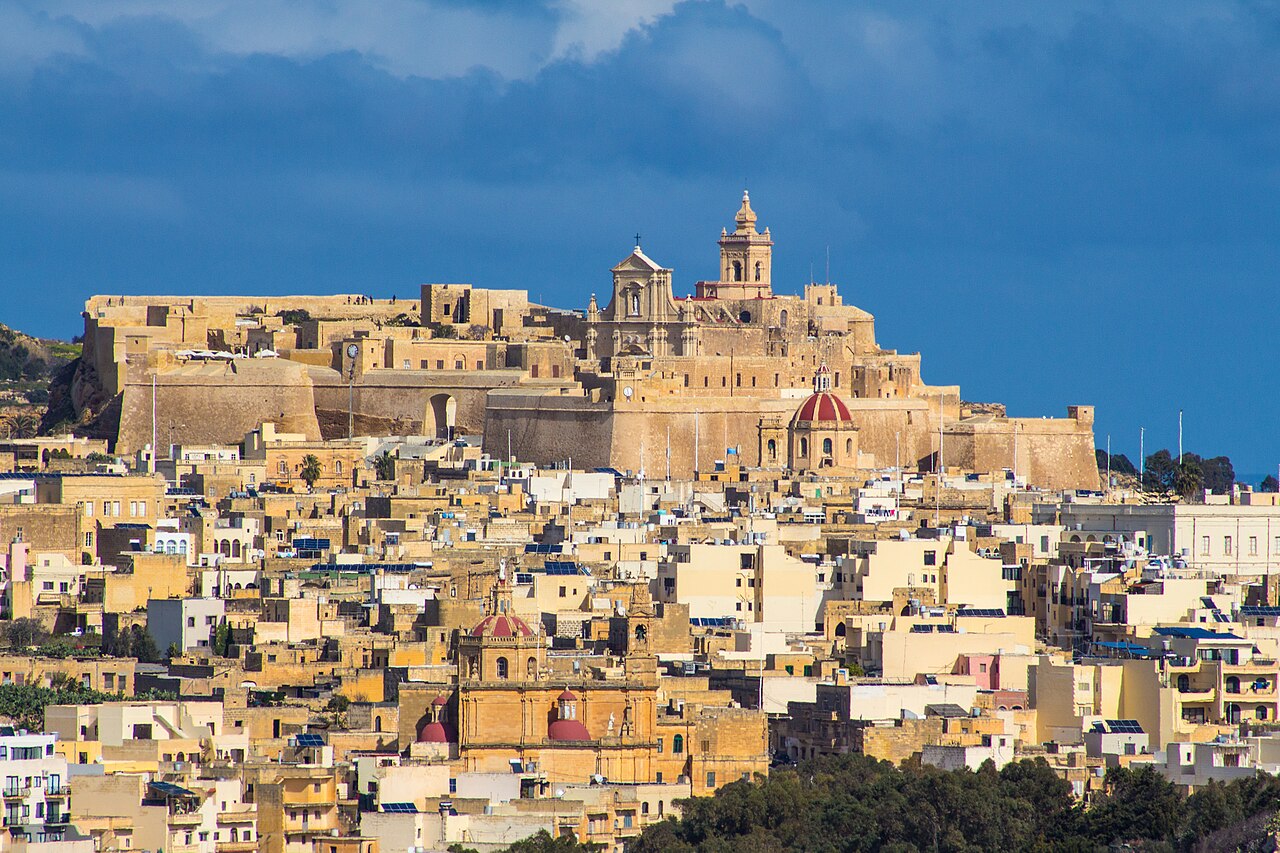
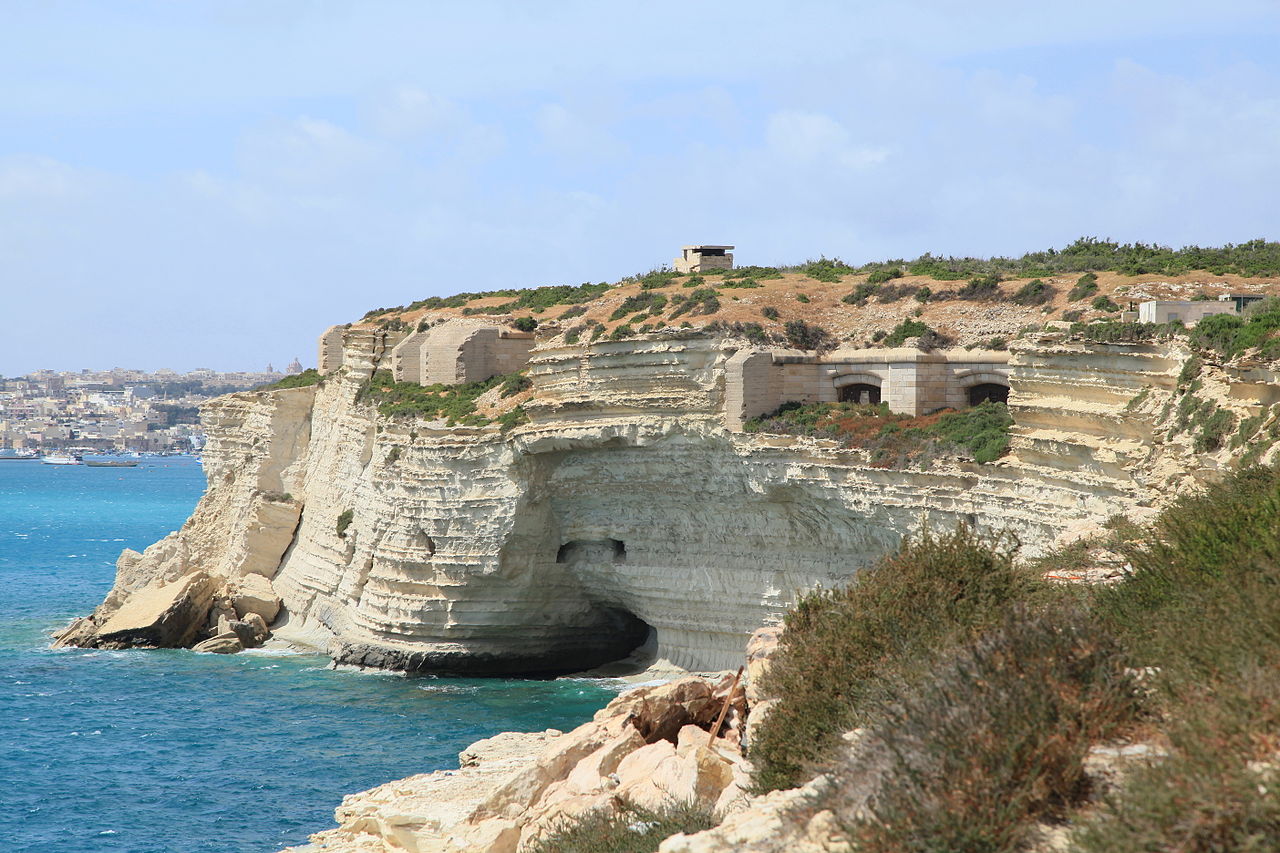
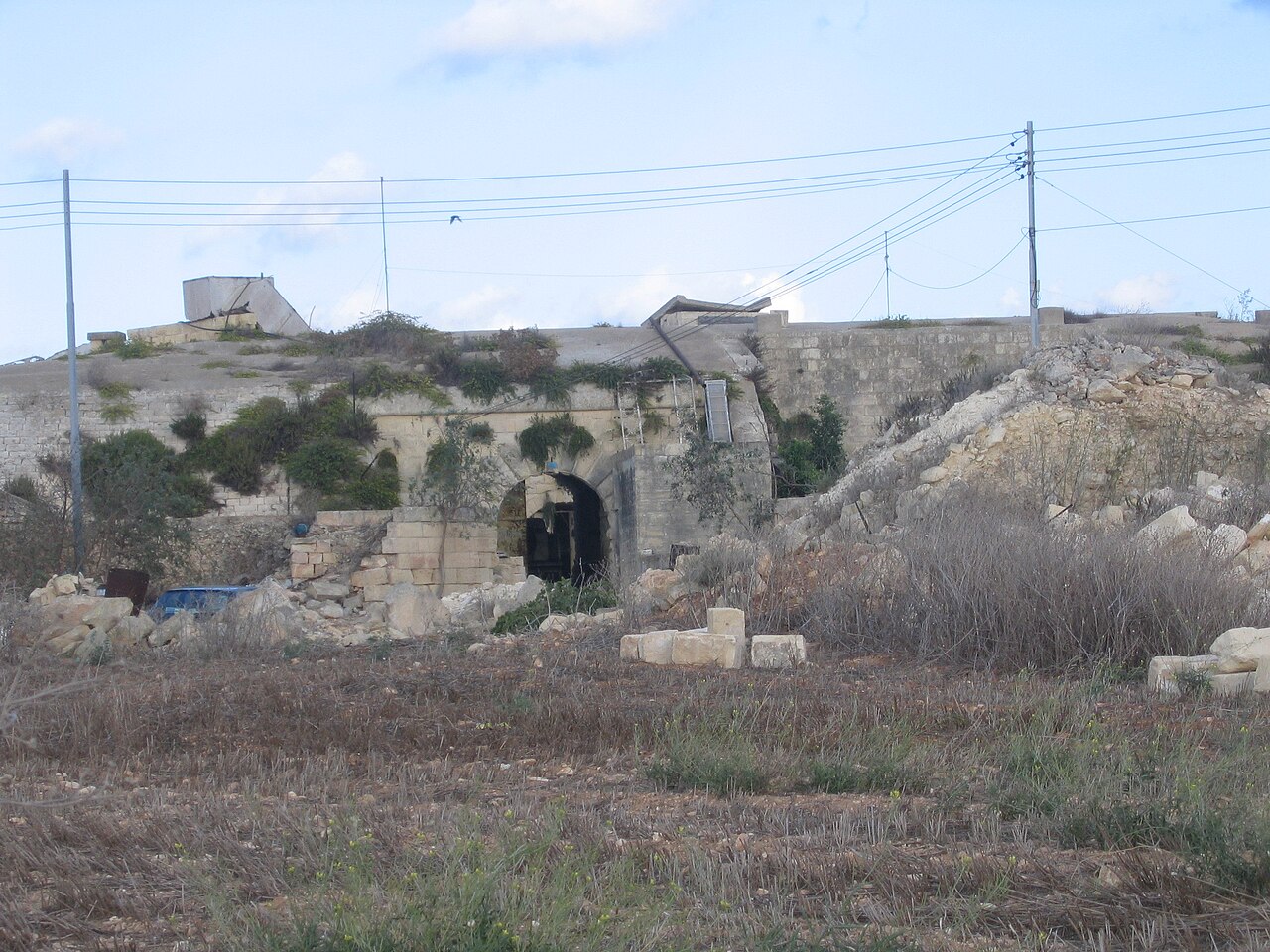
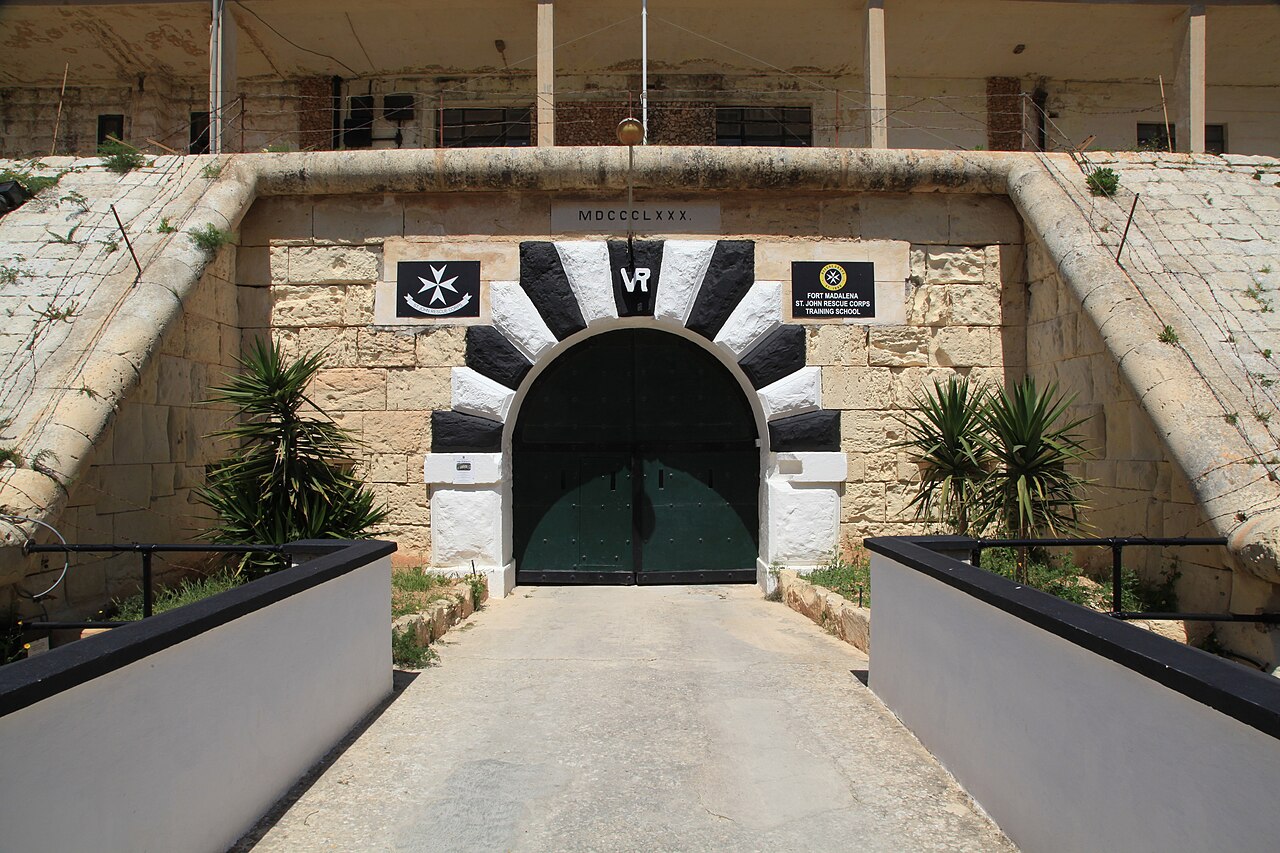
Malta's defensive heritage extends beyond traditional castles, encompassing a variety of fortifications tailored to different military needs and technological advancements. The island features castles, bastioned fortresses, city walls, coastal batteries, and watchtowers, each playing a strategic role in protecting the islands.
Castles and fortresses
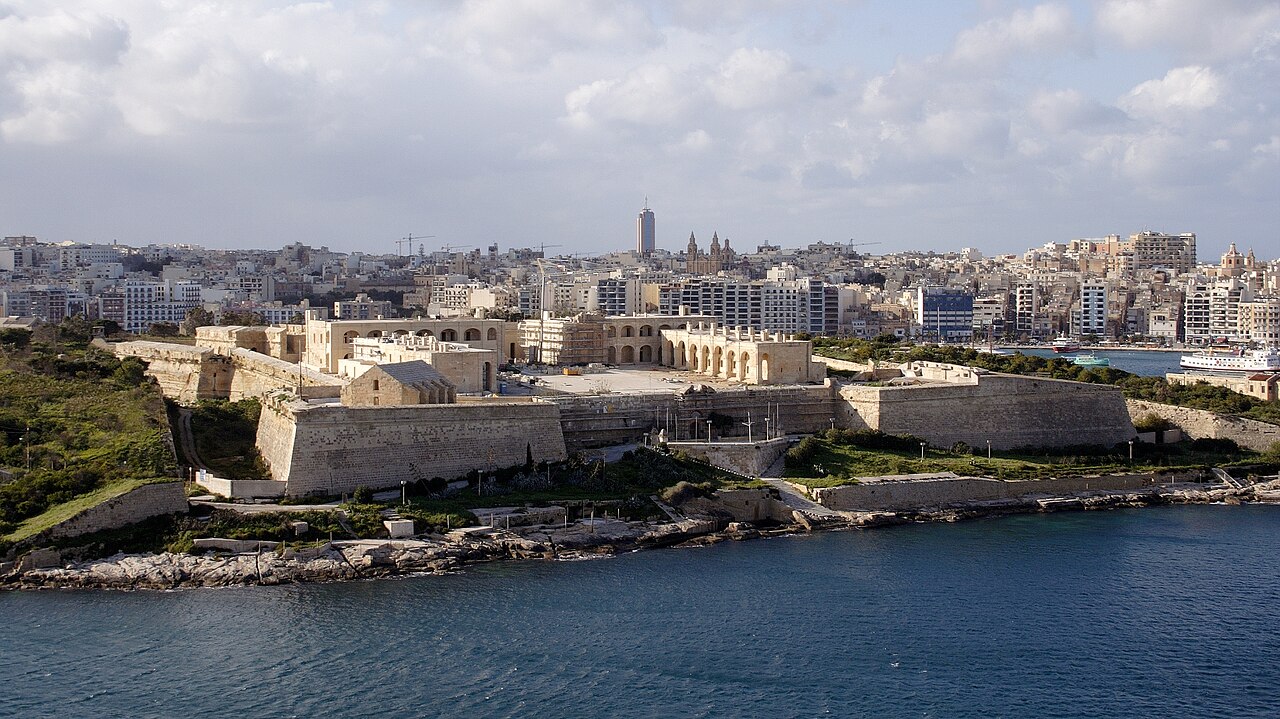
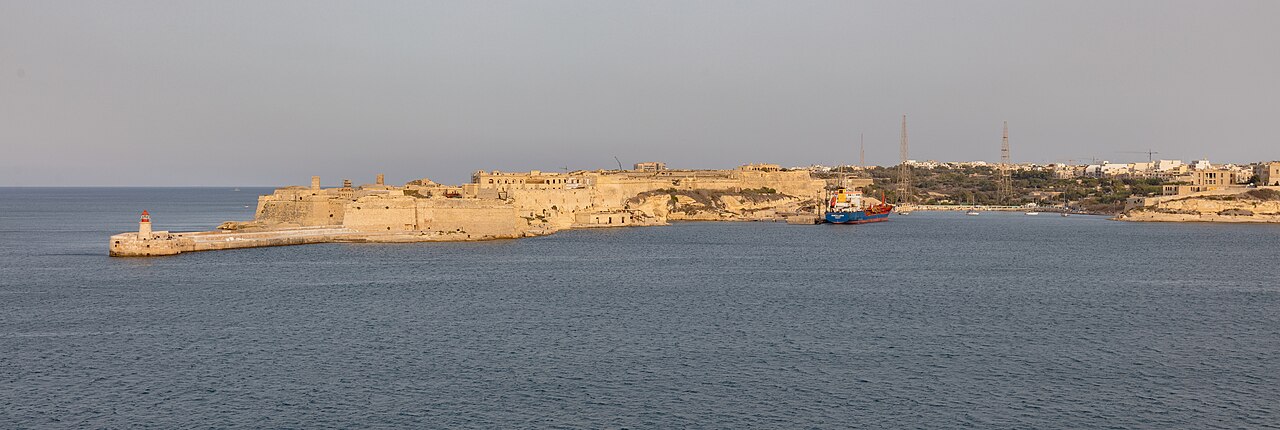
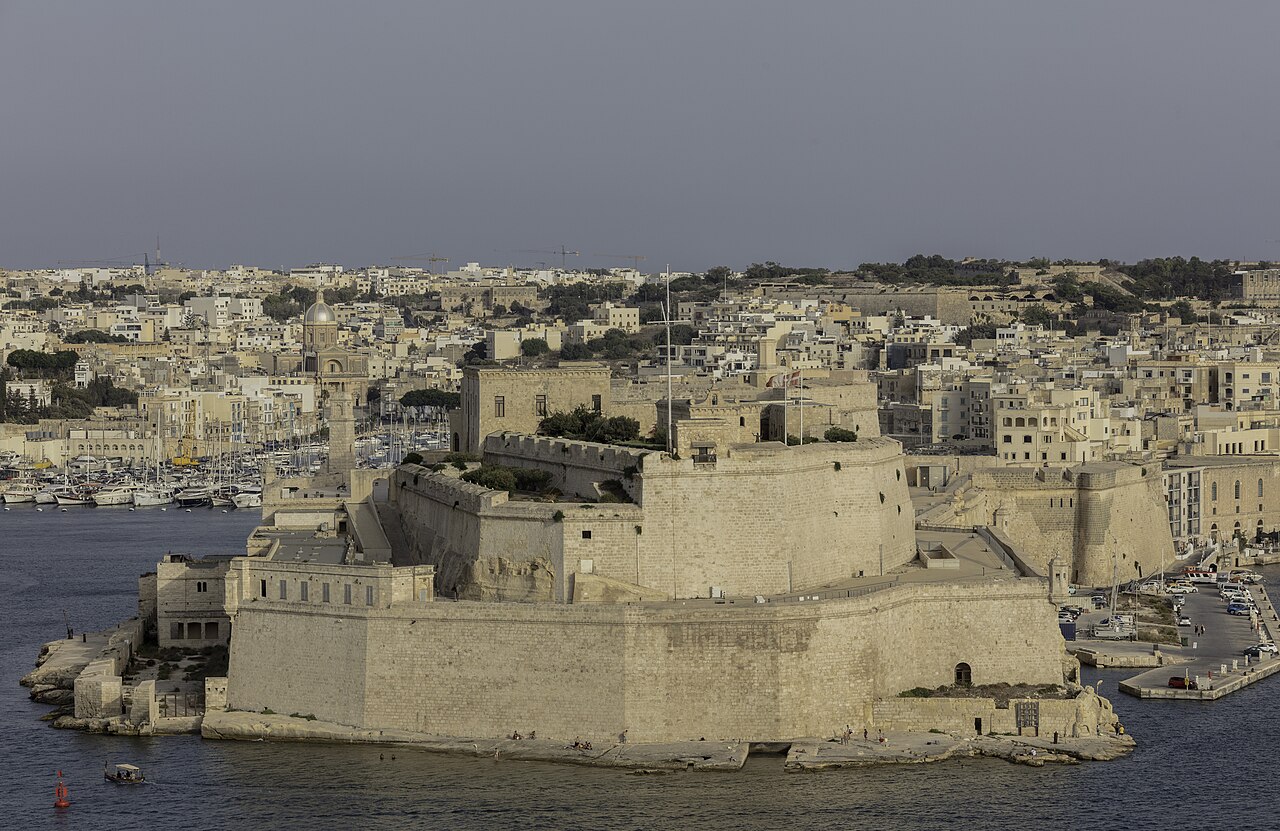
The term “castle” in Malta often refers to large fortified complexes rather than medieval keeps. One prime example is the Fort St. Angelo in Birgu, initially a medieval fort transformed extensively by the Knights into a formidable fortress. Similarly, Fort St. Elmo in Valletta exemplifies a star-shaped bastioned fortification designed for artillery defense, representing the evolution of military architecture in the 16th century.
Defensive walls and city fortifications
Valletta itself is encircled by massive bastioned walls constructed after the Great Siege of 1565. These walls, combined with the fortresses, created an integrated defense system. Earlier urban centers like Mdina also retain remnants of medieval walls that served as protective barriers against invasions during the Middle Ages.
Watchtowers and coastal defenses
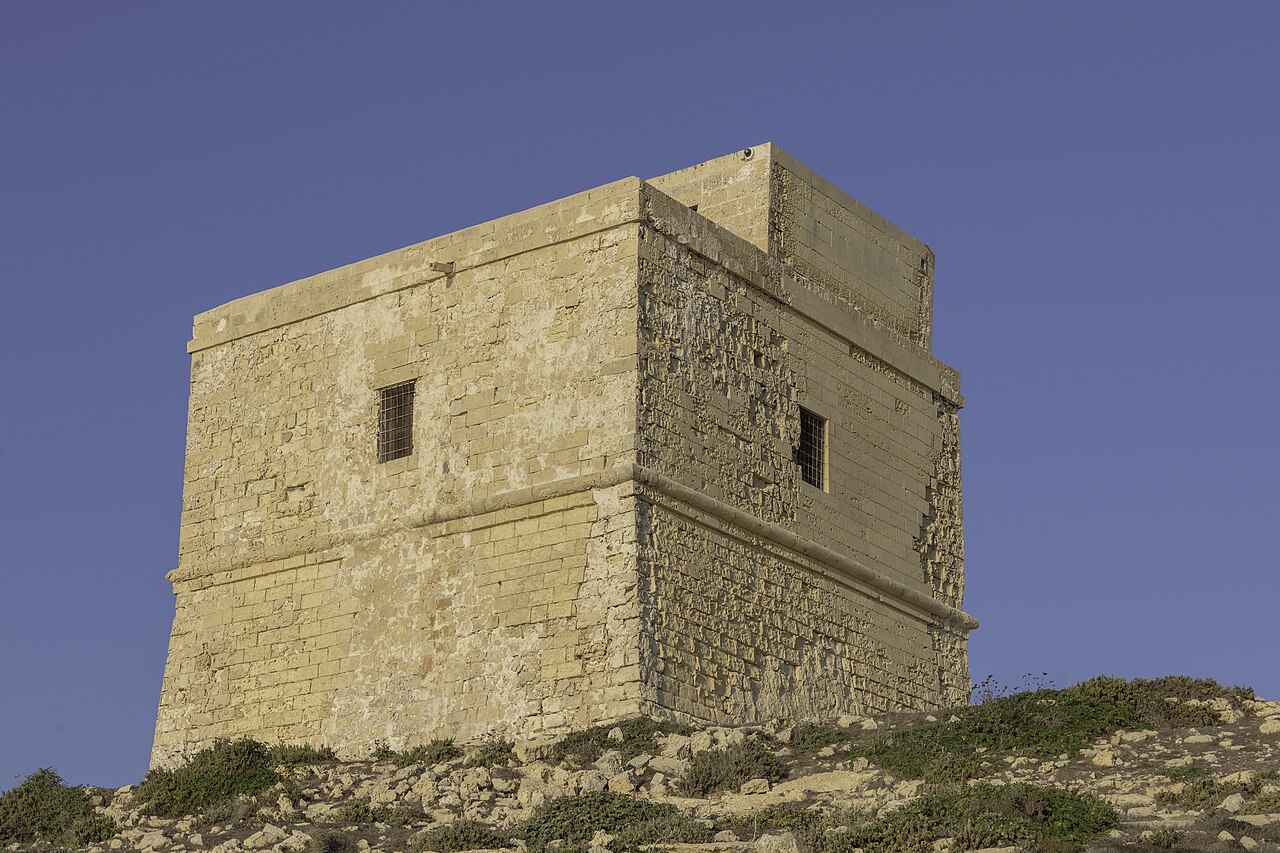
From the 17th century onward, the Knights and later British administrators built a network of watchtowers and coastal batteries to monitor and defend against seaborne threats. The Wignacourt, Lascaris, and De Redin towers are notable examples, strategically positioned to provide early warnings and defend vulnerable points along the coastline.
Architectural styles and influences
Malta's fortifications showcase a blend of architectural styles reflecting various cultural influences and military requirements over time. The island’s defensive structures evolved from medieval fortifications to Renaissance and Baroque military architecture, adapting to advances in artillery and siege warfare.
Medieval and early fortifications
Initial fortifications were primarily medieval in style, with thick walls and simple keeps, as seen in early parts of Fort St. Angelo. These were designed for defense against traditional siege tactics and infantry assaults.
Renaissance bastioned fortifications
With the introduction of gunpowder and cannons, Malta embraced the bastioned fortification system, characterized by angular bastions projecting from curtain walls to eliminate blind spots. The design of Fort St. Elmo and Valletta’s city walls exemplify this Renaissance military architecture, influenced by Italian and Spanish military engineers.
Baroque enhancements
During the Baroque period, fortifications were enhanced with ornate gates, chapels, and barracks that combined functionality with aesthetic qualities. This is evident in the decorative elements incorporated into some of the Knights’ fortresses, balancing military strength with symbolic grandeur.
Notable periods of castle construction
The construction of fortifications in Malta can be divided into distinct historical phases, each driven by geopolitical pressures and military innovation.
The medieval period and early fortifications
Before the arrival of the Knights, Malta’s defenses were relatively modest, focusing on natural harbors and simple fortified structures. Castles like the original components of Fort St. Angelo date back to this era, serving as strongholds for local rulers and early settlers.
The knights hospitaller period
From 1530 to the late 18th century, the Knights Hospitaller were the primary architects of Malta’s fortifications. After the Great Siege of 1565, they embarked on a massive building program including the founding of Valletta and the construction of Fort St. Elmo and other bastioned defenses. This period represents the zenith of Malta’s castle building and military engineering.
The british period and modernization
Under British rule (early 19th to mid-20th century), Malta’s fortifications were modernized to accommodate new artillery and emerging military technologies. Coastal batteries and underground tunnels were added, integrating Malta’s historic castles into a modern defense network.
Preservation and current state
Today, many of Malta’s castles and fortifications remain remarkably well-preserved, thanks to ongoing conservation efforts by governmental and heritage organizations. Forts such as Fort St. Angelo have been restored and adapted for cultural and public use, blending heritage preservation with contemporary relevance.
Despite this, some structures face challenges from urban development and environmental exposure. Efforts to maintain these monuments focus on balancing tourism, local needs, and safeguarding historical integrity. Malta’s commitment to preserving its fortification heritage has earned several sites recognition by international bodies and incorporation into cultural tourism routes.
Castle tourism and accessibility
Malta’s fortifications attract visitors interested in history, architecture, and military heritage. Key sites like Fort St. Elmo house museums that offer immersive experiences about the island’s military past and the Knights’ legacy. Guided tours and educational programs enhance public understanding of these complex structures.
Most major castles and fortresses are accessible to tourists, with interpretive signage and visitor facilities. The urban locations of many fortifications, such as those in Valletta and Birgu, make them convenient to explore alongside Malta’s other cultural attractions.
Cultural significance and heritage
Malta’s castles and fortifications are not only military relics but also potent symbols of the island’s identity and resilience. They represent centuries of struggle against formidable adversaries and the strategic importance of Malta in Mediterranean history.
The heritage embodied in these structures contributes to a strong national pride and serves as a focal point for cultural events and commemorations. Their preservation and celebration help maintain a tangible link to Malta’s medieval and early modern past, enriching the island’s cultural landscape.
Castle Locations in Malta
Explore all castle locations on an interactive map
Loading castle locations...