Fort Mosta
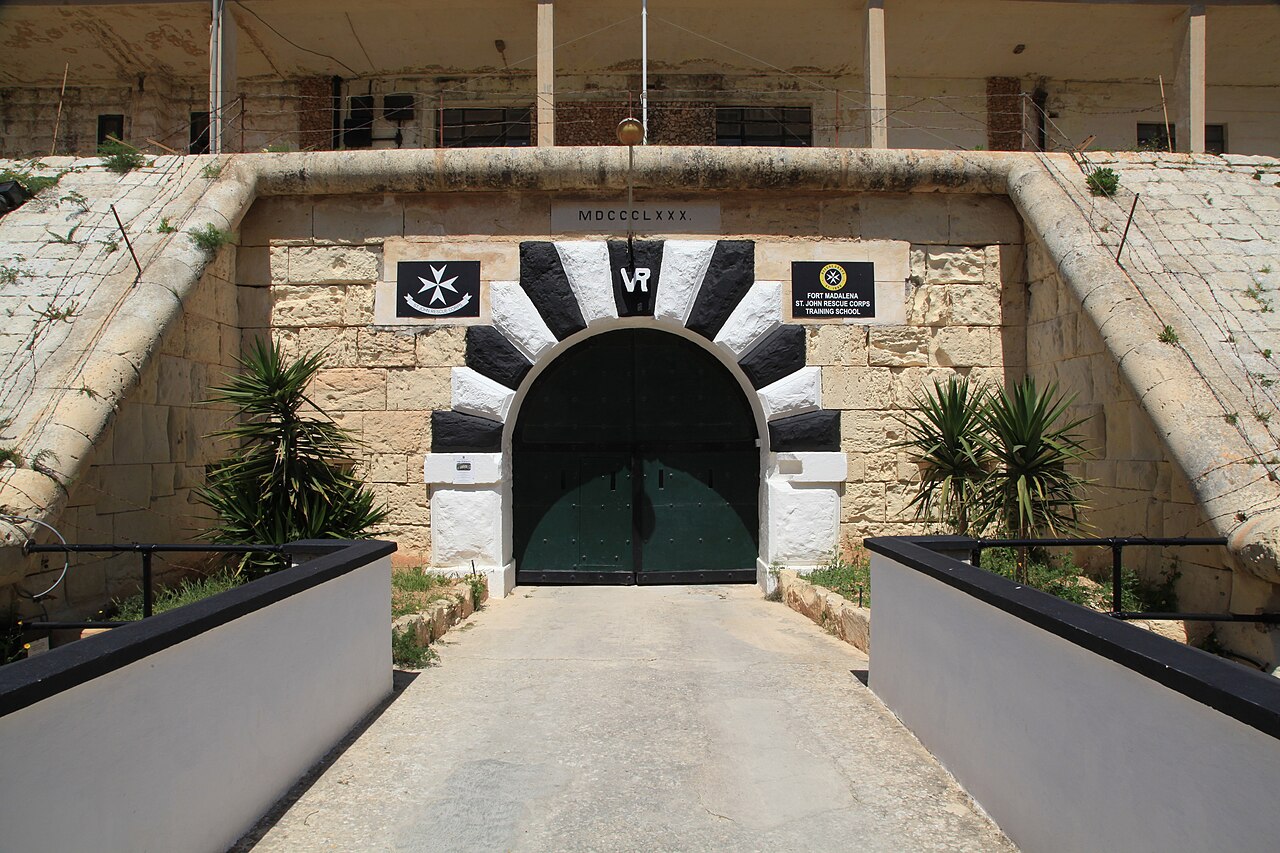
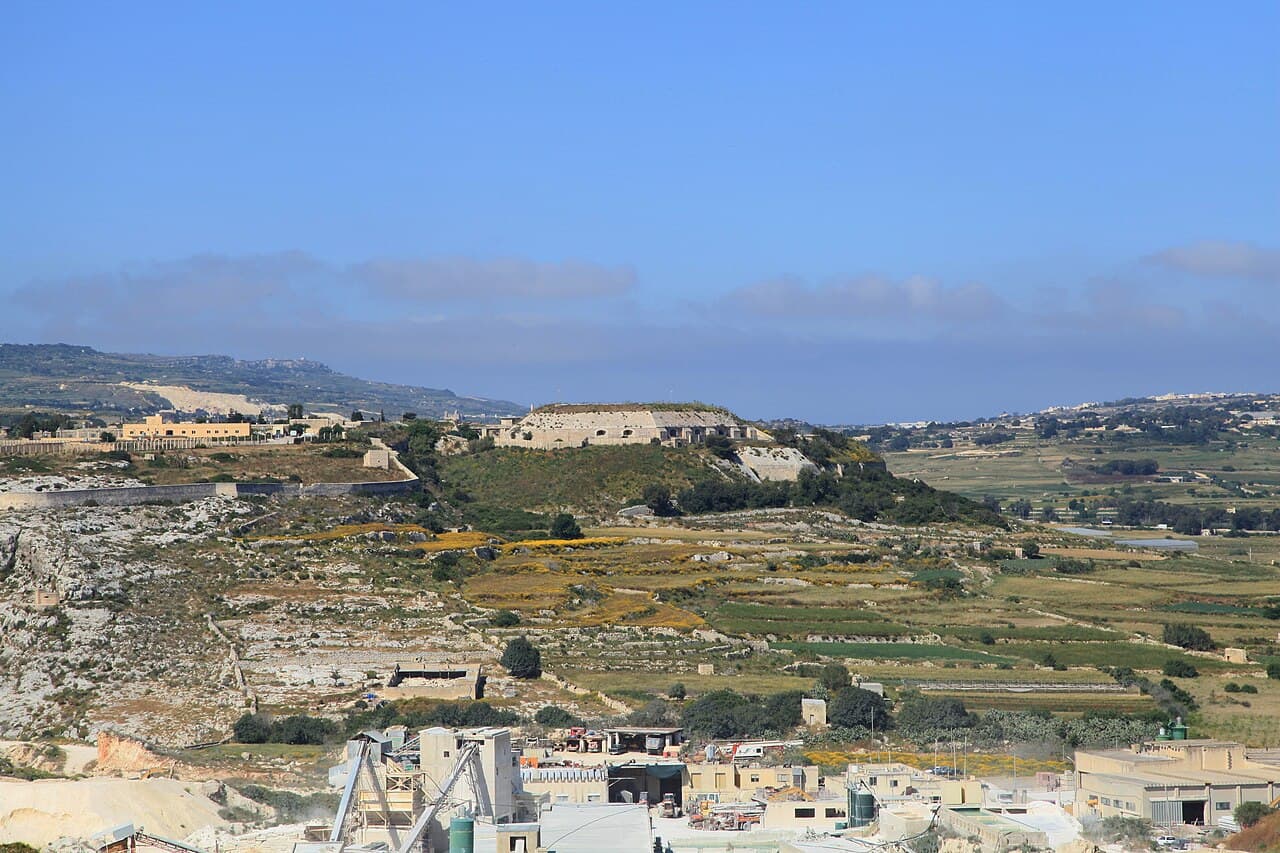
Fort Mosta, also known historically as Fort Musta and in Maltese as Il-Fortizza tal-Mosta, is a significant example of British military architecture in Malta. Constructed between 1878 and the 1880s, this polygonal bastioned fortress was built as part of the extensive Victoria Lines, a defensive line designed to protect the northern part of the island from invasion. Located in the town of Mosta, the fort played a strategic role in the island's defense system during the 19th century and into the early 20th century.
Historical context and strategic importance
The construction of Fort Mosta was driven by the British military’s need to strengthen Malta’s defenses against potential threats, particularly from the north. The Victoria Lines were a series of fortifications stretching across the island, taking advantage of the natural ridge to create a formidable barrier. Fort Mosta was one of the key bastions within this system, designed to control access through the northern approaches and to serve as a stronghold in case of an attack.
During the late 19th century, Malta was a crucial naval base for the British Empire, and its fortifications reflected the evolving military technologies and strategic doctrines of the period. Fort Mosta’s design reflects the shift from traditional medieval-style castles towards modern polygonal forts, which emphasized low-profile, angular bastions and thick walls to better resist artillery fire.
Architectural features and design
Fort Mosta is characterized by its polygonal layout, a hallmark of the bastioned fortress style favored in the 19th century. Unlike earlier medieval castles with high walls and towers, polygonal forts were designed with angled bastions that eliminated blind spots and allowed defenders to cover all approaches with overlapping fields of fire.
The fort’s walls are constructed from robust limestone, a common building material in Malta, providing durability and resistance to bombardment. The design incorporates dry moats and glacis—sloping earthworks that protect the walls and expose attackers to defensive fire. The entrance is fortified with a gatehouse and defensive outworks to delay and disrupt enemy advances.
Inside, the fort includes barracks, ammunition magazines, and various service buildings arranged around a central parade ground. These internal structures were built to support a garrison capable of sustained defense and to store the necessary supplies and armaments.
Adaptations and later use
While originally built for active defense, Fort Mosta’s role evolved over time. It was never tested in a major siege but remained a critical part of Malta’s military infrastructure through both World Wars. Today, the fort is still in use by the Armed Forces of Malta, primarily as an ammunition depot, reflecting its continued strategic value.
Preservation and current condition
Fort Mosta is well preserved, maintaining much of its original structure and defensive features. Unlike many other historical fortifications that have fallen into ruin, this fort remains intact and functional, a testament to the quality of its construction and ongoing maintenance.
Its status as an active military site means that public access is limited, but the fort remains an important cultural and historical landmark within Malta’s rich heritage of fortifications. It offers valuable insights into the military architecture of the British colonial period and the island’s strategic significance in the Mediterranean.
Fort Mosta in the context of Maltese fortifications
Malta’s fortifications are renowned worldwide for their scale and historical importance, ranging from medieval castles to massive coastal batteries. Fort Mosta represents a later phase in this defensive tradition, illustrating the transition from classical bastioned forts to polygonal designs adapted to modern artillery.
Its inclusion in the Victoria Lines connects it to a broader network of defenses that shaped Malta’s military landscape in the 19th century. This network was part of the British Empire’s efforts to secure its naval dominance in the Mediterranean, making Fort Mosta a key piece in the island’s defense puzzle.
Photo gallery

Information
Loading map...
Visitor reviews
No reviews yet. Been here? Write the first review and help other travelers!
Write the first reviewVisited this castle? Share your experience
Your review helps other travelers and adds first-hand knowledge to our encyclopedia.