Fort Leonardo
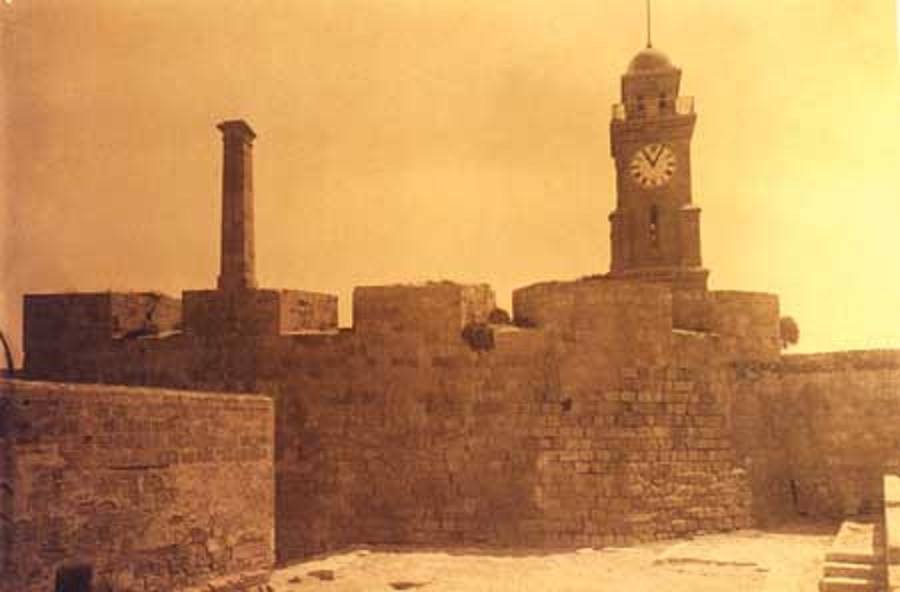
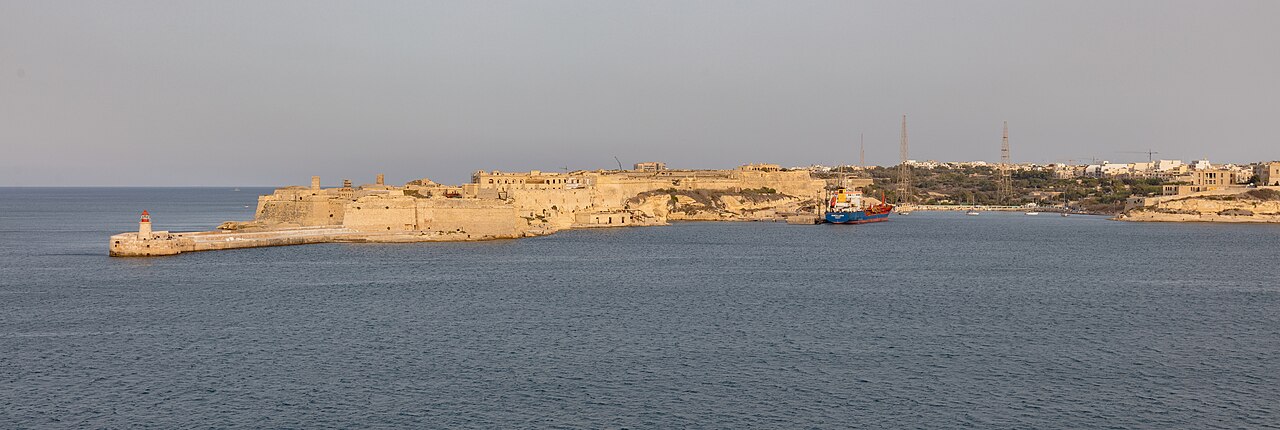
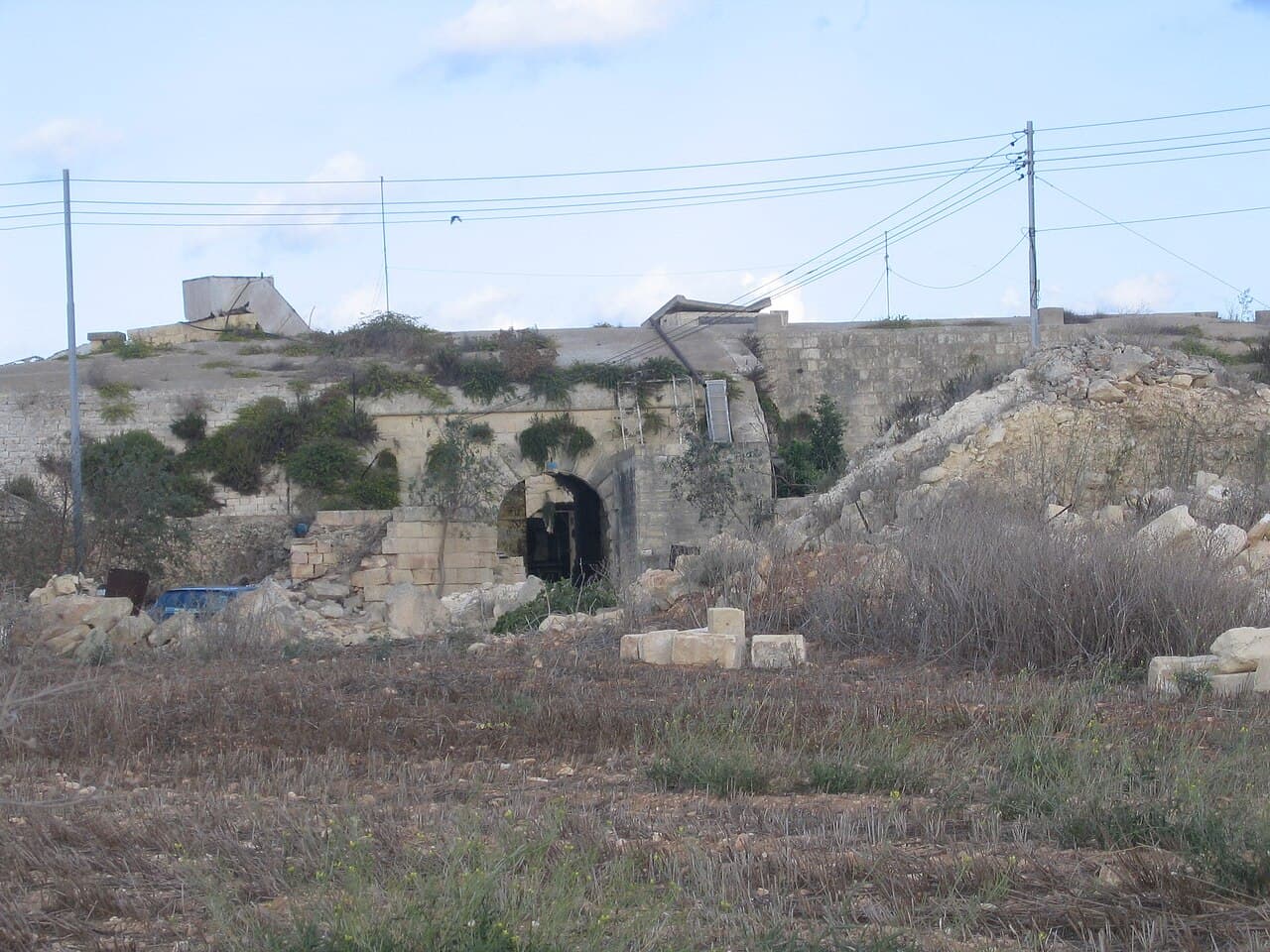
Fort Leonardo (Maltese: Il-Fortizza San Leonardu), also known as Fort San Leonardo or Fort San Anard, is a polygonal bastioned fortress located in Żabbar, Malta. Constructed between 1872 and 1878 by the British military, it stands strategically between the villages of San Leonardo and Żonqor, overlooking the shore to the east of the Grand Harbour. This fort is a notable example of 19th-century military architecture designed to defend Malta's vital harbors and coastlines during the era of British colonial rule.
Historical context and strategic importance
During the 19th century, Malta was a key naval base for the British Empire in the Mediterranean. The island's location made it crucial to protect its harbors, particularly the Grand Harbour, which was a major naval dockyard and anchorage. Fort Leonardo was part of a wider network of fortifications built to strengthen Malta's coastal defenses against potential seaborne attacks and advances in artillery technology.
The fort's construction followed the polygonal style, which was a modern evolution from earlier bastioned forts. This design allowed for better defense against artillery bombardment by incorporating angled walls and ditches that minimized blind spots and maximized fields of fire.
Architectural features and design
Fort Leonardo is characterized by its polygonal layout with bastions projecting outward to provide overlapping fields of fire. The fort's walls were constructed using robust limestone, a common building material in Malta, known for its durability and availability.
The fort includes a dry moat surrounding its perimeter, enhancing its defensive capabilities by creating an obstacle for attackers. The entrance is fortified with a gatehouse designed to control access and defend against assaults.
Inside the fort, there were barracks for troops, magazines for storing ammunition, and artillery platforms arranged to cover approaches from sea and land. The positioning of the fort allowed for control over the eastern approaches to the Grand Harbour, an essential aspect of Malta's defense strategy.
Polygonal fortification style
The polygonal style employed in Fort Leonardo marked a shift from traditional star forts to designs better suited to withstand rifled artillery and explosive shells. This style featured low, thick walls and angular bastions that reduced dead zones and allowed defenders to fire along the ditch and walls effectively.
This approach was part of a broader trend in military architecture during the late 19th century, reflecting advances in military technology and changes in warfare tactics.
Role during British rule and later history
Fort Leonardo served as a coastal defense installation throughout the late 19th and early 20th centuries. It was part of Malta's extensive fortification system, which included other forts, batteries, and defensive structures around the island.
During World War I and World War II, the fort's strategic position remained important, although advances in warfare and changes in military strategy eventually rendered such fixed fortifications less critical.
After the British military left Malta in the mid-20th century, Fort Leonardo fell into disuse and has since been preserved as a historical monument. Its current condition is well preserved, allowing visitors and scholars to study this example of British military engineering.
Preservation and current status
Today, Fort Leonardo stands as a significant heritage site reflecting Malta's military past and British colonial history. Efforts have been made to maintain the fort's structural integrity and prevent deterioration.
The fort is accessible to visitors interested in military history and architecture, offering insights into 19th-century fortification techniques and the strategic importance of Malta in the Mediterranean.
Visiting information
Visitors to Fort Leonardo can explore its bastions, walls, and internal structures, gaining a sense of the fort's defensive capabilities and historical context. The site provides an educational experience about polygonal fortifications and Malta's role in British naval defense.
Architectural significance in Malta's fortifications
Fort Leonardo represents a key example of the transition in fort design during the modern period, moving from traditional bastioned forts to polygonal forts better adapted to new artillery technology.
Its construction reflects the British Empire's investment in Malta's defense infrastructure, underscoring the island's strategic military importance in the Mediterranean region.
Frequently asked questions (FAQ)
- How do I get to Fort Leonardo?
- Fort Leonardo is located in Żabbar, Malta, and can be reached by public transport or car. If you're using public transport, take the bus to Żabbar and follow the signs to the castle. Parking is available nearby for those traveling by car.
- What is the historical significance of Fort Leonardo?
- Fort Leonardo was built in the late 17th century as part of Malta's coastal defense system. It played a crucial role in protecting the island from invasions and has significant military heritage. Today, it stands as a testament to Malta's rich history and architectural evolution.
- When was Fort Leonardo constructed?
- Construction of Fort Leonardo began in 1658 and was completed in the early 1660s. It was designed by the renowned engineer Giovanni Rinaldo, reflecting the military architecture of the time. The fort has been preserved and maintained over the centuries, showcasing its historical importance.
- Can I enter Fort Leonardo as a visitor?
- Yes, visitors are welcome to explore Fort Leonardo during its opening hours. Guided tours are often available, providing insights into the castle's history and architecture. It’s advisable to check in advance for any special events or restrictions.
- Why is Fort Leonardo considered an architectural gem?
- Fort Leonardo is considered an architectural gem due to its unique design and strategic location. The fort features a bastion structure that was innovative for its time, blending military functionality with aesthetic appeal. Its preservation allows visitors to appreciate the craftsmanship of the 17th century.
- Is it possible to visit Fort Leonardo year-round?
- Yes, Fort Leonardo is open to visitors year-round, although hours may vary by season. It's recommended to check the official website or local tourism information for the most current opening hours. Visiting during the cooler months can provide a more comfortable experience.
- What are the ticket prices for visiting Fort Leonardo?
- Ticket prices for Fort Leonardo are quite reasonable, with discounts available for students and seniors. Children under a certain age may enter for free. It's best to check the official website for the latest pricing and any special offers.
- What is the best time to visit Fort Leonardo?
- The best time to visit Fort Leonardo is during the spring and autumn months when the weather is mild and pleasant. These seasons often see fewer crowds, allowing for a more enjoyable experience. Early mornings or late afternoons can also provide beautiful lighting for photography.
- Are there nearby attractions to explore after visiting Fort Leonardo?
- Yes, there are several nearby attractions to explore after visiting Fort Leonardo, including the historic town of Żabbar and the picturesque views of the Maltese coastline. Other nearby sites include the Tarxien Temples and the famous Three Cities. Combining these visits can create a fulfilling day of exploring Malta's rich history.
Photo gallery

Information
Loading map...
Visitor reviews
No reviews yet. Been here? Write the first review and help other travelers!
Write the first reviewVisited this castle? Share your experience
Your review helps other travelers and adds first-hand knowledge to our encyclopedia.