Fort Madalena
Fort Madalena, also known as Fort Madliena (Maltese: Il-Fortizza tal-Madliena), is a notable 19th-century bastioned fortress located in the area of Madliena within the limits of Swieqi, Malta. Constructed between 1878 and 1880, the fort was part of the extensive Victoria Lines defensive system established by the British Empire to protect the northern part of Malta from potential invasion.
Strategic significance and location
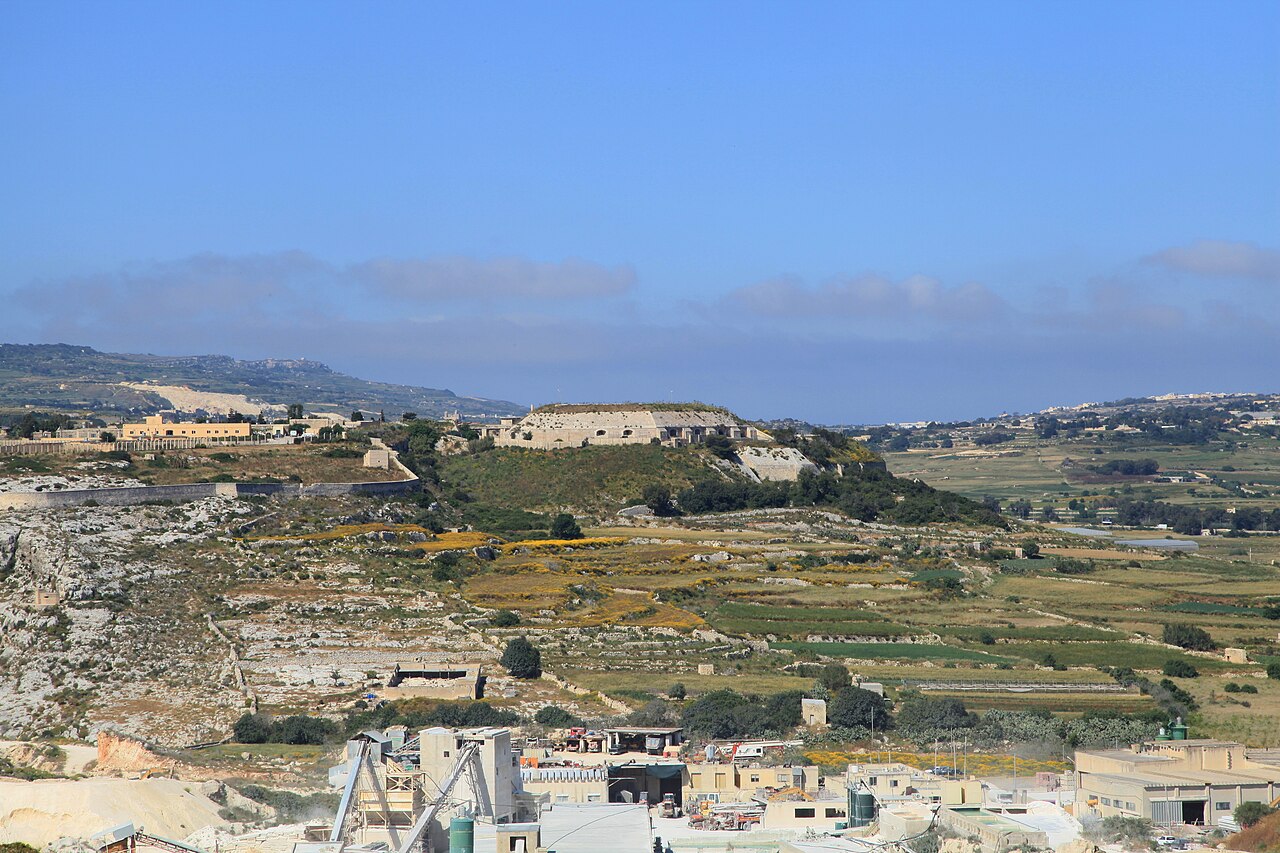
Fort Madalena occupies a commanding position overlooking the northern approaches to the Maltese islands. It was strategically placed to guard the Victoria Lines, a series of fortifications stretching across the island's width, designed to exploit the natural defensive advantages of the terrain. The fort's location allowed it to control key roads and approaches, serving as a critical element in the island's defense network during the late 19th century.
Architectural design and features
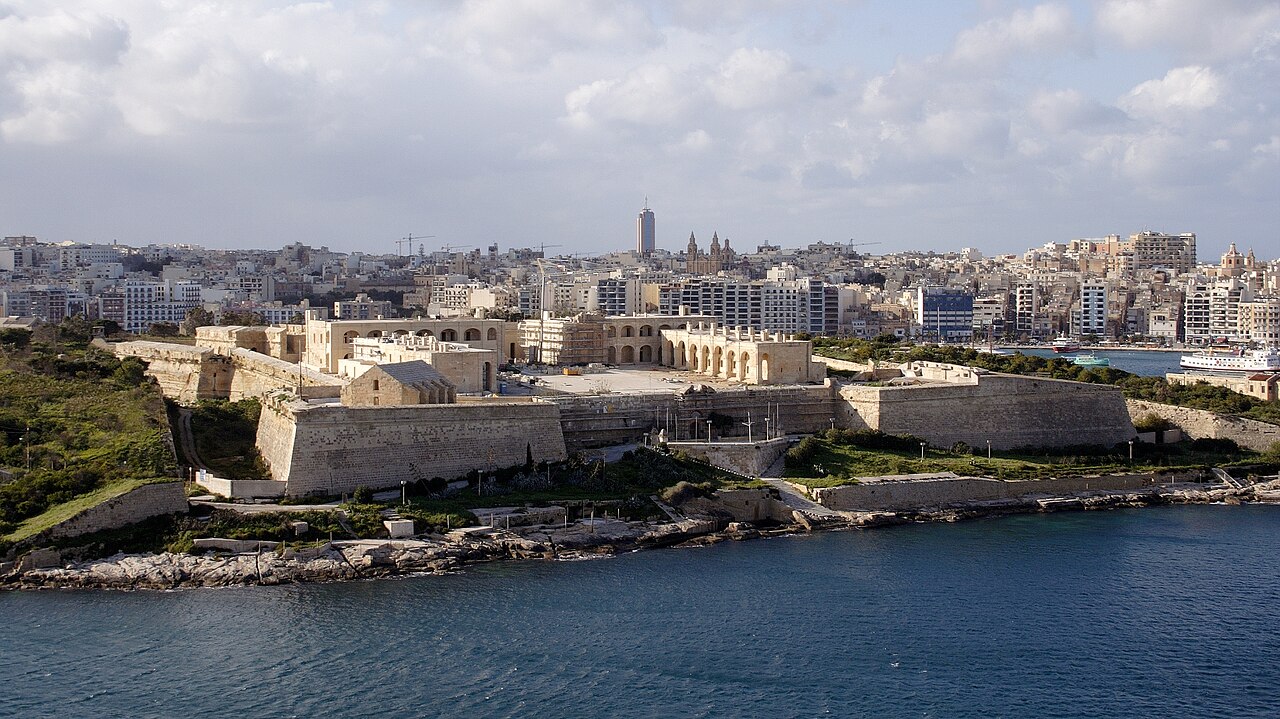
The fort is a polygonal fortification, a style characteristic of the modern military architecture of the late 19th century. This design replaced traditional medieval castle elements with angled bastions and low-profile walls to better resist artillery fire. Fort Madalena features thick stone and concrete walls, bastions for mounting artillery, and a dry ditch surrounding the perimeter to impede enemy approach.
The fort's layout includes a central parade ground, surrounded by various casemates and storage rooms, designed to accommodate troops and munitions. Defensive features such as caponiers and scarp walls enhance its protection against infantry assault. The use of polygonal bastions allowed for overlapping fields of fire, a significant advancement over earlier fortress designs.
Historical context and military use
Built during the British colonial period, Fort Madalena was part of a broader effort to modernize Malta's defenses in response to evolving military technology and geopolitical threats. The Victoria Lines themselves were constructed to create a defensive barrier across the island, controlling movement and protecting the more densely populated southern regions.
Fort Madalena was equipped with artillery pieces typical of its era, intended to engage enemy ships or troops attempting to breach the lines. However, with the advent of new military technologies and changing strategic priorities, the fort's active defensive role diminished in the 20th century.
Current status and usage
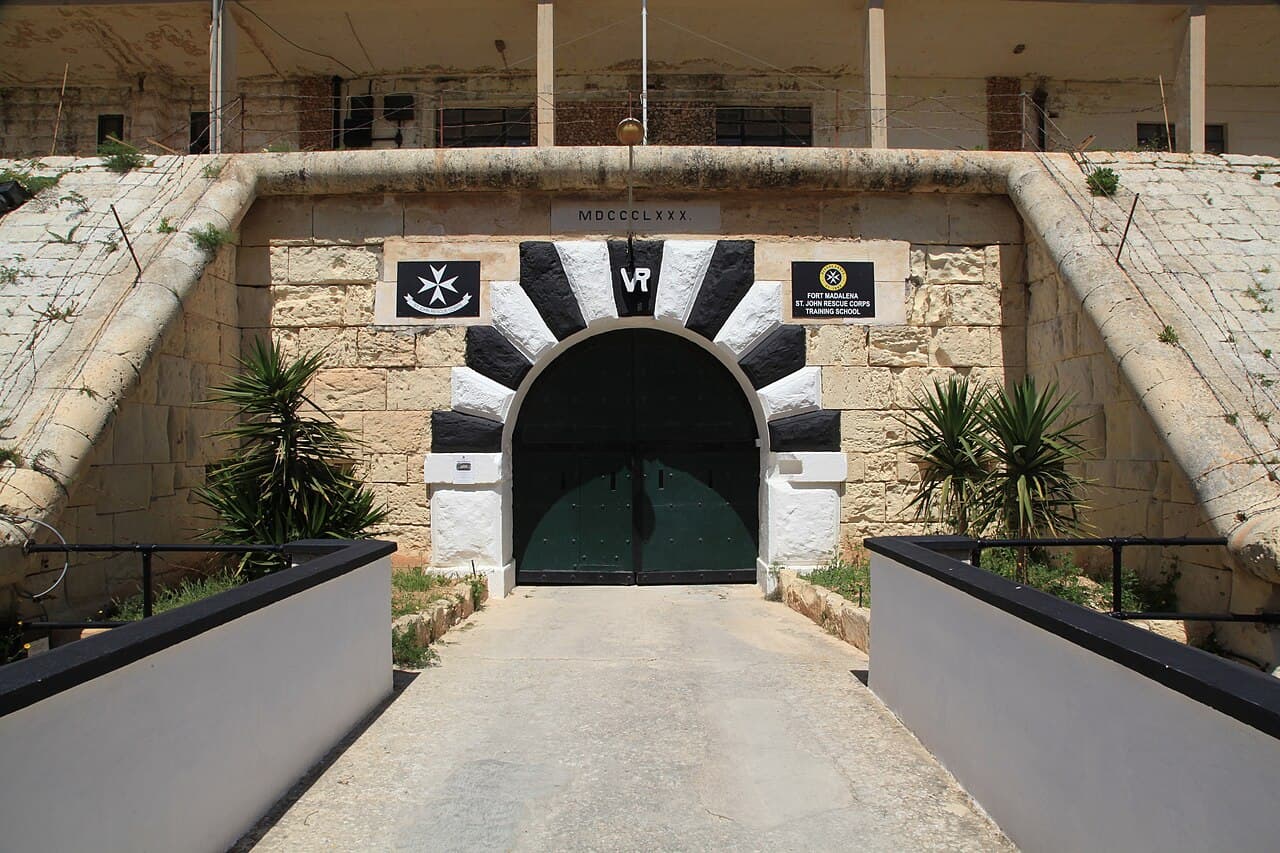
Today, Fort Madalena is under the responsibility of the Armed Forces of Malta. While no longer serving as a frontline military installation, it remains a significant historical and architectural monument. The fort is currently utilized by the St John Ambulance and Rescue, reflecting its adaptation to non-military functions while preserving its heritage.
The fort is not generally open to the public, but its exterior and surrounding landscape can be viewed, offering insight into Malta's military past and the evolution of fortress design during the modern period.
Architectural significance within Maltese fortifications
Fort Madalena exemplifies the transition from traditional bastioned fortresses to polygonal forts, marking a shift in defensive architecture influenced by advances in artillery and military engineering. Its construction as part of the Victoria Lines highlights Malta's strategic importance in the Mediterranean and the British Empire's efforts to secure these vital naval routes.
The fort's preservation contributes to understanding the military history of Malta and the broader context of 19th-century European fortification trends. Its robust design and strategic placement continue to attract interest from historians and military architecture enthusiasts.
Frequently asked questions (FAQ)
- What is the historical significance of Fort Madalena?
- Fort Madalena was built between 1878 and 1880 as part of the Victoria Lines, a defensive system to protect northern Malta during British rule. It reflects 19th-century military architectural advancements and Malta's strategic importance in the Mediterranean.
- Can I visit Fort Madalena?
- Fort Madalena is currently under the responsibility of the Armed Forces of Malta and used by St John Ambulance and Rescue. It is generally not open to the public, but visitors can view its exterior and surrounding landscape.
- What architectural style characterizes Fort Madalena?
- Fort Madalena is a polygonal bastioned fortress, typical of late 19th-century military architecture designed to withstand artillery fire with angled bastions and low-profile walls.
- Where is Fort Madalena located?
- Fort Madalena is located in Madliena, within the limits of Swieqi, in the Northern Region of Malta. It commands a strategic position overlooking northern approaches to the island.
- Who owns Fort Madalena today?
- The fort is currently owned and managed by the Armed Forces of Malta, which maintains the site and uses it for non-military purposes such as by the St John Ambulance and Rescue.
Photo gallery

Information
Current owner
Armed Forces of Malta
Loading map...
Visitor reviews
No reviews yet. Been here? Write the first review and help other travelers!
Write the first reviewVisited this castle? Share your experience
Your review helps other travelers and adds first-hand knowledge to our encyclopedia.