Fort St. Angelo
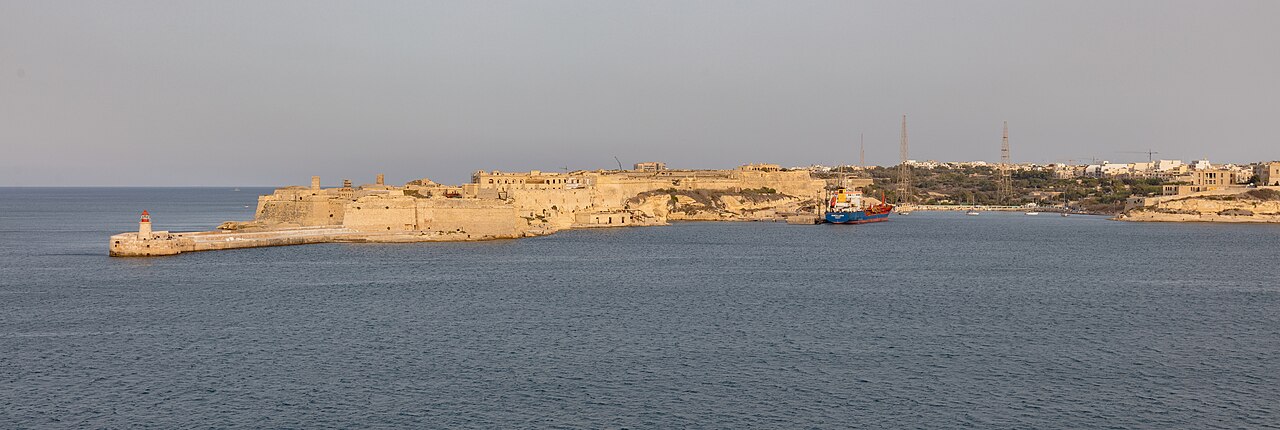
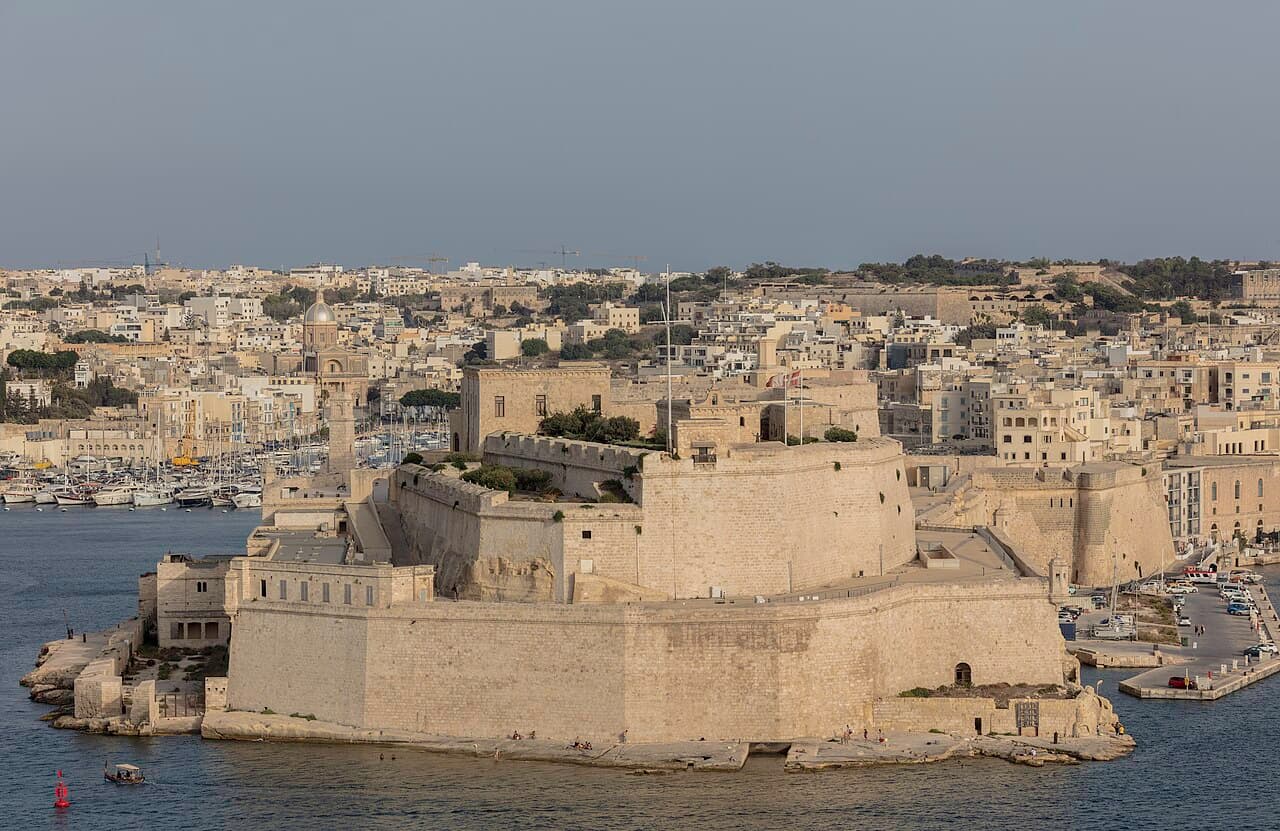
Fort St. Angelo stands as a monumental bastioned fortification located in the historic city of Birgu, at the heart of Malta's Grand Harbour. This fortress is a cornerstone of Maltese military heritage, embodying centuries of strategic importance, architectural evolution, and cultural symbolism. The fort's origins trace back to the High Medieval period, with its earliest definite existence recorded in the 13th century when it was known as Castrum Maris or "Castle by the Sea". This name reflects its commanding position overlooking the harbor and its role as a defensive bastion against maritime threats.
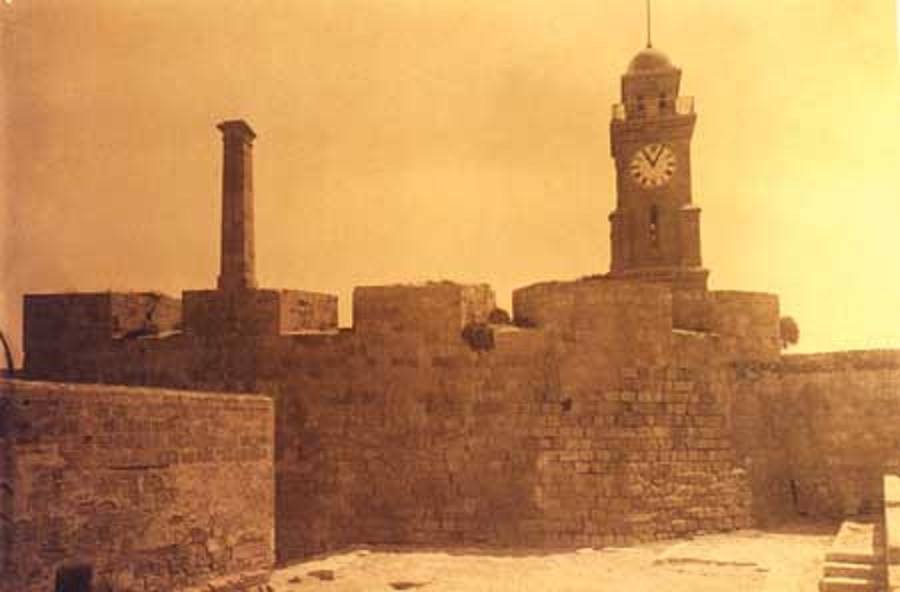
Legend associates the site with fortified settlements from the Roman period, and archaeological hints suggest the presence of prehistoric or classical structures nearby, including large ashlar blocks and an Egyptian pink granite column, indicating the area's long-standing strategic and cultural significance. Roman texts mention a temple dedicated to Juno or Astarte likely situated close to the fort's location, adding layers to its historical narrative.
Medieval origins and early history
The fort's medieval history is marked by its role under various rulers, starting with the Hohenstaufen Emperor Frederick II in the early 13th century, who appointed castellans to govern Malta and secure the crown's interests. The earliest surviving architectural elements, including a tower possibly dating from the 12th century, attest to the fort's longstanding defensive function.
Documents from the 1240s reference the Castrum Maris during the lordship of Paulinus of Malta and a census by Giliberto Abate. Under the brief Angevin rule (1266–1283), the fort housed a garrison of 150 men and was equipped with weapons, indicating its military readiness. By 1274, the fort contained two chapels, which survive to this day, underscoring its dual role as a military and religious site.
After the islands came under Aragonese control in 1283, the fort remained a key stronghold, primarily managed by castellans like the de Nava family, who administered the fort but held no jurisdiction beyond its walls.
The knights of st. john and fort transformation
The arrival of the Order of Saint John in 1530 marked a pivotal transformation for Fort St. Angelo. The Knights established their seat here, making it the residence of the Grand Master and the Order's primary fortification. Significant renovations were undertaken, including refurbishing the Castellan's House and St. Anne's Chapel.
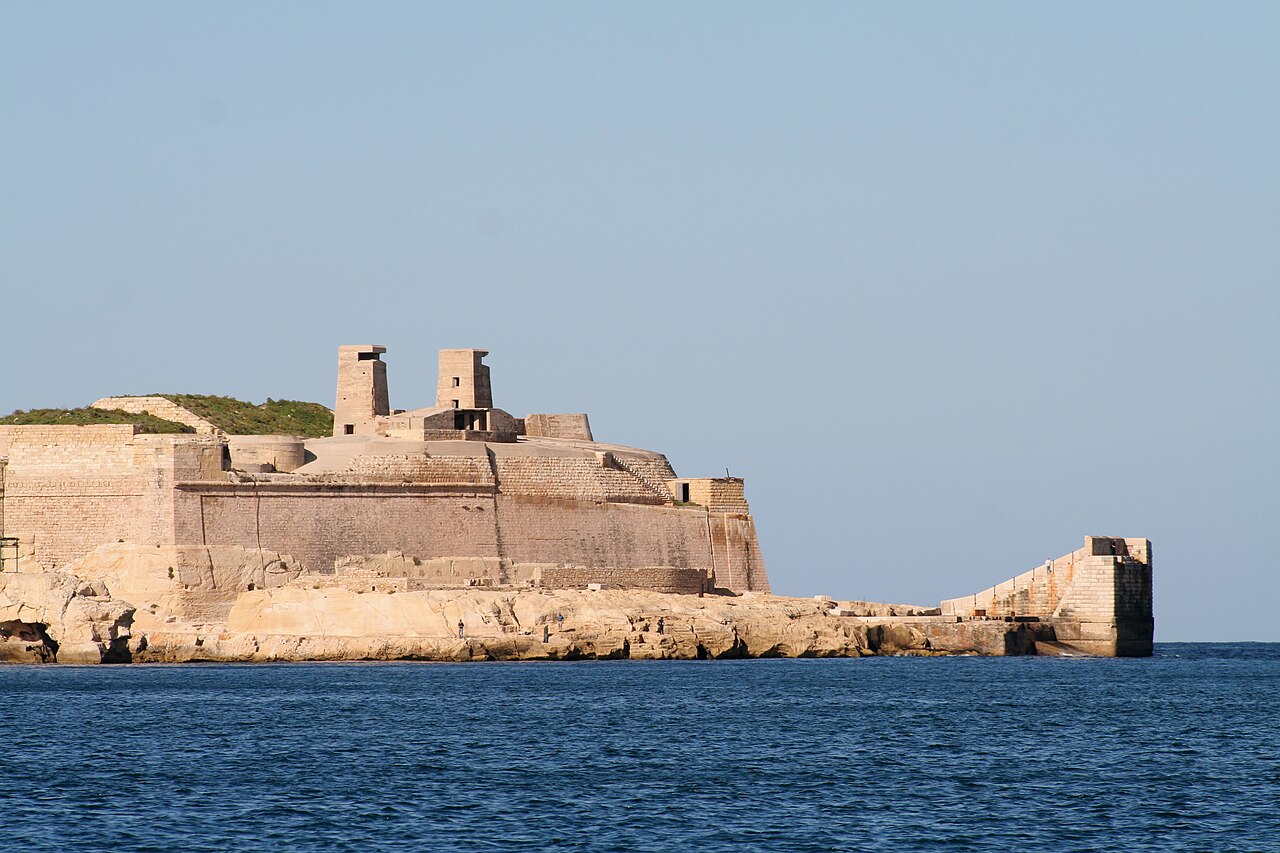
Architectural advancements included the cutting of a dry ditch into a moat and the construction of the D'Homedes Bastion by 1536, enhancing the fort's defensive capabilities. By 1547, a large cavalier designed by Antonio Ferramolino was added behind the bastion, and the De Guirial Battery was constructed at sea level to guard the entrance to Dockyard Creek. These modifications reflected the fort's evolution into a modern gunpowder fortification.
Role in the great siege of 1565
Fort St. Angelo's most celebrated moment came during the Great Siege of Malta in 1565. The fort withstood a prolonged assault by a formidable Ottoman force. Its defenders successfully repelled a significant sea attack on Senglea on August 15, 1565, demonstrating the fort's strategic importance and robust construction. The siege lasted three months, and the fort's resilience contributed decisively to the Knights' legendary victory, preserving Malta from conquest.
Post-siege developments
Following the siege, the Knights shifted their administrative center to the newly founded fortified city of Valletta on Mount Sciberras. Fort St. Angelo continued to serve military purposes and underwent further enhancements in the late 17th century. Architect Carlos de Grunenbergh led major repair works and added four gun batteries facing the Grand Harbour entrance. His coat of arms remains visible above the main gate, symbolizing his contribution.
By the late 17th century, the fort was a formidable bastion equipped with approximately 80 guns, 48 of which were oriented towards the harbor entrance, underscoring its defensive strength.
British era and 20th century use
With the British takeover in the early 19th century, Fort St. Angelo retained its military significance. Initially used by the British Army, it housed two battalions of the 35th Regiment in 1800. By the 20th century, the fort was transferred to the Royal Navy, becoming a stone frigate named HMS Egmont in 1912 and later renamed HMS St Angelo in 1933.
Although the British made few major structural changes, they adapted parts of the fort for modern military needs, including converting No. 2 Battery into a casemated battery for three nine-inch RML guns in the 1860s and adding a cinema and water distillation plant in the early 1900s.
During World War II, the fort played a defensive role, armed with Bofors guns and enduring 69 direct hits between 1940 and 1943. Its resilience during this period echoed its historical legacy of fortitude.
Modern history and preservation
After the Royal Navy's departure in 1979, Fort St. Angelo was handed over to the Maltese government. Parts of the fort fell into disrepair, particularly following an unsuccessful hotel conversion project in the 1980s. However, recent efforts have focused on restoration and preservation.
The Maltese government granted the Order of the Knights of St. John the upper part of the fort, including the magisterial palace and St. Anne's Chapel, reaffirming the site's historical and cultural significance.
Fort St. Angelo has been on Malta's tentative list for UNESCO World Heritage status since 1998, as part of the Knights' fortifications around Malta's harbors, highlighting its outstanding universal value and the need for continued conservation.
Architectural layout and features
Originally, the fort comprised a shell keep with various buildings inside, including the Castellan's house and the Chapel of St. Mary, later rededicated to St. Anne. An outer ward provided additional defense. The fort also contained a chapel dedicated to St. Angelo, later rededicated to the Nativity of Our Lady.
By the time of the Great Siege, the fort retained much of its medieval character but had incorporated significant Renaissance-era modifications. The dry moat converted into a water-filled moat, the bastions, cavaliers, and sea-level batteries collectively formed a complex defensive system designed to withstand artillery sieges.
Today, visitors can observe the layered architectural history through the surviving bastions, walls, batteries, chapels, and the magisterial palace, which together narrate the fort's evolution from a medieval castle to a modern bastioned fortress.
Defensive structures
- D'Homedes Bastion: A key bastion built in the early 16th century to strengthen seaward defenses.
- Cavalier: A raised gun platform designed by Antonio Ferramolino, providing elevated artillery positions.
- De Guirial Battery: Positioned at sea level to protect the entrance to Dockyard Creek.
- Moat: Originally a dry ditch, converted to a water-filled moat for enhanced defense against siege tactics.
Religious and residential buildings
The fort's chapels, especially St. Anne's Chapel, remain significant for their historical and architectural value. The magisterial palace served as the residence of the Grand Master and is a prominent feature reflecting the fort's dual military and administrative roles.
Frequently asked questions (FAQ)
- How do I get to Fort St. Angelo?
- Fort St. Angelo is located in Valletta, Malta, and can be easily accessed by public transport or taxi. If you are traveling by bus, several routes connect Valletta to nearby towns, and the fort is a short walk from the main bus terminus.
- What is the historical significance of Fort St. Angelo?
- Fort St. Angelo has played a crucial role in Malta's history, serving as a fortress and the residence of the Grand Master of the Knights of St. John. It has witnessed numerous sieges and battles, particularly during the Great Siege of 1565, making it a symbol of Malta's resilient past.
- When was Fort St. Angelo built?
- Construction of Fort St. Angelo began in the 15th century, specifically around 1430, and was expanded over the subsequent centuries. The fort has undergone various renovations and restorations, reflecting different architectural styles and military needs throughout its history.
- Can I take guided tours of Fort St. Angelo?
- Yes, guided tours are available at Fort St. Angelo, providing visitors with in-depth insights into its history and architecture. These tours are led by knowledgeable guides who can share fascinating stories and facts about the fort's significance.
- Why is Fort St. Angelo an architectural landmark?
- Fort St. Angelo is considered an architectural landmark due to its unique design, which combines military functionality with Renaissance aesthetics. The fort features impressive bastions, a drawbridge, and beautifully preserved interiors that showcase the evolution of military architecture over centuries.
- Is it possible to visit Fort St. Angelo year-round?
- Yes, Fort St. Angelo is open to visitors year-round, though specific opening hours may vary by season. It is advisable to check the official website for the most current visiting hours and any special events that may affect access.
- What are the ticket prices for Fort St. Angelo?
- Ticket prices for Fort St. Angelo are generally affordable, with discounts available for students, seniors, and children. It is recommended to purchase tickets online in advance to avoid long queues during peak tourist seasons.
- When is the best time to visit Fort St. Angelo?
- The best time to visit Fort St. Angelo is during the spring (April to June) and fall (September to November) when the weather is pleasant and crowds are smaller. Visiting during these times allows for a more enjoyable exploration of the fort and its surroundings.
- What nearby attractions can I visit after Fort St. Angelo?
- After visiting Fort St. Angelo, you can explore several nearby attractions, including the National Museum of Archaeology and St. John's Co-Cathedral. The charming streets of Valletta also offer shops, cafes, and stunning views of the Mediterranean Sea.
Photo gallery

Loading map...
Visitor reviews
No reviews yet. Been here? Write the first review and help other travelers!
Write the first reviewVisited this castle? Share your experience
Your review helps other travelers and adds first-hand knowledge to our encyclopedia.