
Fort Binġemma
Fort Binġemma, also known historically as Fort Bin Jema or Fort Bengemma, is a polygonal bastioned fortress located within the limits of Rabat, Malta. Constructed between 1875 and 1878 by the British military, it formed a key component of the Victoria Lines, a defensive line designed to protect the northern part of Malta from potential invasion. The fort stands on a prominent hill approximately 180 meters (590 feet) above sea level, providing strategic views over the surrounding landscape.
Architectural design and military purpose
The fort exemplifies polygonal fortification principles that were prevalent in the 19th century, reflecting advances in military engineering. Unlike traditional medieval castles with high curtain walls and towers, Fort Binġemma features low, angled bastions designed to deflect artillery fire and provide overlapping fields of fire. Its bastioned design allowed defenders to cover all approaches with cannon and rifle fire.
The fort's layout includes thick defensive walls and earthworks that absorb and mitigate the impact of enemy bombardments. The design was intended to withstand the artillery technology of the period, with a focus on defense against infantry assaults and artillery bombardment.
Historical context and construction
Fort Binġemma was built as part of the British Empire's efforts to strengthen Malta's defenses during the late 19th century. The Victoria Lines were a series of fortifications constructed along a natural escarpment to create a defensive barrier across the island. This line of defense aimed to protect the more densely populated southern areas from northern invasion routes.
The site of Fort Binġemma was chosen due to its commanding position and existing historical significance. Archaeological evidence indicates that a Roman village once existed on the site, highlighting the area's long-term strategic importance. The British military capitalized on this elevated ground to maximize surveillance and defense capabilities.
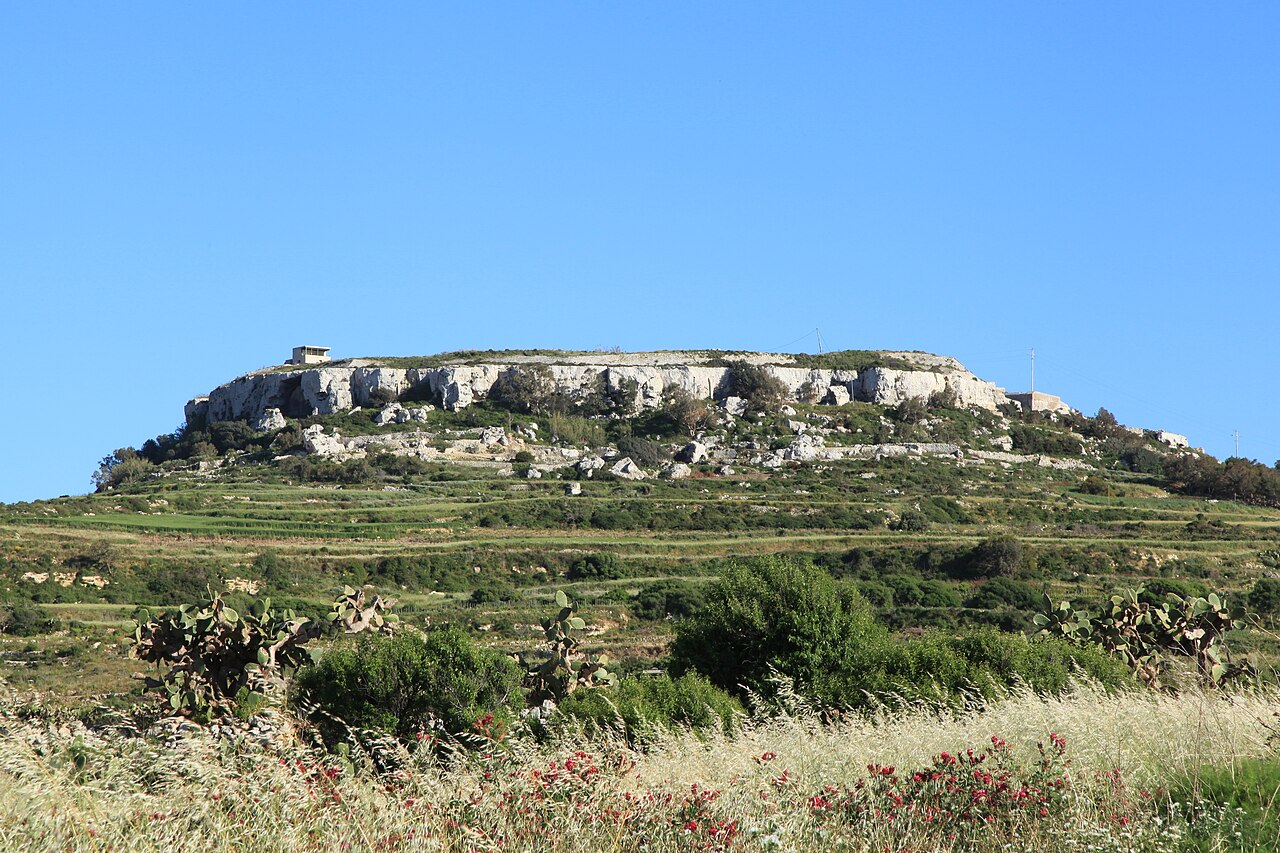
Photo by Frank Vincentz • CC BY-SA 3.0
Later history and recent events
In the 21st century, Fort Binġemma became notable for an unusual episode when it was illegally occupied by the Buttigieg family from 2009 until 2025. During this period, the family occasionally operated a restaurant within the fort's premises, despite the lack of official authorization. This occupation ended in 2025 when the authorities evicted the occupants, restoring control over the historic site.
Today, Fort Binġemma remains a significant example of British military architecture in Malta, illustrating the adaptation of fortification design to the evolving demands of modern warfare in the 19th century. Its preservation offers insights into the strategic military planning of the British Empire and the historical defense of Malta.
Geographical and cultural significance
Perched on a hilltop, Fort Binġemma commands views of the surrounding Maltese countryside, underscoring its role in surveillance and defense. The fort's location within the limits of Rabat places it near several other historical sites, contributing to the rich cultural landscape of the region.
The fort is part of Malta's broader military heritage, reflecting the island's importance as a strategic naval and military base throughout history. Its connection to the Victoria Lines situates it within a network of fortifications that collectively represent a significant chapter in Malta's defensive architecture.
Frequently asked questions (FAQ)
- What is the historical significance of Fort Binġemma?
- Fort Binġemma is a 19th-century fortification built by the British as part of their defense strategy for Malta. It played a crucial role during World War II, serving as a lookout and observation post. Today, it stands as a testament to Malta's military history and architectural evolution.
- When is the best time to visit Fort Binġemma?
- The best time to visit Fort Binġemma is during the spring (March to May) and autumn (September to November) months. These seasons offer milder weather, making it more comfortable for exploring the fort and enjoying its panoramic views. Summer can be quite hot, while winter is generally mild but may bring occasional rain.
- Can I access Fort Binġemma by public transport?
- Yes, you can reach Fort Binġemma by public transport, though options may be limited. The nearest bus stop is in Rabat, from where you can take a short walk to the fort. It is advisable to check local bus schedules for the most convenient routes.
- What are the opening hours for Fort Binġemma?
- Fort Binġemma is typically open to the public from 9 AM to 5 PM, but it is essential to verify current hours before your visit, as they may vary seasonally or due to special events. Guided tours may also have specific time slots, so planning ahead is recommended.
- Is it possible to take guided tours of Fort Binġemma?
- Yes, guided tours of Fort Binġemma are available and provide valuable insights into the fort's history and architecture. The tours often include access to areas that are not open to the general public, enhancing your experience. It is advisable to book in advance, especially during peak tourist seasons.
- What are the ticket prices for visiting Fort Binġemma?
- Entry to Fort Binġemma is usually free, but some special guided tours may have a nominal fee. Always check the official website or local tourist information for the latest pricing and any special offers. This makes it an accessible option for all visitors.
- Are there any nearby attractions to visit after Fort Binġemma?
- Yes, after visiting Fort Binġemma, you can explore other nearby attractions such as the Mdina Old City and the Roman Villa. Both sites offer rich historical experiences and stunning architecture, making them perfect complements to your visit. Be sure to allocate time to enjoy the scenic views and quaint streets of Mdina.
- What architectural features can I expect to see at Fort Binġemma?
- Fort Binġemma showcases classic military architecture, including thick walls, a star-shaped layout, and strategically placed gun emplacements. The fort's design reflects the military engineering of the time, emphasizing both defense and functionality. Visitors can admire these features while enjoying the breathtaking views of the surrounding landscape.
Photo gallery

Information
Current owner
Government of Malta
Loading map...
Visitor reviews
No reviews yet. Be the first to share your experience!