Fort Chambray
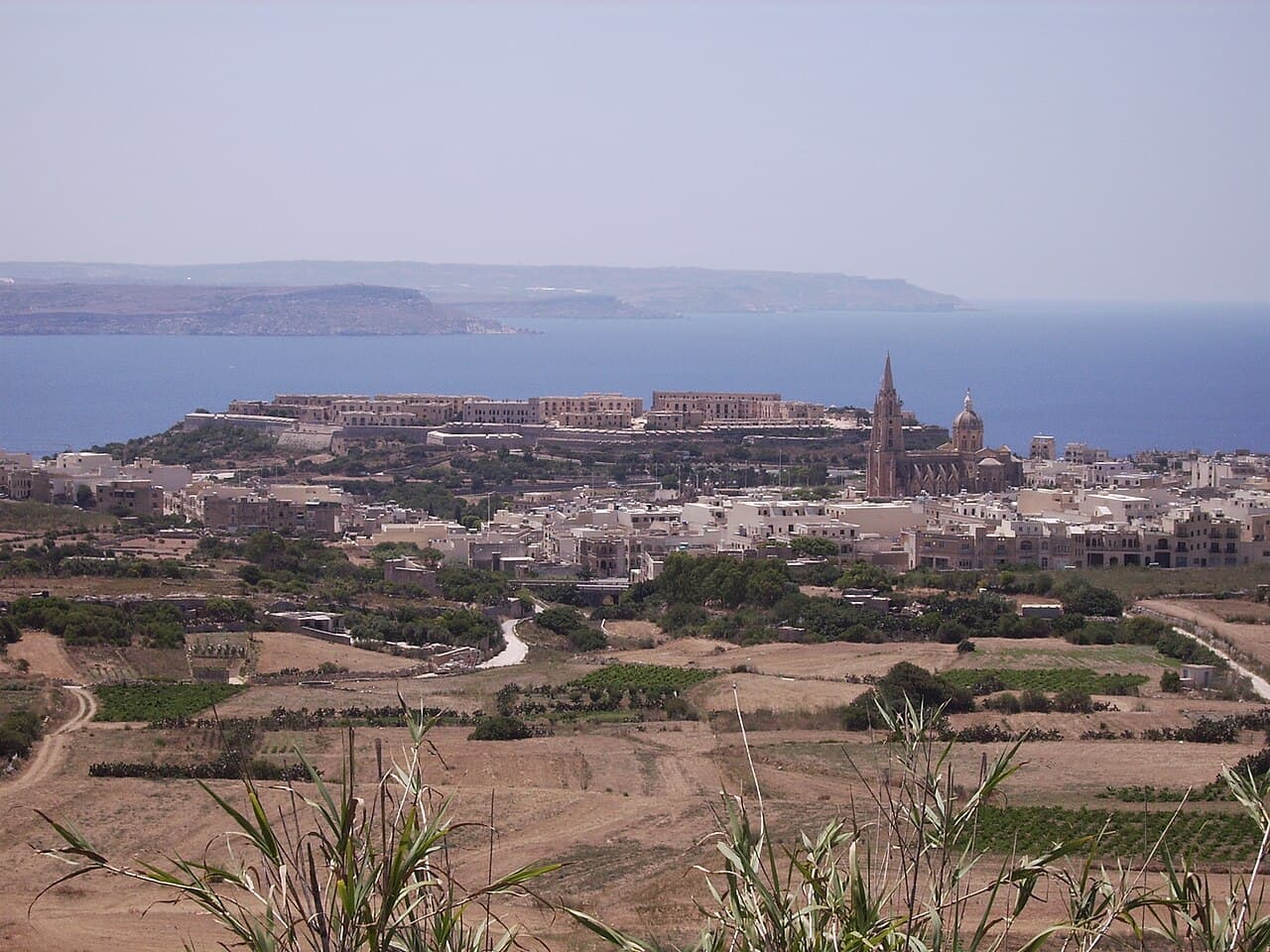
Fort Chambray, also known as Fort Chambrai (Maltese: Forti Xambrè), is a prominent bastioned fortress situated in the Għajnsielem locality on the island of Gozo, Malta. Constructed in the mid-18th century by the Order of Saint John, the fort occupies a strategic position at Ras it-Tafal, between the port of Mġarr and Xatt l-Aħmar. The fortress was conceived as the centerpiece of a new fortified city intended to replace the medieval Cittadella as the island's capital, a plan that ultimately did not come to fruition.
Historical context and strategic importance
The construction of Fort Chambray began in 1749 under the direction of the Order of Saint John, reflecting the military architectural trends of the post-Renaissance period. The fortification was designed to provide a modern defensive stronghold for Gozo, which until then relied heavily on the older and less accessible Cittadella. The location was chosen for its commanding views over the Mgarr Harbour and the surrounding coastline, enabling control over maritime approaches and enhancing the island's defense network.
The original vision for Fort Chambray was ambitious: to establish a new fortified urban center that could accommodate the island's population and serve as a refuge in times of conflict. However, the plan was never fully realized due to financial constraints and shifting political priorities within the Order and the broader Maltese islands.
Architectural design and features
Fort Chambray exemplifies the bastioned fortress typology characteristic of 18th-century military architecture. Its design incorporates angular bastions and curtain walls arranged to maximize defensive coverage and minimize blind spots. The walls are thick and robust, constructed primarily from local limestone, a common building material in Maltese architecture.
The fort's layout is roughly pentagonal, with bastions positioned at each corner to provide overlapping fields of fire. The entrance is fortified with a gatehouse and protected by a dry moat, enhancing its defensibility. Inside the fort, there are remnants of barracks, magazines, and other military buildings that supported its garrison.
Notably, the fort includes underground casemates and storage areas designed to withstand bombardment, reflecting the evolving military engineering techniques of the time. The fort's elevated position and robust construction allowed it to serve as a formidable defensive position against naval and land-based threats.
Role in malta's military history
Fort Chambray played a significant role during the French invasion of Malta in 1798. The Order of Saint John was expelled from the islands, and the fort was briefly occupied by French forces. Its strategic location made it a valuable military asset during this turbulent period.
Following the French occupation, the British took control of Malta and repurposed Fort Chambray for various military uses. It served as a military hospital during the 19th century, reflecting changing needs and the fort's adaptability. Later, parts of the fort were converted into a mental institution, demonstrating its continued use beyond purely military functions.
Modern restoration and adaptive reuse
In recent decades, Fort Chambray has undergone extensive restoration and redevelopment efforts aimed at preserving its historic fabric while adapting it for contemporary use. The fort is currently being transformed into a luxury accommodation complex, integrating modern amenities within the historic structures.
This adaptive reuse project seeks to balance conservation with economic viability, ensuring that Fort Chambray remains a significant cultural and architectural landmark on Gozo. The restoration work respects the fort's original 18th-century bastioned design while introducing sensitive interventions to accommodate tourism and hospitality functions.
Cultural significance and visitor experience
Fort Chambray stands as an important symbol of Gozo's military heritage and the island's historical ties to the Order of Saint John. Visitors to the site can appreciate the fort's imposing bastions, curtain walls, and commanding views over the surrounding seascape.
The redevelopment into a luxury resort offers a unique opportunity for guests to experience the grandeur of an 18th-century fortress alongside modern comforts. The site also serves as a reminder of Malta's complex history of fortification, colonial influence, and strategic maritime importance in the Mediterranean.
Frequently asked questions (FAQ)
- How do I get to Fort Chambray?
- Fort Chambray is located in Għajnsielem, Malta, and can be accessed by car or public transport. It is a short drive from the ferry terminal at Mgarr, making it convenient for visitors arriving by boat. Parking is available near the site for those driving.
- What is the historical significance of Fort Chambray?
- Fort Chambray was built by the Knights of St. John in the late 18th century as a strategic military installation. It played a crucial role in defending the island from invasions and served as a barracks during various conflicts. Today, it stands as a testament to Malta's rich military history.
- When was Fort Chambray constructed?
- Construction of Fort Chambray began in 1749 and was completed in 1761. Designed by the French engineer Charles François de Mondion, it was one of the last major forts built by the Knights of St. John. Its architecture reflects the military style of the time, making it a unique historical site.
- Can I visit Fort Chambray?
- Yes, Fort Chambray is open to visitors, and exploring its impressive structure is highly recommended. Guided tours may be available to enhance your experience and provide deeper insights into the fort's history and architecture. Be sure to check local resources for any specific visiting requirements or schedules.
- Why is Fort Chambray considered an architectural gem?
- Fort Chambray exemplifies military architecture with its robust stone walls and strategic layout designed for defense. The fort features impressive bastions and panoramic views of the surrounding area, showcasing the ingenuity of its designers. Its design combines both functionality and aesthetics, making it a fascinating site for architecture enthusiasts.
- Is it possible to take guided tours at Fort Chambray?
- Yes, guided tours are often available at Fort Chambray, allowing visitors to learn about its history and significance from knowledgeable guides. These tours typically cover the fort's architecture, its role in Malta's military past, and the breathtaking views from the fort. It’s advisable to book in advance during peak tourist seasons.
- What are the opening hours for Fort Chambray?
- Fort Chambray generally opens to visitors from 9 AM to 5 PM, but it's best to check specific opening hours before your visit as they may vary seasonally. Special events or maintenance may also affect accessibility, so planning ahead is recommended. Keeping up with local announcements can ensure you have the best experience.
- What are the ticket prices for visiting Fort Chambray?
- Ticket prices for Fort Chambray are usually quite affordable, making it accessible for all visitors. Discounts may be available for students, seniors, and families, so it's worth inquiring at the ticket counter upon arrival. Remember to check online for any promotions or combined tickets with nearby attractions.
- What are some nearby attractions to visit after Fort Chambray?
- After exploring Fort Chambray, consider visiting the nearby Għajnsielem village or the stunning beaches of Ramla Bay. The Mgarr Harbour, with its scenic views and ferry services to Gozo, is also a short distance away. These attractions complement a day trip to Fort Chambray beautifully, offering a mix of culture, relaxation, and natural beauty.
Photo gallery

Information
Current owner
Private owner
Loading map...
Visitor reviews
No reviews yet. Been here? Write the first review and help other travelers!
Write the first reviewVisited this castle? Share your experience
Your review helps other travelers and adds first-hand knowledge to our encyclopedia.